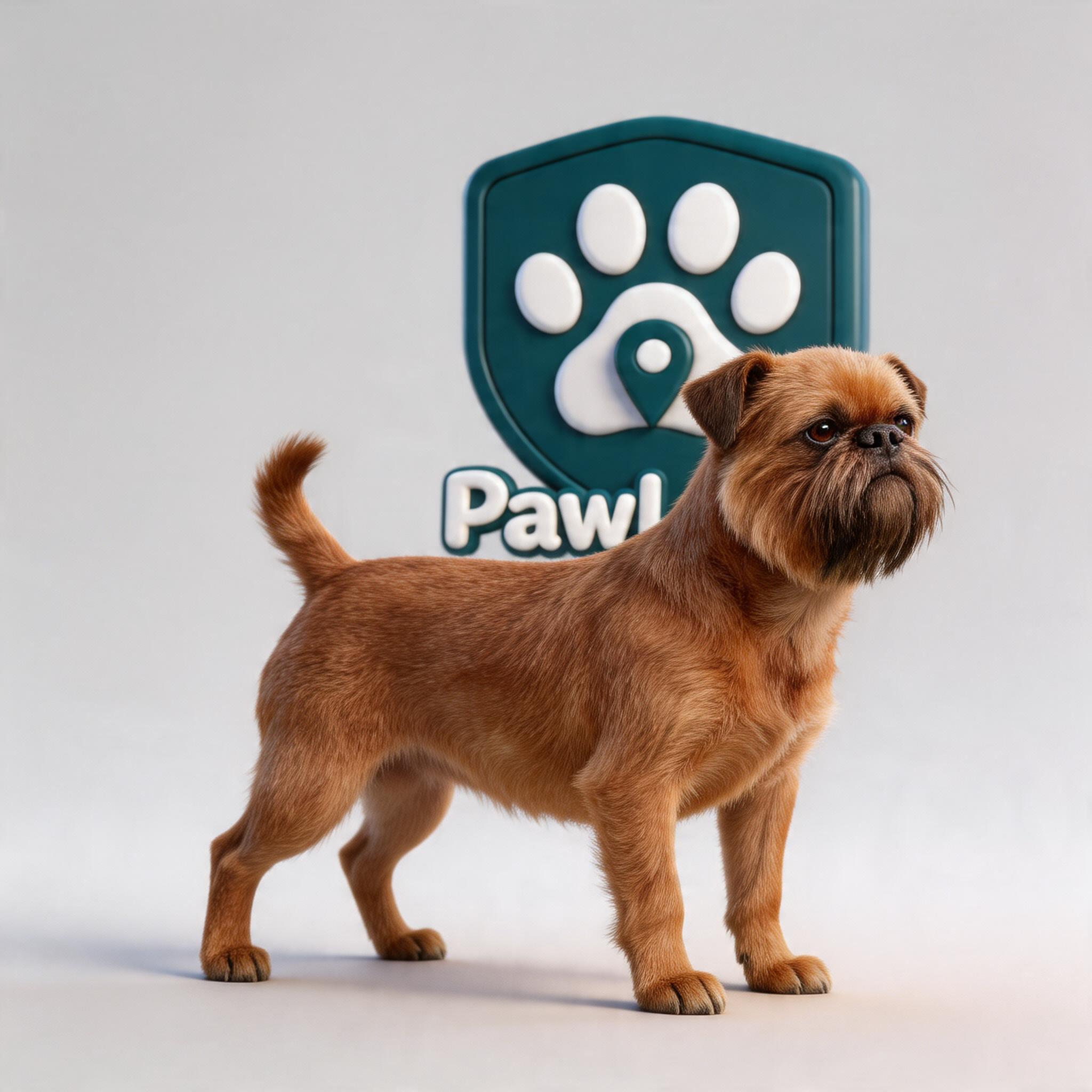
Affenpinscher
A spunky, mischievous toy breed with a monkey-like charm.
Original Role: Companion
💪 Strengths
- + Bold personality in a tiny package
- + Low exercise needs for a small space
⚠️ Weaknesses
- − Can be stubborn and difficult to train
- − Prone to barking at perceived threats
⚡ Quick answers
- Hypoallergenic
- No — wiry coat traps dander
- Size
- 7–10 lb, small
- Lifespan
- 12–15 years
📜 Breed History
The Affenpinscher hails from Germany, with roots tracing back to the 17th century. Their name literally translates to 'monkey terrier,' a nod to their scruffy, simian-like appearance and mischievous demeanor. Originally, these little dogs weren’t just companions—they were hardworking ratters, bred to keep vermin out of homes, stables, and shops. Old German records describe them as fearless little hunters, darting after rodents with a tenacity that belied their size. Their wiry coat and compact build made them agile and tough, perfect for squeezing into tight spaces.
Over time, as urbanization grew, their role shifted from pest control to lapdog. By the late 19th century, Affenpinschers were favorites among European ladies who wanted a portable, quirky companion. They were refined through selective breeding, likely with input from other small breeds like the Brussels Griffon, though their exact lineage isn’t crystal clear. The breed was recognized by the American Kennel Club in 1936, but they’ve remained a bit of a niche choice—probably because their stubborn streak and scrappy attitude aren’t for everyone. Some breeders swear these dogs haven’t lost an ounce of their original spunk, even after centuries of domestication. Today, they’re primarily companions, though they still carry that ratter’s instinct to investigate every nook and cranny.
Affenpinscher: The Cheeky Little Monkey Dog That’ll Steal Your Heart (and Maybe Your Socks)
These pint-sized pups are a whirlwind of personality. They’re often called 'monkey dogs' for their shaggy fur and impish expressions, but it’s their attitude that really seals the deal. They’re not just cute; they’re bold, curious, and sometimes downright ornery. If you’re looking for a dog that’ll keep you on your toes with antics and affection in equal measure, this breed might just be your match. But fair warning: they’re not a pushover, and life with them is never dull.
Temperament & Personality
Living with an Affenpinscher feels like having a tiny comedian in the house—one who doesn’t always know when the joke’s over. They’re fiercely loyal to their people, often picking a favorite human to shadow relentlessly. But that loyalty comes with a side of suspicion toward strangers. Don’t expect them to warm up to the mailman anytime soon; they’ve got a protective streak and a bark that punches way above their weight class.
Their curiosity is endless. Leave a drawer open, and they’ll be nose-deep in it before you can blink. They’re playful, too, often inventing games that involve stealing socks or hiding under furniture to ambush your ankles. But they’ve got a stubborn side. If they don’t feel like doing something, good luck convincing them. They’re not above a dramatic huff or a pointed ignore. And while they can be affectionate, it’s on their terms—cuddles happen when they’re ready, not when you are.
Exercise & Activity Needs
Don’t let their small size fool you into thinking Affenpinschers are couch potatoes. They’ve got a decent amount of energy for a toy breed, and they need regular outlets to burn it off. A couple of short walks each day—think 20 to 30 minutes total—usually does the trick. On quick jaunts around the block, they strut like they own the neighborhood, sniffing every bush with intense focus. They also love indoor play sessions. Toss a toy or set up a little obstacle course, and they’re all in, bounding around with surprising agility.
That said, they’re not marathon runners. Unlike some high-octane breeds, Affenpinschers don’t need hours of exercise. If you skip a walk, they’re not likely to tear up your house in protest, though they might get a bit restless and start poking around for trouble. Mental stimulation is just as important as physical activity for them. Puzzle toys or hide-and-seek games work wonders to keep that busy brain engaged.
Training & Intelligence
Training an Affenpinscher is... an adventure. They’re smart enough to learn commands, no doubt about that. They can be taught to sit, stay, and even roll over with enough patience. But here’s the catch: they’re stubborn as mules. If they don’t see the point of what you’re asking, they’ll give you a look that says, 'Why bother?' and walk off. Consistency is non-negotiable with this breed. You’ve got to be firm but fair, and treats help—lots of treats.
Their independent streak comes from their ratting roots, where they had to think for themselves. That’s great for problem-solving, but not so great for obedience. Housebreaking can be a particular headache. Start training early, keep sessions short to match their attention span, and don’t expect a robot. They’ll learn, but they’ll do it with a side of sass.
Health & Lifespan
Affenpinschers generally live 12 to 15 years, which is a solid span for a small breed. But they’re not without their health quirks. Hip dysplasia, which seems odd for such a tiny dog, can happen due to their structure. Patellar luxation—where the kneecap slips out of place—is another common issue. It’s heartbreaking to see them limp after a playful jump, so regular vet checkups are a must to catch these early.
They’re also prone to dental problems because of their small mouths. Set up rigorous brushing routines to avoid pricey extractions down the line. Heart conditions like murmurs crop up in some lines, too, so ask breeders for cardiac clearances if you’re buying a pup. And while they’re tough little things, their short muzzle can lead to breathing issues in hot or humid weather. Vet bills can add up if issues arise, so pet insurance isn’t a bad idea.
Grooming & Maintenance
That wiry, shaggy coat is part of the Affenpinscher’s charm, but it does take some work. They don’t shed much, which is a blessing for keeping your couch fur-free, but their fur can mat if you neglect it. Brush two to three times a week with a slicker brush to keep tangles at bay. Their facial hair, especially around the eyes and mouth, needs extra attention—food bits get stuck there, and you don’t want a stinky beard on your dog.
Bathing can be monthly or as needed; too often strips their coat of natural oils. Their nails grow fast and need trimming every few weeks to avoid painful overgrowth. And don’t skip the ears—those tufts can trap dirt and lead to infections if not cleaned regularly. Some owners opt for professional grooming every couple of months to maintain that classic 'unkempt but cute' look, which can cost $50 to $80 a pop depending on where you live.
Diet & Nutrition
Feeding an Affenpinscher isn’t complicated, but portion control is key. These little guys can pack on weight if you’re not careful, and extra pounds stress their joints. A high-quality small-breed kibble, split into two meals a day, usually works well—about half a cup total daily, adjusted for weight and activity. Check with your vet to nail down the exact amount.
They’re not picky eaters, but some can be prone to food sensitivities. Treats are fine for training, but keep them minimal—those calories add up fast. And watch out for table scraps; their small size means even a bite of fatty food can upset their stomach. Fresh water, always available, and a dental chew now and then help with those crowded teeth issues.
Living Conditions
Affenpinschers adapt well to small spaces, which makes them a solid pick for apartment dwellers. Many thrive in tiny condos without a yard, as long as they get their daily walks and playtime. They don’t need acres to roam, but they do need a safe space to explore indoors—think clear floors, no dangling cords they can chew. Their small size also means they’re sensitive to extreme temperatures. Bundle them up in a sweater for winter walks because they chill easily, and in summer keep them inside during heatwaves to avoid breathing stress.
They’re happiest with company, so if you’re gone long hours, they might not handle it well. A friend’s Affen started shredding pillows out of loneliness when left alone too often. If you’ve got a yard, fence it securely—these dogs are escape artists with a knack for squeezing through gaps. Urban or suburban, they’ll adjust, but they’re not built for rugged outdoor life.
Who Should Get This Breed
If you’re someone who loves a dog with character, the Affenpinscher could be your perfect companion. They’re ideal for singles or couples in apartments who want a small dog with a big presence. They can bring endless laughter to retirees who enjoy a pet that’s low-maintenance in terms of exercise but high on entertainment. If you’ve got the patience to work through their stubborn moments and appreciate a dog who thinks for itself, you’ll find their loyalty and quirks incredibly rewarding. They’re also a great fit for folks who want a watchdog vibe without the bulk of a larger breed—their bark will alert you to anything amiss.
Who Should NOT Get This Breed
On the flip side, Affenpinschers aren’t for everyone. If you’ve got young kids under six or so, hesitate—these dogs can be snappy if handled roughly, and they don’t always have the patience for toddler antics. They’re also not ideal for first-time dog owners expecting an easy, eager-to-please pup; their training challenges can frustrate the inexperienced. And if you’re away from home a lot or can’t stand barking at every doorbell ring, look elsewhere. Their need for attention and tendency to sound the alarm will wear on you fast if you’re not prepared.
❓ Affenpinscher FAQs
The questions people ask most about the Affenpinscher, answered specifically. Hypoallergenic dogs, explained
Is the Affenpinscher good with children?
Affenpinschers are moderately good with children because their small 7-10 lb size and spunky curiosity make them prone to startling or nipping during rough play. Their history as fearless ratters gives them a bold independence that does not always tolerate the unpredictable movements of toddlers. Owners must manage interactions carefully so the dog's loyal but stubborn nature does not lead to tension in a busy household. (PawLabs child-friendly score: 5/10)
Does the Affenpinscher get along with other pets?
Affenpinschers can get along with other pets when introduced early but their ratter background creates a strong prey drive toward small rodents. The breed's curious and spunky temperament sometimes sparks same-sex tension or possessive behaviour around toys and food. Living with them requires supervision so their loyal focus on one person does not exclude household animals.
How much exercise does the Affenpinscher need?
Affenpinschers need 20-30 minutes of daily exercise split into short walks and indoor play. Their wiry-coated compact build and moderate energy level mean they become restless and inventive with mischief when under-stimulated. Bred originally to dart after vermin in tight spaces, they suit quick obstacle games rather than long runs.
Does the Affenpinscher shed a lot?
Affenpinschers shed lightly year-round rather than seasonally because their medium wire coat lacks a dense undercoat. The rough texture tangles less than longer feathering but still traps dust and debris from their curious investigations. This means the house stays relatively hair-free yet the coat demands regular attention to prevent matting in a small dog's favourite hiding spots.
Is the Affenpinscher hypoallergenic?
The Affenpinscher has a medium wiry coat that sheds lightly and produces less loose hair around the home than many smooth-coated breeds. Its texture can trap dander rather than release it freely, yet no breed is genuinely hypoallergenic and the Affenpinscher is not among those usually suggested to allergy sufferers.
Is the Affenpinscher easy to train?
Affenpinschers are not easy to train because their stubborn independence and original role as self-directed ratters reduce biddability. The spunky curiosity that makes them investigate every drawer also leads them to ignore commands when something more interesting appears. Their loyal attachment to one person can help but the difficult streak demands patient consistency from experienced handlers.
What is the average lifespan of the Affenpinscher?
Affenpinschers live 12-15 years. Their small 7-10 lb build and generally robust health support this range though the breed's energetic curiosity sometimes leads to minor scrapes while exploring tight spaces. The shift from working ratter to companion has not altered their hardy German terrier constitution.
How big does the Affenpinscher get?
Adult Affenpinschers weigh 7-10 lb and stand 9-11.5 in tall. Their compact substance and monkey-like proportions create a sturdy yet portable dog that feels surprisingly solid when it plants itself in a defensive stance. Living with them means sharing furniture and laps with a bold seven-pound personality that takes up more psychological space than its physical footprint suggests.
Does the Affenpinscher bark a lot?
Affenpinschers bark frequently at perceived threats because their history as ratters in homes and stables bred a vigilant protective instinct. The spunky loyalty that makes them shadow one person also fuels suspicion toward strangers and sudden noises. Their bark carries well above their tiny size so apartment neighbours soon learn the monkey dog's opinion of the postman.
Is the Affenpinscher suited to apartment living?
Affenpinschers can live in an apartment because their low exercise needs and small size let them settle indoors once daily short walks are provided. The medium wire coat produces little mess and their adaptability score supports life in smaller spaces. Persistent barking at threats remains the main challenge rather than any lack of room to move.
Is the Affenpinscher a good choice for first-time owners?
Affenpinschers are not a good first dog because their stubborn nature and low trainability demand experience to manage the mischievous independence. The bold personality in a tiny package quickly tests novices when the dog decides which commands it will follow. First-time owners often struggle with the loyal yet selective affection that arrives only on the dog's terms.
Written and reviewed by PawLabs Editorial Team
We build PawLabs from published kennel club breed standards and veterinary reference sources. Profiles are drafted with AI assistance against that source data, then reviewed and corrected by a person before anything is published. We say so because you should know how the thing you're reading was made. How we research breeds · Report a correction
Note: Breed profiles are general reference, not veterinary advice. For anything concerning your own animal, talk to a vet who can examine them.