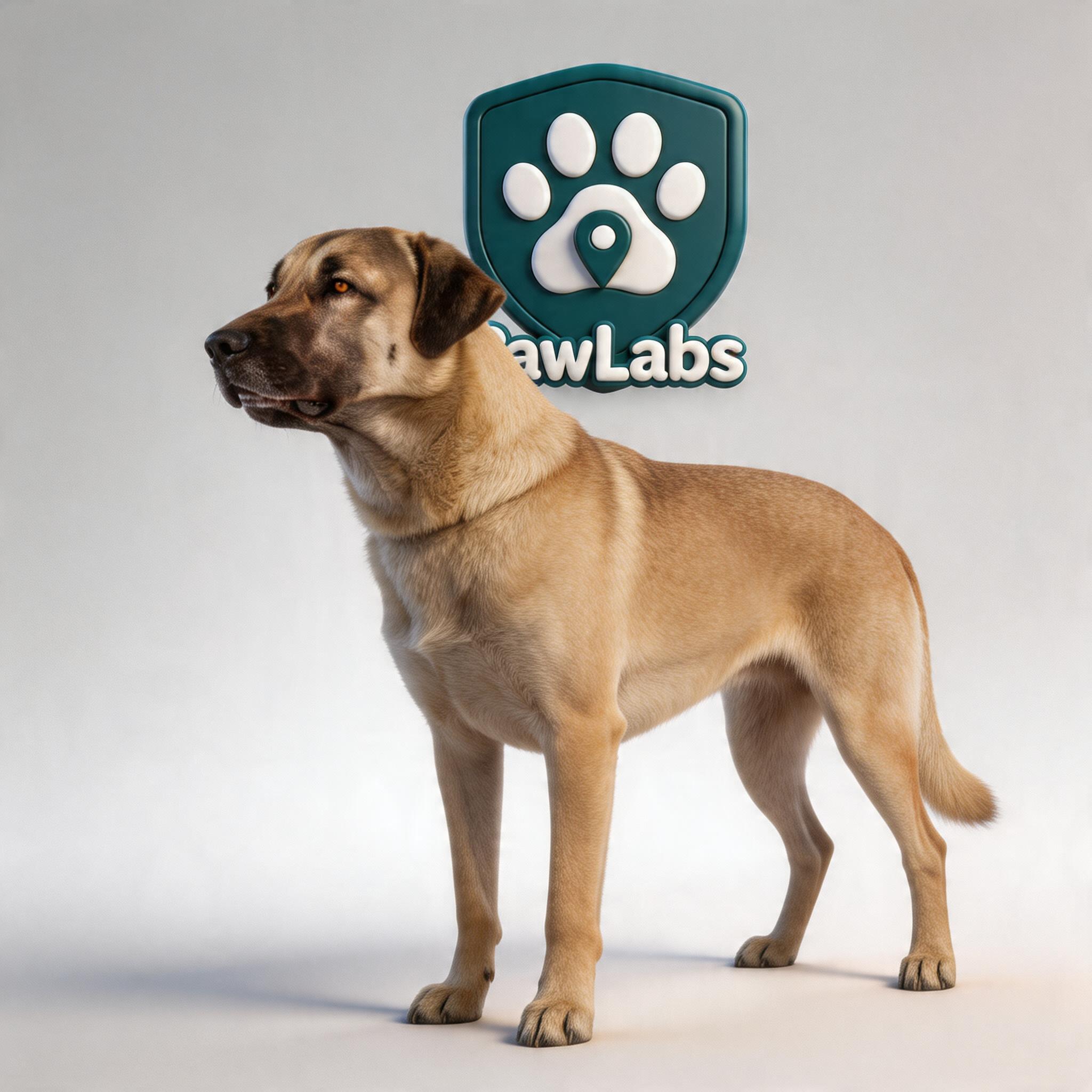
Anatolian Shepherd Dog
A formidable guardian with ancient roots, fiercely loyal yet independent.
Original Role: Livestock guardian
💪 Strengths
- + Exceptional guardian instincts
- + Strong and hardy build
- + Deep loyalty to family
⚠️ Weaknesses
- − Stubborn and resistant to casual training
- − Wary of strangers and other dogs
- − Requires significant space and purpose
📜 Breed History
The Anatolian Shepherd Dog hails from the rugged highlands of Turkey, where it has served as a livestock guardian for thousands of years. Its origins trace back to ancient times, likely descending from the massive Molosser dogs of the Middle East, bred by nomadic shepherds to protect flocks from wolves, bears, and other predators. These dogs weren’t just pets; they were critical to survival in harsh, remote landscapes where threats were constant. The breed’s name reflects its homeland—Anatolia, the vast plateau of central Turkey—where it developed a fierce independence and an almost uncanny ability to assess danger.
Unlike many working breeds shaped by human whims, the Anatolian Shepherd evolved through natural selection and the practical needs of shepherds. By the 20th century, it caught the attention of Western breeders, particularly in the United States, where it was introduced in the 1950s as part of a government program to reduce livestock losses to predators. The American Kennel Club recognized the breed in 1996, but its core purpose hasn’t wavered: this is a guardian through and through, not a herder or a companion in the traditional sense. I’ve spoken with Turkish breeders who still emphasize that these dogs are happiest when they have a job, whether guarding sheep or patrolling a rural property. Their history isn’t one of kennel clubs or show rings—it’s a story of survival and grit.
A Loyal Giant with a Mind of Its Own
I’ve spent enough time around Anatolian Shepherd Dogs to know they’re not for the faint of heart. These are massive, imposing dogs with a stare that can stop you in your tracks, and a protective instinct so ingrained it’s practically in their DNA. I’ve watched an Anatolian stand between a flock of sheep and a curious coyote without so much as a flinch, its low growl sending a clear message: back off. But behind that tough exterior is a dog that bonds deeply with its family—human or animal—and will lay down its life to keep them safe. They’re not cuddly lap dogs, though. If you’re looking for a pet to shower you with constant affection, look elsewhere. This breed is a working guardian, and living with one means embracing their independence, their stubbornness, and their need for purpose.
Temperament & Personality
Living with an Anatolian Shepherd feels like having a silent, stoic bodyguard in the house. They’re not overly demonstrative with their affection, but when they decide you’re their person, that loyalty is unshakable. I’ve seen them curl up near a child they’ve deemed part of their ‘flock,’ watching every move with a quiet intensity. But they’re not pushovers for attention—don’t expect them to beg for pets or wag their tail at every passerby. Their wariness of strangers is legendary; I’ve had friends come over and get the cold shoulder (or a low warning bark) until the dog decided they weren’t a threat.
They’re also incredibly independent thinkers. This isn’t a breed that lives to please you—they live to protect. That means they might ignore your commands if they think they know better, which can be frustrating if you’re not used to it. I remember trying to call one off a perimeter patrol during a thunderstorm; he just looked at me like I was insane for suggesting he abandon his post. Their calm demeanor hides a fierce resolve, and when they’re on alert, you’ll know it—those deep, booming barks aren’t just noise; they’re a warning.
Exercise & Activity Needs
Anatolians aren’t high-energy in the way a Border Collie or a Husky is, but they still need room to roam and a job to do. They were bred to patrol vast territories, often walking miles a day to guard livestock. If you don’t have a large, fenced property or a flock for them to watch over, you’ll need to get creative. I’ve taken them on long, purposeful walks—think 2-3 miles daily—where they can survey their surroundings and feel like they’re on duty. Without that outlet, they can get restless, and a bored Anatolian might start guarding things you don’t want guarded, like the couch or your backyard from the mailman.
They’re not big on fetch or playful romps, though. Their energy is more about steady endurance than bursts of speed. Giving them mental stimulation through a sense of responsibility—whether it’s watching over chickens or accompanying you on a farm—keeps them content. Cramming one into a small space with no outlet for their instincts is a recipe for trouble.
Training & Intelligence
Training an Anatolian Shepherd is a test of patience. They’re smart—scarily so—but they don’t care about pleasing you the way a Lab or a Golden Retriever might. Their intelligence is practical; they’re problem-solvers who’ve been bred to make decisions on their own. I’ve watched one figure out how to open a gate latch to check on a stray lamb, completely ignoring my attempts to redirect him. That independence makes traditional obedience training a challenge. You’re not going to get a dog that sits on command just because you asked nicely.
Early socialization is non-negotiable. Without it, their natural suspicion of strangers and other animals can turn into outright aggression. I’ve worked with owners who skipped this step and ended up with a dog that wouldn’t let anyone near their property. Firm, consistent leadership works best, but you have to earn their respect—they’re not impressed by shouting or treats. Focus on teaching boundaries and reinforcing that you’re the one in charge, not them.
Health & Lifespan
Anatolian Shepherds are generally hardy, built for tough conditions, with a lifespan of 11-13 years. But like many large breeds, they’re prone to hip and elbow dysplasia, which can lead to mobility issues as they age. I’ve known owners who’ve spent thousands on joint surgeries, so screening for these conditions in a pup’s parents is a must. They can also face bloat, a life-threatening condition where the stomach twists—something I’ve seen happen firsthand after a dog ate too quickly post-exercise. Keeping meals small and spaced out helps.
Entropion, where the eyelids roll inward, is another concern; it’s painful and can require surgical correction. Regular vet checkups are key because these dogs often hide discomfort until it’s serious—they’re stoic by nature. Their size means higher food and vet bills, so budget accordingly. They’re not fragile, but when health issues hit, they hit hard.
Grooming & Maintenance
Their double coat is short to medium, designed for harsh climates, and it sheds—a lot. Twice a year, during seasonal changes, you’ll be vacuuming up tumbleweeds of fur. I’ve brushed out an Anatolian and filled a trash bag in one session during peak shedding. Weekly brushing with a good undercoat rake keeps it manageable, but don’t expect a pristine house. Their coat is weather-resistant, so they don’t need frequent baths unless they’ve rolled in something foul on the farm.
Check their ears for infections, especially if they’re outdoors a lot, and trim their nails regularly—their size means overgrown nails can cause real pain. They’re not high-maintenance compared to a long-haired breed, but you’re still signing up for a fair amount of cleanup.
Diet & Nutrition
Feeding an Anatolian Shepherd isn’t cheap. Their size means they can pack away 4-6 cups of high-quality kibble a day, and you’ll want a diet formulated for large breeds to support joint health. I’ve fed mine a mix of dry food and raw meaty bones to mimic their ancestral diet, but you’ve got to watch portions—obesity puts extra strain on their frame. Puppies grow fast, so avoid overfeeding; too much calcium or protein can mess with their development.
They’re prone to bloat, as I mentioned, so split meals into two or three smaller ones and don’t exercise them right after eating. Fresh water is a must, especially if they’re working outdoors. Some owners I’ve talked to swear by slow-feed bowls to prevent gulping. Tailor their diet as they age—seniors need less fat to avoid weight gain.
Living Conditions
These dogs are not apartment material. They need space—think acres, not square feet. I’ve seen an Anatolian pace endlessly in a small yard, clearly frustrated by the lack of territory to patrol. A rural setting with a secure fence is ideal; they’re escape artists if they think there’s something to investigate beyond the boundary. They thrive in cold or temperate climates thanks to their thick coat, but hot, humid areas can be tough—provide shade and water if you’re in a warmer region.
They’re happiest outdoors with a job, not cooped up inside. If you don’t have livestock, they’ll guard your property, but they still need room to move. Urban life just doesn’t suit them—the noise and constant human traffic clash with their protective instincts.
Who Should Get This Breed
If you live on a farm or large rural property and need a guardian for livestock or land, the Anatolian Shepherd is unmatched. They’re perfect for someone experienced with large, independent breeds who understands that this dog isn’t a typical pet. I’ve seen them thrive with owners who give them purpose and respect their need to make decisions. If you’re active, patient, and ready to be a leader, not just a buddy, this breed will reward you with fierce loyalty and protection that’s hard to find elsewhere.
Who Should NOT Get This Breed
If you’re a first-time dog owner, live in a city, or expect a cuddly, obedient companion, steer clear. Anatolians aren’t for small spaces or people who can’t handle a dog that thinks for itself. I’ve met folks who got one thinking it’d be a cool ‘big dog’ to show off, only to realize they couldn’t manage the stubbornness or the suspicion toward strangers. If you don’t have time for socialization, space for exercise, or the will to establish yourself as the alpha, this breed will walk all over you—figuratively and, given their size, sometimes literally.
❓ Anatolian Shepherd Dog FAQs
The questions people ask most, answered from this breed's trait scores.
Is the Anatolian Shepherd Dog good with children?
The Anatolian Shepherd Dog scores 5/10 for child-friendliness, making it usually fine with children who have been taught to handle a dog respectfully. That score reflects the breed's typical temperament, not any individual animal — early socialisation and how the dog was raised matter just as much. Supervise interactions with toddlers whatever the breed.
Does the Anatolian Shepherd Dog get along with other pets?
Scoring 4/10 for pet-friendliness, the Anatolian Shepherd Dog is prone to friction with other animals, and needs careful, slow introductions. Prey drive matters here as well as sociability: breeds built to chase can live happily with a household cat they grew up with and still pursue an unfamiliar one.
How much exercise does the Anatolian Shepherd Dog need?
The Anatolian Shepherd Dog rates 6/10 for energy and needs about an hour a day. The breed was originally developed for livestock guardian, which is where that requirement comes from.
Does the Anatolian Shepherd Dog shed a lot?
At 7/10 for shedding, the Anatolian Shepherd Dog sheds noticeably, and you will find hair on clothes and furniture. It has a short double coat. Worth knowing: low shedding is not the same as hypoallergenic — most people react to proteins in dander and saliva, not to hair itself, so no breed is genuinely allergy-free.
Is the Anatolian Shepherd Dog easy to train?
The Anatolian Shepherd Dog scores 4/10 for trainability, making it independent-minded and slow to comply, which takes patience. It scores 7/10 for intelligence — worth separating from trainability, because a clever breed that has decided not to listen is harder work than a simpler one that wants to.
What is the average lifespan of the Anatolian Shepherd Dog?
The Anatolian Shepherd Dog typically lives 11–13 years. We rate the breed 6/10 for general health robustness. Individual lifespan depends heavily on genetics, weight management and veterinary care.
How big does the Anatolian Shepherd Dog get?
A full-grown Anatolian Shepherd Dog usually weighs 80–150 lbs and stands roughly 27–29 inches at the shoulder. That places it in the large size band. Males generally sit at the upper end of both ranges.
Does the Anatolian Shepherd Dog bark a lot?
Rated 6/10 for barking, the Anatolian Shepherd Dog barks a moderate amount. Training and adequate exercise both reduce nuisance barking, but they will not turn a naturally vocal breed into a silent one.
Is the Anatolian Shepherd Dog suited to apartment living?
The Anatolian Shepherd Dog is a difficult fit for apartment living. It scores 5/10 for adaptability, 6/10 for energy and 6/10 for barking — the three traits that decide this. Floor space matters far less than whether the breed can settle indoors and stay quiet while you are out.
Is the Anatolian Shepherd Dog a good choice for first-time owners?
On balance the Anatolian Shepherd Dog is better suited to someone who has raised a dog before, based on its trainability (4/10), adaptability (5/10) and energy level (6/10). The most common reason a first dog does not work out is a mismatch between the breed's daily needs and the owner's actual routine, rather than anything about the breed itself.
Written and reviewed by PawLabs Editorial Team
We build PawLabs from published kennel club breed standards and veterinary reference sources. Profiles are drafted with AI assistance against that source data, then reviewed and corrected by a person before anything is published. We say so because you should know how the thing you're reading was made. How we research breeds · Report a correction
Note: Breed profiles are general reference, not veterinary advice. For anything concerning your own animal, talk to a vet who can examine them.