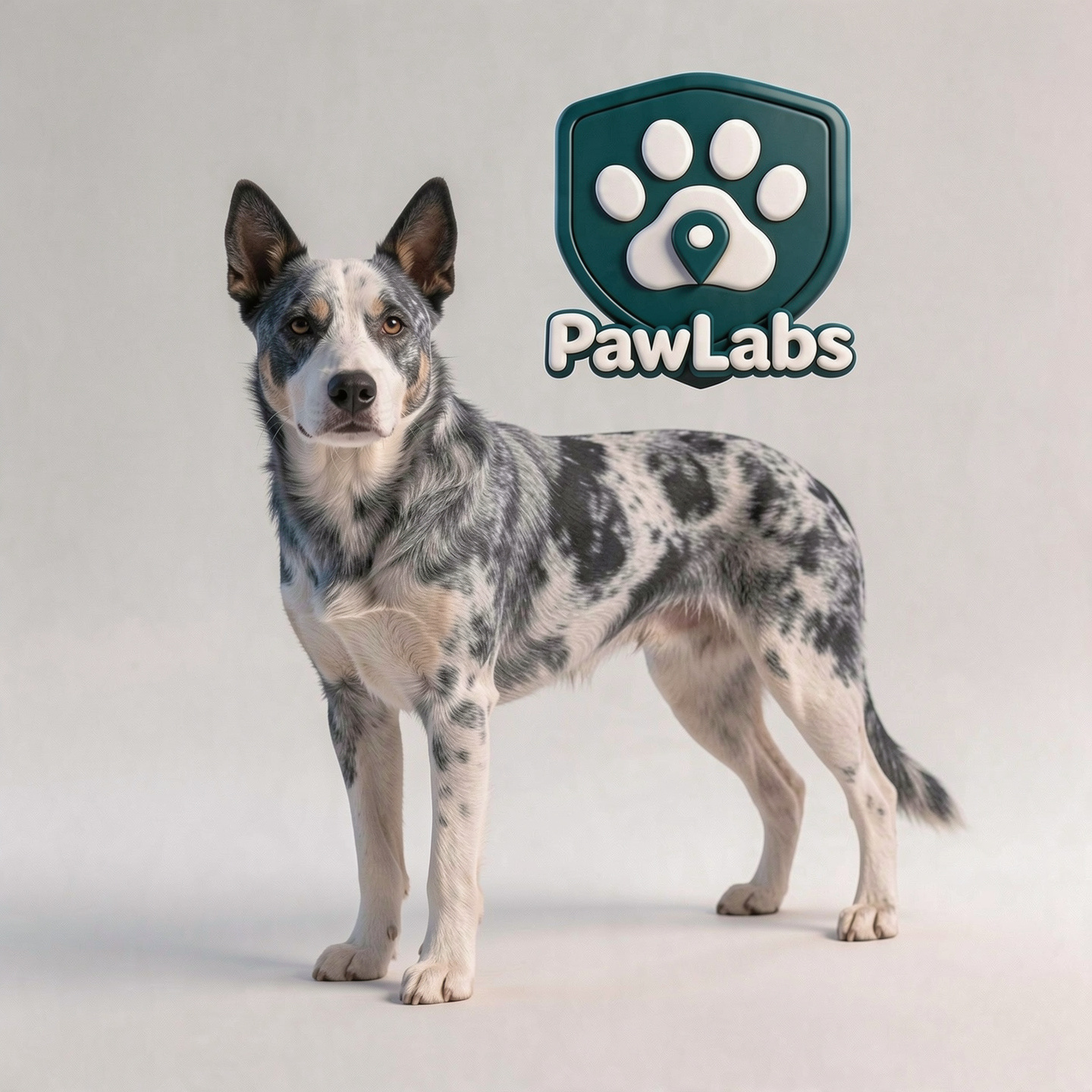
Australian Cattle Dog
A tireless worker with a sharp mind and boundless energy.
Original Role: Herding cattle
💪 Strengths
- + Exceptional intelligence and problem-solving skills
- + Unmatched stamina for work and activity
⚠️ Weaknesses
- − Can be stubborn and independent-minded
- − High energy can lead to destructive behavior if not managed
📜 Breed History
The Australian Cattle Dog, often called the Blue Heeler or Queensland Heeler, was born out of necessity in the vast, rugged outback of Australia during the 19th century. Early European settlers needed a dog that could handle the harsh terrain and grueling work of herding cattle over long distances. The existing British herding dogs, like the Smithfield, struggled in the heat and rough conditions, so breeders began crossing them with the native Dingo, a wild Australian canine known for its endurance and resilience. This mix brought toughness and adaptability to the lineage.
In the 1840s, a man named Thomas Hall played a pivotal role by refining the breed on his New South Wales property, creating what became known as Hall’s Heelers. Later, other breeders added Dalmatian for loyalty and a touch of black-and-tan Kelpie for enhanced herding instincts. The result was a compact, muscular dog with an uncanny ability to nip at cattle heels without getting kicked, all while thriving in brutal climates. By 1893, Robert Kaleski drew up the first breed standard, and in 1903, the Australian Cattle Dog was officially recognized. Their reputation as tireless workers spread globally, and today, they’re celebrated not just as ranch dogs but as loyal, intelligent companions—though their working roots still define their intense drive.
The Australian Cattle Dog: A Relentless Worker with a Mind of Its Own
I’ve spent years around Australian Cattle Dogs, and let me tell you, they’re not for the faint of heart. These dogs are a force of nature—compact bundles of muscle and grit, with eyes that seem to analyze your every move. I’ve watched them outsmart seasoned ranchers and wear out owners who thought a quick walk would suffice. Bred to herd cattle across Australia’s punishing outback, they bring that same relentless drive into your home. They’re brilliant, loyal, and tougher than nails, but they’ll test your patience if you don’t give them a job to do. Living with one feels like having a furry coworker who’s always ready to clock in—whether you are or not.
Temperament & Personality
Day-to-day life with an Australian Cattle Dog is like living with a high-octane puzzle solver. They’re alert to everything—every sound, every movement. I’ve had one wake me at 3 a.m. because a possum dared to cross the yard. Their protective streak runs deep; they bond hard with their family but often give strangers the side-eye until trust is earned. They’re not overly cuddly—don’t expect a lap dog—but they show affection through action, like shadowing you on every chore or leaning into your leg after a long day. Their independence can be a double-edged sword. I’ve seen them decide they know best, ignoring commands if they think there’s a better way. And that herding instinct? It doesn’t switch off. They’ll try to herd your kids, your other pets, even you, with a quick nip at the heels if you’re not moving fast enough.
Exercise & Activity Needs
If you’re not ready to commit to serious exercise, stop reading now. Australian Cattle Dogs have energy levels that can outlast most humans. I’m talking two hours of hard activity daily as a bare minimum—think long runs, intense fetch sessions, or actual herding work if you’ve got livestock. I once knew a young Blue Heeler who, without enough outlet, shredded an entire deck railing in a single afternoon. They were bred to cover miles of rough terrain, and a quick stroll around the block won’t cut it. Mental stimulation is just as critical. Puzzle toys, agility courses, or teaching complex tricks will help tire out their brain. If you’ve got a yard, great, but don’t expect them to entertain themselves—they need you engaged, or they’ll find their own (often destructive) projects.
Training & Intelligence
Training an Australian Cattle Dog is both a thrill and a challenge. Their intelligence is off the charts—I’ve seen them pick up commands after just a few repetitions. They’re problem-solvers, sometimes too much so. I had one figure out how to open a gate latch in under a day. But their smarts come with stubbornness. If they don’t see the point of what you’re asking, good luck getting compliance. You need to be firm, consistent, and creative. Positive reinforcement works best; harsh methods just make them dig in harder. Start early, socialize them with everything and everyone, because their wariness of strangers can turn into aloofness if unchecked. And give them tasks—herding drills, even mock ones, keep them sharp and satisfied. Without mental challenges, they get bored, and a bored Cattle Dog is a recipe for chaos.
Health & Lifespan
Australian Cattle Dogs are generally hardy, with a lifespan of 12 to 16 years, often living on the longer end if well cared for. But they’re not immune to health issues. Hip dysplasia pops up more than I’d like to see; I’ve known a few who started limping by age 8, requiring pricey vet visits or even surgery. Progressive retinal atrophy is another concern—blindness can sneak up on them, and it’s heartbreaking to watch such an active dog lose that edge. Deafness, especially in blue-coated dogs, is also something to test for in puppies. And while they’re tough, their drive can mask pain or injury, so you’ve got to keep a close eye. Regular vet checkups, maybe $300-$500 a year, plus potential costs for joint supplements or eye exams, add up. They’re not the priciest breed to maintain health-wise, but don’t skimp on preventative care.
Grooming & Maintenance
Grooming an Australian Cattle Dog is refreshingly low-key. Their short, double coat is built for weather resistance, not high maintenance. A weekly brush with a slicker or undercoat rake keeps shedding in check, though expect a fur storm twice a year during coat blows. I’ve swept up enough hair to make a second dog during those seasons. Baths? Only when they’ve rolled in something truly foul—otherwise, their coat cleans itself pretty well. Check their ears for dirt after outdoor adventures; their upright shape can trap debris. Nails need trimming every few weeks if they’re not wearing them down naturally on rough terrain. Teeth brushing is a must—neglect that, and tartar builds fast. Honestly, grooming won’t take much of your time, maybe 20 minutes a week, leaving you free to focus on their endless energy.
Diet & Nutrition
Feeding an Australian Cattle Dog isn’t complicated, but it needs thought. They’re high-energy, so a quality, protein-rich diet fuels their lifestyle—think 25-30% protein for adults, more for puppies. I’ve fed mine premium kibble mixed with raw meat, about 2-3 cups daily split into two meals, depending on activity. Watch their weight; they’re lean, muscular dogs, and overfeeding can strain their joints. Puppies grow fast, so don’t skimp on nutrients, but avoid over-supplementing calcium—too much can mess with bone development. They’re not prone to food allergies in my experience, but some can be picky if bored with the same meal. Rotate proteins or add toppers like fish oil for coat health. Budget around $50-$70 monthly for good food, and always keep fresh water handy—they’ll drink a ton after a hard run.
Living Conditions
These dogs can adapt to different setups, but they’re not ideal for everyone’s home. Apartments? Only if you’re committed to hours of outdoor exercise daily. I’ve seen them thrive in small spaces with active owners, but without that outlet, they’ll pace and destroy. A house with a fenced yard is better—they love space to patrol. They’re not dependent on huge areas, though; their herding style is close-quarters, not sprawling. Climate-wise, their double coat handles heat and cold well, a nod to their outback roots, but don’t leave them outside in extremes without shelter. They want to be near you anyway—solitary backyard life makes them anxious. Neighbors might not love their occasional alert barking, so urban settings need extra training focus.
Who Should Get This Breed
If you’re an active, outdoorsy type who thrives on challenges, the Australian Cattle Dog could be your perfect match. I’m thinking of folks with ranches, big properties, or a love for long hikes and dog sports like agility or flyball. They shine with owners who can give them a purpose—whether it’s herding, learning tricks, or just tagging along on every adventure. If you’ve got time to invest in training and a firm hand to match their stubborn streak, you’ll build an unbreakable bond. Families can work too, provided the kids are older or dog-savvy; their energy and herding nips aren’t always toddler-friendly. They’re a dream for someone craving a partner, not just a pet.
Who Should NOT Get This Breed
If you’re a couch potato or gone for long hours, don’t even consider this breed. I’ve seen too many Cattle Dogs end up in shelters because owners underestimated their needs. They’re not for first-time dog owners—their intelligence and willfulness will run circles around you if you’re not experienced. Busy professionals with 9-to-5 jobs and no time for exercise or mental games will find them a nightmare; they get destructive or neurotic without stimulation. If you want a low-energy companion to snooze by your side or a dog that’s instantly friendly with everyone, look elsewhere. And if you’re in a tiny apartment with no access to outdoor space, you’re setting yourself up for frustration. They demand more than most can give.
❓ Australian Cattle Dog FAQs
The questions people ask most, answered from this breed's trait scores.
Is the Australian Cattle Dog good with children?
The Australian Cattle Dog scores 6/10 for child-friendliness, making it usually fine with children who have been taught to handle a dog respectfully. That score reflects the breed's typical temperament, not any individual animal — early socialisation and how the dog was raised matter just as much. Supervise interactions with toddlers whatever the breed.
Does the Australian Cattle Dog get along with other pets?
Scoring 5/10 for pet-friendliness, the Australian Cattle Dog is usually fine with other pets once introduced properly. Prey drive matters here as well as sociability: breeds built to chase can live happily with a household cat they grew up with and still pursue an unfamiliar one.
How much exercise does the Australian Cattle Dog need?
The Australian Cattle Dog rates 9/10 for energy and needs two hours or more a day, every day, including the days you do not feel like it. Under-exercised, this is a breed that finds its own entertainment — usually at the expense of your furniture. The breed was originally developed for herding cattle, which is where that requirement comes from.
Does the Australian Cattle Dog shed a lot?
At 6/10 for shedding, the Australian Cattle Dog sheds a moderate amount year-round. It has a short double coat. Worth knowing: low shedding is not the same as hypoallergenic — most people react to proteins in dander and saliva, not to hair itself, so no breed is genuinely allergy-free.
Is the Australian Cattle Dog easy to train?
The Australian Cattle Dog scores 8/10 for trainability, making it responsive and straightforward to train. It scores 9/10 for intelligence — worth separating from trainability, because a clever breed that has decided not to listen is harder work than a simpler one that wants to.
What is the average lifespan of the Australian Cattle Dog?
The Australian Cattle Dog typically lives 12–16 years. We rate the breed 7/10 for general health robustness. Individual lifespan depends heavily on genetics, weight management and veterinary care.
How big does the Australian Cattle Dog get?
A full-grown Australian Cattle Dog usually weighs 35–50 lbs and stands roughly 17–20 inches at the shoulder. That places it in the medium size band. Males generally sit at the upper end of both ranges.
Does the Australian Cattle Dog bark a lot?
Rated 5/10 for barking, the Australian Cattle Dog barks a moderate amount. Training and adequate exercise both reduce nuisance barking, but they will not turn a naturally vocal breed into a silent one.
Is the Australian Cattle Dog suited to apartment living?
The Australian Cattle Dog is a difficult fit for apartment living. It scores 6/10 for adaptability, 9/10 for energy and 5/10 for barking — the three traits that decide this. Floor space matters far less than whether the breed can settle indoors and stay quiet while you are out.
Is the Australian Cattle Dog a good choice for first-time owners?
On balance the Australian Cattle Dog is manageable for a first-time owner who is willing to put the work in early, based on its trainability (8/10), adaptability (6/10) and energy level (9/10). The most common reason a first dog does not work out is a mismatch between the breed's daily needs and the owner's actual routine, rather than anything about the breed itself.
Written and reviewed by PawLabs Editorial Team
We build PawLabs from published kennel club breed standards and veterinary reference sources. Profiles are drafted with AI assistance against that source data, then reviewed and corrected by a person before anything is published. We say so because you should know how the thing you're reading was made. How we research breeds · Report a correction
Note: Breed profiles are general reference, not veterinary advice. For anything concerning your own animal, talk to a vet who can examine them.