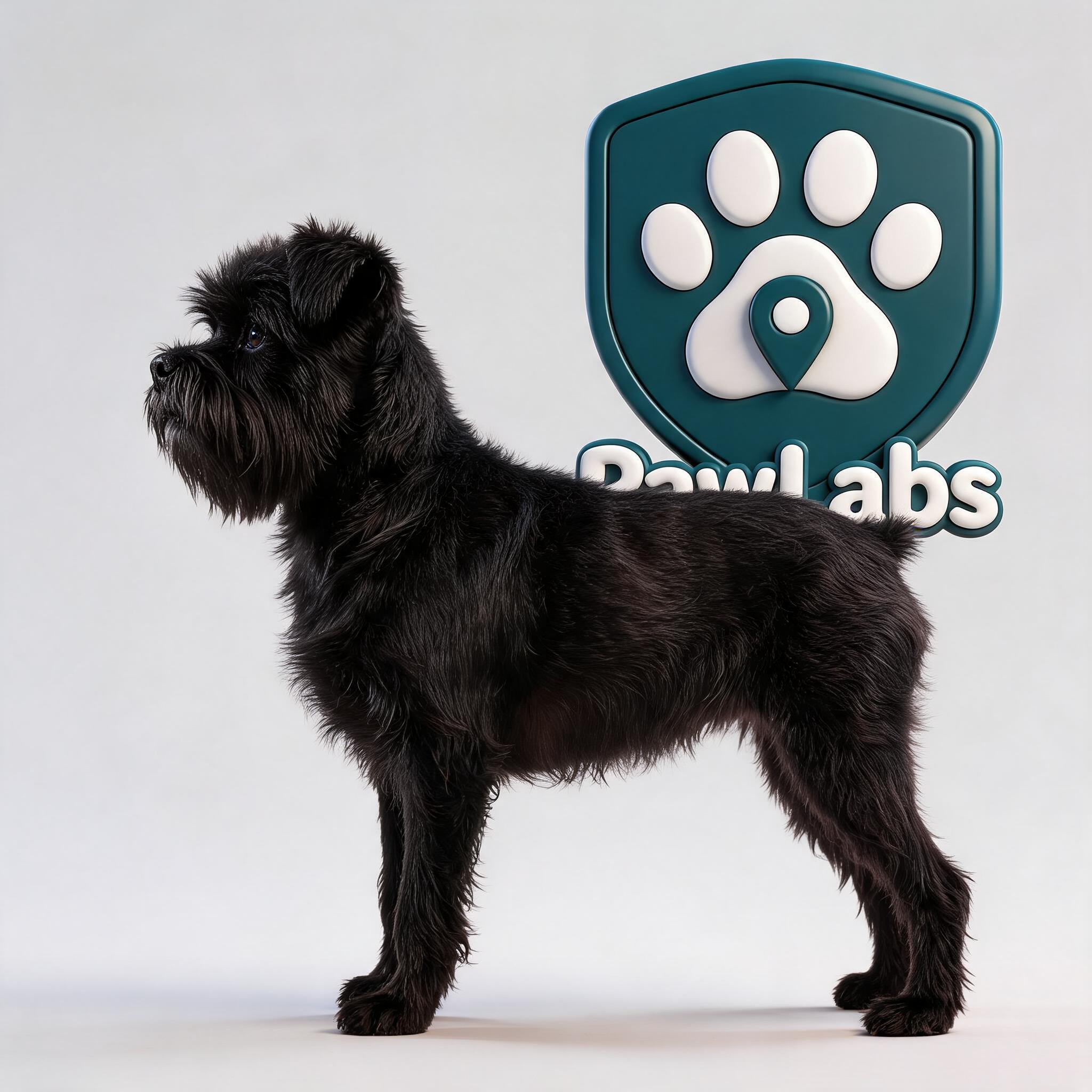
Bearded Collie
A shaggy, energetic herder with boundless enthusiasm and a heart of gold.
Original Role: Herding livestock
💪 Strengths
- + Highly intelligent and trainable for various tasks
⚠️ Weaknesses
- − High energy can be overwhelming without proper outlets
📜 Breed History
The Bearded Collie, often affectionately called the 'Beardie,' hails from the rugged highlands of Scotland, where it was bred as a working dog to herd sheep and cattle through harsh terrain. Its origins trace back several centuries, likely descending from lowland Scottish herding dogs crossed with shaggy-coated breeds brought by traders or invaders—some speculate the influence of Polish Lowland Sheepdogs brought by Polish merchants in the 1500s. The Beardie’s long, weather-resistant coat and tireless work ethic made it indispensable to shepherds navigating wet, windy moors. These dogs weren’t just workers; they were companions, often sleeping alongside their owners in humble crofts.
By the early 20th century, the breed nearly faded into obscurity as modern farming practices reduced the need for traditional herding dogs. Thankfully, a revival began in the 1940s when a Scottish breeder, Mrs. G.O. Willison, took an interest in preserving the Beardie. Her efforts led to the breed’s recognition by the Kennel Club in the UK in 1959, and later by the American Kennel Club in 1976. Today, while still a relatively rare breed, the Bearded Collie is cherished not just for its herding roots but for its exuberant personality and versatility in dog sports like agility and obedience. I’ve met descendants of those early lines at herding trials, and their instinct to move livestock with precision is still sharp, a testament to centuries of selective breeding.
The Bearded Collie: A Shaggy Dynamo with a Herder’s Heart
I’ve spent enough time with Bearded Collies to know they’re not just dogs—they’re whirlwinds of fur and energy with a knack for stealing your heart. Known as 'Beardies' to those of us who’ve fallen for them, these Scottish herders bring a unique mix of intelligence, playfulness, and relentless enthusiasm to every day. I’ve watched a Beardie puppy turn a quiet morning into a full-on obstacle course, bouncing off furniture with the glee of a kid on a sugar high. But beneath that goofy exterior is a dog bred for serious work, and if you don’t give them purpose, they’ll find their own—often at the expense of your garden or favorite shoes. They’re not for the faint of heart, but for the right owner, they’re pure magic.
Temperament & Personality
Living with a Bearded Collie feels like having a perpetual motion machine that also happens to be your best friend. They’re affectionate to a fault, often leaning into you for pets or sprawling across your lap despite their medium size. I’ve had Beardies follow me from room to room, their bright eyes tracking my every move as if I might suddenly need herding. They’re vocal in a chatty way, not so much barking as grumbling or woofing to express excitement or impatience—think of it as their version of a running commentary. With kids, they can be gentle and playful, though their bouncy nature means supervision is wise around toddlers. They’ve got a clownish streak too; I’ve seen a Beardie at a dog park steal a frisbee just to prance around showing off, tail wagging like a metronome. But they’re not all sunshine—they can be stubborn when bored, and their herding instincts might lead them to nudge or nip at heels if not channeled properly.
Exercise & Activity Needs
If you’re not ready to keep up with a dog that seems powered by an endless battery, think twice about a Beardie. These dogs were bred to trot alongside flocks for hours in the Scottish highlands, and that stamina hasn’t gone anywhere. I’ve taken Beardies on 5-mile hikes and come home to find them still zooming around the yard, begging for a game of fetch. They need at least an hour of vigorous exercise daily—think long walks, runs, or play sessions that engage both body and mind. Without it, they’ll get restless, and I’ve seen that manifest as chewed-up baseboards or relentless pacing. Dog sports like agility or herding trials are gold for this breed; I’ve watched Beardies light up when given a job, their focus laser-sharp as they navigate a course. A tired Beardie is a happy Beardie, and trust me, you’ll need to work for that.
Training & Intelligence
Bearded Collies are brainy, no question. Their intelligence ranks up there with the best herding breeds, and I’ve seen them pick up commands in days that would take other dogs weeks. They’re problem-solvers, sometimes to a fault—leave a gate unlatched, and a Beardie might figure out how to open it just for the adventure. Training them is a joy if you’re consistent and positive; they respond to praise and treats like it’s their life’s mission to make you happy. But they’ve got a stubborn streak, especially if they sense you’re not in charge. I’ve had to outsmart a Beardie pup who decided halfway through a recall that chasing a squirrel was more interesting. Start early, keep sessions short and engaging, and tap into their love of work. They excel in obedience and agility, but without mental stimulation, that big brain can turn to mischief.
Health & Lifespan
Bearded Collies generally live 12 to 14 years, a decent span for a medium-sized breed, but they’re not without health challenges. Hip dysplasia can crop up, something I’ve seen sideline otherwise active Beardies with painful limping if not caught early. They’re also prone to autoimmune conditions like Addison’s disease, which can be a sneaky, expensive diagnosis requiring lifelong meds. Eye issues, particularly progressive retinal atrophy, are another concern— I’ve known owners who’ve had to adjust their homes as their Beardie’s vision faded. Thyroid problems and allergies can also plague them, often showing up as itchy skin or ear infections. Regular vet checkups and a good breeder who screens for these issues are non-negotiable. Budget for potential costs; I’ve seen vet bills for chronic conditions stack up fast with this breed. They’re not fragile, but they’re not bulletproof either.
Grooming & Maintenance
That glorious, shaggy coat is a Beardie’s trademark, but it’s also a commitment. Their double coat—soft undercoat beneath a harsh, long outer layer—tangles easily, especially around the legs and underbelly. I’ve spent hours brushing out mats after a Beardie rolled in muddy grass, and trust me, it’s not a quick task. Plan on brushing two to three times a week, more during shedding season in spring and fall when tufts of fur will decorate your floors. Baths every six weeks or so keep them clean, but over-bathing can dry out their skin. Their beard (yes, it’s where the name comes from) often gets messy with food or water, so a quick wipe after meals helps. Nails, ears, and teeth need regular attention too—I’ve seen neglected ears turn into smelly infections. It’s not low-maintenance, but their scruffy charm is worth the effort if you’re prepared.
Diet & Nutrition
Feeding a Bearded Collie isn’t rocket science, but their energy levels mean they burn through calories fast. A high-quality kibble or raw diet suited for active, medium-sized dogs usually does the trick, portioned to their weight—around 2 to 3 cups of dry food daily, split into two meals. I’ve fed Beardies a mix of kibble and fresh protein like chicken, and they thrive on it, coats glossy and energy steady. Puppies need more frequent meals to fuel growth, while seniors might need joint-supporting formulas with glucosamine. Watch for food allergies, though; I’ve known Beardies who scratch endlessly until switched to a limited-ingredient diet. They’re not usually picky, but they’ll wolf down anything if you let them—keep an eye on portions to avoid a pudgy herder. Fresh water is a must, especially after they’ve been running circles around you.
Living Conditions
Bearded Collies can adapt to various setups, but they’re not ideal for tiny apartments unless you’re committed to daily outdoor adventures. They do best in homes with a fenced yard where they can burn off steam— I’ve seen a Beardie turn a small backyard into a racetrack, darting back and forth for the sheer joy of it. Their thick coat handles cold, damp weather like champs (thank you, Scottish roots), but they can overheat in hot, humid climates if not given shade and water. They’re social dogs who hate being left alone for long stretches; I’ve come home to a Beardie who’d howled the house down out of sheer loneliness. They need to be near their people, so a busy household or someone home often suits them best. Rural or suburban life with space to roam is their sweet spot.
Who Should Get This Breed
If you’re an active person or family with time to dedicate, a Bearded Collie could be your perfect match. They shine with owners who love outdoor activities—think hikers, runners, or folks with land where a dog can explore safely. I’ve seen them bond deeply with families who include them in everything, from camping trips to backyard games. If you’re into dog sports or training, their intelligence and eagerness will keep you both challenged and entertained. They’re a fantastic choice for someone who wants a loyal, affectionate companion with a quirky personality, provided you can match their pace. A Beardie will thrive with an owner who sees their energy not as a burden, but as an invitation to adventure.
Who Should NOT Get This Breed
Bearded Collies aren’t for everyone, and I’ll be blunt about it. If you’re a couch potato or work long hours with no time for exercise, this breed will frustrate you—and likely destroy your home in the process. I’ve met owners who underestimated the Beardie’s needs and ended up with a bored, destructive dog. They’re not suited for people who want a low-maintenance pet; the grooming alone can be a dealbreaker if you’re not up for regular brushing. If you live in a small space with no access to outdoor areas, or if you can’t handle a dog that might herd your guests by nipping at ankles, look elsewhere. They’re wonderful, but they demand an owner as energetic and committed as they are.
❓ Bearded Collie FAQs
The questions people ask most, answered from this breed's trait scores.
Is the Bearded Collie good with children?
The Bearded Collie scores 7/10 for child-friendliness, making it a good match for families with children. That score reflects the breed's typical temperament, not any individual animal — early socialisation and how the dog was raised matter just as much. Supervise interactions with toddlers whatever the breed.
Does the Bearded Collie get along with other pets?
Scoring 7/10 for pet-friendliness, the Bearded Collie is generally sociable with other dogs and cats. Prey drive matters here as well as sociability: breeds built to chase can live happily with a household cat they grew up with and still pursue an unfamiliar one.
How much exercise does the Bearded Collie need?
The Bearded Collie rates 8/10 for energy and needs at least an hour to 90 minutes a day, and it should be real exercise rather than a stroll. Under-exercised, this is a breed that finds its own entertainment — usually at the expense of your furniture. The breed was originally developed for herding livestock, which is where that requirement comes from.
Does the Bearded Collie shed a lot?
At 6/10 for shedding, the Bearded Collie sheds a moderate amount year-round. It has a long double coat. Worth knowing: low shedding is not the same as hypoallergenic — most people react to proteins in dander and saliva, not to hair itself, so no breed is genuinely allergy-free.
Is the Bearded Collie easy to train?
The Bearded Collie scores 8/10 for trainability, making it responsive and straightforward to train. It scores 9/10 for intelligence — worth separating from trainability, because a clever breed that has decided not to listen is harder work than a simpler one that wants to.
What is the average lifespan of the Bearded Collie?
The Bearded Collie typically lives 12–14 years. We rate the breed 6/10 for general health robustness. Individual lifespan depends heavily on genetics, weight management and veterinary care.
How big does the Bearded Collie get?
A full-grown Bearded Collie usually weighs 45–55 lbs and stands roughly 20–22 inches at the shoulder. That places it in the medium size band. Males generally sit at the upper end of both ranges.
Does the Bearded Collie bark a lot?
Rated 5/10 for barking, the Bearded Collie barks a moderate amount. Training and adequate exercise both reduce nuisance barking, but they will not turn a naturally vocal breed into a silent one.
Is the Bearded Collie suited to apartment living?
The Bearded Collie is a difficult fit for apartment living. It scores 7/10 for adaptability, 8/10 for energy and 5/10 for barking — the three traits that decide this. Floor space matters far less than whether the breed can settle indoors and stay quiet while you are out.
Is the Bearded Collie a good choice for first-time owners?
On balance the Bearded Collie is manageable for a first-time owner who is willing to put the work in early, based on its trainability (8/10), adaptability (7/10) and energy level (8/10). The most common reason a first dog does not work out is a mismatch between the breed's daily needs and the owner's actual routine, rather than anything about the breed itself.
Written and reviewed by PawLabs Editorial Team
We build PawLabs from published kennel club breed standards and veterinary reference sources. Profiles are drafted with AI assistance against that source data, then reviewed and corrected by a person before anything is published. We say so because you should know how the thing you're reading was made. How we research breeds · Report a correction
Note: Breed profiles are general reference, not veterinary advice. For anything concerning your own animal, talk to a vet who can examine them.