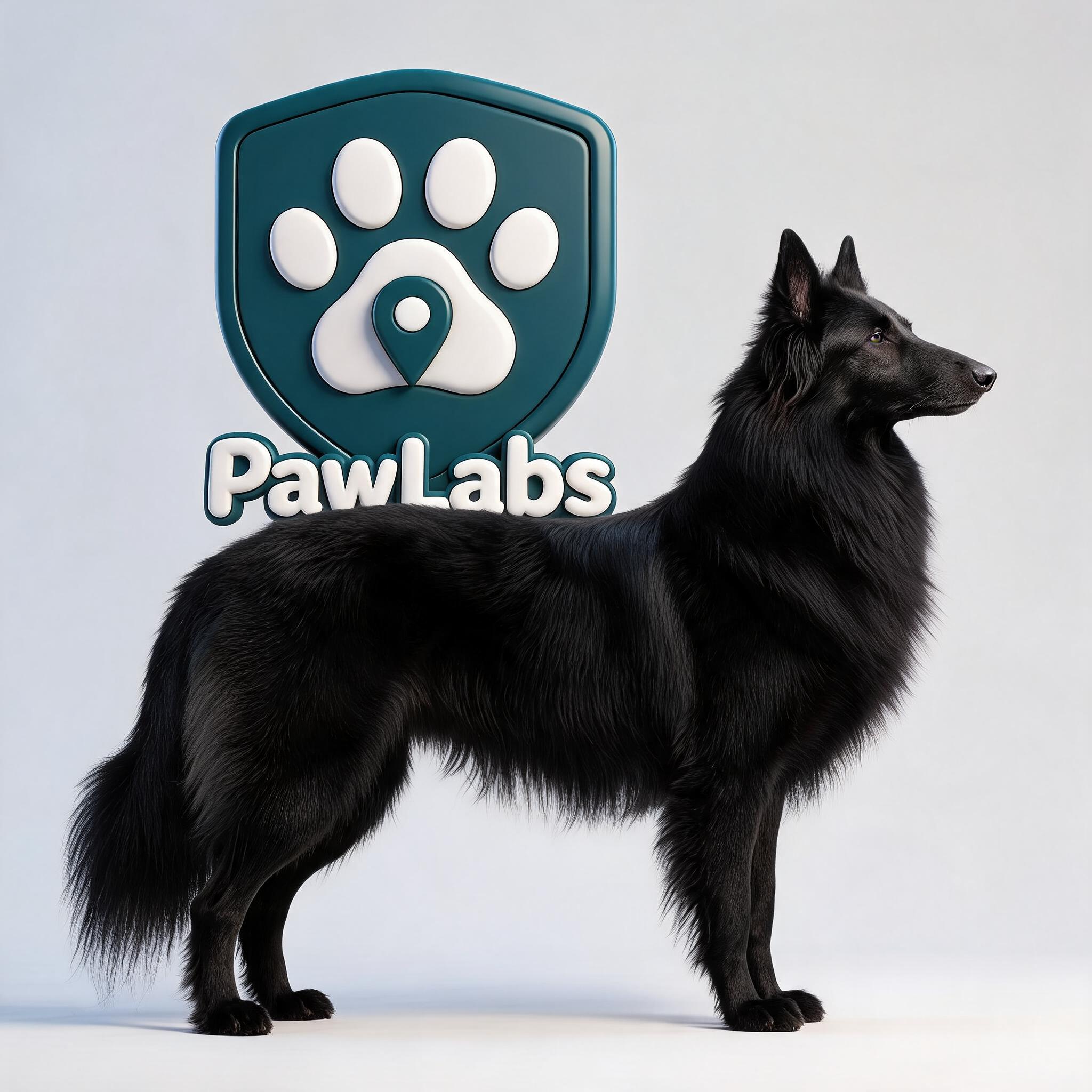
Belgian Sheepdog
A vigilant, elegant herder with intense energy and loyalty.
Original Role: Herding livestock, guarding
💪 Strengths
- + Exceptional work ethic and trainability
- + Strong loyalty to family
⚠️ Weaknesses
- − High energy can lead to destructive behavior if under-exercised
- − Can be wary of strangers or overly protective
📜 Breed History
The Belgian Sheepdog, also known as the Groenendael, hails from Belgium and is one of four distinct varieties of Belgian herding dogs developed in the late 19th century. Their story begins in the rural fields of Europe, where they were bred for their skill in herding sheep and guarding livestock. The breed’s development is credited to Nicolas Rose, a breeder from Groenendael, Belgium, who established the long-haired black variety we know today. His foundational dogs, Picard and Petite, set the standard for the breed’s striking black coat and elegant frame.
By the 1890s, these dogs were gaining recognition not just for herding but for their versatility in police work, search and rescue, and even wartime service. During World War I, Belgian Sheepdogs served as messengers and ambulance dogs on the front lines, showcasing their intelligence and courage. The American Kennel Club recognized the breed in 1912, though they were initially grouped with other Belgian herding varieties before being distinguished as the Belgian Sheepdog. Their original purpose as working dogs remains evident in their high energy and need for mental stimulation, traits that have made them excel in modern roles like agility and obedience competitions.
The Belgian Sheepdog: A Tireless Protector with a Heart of Gold
I’ve spent years around Belgian Sheepdogs, and let me tell you, they are not your average family pet. They’re a force of nature—elegant, intense, and wired for work. I’ve watched these dogs herd imaginary sheep in a suburban backyard at 6 a.m., pacing with a focus that’s almost eerie. They’ve got a deep loyalty that makes them glue themselves to your side, but that same devotion means they’ll size up strangers with a skeptical eye. If you’re looking for a dog that’s both a guardian and a thinker, this breed will steal your heart. But fair warning: they’ll also test your patience if you don’t keep up with their needs.
Temperament & Personality
Living with a Belgian Sheepdog is like having a shadow that’s always three steps ahead of you. They’re incredibly alert, often noticing a squirrel or a delivery truck before you’ve even registered the sound. I’ve had owners tell me their Sheepdog will stand at the window, ears pricked, for minutes on end, just waiting for something to guard against. They’re protective by nature, which makes them fantastic watchdogs, but it also means they can be reserved or even suspicious around new people. Socialization from puppyhood is non-negotiable—I’ve seen shy Sheepdogs turn into anxious barkers without it.
With their family, though, they’re a different story. They’ve got a quiet affection, often leaning against your leg or resting their head on your lap after a long day. I remember one particular dog, Max, who would gently nudge his owner’s hand every evening as if to say, 'I’ve got your back, but I need a pat for my efforts.' They’re not overly cuddly like some breeds, but their loyalty runs bone-deep. Be prepared for a dog that thrives on being part of your daily routine—they’ll mope if left alone too long, sometimes resorting to chewing or pacing to vent their frustration.
Exercise & Activity Needs
If you’re not ready to commit to serious exercise, stop reading now. Belgian Sheepdogs are high-octane. I’m talking about a breed that needs at least an hour or two of vigorous activity every single day—think long runs, intense fetch sessions, or structured agility work. I’ve taken these dogs on hikes and watched them bound ahead, barely breaking a sweat after miles, while I’m gasping for air. Without that outlet, their energy turns inward, and I’ve seen the aftermath: shredded couch cushions, dug-up gardens, and endless barking.
They’re not just physically demanding; their minds need a workout too. Puzzle toys, obedience drills, or even teaching them to herd (yes, even in a backyard) keeps them sane. I once worked with a family who enrolled their Sheepdog in a herding class just to burn off steam—it was like flipping a switch. The dog went from restless to content overnight. If you’re not active or don’t have time for daily challenges, this breed will run circles around you—literally.
Training & Intelligence
Training a Belgian Sheepdog is a joy and a test of your own wits. They’re brilliant, picking up commands faster than almost any breed I’ve worked with. I’ve taught them complex tasks like opening doors or retrieving specific items in under a week. Their herding background means they’re wired to follow direction, but only if they respect you. Consistency is everything—waver for a moment, and they’ll sense it. I’ve had a young Sheepdog test me by ignoring a 'sit' command just to see if I’d enforce it. I did, and we were golden after that.
They excel in obedience, agility, and even protection sports, but their sensitivity means harsh methods backfire. Yell at them, and they’ll shut down or get anxious. Positive reinforcement, clear boundaries, and early socialization are the way to go. Without mental stimulation, though, that intelligence turns to mischief. I’ve seen them figure out how to unlatch gates or raid cabinets if bored. Keep their brain busy, or they’ll find their own entertainment.
Health & Lifespan
Belgian Sheepdogs generally live 12 to 14 years, which is decent for a large breed, but they’re not without health concerns. Hip and elbow dysplasia are common—I’ve known several dogs who developed limps by age 8, requiring pricey surgeries or lifelong joint supplements. Eye issues like progressive retinal atrophy can crop up too, so regular vet screenings are a must. I always advise owners to budget for potential vet bills; a single hip surgery can set you back thousands.
Epilepsy is another worry I’ve encountered more than once with this breed. Watching a dog have a seizure is heartbreaking, and managing it often means daily medication and close monitoring. They’re also prone to bloat, a life-threatening condition where the stomach twists, so feeding smaller meals and avoiding vigorous exercise right after eating is critical. Finding a breeder who tests for these conditions is non-negotiable—don’t skimp on that research, or you might end up with a dog facing preventable issues.
Grooming & Maintenance
That glossy black coat is stunning, but it’s a magnet for dirt and a shedding machine. Belgian Sheepdogs have a dense double coat that blows out twice a year, and I’ve swept up enough fur during those seasons to make a second dog. Weekly brushing—sometimes daily during shedding—keeps the hair tumbleweeds at bay. I’ve found a good undercoat rake works wonders to get at the fluff without irritating their skin.
Baths aren’t needed often unless they’ve rolled in something foul, which they might, given their love of outdoor exploration. Their ears need checking for wax buildup, and nails should be trimmed regularly since their active lifestyle doesn’t always wear them down naturally. I’ve had owners overlook dental care, only to face pricey cleanings later—brush their teeth a few times a week, and you’ll save yourself a headache. Grooming isn’t overwhelming, but it’s a commitment if you want them looking sharp.
Diet & Nutrition
Feeding a Belgian Sheepdog means fueling a high-energy machine. They do best on a high-quality diet rich in protein to support their active lifestyle, usually 2 to 3 cups of kibble daily, split into two meals to reduce bloat risk. I’ve worked with owners who switched to raw or homemade diets with great results, though it’s not for everyone due to cost and prep time. Puppies need careful portion control to avoid rapid growth, which can stress their joints—I’ve seen overfed pups develop skeletal issues by adulthood.
They’re not typically picky eaters, but some can be sensitive to certain ingredients, leading to itchy skin or upset stomachs. I had one dog who couldn’t tolerate chicken-based foods; switching to fish solved the problem. Keep an eye on their weight—despite their energy, they can pack on pounds if overfed, especially as they age and slow down a bit. Fresh water and occasional healthy treats like carrots keep them happy without overloading on calories.
Living Conditions
Belgian Sheepdogs aren’t built for small spaces. An apartment? Forget it unless you’re out for hours daily at a dog park. They thrive in homes with a fenced yard where they can patrol and burn energy. I’ve seen them pace endlessly in cramped quarters, a clear sign they’re miserable. They need room to roam and a cool climate—their thick coat makes hot, humid areas a struggle. I’ve known dogs in southern states who overheat just from a short walk in summer.
They’re adaptable to family life if given outlets for their energy, but they’re happiest with active owners who include them in outdoor adventures. Leaving them alone for long stretches is a recipe for anxiety or destruction. I’ve had a friend come home to a dismantled sofa after leaving their Sheepdog solo for 8 hours. If you’re gone all day, arrange a dog walker or daycare—they need interaction as much as space.
Who Should Get This Breed
If you’re an active person with a passion for training and outdoor life, the Belgian Sheepdog could be your perfect match. They’re ideal for hikers, runners, or anyone involved in dog sports like agility or obedience. I’ve seen them thrive with owners who treat them like partners, involving them in every task from yard work to camping trips. Families with older kids who can handle their intensity also do well, provided everyone’s on board with their exercise needs. If you’ve got time to invest in mental stimulation and want a dog that’s both a protector and a companion, you’ll find few breeds as rewarding.
Who Should NOT Get This Breed
If you’re a couch potato or have a packed schedule that leaves little time for a dog, steer clear. Belgian Sheepdogs demand engagement—physical and mental—and I’ve seen them spiral into destructive habits with owners who can’t keep up. They’re not great for first-time dog owners either; their intelligence and sensitivity require experience to manage. If you live in a tiny space or a scorching climate, they’ll struggle. And if you want a dog that’s instantly friendly with everyone or content to laze around, look elsewhere—I’ve watched these dogs overwhelm shy owners with their intensity and protective streak. They’re a commitment, not a casual choice.
❓ Belgian Sheepdog FAQs
The questions people ask most, answered from this breed's trait scores.
Is the Belgian Sheepdog good with children?
The Belgian Sheepdog scores 6/10 for child-friendliness, making it usually fine with children who have been taught to handle a dog respectfully. That score reflects the breed's typical temperament, not any individual animal — early socialisation and how the dog was raised matter just as much. Supervise interactions with toddlers whatever the breed.
Does the Belgian Sheepdog get along with other pets?
Scoring 5/10 for pet-friendliness, the Belgian Sheepdog is usually fine with other pets once introduced properly. Prey drive matters here as well as sociability: breeds built to chase can live happily with a household cat they grew up with and still pursue an unfamiliar one.
How much exercise does the Belgian Sheepdog need?
The Belgian Sheepdog rates 9/10 for energy and needs two hours or more a day, every day, including the days you do not feel like it. Under-exercised, this is a breed that finds its own entertainment — usually at the expense of your furniture. The breed was originally developed for herding livestock, guarding, which is where that requirement comes from.
Does the Belgian Sheepdog shed a lot?
At 7/10 for shedding, the Belgian Sheepdog sheds noticeably, and you will find hair on clothes and furniture. It has a long double coat. Worth knowing: low shedding is not the same as hypoallergenic — most people react to proteins in dander and saliva, not to hair itself, so no breed is genuinely allergy-free.
Is the Belgian Sheepdog easy to train?
The Belgian Sheepdog scores 9/10 for trainability, making it exceptionally trainable, and happiest when it has something to learn. It scores 9/10 for intelligence — worth separating from trainability, because a clever breed that has decided not to listen is harder work than a simpler one that wants to.
What is the average lifespan of the Belgian Sheepdog?
The Belgian Sheepdog typically lives 12–14 years. We rate the breed 6/10 for general health robustness. Individual lifespan depends heavily on genetics, weight management and veterinary care.
How big does the Belgian Sheepdog get?
A full-grown Belgian Sheepdog usually weighs 45–75 lbs and stands roughly 22–26 inches at the shoulder. That places it in the large size band. Males generally sit at the upper end of both ranges.
Does the Belgian Sheepdog bark a lot?
Rated 6/10 for barking, the Belgian Sheepdog barks a moderate amount. Training and adequate exercise both reduce nuisance barking, but they will not turn a naturally vocal breed into a silent one.
Is the Belgian Sheepdog suited to apartment living?
The Belgian Sheepdog is a difficult fit for apartment living. It scores 6/10 for adaptability, 9/10 for energy and 6/10 for barking — the three traits that decide this. Floor space matters far less than whether the breed can settle indoors and stay quiet while you are out.
Is the Belgian Sheepdog a good choice for first-time owners?
On balance the Belgian Sheepdog is manageable for a first-time owner who is willing to put the work in early, based on its trainability (9/10), adaptability (6/10) and energy level (9/10). The most common reason a first dog does not work out is a mismatch between the breed's daily needs and the owner's actual routine, rather than anything about the breed itself.
Written and reviewed by PawLabs Editorial Team
We build PawLabs from published kennel club breed standards and veterinary reference sources. Profiles are drafted with AI assistance against that source data, then reviewed and corrected by a person before anything is published. We say so because you should know how the thing you're reading was made. How we research breeds · Report a correction
Note: Breed profiles are general reference, not veterinary advice. For anything concerning your own animal, talk to a vet who can examine them.