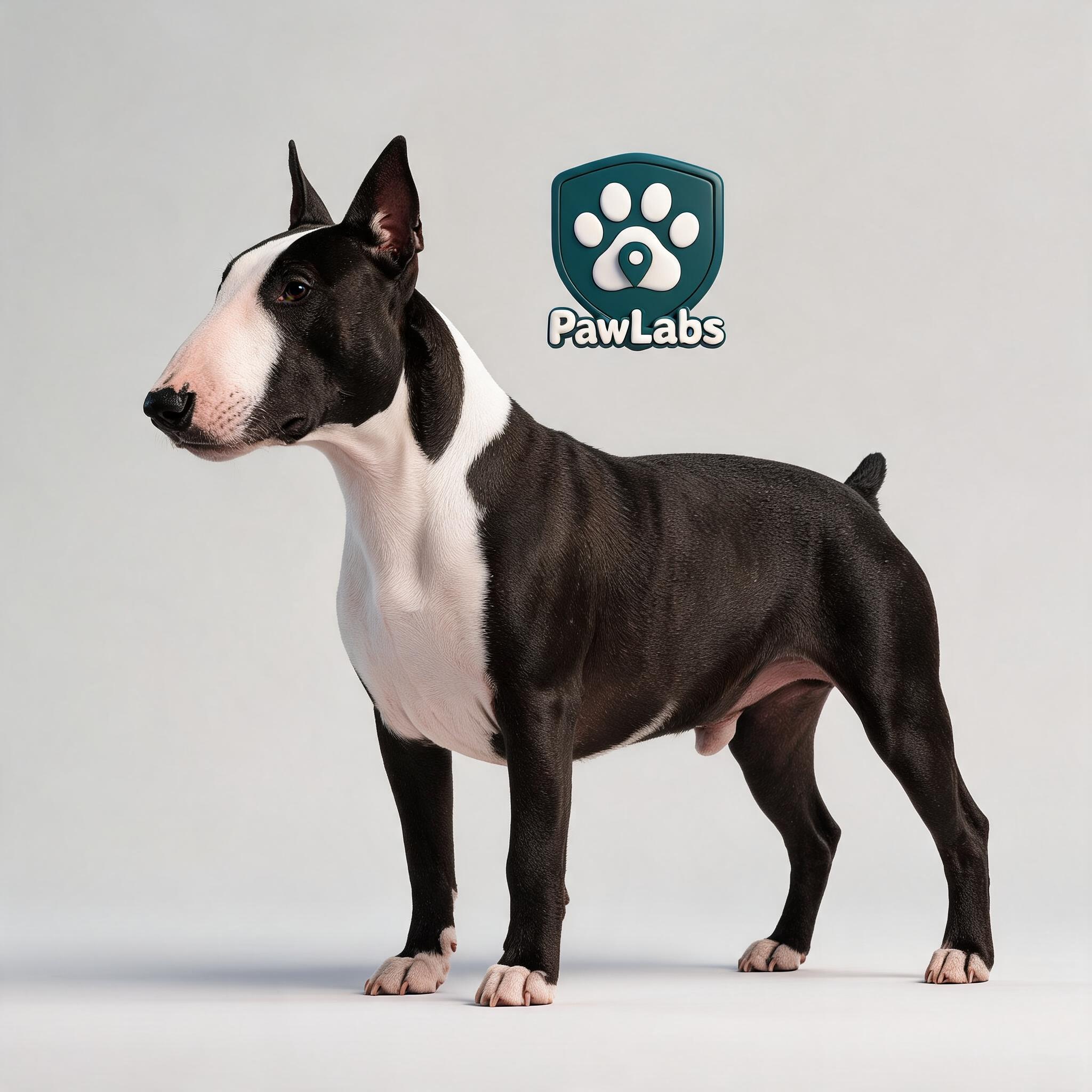
American Hairless Terrier
A spunky, hairless dynamo with boundless energy and a knack for mischief.
Original Role: Ratting and companion
💪 Strengths
- + Low grooming needs due to hairless coat
- + Excellent for allergy sufferers
⚠️ Weaknesses
- − Prone to skin irritations
- − High energy can be overwhelming
⚡ Quick answers
- Sheds
- Virtually none
- Hypoallergenic
- Among those suggested
- Barks
- Frequently when alert
- Size
- 12–16 lb, small
- Lifespan
- 14–16 years
📜 Breed History
The American Hairless Terrier is a unique and relatively modern breed with roots in the United States. Its story begins in the 1970s in Louisiana, when a hairless puppy named Josephine was born in a litter of Rat Terriers. Her owners, Edwin and Willie Scott, were intrigued by her lack of fur and decided to breed her, hoping to establish a hairless line. This marked the beginning of the American Hairless Terrier as we know it today. Originally derived from Rat Terriers, the breed inherited their tenacity and ratting instincts, but the hairless trait became the defining characteristic. The mutation for hairlessness was a natural occurrence, not a product of crossbreeding with other hairless breeds like the Xoloitzcuintli.
By the 1980s, the Scotts had developed a consistent line of hairless terriers, and the breed gained recognition for its suitability for people with allergies, as they produce minimal dander. The American Hairless Terrier was initially registered with smaller kennel clubs and rare breed organizations before gaining provisional status with the American Kennel Club (AKC) in 2014, eventually achieving full recognition in 2016 as part of the Terrier Group. Their original purpose as ratters has largely shifted to companionship, though their prey drive remains intact. Today, they’re celebrated for their quirky appearance and spirited personality, a true testament to American ingenuity in creating a breed that stands out in both form and function.
American Hairless Terrier: A Feisty, Naked Bundle of Chaos
These little dogs are a whirlwind of energy, curiosity, and pure terrier grit—all wrapped in a bizarre, naked package that looks like it belongs in a sci-fi movie. But their charm comes with a side of chaos. If you’re not ready for a dog that’s equal parts clown and tornado, you might want to think twice.
Temperament & Personality
Living with an American Hairless Terrier is like having a toddler who never grows up. They’re endlessly curious, poking their noses into every corner of your house, and they’ve got a stubborn streak that’ll test your patience. They’re affectionate, no doubt, often curling up next to you for warmth (their skin feels like a heated blanket), but they’re not lap dogs in the traditional sense. Their terrier blood means they’re always on the move, always looking for something to chase or chew. They’re also vocal when they want to be. With kids, they can be playful, but their high energy and occasional nippy behavior mean supervision is a must.
Exercise & Activity Needs
Don’t let their small size fool you—these dogs need serious exercise. They need at least an hour of active play or walks every day, preferably more if you’ve got the time. Without enough activity, they get destructive. They love games like fetch or tug-of-war, and their prey drive makes them naturals at chasing toys. Mental stimulation is just as critical—puzzle toys or hide-and-seek games will keep their busy brains occupied. If you’re not up for daily workouts, they’ll turn your house into their personal playground.
Training & Intelligence
Training an American Hairless Terrier is a mixed bag. They’re smart, no question—they can figure out how to open a baby gate in less than a day. But that intelligence often comes with a hefty dose of independence. They’ll learn commands like sit or stay if there’s something in it for them (think treats or praise), but good luck getting them to obey just because you said so. Consistency is everything. Positive reinforcement works best; harsh methods will just make them dig in their heels. Early socialization is non-negotiable, too. Without it, their wariness of strangers and other dogs can turn into a real problem.
Health & Lifespan
These dogs typically live a good 14 to 16 years, which is a nice long time for a small breed. But their hairless nature comes with some baggage. Skin issues are the big one—sunburn, dryness, and irritations are common if you’re not diligent with care. They’re also prone to dental problems, so regular teeth cleaning is a must. Patellar luxation (slipping kneecaps) and heart issues like murmurs can crop up, though they’re not as widespread as in some other small breeds. Vet bills can add up if skin conditions flare, so budget for potential dermatology visits. Genetic testing for hereditary issues is recommended if you’re going through a breeder.
Grooming & Maintenance
No fur means no shedding, which is a huge plus if you hate vacuuming. But don’t think that means no grooming. Their skin needs regular attention to stay healthy. You’ll also need to apply lotion or coconut oil to keep their skin soft, especially in dry or cold climates. Sun protection is non-negotiable; use doggy sunscreen and even little UV-protective shirts for outdoor time. Their nails grow fast, so expect to trim them every couple of weeks. It’s not high-maintenance in the traditional sense, but it’s a different kind of upkeep that takes commitment.
Diet & Nutrition
Feeding an American Hairless Terrier isn’t complicated, but their high energy levels mean they burn through calories fast. Feed them high-quality kibble with a good balance of protein and fat, usually around 1 to 1.5 cups a day split into two meals for an average adult. Puppies need more frequent feeding, of course. Since their skin can be sensitive, some do better on limited-ingredient diets to avoid potential allergies. Treats are fine, but don’t overdo it—they can pack on weight if you’re not careful, and extra pounds on a small frame can strain their joints. Fresh water is critical, especially since they can overheat easily without fur to regulate temperature. Keep an eye on their portions and adjust based on activity level.
Living Conditions
These dogs can adapt to apartments or houses, but they’re not outdoor dogs by any stretch. Their lack of fur means they’re sensitive to temperature extremes—too cold, and they shiver; too hot, and they burn. A yard is nice for them to burn off energy, but it’s not a must if you’re committed to daily walks. They do best in moderate climates where you don’t have to constantly worry about weather. Inside, they’ll need a cozy bed and maybe even a blanket to snuggle under. If you live somewhere with harsh winters or scorching summers, you’ll need to be extra vigilant about protecting them.
Who Should Get This Breed
If you’re an active person who loves a dog with personality to spare, the American Hairless Terrier might be your match. They’re perfect for folks with allergies who can’t handle shedding breeds, and their small size makes them manageable for city dwellers with limited space. They can thrive with owners who enjoy training as a bonding activity and have the time to keep up with their exercise needs. If you’re someone who appreciates a dog that’s a bit of a character—think quirky looks and a mischievous streak—you’ll fall in love with their antics. They’re also a great choice if you want a unique pet that turns heads at the dog park.
Who Should NOT Get This Breed
If you’re looking for a low-energy couch potato or a dog that’s easy to train without much effort, this isn’t the breed for you. Some owners underestimate the American Hairless Terrier’s energy and get overwhelmed by their constant need for stimulation. They’re not ideal for families with very young kids unless you’re prepared to supervise every interaction—their playfulness can sometimes tip into nippiness. If you live in an extreme climate and aren’t willing to invest in protective gear or skin care, their hairless nature will be a burden. And if you’re gone for long hours every day, they’ll likely act out from boredom or separation anxiety. Be honest with yourself about the time and energy you can commit before bringing one home.
❓ American Hairless Terrier FAQs
The questions people ask most about the American Hairless Terrier, answered specifically. Hypoallergenic dogs, explained
Is the American Hairless Terrier good with children?
American Hairless Terriers are moderately good with children thanks to their playful energy and small 12-16 lb size that reduces risk of knocking over toddlers. Their feisty curiosity leads them to chase and nip during rough games, reflecting the terrier tenacity inherited from their Rat Terrier roots. High energy can overwhelm small children if outlets are not provided. (PawLabs child-friendly score: 6/10)
Does the American Hairless Terrier get along with other pets?
American Hairless Terriers do not always get along with other pets because their ratting history gives them a strong prey drive toward small animals. They can be feisty with same-sex dogs and show limited sociability. Curious energy makes introductions challenging indoors where their mischievous chasing instincts surface quickly.
How much exercise does the American Hairless Terrier need?
American Hairless Terriers need at least one hour of vigorous daily exercise such as hikes, fetch or tug-of-war games. Their boundless energy and small but dynamo-like build mean they become destructive, shredding items when under-stimulated. Mental stimulation through puzzle toys is also essential to channel their curious terrier intelligence.
Does the American Hairless Terrier shed a lot?
American Hairless Terriers do not shed because they have no coat at all. The completely hairless skin produces minimal dander and leaves no hair on furniture or floors. This trait stems directly from the natural mutation preserved from the 1970s Louisiana Rat Terrier litter.
Is the American Hairless Terrier hypoallergenic?
American Hairless Terriers have a hairless coat that produces almost no dander and sheds virtually nothing in the house. The breed is among those usually suggested to allergy sufferers because of this trait, though no breed is genuinely hypoallergenic. Owners must still manage skin oils and bathe the dog regularly to keep irritants low.
Is the American Hairless Terrier easy to train?
American Hairless Terriers are moderately easy to train because their intelligence lets them solve problems quickly yet their feisty independence and stubborn streak inherited from ratting ancestors make them resist commands. Consistent sessions using their curiosity work better than force.
What is the average lifespan of the American Hairless Terrier?
American Hairless Terriers live 14-16 years. Their small build and hairless trait contribute to this range while health robustness remains average. The breed's modern origins from a single Rat Terrier mutation have produced a generally sound companion without extreme physical demands.
How big does the American Hairless Terrier get?
American Hairless Terriers reach 12-16 lb and stand 10-16 in tall as adults. Their compact, lightweight build feels like a warm velvety bundle that curls against owners for heat yet darts around the house at high speed when their energetic curiosity takes over.
Does the American Hairless Terrier bark a lot?
American Hairless Terriers bark moderately, often with the ferocity of a larger dog at strangers or passing stimuli. Their terrier heritage drives vocal alerts despite the small size. The feisty temperament surfaces in persistent barking when curiosity or protectiveness is triggered.
Is the American Hairless Terrier suited to apartment living?
American Hairless Terriers can live in an apartment provided daily exercise and mental stimulation are guaranteed. Their small size and hairless coat help them settle indoors but high energy and barking at stimuli can disturb neighbours if the curious dynamo is left under-stimulated.
Is the American Hairless Terrier a good choice for first-time owners?
American Hairless Terriers are not ideal as a first dog because their high energy, feisty stubbornness and need for constant mental and physical outlets can overwhelm novices. The hairless skin also requires specific care to avoid irritations that demand more experience than many beginners possess.
Written and reviewed by PawLabs Editorial Team
We build PawLabs from published kennel club breed standards and veterinary reference sources. Profiles are drafted with AI assistance against that source data, then reviewed and corrected by a person before anything is published. We say so because you should know how the thing you're reading was made. How we research breeds · Report a correction
Note: Breed profiles are general reference, not veterinary advice. For anything concerning your own animal, talk to a vet who can examine them.