Bernese Mountain Dog
A gentle giant with a heart of gold, but a short lifespan.
Original Role: Draft work and livestock guarding
💪 Strengths
- + Exceptionally kind and patient with children
- + Strong work ethic and versatility in tasks
⚠️ Weaknesses
- − Short lifespan due to health issues
- − High shedding and grooming needs
📜 Breed History
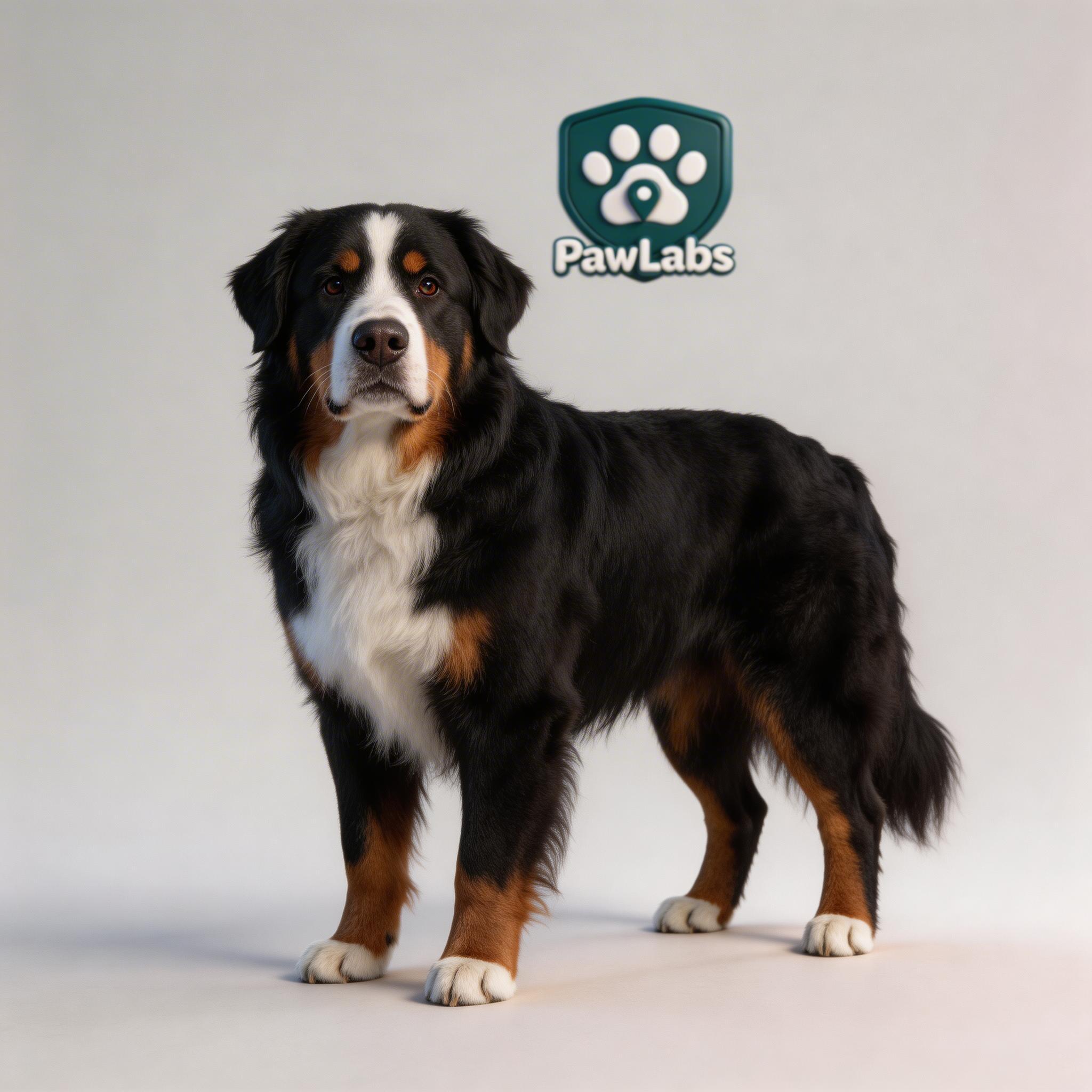
The Bernese Mountain Dog, hailing from the Swiss Alps, is one of four Sennenhund breeds developed in Switzerland as farm dogs. Their story begins centuries ago in the canton of Bern, where they were bred to be all-purpose workers for Alpine farmers. These dogs pulled carts laden with milk and cheese to market, guarded livestock, and kept families company in isolated mountain homesteads. Their striking tricolor coat—black, white, and rust—likely helped them stand out against snowy landscapes, making them easy to spot while working.
Originally known as Dürrbächler, named after a small village, they caught the eye of breeders in the late 19th century. By 1907, the breed was standardized, and the Bernese Mountain Dog Club was founded in Switzerland. Their numbers dwindled during the World Wars due to economic hardship, but dedicated fanciers revived the breed. They arrived in the United States in 1926, gaining American Kennel Club recognition in 1937. Today, while they’re less common as working dogs, their gentle nature and impressive size have made them beloved family companions, though their working roots still shine through in their strength and willingness to please.
The Bernese Mountain Dog: A Gentle Giant with a Heavy Heart
I’ve spent years around Bernese Mountain Dogs, and I can tell you straight up: there’s no other breed that combines such raw power with a soul as soft as a marshmallow. These dogs are the epitome of a gentle giant—think 100 pounds of fur and love plopping down beside you after a long day. I’ve watched a Berner patiently let a toddler tug on its ears without so much as a flinch. But here’s the flip side: their heartbreakingly short lifespan and laundry list of health issues mean you’re signing up for joy tinged with inevitable sorrow. They’re not just a pet; they’re a commitment to love hard and let go too soon.
Temperament & Personality
Living with a Bernese Mountain Dog feels like having a furry best friend who’s always got your back. They’re deeply affectionate, often leaning their massive frame against you as if to say, 'I’m here.' I’ve seen them shadow their owners from room to room, not out of clinginess, but pure devotion. Their calm demeanor makes them fantastic with kids—my neighbor’s Berner, Max, would lie still as a statue while the kids climbed over him like a jungle gym. They’re not overly excitable, but they do have a playful streak, especially as puppies. Don’t be fooled, though; that puppy energy can mean a knocked-over coffee table if you’re not careful. They’re also pretty mellow with strangers, giving a slow wag of the tail rather than a bark, though their size alone can be a deterrent to anyone with bad intentions.
Exercise & Activity Needs
Berners aren’t hyperactive like some working breeds, but they still need a decent amount of exercise to keep them happy and healthy. I’ve taken many on long walks—think 45 minutes to an hour daily—and they thrive on it, plodding along with that steady, powerful gait. They were bred to pull carts and work farms, so they’ve got stamina, but they’re not built for intense sprints. A good hike on the weekend or some backyard playtime works wonders. I remember one Berner, Bella, who loved nothing more than trudging through snow, her thick coat keeping her cozy while I froze. Without enough activity, though, they can get bored and pack on weight, which is a disaster for their already vulnerable joints.
Training & Intelligence
Training a Bernese Mountain Dog is a rewarding experience if you’ve got patience. They’re smart—really smart—and they want to please you, which is half the battle. I’ve taught several basic commands in just a few sessions, their big brown eyes locked on me for the next cue. But they can be a bit stubborn, especially if they’re not in the mood. Consistency is key; I’ve seen owners give up too soon, and then you’ve got a giant dog who thinks pulling on the leash is fine. Early socialization is non-negotiable with a breed this size. I took a young Berner to puppy classes, and it made all the difference—he grew up confident instead of shy or reactive. They also excel at tasks like cart-pulling or obedience trials if you want to tap into their working heritage.
Health & Lifespan
This is where my heart sinks talking about Berners. Their lifespan averages just 7 to 10 years, and I’ve cried with owners who’ve lost theirs even sooner. Cancer, particularly histiocytic sarcoma, is devastatingly common in this breed; I’ve known multiple Berners who didn’t make it past five because of it. Hip and elbow dysplasia are also rampant—watching a young dog limp because their joints can’t support their weight is gut-wrenching. Bloat, a life-threatening stomach twist, is another risk with their deep chest. Vet bills can stack up fast; I’ve seen families shell out thousands on surgeries or treatments. Regular checkups and a proactive approach to diet and exercise can help, but you’re often fighting an uphill battle with their genetics.
Grooming & Maintenance
If you’re not ready for fur everywhere, a Bernese isn’t for you. Their thick, double coat sheds like crazy, especially during spring and fall. I’ve swept up enough hair from a single Berner to knit a sweater—daily brushing is a must if you want to keep your house livable. Their coat is medium-length, so it’s not as prone to matting as some breeds, but you’ll still need to comb through it a few times a week. Baths every month or so keep them looking sharp, though good luck getting a 100-pound dog into the tub if they’re not cooperative. I’ve also noticed their fluffy paws track in mud like nobody’s business, so keep a towel by the door. Nails, ears, and teeth need regular care too; I’ve seen neglected Berner paws turn into painful overgrowths.
Diet & Nutrition
Feeding a Bernese Mountain Dog is like fueling a small horse. They need high-quality, large-breed-specific food to support their size and joint health—think 3 to 4 cups a day split into two meals to reduce bloat risk. I’ve worked with owners who swore by formulas with glucosamine and chondroitin to help with dysplasia. Puppies grow fast, so overfeeding can strain their bones; I’ve seen rushed growth lead to lifelong issues. They’re not picky eaters, but some can be prone to weight gain if you’re not careful with treats. I had a client whose Berner ballooned to 130 pounds from table scraps—getting that weight off was a slow, sad process. Fresh water, measured portions, and vet guidance on supplements are your best friends here.
Living Conditions
Berners are not apartment dogs. I’ve seen one try to adapt to a small space, and it was miserable—cramped and restless. They need room to sprawl out, ideally a house with a fenced yard where they can lumber around. Their thick coat is built for cold Swiss winters, so they thrive in cooler climates; I’ve watched them roll in snowdrifts with pure joy. Heat, on the other hand, is their enemy. A Berner I knew nearly collapsed during a hot summer walk—shade and water are non-negotiable in warm weather. They’re happiest with space to roam but close to their people; leaving them alone in a yard all day will just make them lonely.
Who Should Get This Breed
If you’re looking for a dog that’s basically a family member from day one, the Bernese Mountain Dog might be your match. They’re perfect for active households with kids who want a gentle, protective companion. I’ve seen them thrive with owners who have the time for long walks and the patience for training. If you live in a cooler climate with a spacious home and yard, even better. They’re also a great pick for someone who wants a dog to join them on outdoor adventures—think hiking or camping—as long as it’s not scorching out. You’ve got to be ready to give your heart completely, knowing it might be a shorter journey than with other breeds.
Who Should NOT Get This Breed
Let’s be real: a Bernese isn’t for everyone. If you’re in a small apartment or a hot, humid area, this breed will struggle, and so will you. I’ve met busy professionals who thought they could handle a Berner, only to realize the shedding and exercise needs were too much with a packed schedule. If you’re not prepared for hefty vet bills or the emotional toll of a short lifespan, think twice—I’ve seen heartbreak hit hard with this breed. They’re also not ideal if you want a low-maintenance pet; the grooming alone is a part-time job. And if you’re looking for a guard dog with a fierce edge, their sweet nature might disappoint you.
❓ Bernese Mountain Dog FAQs
The questions people ask most, answered from this breed's trait scores.
Is the Bernese Mountain Dog good with children?
The Bernese Mountain Dog scores 9/10 for child-friendliness, making it one of the most child-tolerant breeds we have profiled. That score reflects the breed's typical temperament, not any individual animal — early socialisation and how the dog was raised matter just as much. Supervise interactions with toddlers whatever the breed.
Does the Bernese Mountain Dog get along with other pets?
Scoring 7/10 for pet-friendliness, the Bernese Mountain Dog is generally sociable with other dogs and cats. Prey drive matters here as well as sociability: breeds built to chase can live happily with a household cat they grew up with and still pursue an unfamiliar one.
How much exercise does the Bernese Mountain Dog need?
The Bernese Mountain Dog rates 6/10 for energy and needs about an hour a day. The breed was originally developed for draft work and livestock guarding, which is where that requirement comes from.
Does the Bernese Mountain Dog shed a lot?
At 8/10 for shedding, the Bernese Mountain Dog sheds noticeably, and you will find hair on clothes and furniture. It has a medium double coat. Worth knowing: low shedding is not the same as hypoallergenic — most people react to proteins in dander and saliva, not to hair itself, so no breed is genuinely allergy-free.
Is the Bernese Mountain Dog easy to train?
The Bernese Mountain Dog scores 7/10 for trainability, making it responsive and straightforward to train. It scores 8/10 for intelligence — worth separating from trainability, because a clever breed that has decided not to listen is harder work than a simpler one that wants to.
What is the average lifespan of the Bernese Mountain Dog?
The Bernese Mountain Dog typically lives 7–10 years. We rate the breed 3/10 for general health robustness, so budget for the possibility of ongoing veterinary costs. Individual lifespan depends heavily on genetics, weight management and veterinary care.
How big does the Bernese Mountain Dog get?
A full-grown Bernese Mountain Dog usually weighs 70–115 lbs and stands roughly 23–28 inches at the shoulder. That places it in the large size band. Males generally sit at the upper end of both ranges.
Does the Bernese Mountain Dog bark a lot?
Rated 5/10 for barking, the Bernese Mountain Dog barks a moderate amount. Training and adequate exercise both reduce nuisance barking, but they will not turn a naturally vocal breed into a silent one.
Is the Bernese Mountain Dog suited to apartment living?
The Bernese Mountain Dog is a difficult fit for apartment living. It scores 6/10 for adaptability, 6/10 for energy and 5/10 for barking — the three traits that decide this. Floor space matters far less than whether the breed can settle indoors and stay quiet while you are out.
Is the Bernese Mountain Dog a good choice for first-time owners?
On balance the Bernese Mountain Dog is manageable for a first-time owner who is willing to put the work in early, based on its trainability (7/10), adaptability (6/10) and energy level (6/10). The most common reason a first dog does not work out is a mismatch between the breed's daily needs and the owner's actual routine, rather than anything about the breed itself.
Written and reviewed by PawLabs Editorial Team
We build PawLabs from published kennel club breed standards and veterinary reference sources. Profiles are drafted with AI assistance against that source data, then reviewed and corrected by a person before anything is published. We say so because you should know how the thing you're reading was made. How we research breeds · Report a correction
Note: Breed profiles are general reference, not veterinary advice. For anything concerning your own animal, talk to a vet who can examine them.