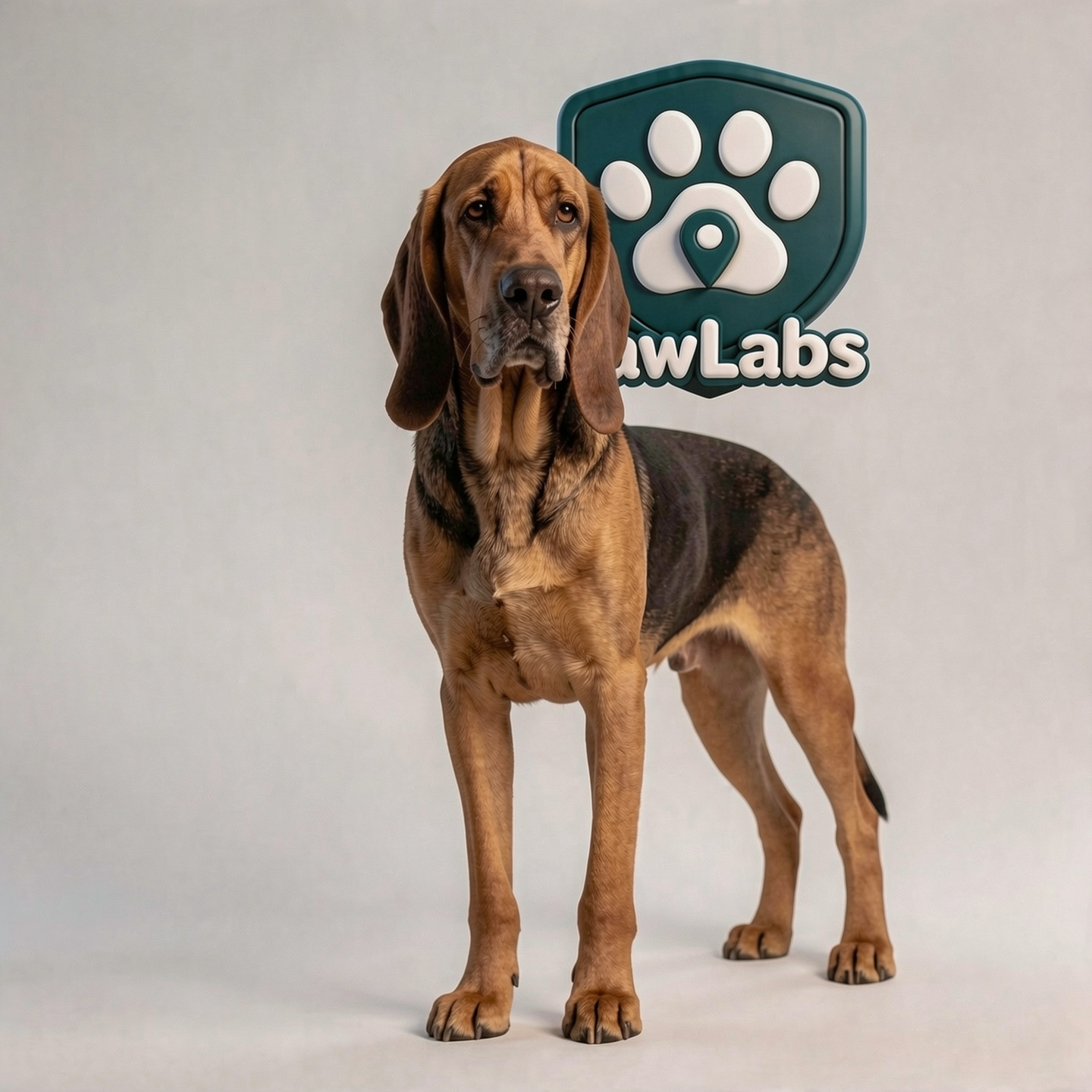
Bloodhound
A gentle giant with an unmatched nose, the Bloodhound is a tracking legend.
Original Role: Scent tracking and trailing
💪 Strengths
- + Unparalleled scent-tracking ability
⚠️ Weaknesses
- − Stubbornness during training
📜 Breed History
The Bloodhound’s story begins in medieval Europe, likely in Belgium or France, where they were bred by monks at the Abbey of Saint-Hubert as early as the 8th century. Originally called the St. Hubert Hound, this breed was developed for tracking game—deer and boar—through dense forests. Their extraordinary sense of smell, capable of following a scent trail days old, made them invaluable to hunters. Nobility across Europe prized them, and by the 16th century, they were well-known in England, where they earned the name 'Bloodhound'—possibly from 'blooded hound,' referring to their purebred status rather than any gory connotation.
Over centuries, their role shifted from hunting to trailing humans, often aiding in search-and-rescue or law enforcement. The American Kennel Club recognized the breed in 1885, cementing their status in the hound group. I’ve always been fascinated by historical accounts of Bloodhounds tracking missing persons over vast distances—one famous case in the 1800s had a Bloodhound follow a trail over 100 miles. Their loose, wrinkled skin and long ears aren’t just for show; they trap scent particles, enhancing their already uncanny olfactory skills. Today, while still used for tracking, many Bloodhounds are cherished family companions, though their roots as determined trackers remain evident in every stubborn sniff.
The Bloodhound: A Gentle Giant with a Nose That Never Quits
I’ve spent countless hours with Bloodhounds over the years, and let me tell you, there’s nothing quite like watching one lock onto a scent. Their nose is a marvel—capable of detecting a trail that’s days old, over miles of terrain. But living with a Bloodhound isn’t just about marveling at their tracking prowess. It’s about embracing a dog that’s equal parts affectionate couch potato and relentless investigator. They’re gentle giants, often weighing over 100 pounds, with soulful eyes and droopy jowls that leave a trail of slobber on your floors. I’ve had friends swear they’d never own another after cleaning up drool for the hundredth time, only to melt when their Bloodhound leans into them for a cuddle. This breed is a paradox: sweet and stubborn, lazy yet determined. If you’re considering one, you’d better be ready for a dog that follows its nose first and your commands second.
Temperament & Personality
Bloodhounds are the epitome of gentle. I’ve seen them lie patiently while toddlers tug at their long ears or use them as a pillow. They’re affectionate with their families, often seeking out physical closeness—don’t be surprised if your 90-pound hound tries to climb into your lap. But they’re not pushovers. There’s a quiet independence to them, a stubborn streak that comes from centuries of working solo on a scent trail. I remember one Bloodhound I knew, named Rufus, who’d ignore every call to come inside if he caught a whiff of something interesting in the yard. They’re not aggressive, but they can be aloof with strangers, sizing them up with a slow, thoughtful gaze before deciding if they’re worth a wag. And that deep, booming bark? It’s not frequent, but when it happens, you’ll feel it in your chest. They’re vocal when excited or frustrated, especially if they’re stuck on the wrong side of a fence from a smell they’re dying to chase.
Exercise & Activity Needs
Bloodhounds aren’t hyperactive like a Border Collie, but don’t mistake them for low-energy either. They need a solid hour or two of exercise daily, preferably involving their nose. Walks are non-negotiable, and I’ve found they’re happiest when you let them meander and sniff to their heart’s content—forget about a brisk power walk; this dog sets the pace. A fenced yard is ideal because once they catch a scent, they’re gone, oblivious to traffic or danger. I’ve heard too many stories of Bloodhounds wandering miles from home following some invisible trail. Mental stimulation is just as critical as physical exercise. Hide treats around the house or yard, or get involved in scent work activities. Without enough to do, they can get bored, and a bored Bloodhound might just start baying at nothing or digging up your garden to entertain itself.
Training & Intelligence
Training a Bloodhound is an exercise in patience. They’re smart—scary smart when it comes to tracking—but they’re not eager to please like a Labrador. Their independent nature means they often think they know better than you, especially if there’s a scent distracting them. I’ve spent hours trying to teach a young Bloodhound a simple ‘stay,’ only to have him wander off mid-session because he smelled a squirrel three houses down. Positive reinforcement works best; they respond to treats and praise, but harsh methods will shut them down. Start early with socialization because their size can make them intimidating if they’re not used to people or other dogs. And leash training? It’s a must. Their pulling power is unreal when they’re on a mission. Honestly, unless you’re prepared to be consistent and creative, training a Bloodhound can feel like negotiating with a very polite but very stubborn toddler.
Health & Lifespan
Bloodhounds live about 10 to 12 years, which is decent for a large breed, but they come with a laundry list of potential health issues. Bloat, or gastric dilatation-volvulus, is a big concern—I’ve known owners who’ve rushed their hound to the emergency vet in the middle of the night because of this life-threatening condition. Hip and elbow dysplasia are common too, often showing up as limping or stiffness by middle age. Their droopy eyes and ears make them prone to infections; I’ve cleaned more ear gunk from Bloodhounds than I care to remember. Skin fold dermatitis can also be an issue with all those wrinkles trapping moisture. Regular vet checkups are non-negotiable, and you should budget for potential surgeries or treatments—hip issues alone can run thousands. They’re not the most robust breed, so keeping them at a healthy weight and monitoring for early signs of trouble is key to a longer, happier life.
Grooming & Maintenance
Grooming a Bloodhound isn’t overly complicated, but it’s not a walk in the park either. Their short coat sheds moderately, more so during seasonal changes, and a weekly brush with a rubber hound glove keeps loose hair under control. The real work is in the wrinkles and drool. Those facial folds need daily wiping with a damp cloth to prevent irritation or infection—I’ve seen neglected folds turn into smelly, sore messes. Their long, floppy ears also need regular cleaning to avoid yeast buildup. And the slobber? It’s legendary. Keep towels handy because they’ll fling drool on walls, furniture, and your lap after a drink of water. Bathing can be monthly or as needed, but their size makes it a two-person job unless you’ve got a walk-in shower. It’s not high-maintenance in the way a Poodle is, but you’ll spend plenty of time mopping up after them.
Diet & Nutrition
Feeding a Bloodhound requires some thought. As large dogs, they eat a lot—think 4 to 6 cups of high-quality kibble daily, split into two meals to reduce the risk of bloat. I’ve always advised owners to invest in a food formulated for large breeds to support joint health, especially given their risk for dysplasia. Puppies grow fast, so controlled portions are crucial to avoid skeletal issues. They’re not picky eaters, but they’ll happily overeat if you let them, leading to obesity, which is disastrous for their joints. I’ve seen a chubby Bloodhound struggle to get up from a nap, and it’s heartbreaking. Watch out for food allergies too; some develop itchy skin from certain proteins. And because of bloat risk, avoid feeding right before or after exercise. A slow feeder bowl can help if they scarf food too fast. Talk to your vet about portions and supplements—keeping them lean is one of the best things you can do.
Living Conditions
Bloodhounds aren’t built for apartment life. Their size, vocal nature, and need for space to roam make them better suited to a house with a secure, fenced yard. I’ve known folks who’ve tried keeping them in smaller spaces, and the constant baying drove neighbors up the wall. They’re not overly active indoors, often content to lounge, but they still need room to stretch those long legs. Hot climates can be tough on them—those heavy coats and droopy features make overheating a risk, so shade and water are musts. Cold weather is more manageable, but they shouldn’t live outside full-time; they crave family closeness. If you don’t have a yard, you’d better be committed to long, daily walks. Wherever they live, escape-proofing is critical. I’ve seen a Bloodhound push through a weak fence just to follow a scent down the block.
Who Should Get This Breed
If you’re someone with a deep appreciation for a dog’s natural instincts, the Bloodhound might be your match. They’re ideal for owners who love the outdoors and have time for leisurely, sniff-heavy walks or even scent work as a hobby. Families with older kids who can handle their size and slobber will find them to be loyal, gentle companions. I’ve seen them thrive with patient, experienced dog owners who understand hounds and aren’t fazed by a bit of stubbornness. If you’ve got a big yard and a lifestyle that allows for daily mental and physical engagement, you’ll adore their affectionate, quirky nature. They’re also a great choice if you’re in a rural area where their wandering nose won’t lead them into trouble.
Who Should NOT Get This Breed
If you’re a first-time dog owner, live in a small apartment, or crave a dog that hangs on your every word, steer clear of a Bloodhound. They’re not for people who can’t handle mess—between the drool and shedding, they’re a cleaning commitment. I’ve met folks who couldn’t deal with the constant wiping and mopping and ended up frustrated. Busy professionals with little time for exercise or training will struggle; this breed needs engagement, or they’ll vocalize their boredom. If you live in a hot, humid area without good cooling options, their comfort will be a constant worry. And if you’re not prepared for a dog that might ignore you to follow a scent, even at the risk of its safety, you’ll find their independence more maddening than charming.
❓ Bloodhound FAQs
The questions people ask most, answered from this breed's trait scores.
Is the Bloodhound good with children?
The Bloodhound scores 7/10 for child-friendliness, making it a good match for families with children. That score reflects the breed's typical temperament, not any individual animal — early socialisation and how the dog was raised matter just as much. Supervise interactions with toddlers whatever the breed.
Does the Bloodhound get along with other pets?
Scoring 6/10 for pet-friendliness, the Bloodhound is usually fine with other pets once introduced properly. Prey drive matters here as well as sociability: breeds built to chase can live happily with a household cat they grew up with and still pursue an unfamiliar one.
How much exercise does the Bloodhound need?
The Bloodhound rates 6/10 for energy and needs about an hour a day. The breed was originally developed for scent tracking and trailing, which is where that requirement comes from.
Does the Bloodhound shed a lot?
At 6/10 for shedding, the Bloodhound sheds a moderate amount year-round. It has a short short coat. Worth knowing: low shedding is not the same as hypoallergenic — most people react to proteins in dander and saliva, not to hair itself, so no breed is genuinely allergy-free.
Is the Bloodhound easy to train?
The Bloodhound scores 4/10 for trainability, making it independent-minded and slow to comply, which takes patience. It scores 7/10 for intelligence — worth separating from trainability, because a clever breed that has decided not to listen is harder work than a simpler one that wants to.
What is the average lifespan of the Bloodhound?
The Bloodhound typically lives 10–12 years. We rate the breed 4/10 for general health robustness, so budget for the possibility of ongoing veterinary costs. Individual lifespan depends heavily on genetics, weight management and veterinary care.
How big does the Bloodhound get?
A full-grown Bloodhound usually weighs 80–110 lbs and stands roughly 23–27 inches at the shoulder. That places it in the large size band. Males generally sit at the upper end of both ranges.
Does the Bloodhound bark a lot?
Rated 7/10 for barking, the Bloodhound barks readily, which is worth considering if you have close neighbours. Training and adequate exercise both reduce nuisance barking, but they will not turn a naturally vocal breed into a silent one.
Is the Bloodhound suited to apartment living?
The Bloodhound is a difficult fit for apartment living. It scores 5/10 for adaptability, 6/10 for energy and 7/10 for barking — the three traits that decide this. Floor space matters far less than whether the breed can settle indoors and stay quiet while you are out.
Is the Bloodhound a good choice for first-time owners?
On balance the Bloodhound is better suited to someone who has raised a dog before, based on its trainability (4/10), adaptability (5/10) and energy level (6/10). The most common reason a first dog does not work out is a mismatch between the breed's daily needs and the owner's actual routine, rather than anything about the breed itself.
Written and reviewed by PawLabs Editorial Team
We build PawLabs from published kennel club breed standards and veterinary reference sources. Profiles are drafted with AI assistance against that source data, then reviewed and corrected by a person before anything is published. We say so because you should know how the thing you're reading was made. How we research breeds · Report a correction
Note: Breed profiles are general reference, not veterinary advice. For anything concerning your own animal, talk to a vet who can examine them.