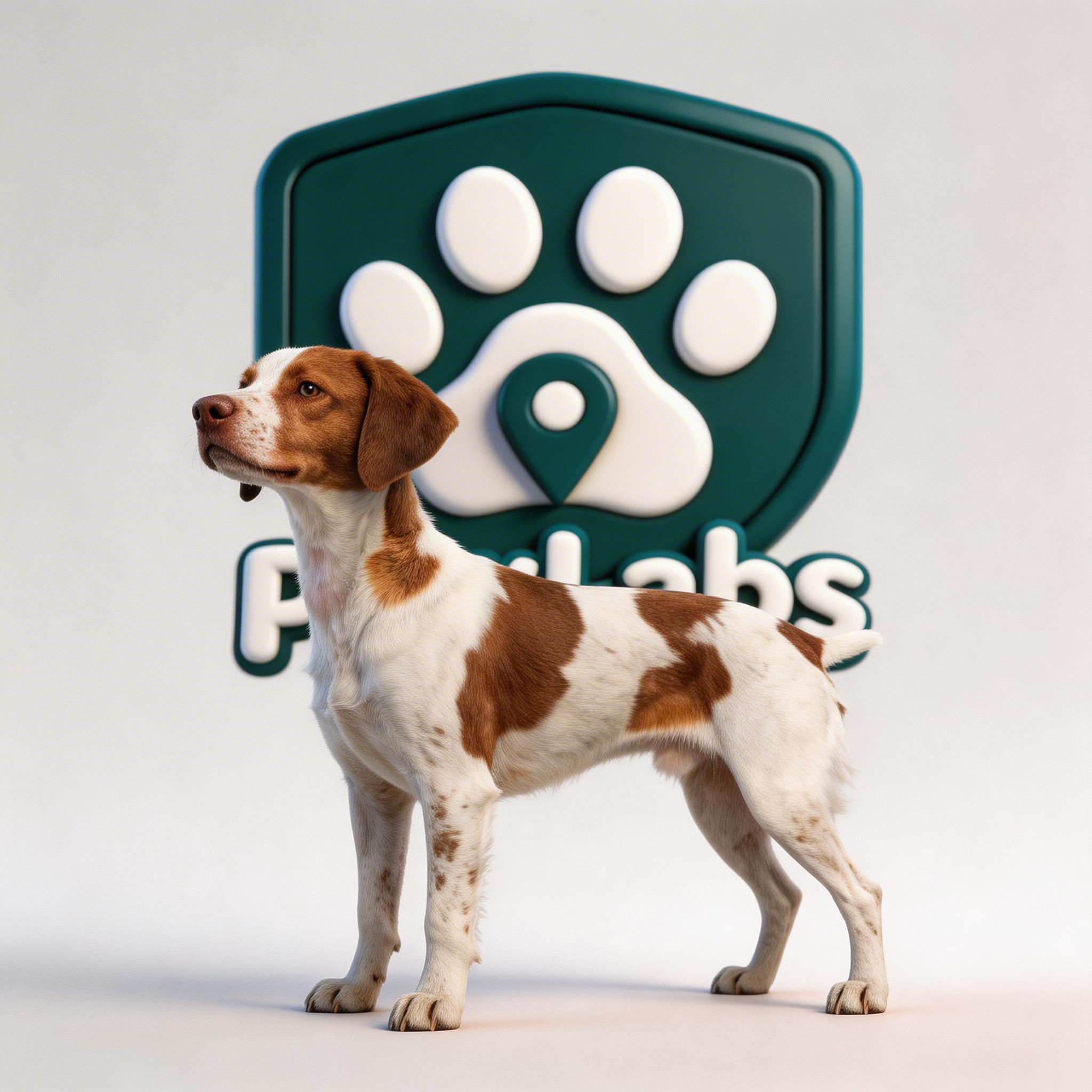
Brittany Spaniel
A spirited, versatile hunting dog with boundless energy and a sweet disposition.
Original Role: Bird hunting and pointing
💪 Strengths
- + Exceptional hunting and pointing skills
- + Strong bond with family
- + Adaptable to various terrains
⚠️ Weaknesses
- − High energy can be overwhelming without proper exercise
- − Prone to separation anxiety if left alone too long
📜 Breed History
The Brittany Spaniel, often just called the Brittany in the United States, hails from the rugged, windswept region of Brittany in northwestern France. This breed emerged in the 17th and 18th centuries as a versatile hunting dog, specifically bred for pointing and retrieving game birds in the dense, brushy terrain of the French countryside. They were the go-to companions for poachers and small farmers who needed a dog that could do it all—point, flush, and retrieve—without the resources to maintain separate breeds for each task. The Brittany's compact size and keen nose made them ideal for working in tight coverts where larger dogs struggled.
By the 19th century, the breed caught the attention of French nobility and sportsmen, leading to more formalized breeding programs. Their agility and stamina became legendary, and they were often crossed with English Setters to refine their pointing instincts. The first written breed standard was established in France in 1907, cementing their status as a distinct sporting dog. The Brittany crossed the Atlantic in the early 20th century, arriving in the United States around 1931, where they quickly gained popularity among American hunters. The American Kennel Club recognized the breed in 1934, though debates over whether they should be called 'Spaniel' or simply 'Brittany' persist—reflecting their unique blend of spaniel-like flushing and setter-like pointing. Today, they remain a favorite for upland bird hunters while also carving out a niche as affectionate, active family pets.
A Dynamo in Disguise: Why the Brittany Spaniel Will Keep You on Your Toes
I’ve spent countless mornings trudging through dew-soaked fields with Brittany Spaniels, watching their orange-and-white coats flash through the brush as they lock onto a pheasant’s scent. This breed isn’t just a dog; it’s a force of nature. Bred for bird hunting in the rough terrain of France’s Brittany region, they combine raw athleticism with a disarming sweetness that can melt your heart—right after they’ve worn you out. They’re medium-sized, but don’t let that fool you; their energy rivals that of much larger breeds. If you’re not ready for a dog that needs a job and a purpose, the Brittany will run circles around your patience. I’ve seen them turn a quiet household into chaos with their need to move, sniff, and explore. But for the right owner, their zest for life and unwavering loyalty are pure magic.
Temperament & Personality
Living with a Brittany Spaniel feels like having a best friend who never runs out of enthusiasm. They’re affectionate to a fault, often leaning into you for pets or curling up close after a long day. I’ve watched Brittanys play gently with kids, nudging a ball their way with surprising patience for a dog so wired. But that energy is always simmering beneath the surface. At 5 a.m., don’t be surprised if your Brittany is staring at you, tail wagging like a metronome on overdrive, ready for the day’s first adventure. They’re not just active; they’re relentless. Their hunting roots mean they’re curious about everything—every rustle in the bushes, every squirrel darting across the yard. This can make them a handful if you’re not prepared to channel that drive. They’re also sensitive souls. I’ve seen a Brittany sulk for hours after a sharp word, their expressive eyes practically begging for reassurance. They thrive on connection and can struggle with being left alone, sometimes whining or pacing when you head out for work.
Exercise & Activity Needs
If you’re not an active person, stop reading now. Brittanys need serious exercise—think an hour or two daily of hard running, not just a leisurely stroll. I’ve taken them on 5-mile jogs through the countryside, and they’ve still had the gall to zoom around the yard afterward. Originally bred to hunt all day in tough terrain, they’ve got stamina that can outlast most humans. Field trials, hiking, or even agility courses are perfect outlets for them. Without this, they get bored, and a bored Brittany is a destructive Brittany. I’ve seen one chew through a pair of boots in under an hour when left unstimulated. Mental challenges are just as crucial—hide-and-seek games or scent work tap into their pointing instincts and keep them from turning your house into a chew toy graveyard. If you can’t commit to this level of activity, they’ll frustrate you with their pent-up energy.
Training & Intelligence
Brittanys are sharp as a tack, and I’ve always been impressed by how quickly they pick up commands. Their intelligence shines when you give them a purpose—teaching them to point or retrieve is like flipping a switch in their brain. I’ve trained a young Brittany to fetch specific toys by name in just a few sessions. But their independent streak, a remnant of solo hunting days, can test your patience. They might decide halfway through a walk that a distant scent is more interesting than your ‘come’ command. Consistency and positive reinforcement are non-negotiable; they respond to treats and praise like it’s their lifeblood. Harsh methods? Forget it. They’ll shut down faster than you can apologize. Early socialization is key too—I’ve seen under-socialized Brittanys get skittish around strangers or other dogs, though most are naturally friendly if exposed to the world young.
Health & Lifespan
Brittanys typically live 12 to 14 years, which is decent for a medium-sized breed, but they’re not without health hiccups. Hip dysplasia is a real concern; I’ve known several owners who’ve shelled out thousands for corrective surgery when their dog started limping before age 5. Epilepsy crops up more often in Brittanys than I’d like, and watching a dog seize is heartbreaking—medication can help, but it’s a lifelong cost. They’re also prone to ear infections thanks to those floppy ears trapping moisture; I’ve cleaned out gunk from a Brittany’s ears more times than I can count after muddy field days. Allergies can be an issue too, leading to itchy skin and pricey vet visits if not managed with diet or meds. Regular checkups and a good breeder who screens for genetic issues are your best defense. Expect to budget for routine care and the occasional unexpected bill.
Grooming & Maintenance
Grooming a Brittany isn’t a nightmare, but it’s not a breeze either. Their medium-length, double coat sheds moderately year-round, with heavier bursts in spring and fall. I’ve spent plenty of evenings brushing out clumps of fur to keep it off my couch. A weekly brushing with a slicker brush usually does the trick, though after a romp through briars, you’ll be picking out twigs for days. Baths every month or so keep them smelling fresh, especially since they love rolling in whatever questionable mess they find in the field. Those floppy ears need regular cleaning to avoid infections—trust me, you don’t want to deal with the smell if you skip this. Nails need trimming every few weeks; I’ve heard a Brittany’s click-clack on hardwood turn into a full-blown slip if left too long. It’s manageable, but you’ll need to stay on top of it.
Diet & Nutrition
Feeding a Brittany requires some thought because of their high energy. They burn calories like a furnace, so a high-quality, protein-rich diet is essential—think 2 to 3 cups of kibble daily for an adult, split into two meals. I’ve fed Brittanys a mix of dry food and raw meat to keep their coat shiny and muscles strong, especially during hunting season. Puppies need more frequent, smaller meals to fuel their growth without overloading their stomachs. Watch for food allergies, though; I’ve had to switch brands for a Brittany who scratched himself raw on a grain-heavy formula. Obesity isn’t usually a problem given their activity level, but don’t overdo treats—I’ve seen even active Brittanys pack on pounds if you’re too generous. Fresh water is a must, especially after exercise; they’ll pant themselves dry without it.
Living Conditions
Brittanys can adapt to different homes, but they’re not apartment dogs in my book. I’ve seen them thrive in suburban houses with fenced yards where they can sprint off steam, but in a small space without daily outlets, they’ll bounce off the walls—literally. A yard is ideal, though they’ll still need structured exercise beyond just letting them out. They handle moderate climates well; their coat offers some protection, but extreme cold or heat can be rough. I’ve had to cut short winter walks in single-digit temps when a Brittany started shivering despite their fur. They’re happiest in active households where someone’s around most of the time—leaving them crated for 8 hours daily is a recipe for anxiety. Rural or semi-rural settings suit their hunting soul best.
Who Should Get This Breed
If you’re an outdoor enthusiast, the Brittany Spaniel might be your perfect match. Hunters, runners, and hikers will find a tireless partner in this breed; I’ve met owners who swear their Brittany is the only reason they’ve stuck to a fitness routine. Families with older kids who can keep up with their playfulness do well too—think teenagers who’ll toss a ball for hours. Someone home often, or able to take their dog on adventures, is ideal. I’ve seen Brittanys bond deeply with owners who involve them in every outing, from camping trips to long drives. If you’ve got time to train and a love for an active lifestyle, their intelligence and eagerness to please will make every day rewarding.
Who Should NOT Get This Breed
If you’re a couch potato or work long hours with no backup plan, don’t even think about a Brittany. I’ve witnessed sedentary owners crumble under their relentless energy—one friend rehomed their Brittany after it shredded curtains out of boredom. They’re not for first-time dog owners unless you’re ready to dive into serious training and exercise commitments. Small apartment dwellers without access to big open spaces will struggle; I’ve seen a Brittany pace endlessly in a tiny condo, driving everyone nuts. If you can’t handle shedding or the occasional stubborn streak, look elsewhere. And if you’re not prepared for a dog that might develop health issues like hip dysplasia, costing time and money, this isn’t the breed for you.
❓ Brittany Spaniel FAQs
The questions people ask most, answered from this breed's trait scores.
Is the Brittany Spaniel good with children?
The Brittany Spaniel scores 7/10 for child-friendliness, making it a good match for families with children. That score reflects the breed's typical temperament, not any individual animal — early socialisation and how the dog was raised matter just as much. Supervise interactions with toddlers whatever the breed.
Does the Brittany Spaniel get along with other pets?
Scoring 7/10 for pet-friendliness, the Brittany Spaniel is generally sociable with other dogs and cats. Prey drive matters here as well as sociability: breeds built to chase can live happily with a household cat they grew up with and still pursue an unfamiliar one.
How much exercise does the Brittany Spaniel need?
The Brittany Spaniel rates 9/10 for energy and needs two hours or more a day, every day, including the days you do not feel like it. Under-exercised, this is a breed that finds its own entertainment — usually at the expense of your furniture. The breed was originally developed for bird hunting and pointing, which is where that requirement comes from.
Does the Brittany Spaniel shed a lot?
At 6/10 for shedding, the Brittany Spaniel sheds a moderate amount year-round. It has a medium double coat. Worth knowing: low shedding is not the same as hypoallergenic — most people react to proteins in dander and saliva, not to hair itself, so no breed is genuinely allergy-free.
Is the Brittany Spaniel easy to train?
The Brittany Spaniel scores 8/10 for trainability, making it responsive and straightforward to train. It scores 8/10 for intelligence — worth separating from trainability, because a clever breed that has decided not to listen is harder work than a simpler one that wants to.
What is the average lifespan of the Brittany Spaniel?
The Brittany Spaniel typically lives 12–14 years. We rate the breed 6/10 for general health robustness. Individual lifespan depends heavily on genetics, weight management and veterinary care.
How big does the Brittany Spaniel get?
A full-grown Brittany Spaniel usually weighs 30–40 lbs and stands roughly 17–21 inches at the shoulder. That places it in the medium size band. Males generally sit at the upper end of both ranges.
Does the Brittany Spaniel bark a lot?
Rated 5/10 for barking, the Brittany Spaniel barks a moderate amount. Training and adequate exercise both reduce nuisance barking, but they will not turn a naturally vocal breed into a silent one.
Is the Brittany Spaniel suited to apartment living?
The Brittany Spaniel is a difficult fit for apartment living. It scores 7/10 for adaptability, 9/10 for energy and 5/10 for barking — the three traits that decide this. Floor space matters far less than whether the breed can settle indoors and stay quiet while you are out.
Is the Brittany Spaniel a good choice for first-time owners?
On balance the Brittany Spaniel is manageable for a first-time owner who is willing to put the work in early, based on its trainability (8/10), adaptability (7/10) and energy level (9/10). The most common reason a first dog does not work out is a mismatch between the breed's daily needs and the owner's actual routine, rather than anything about the breed itself.
Written and reviewed by PawLabs Editorial Team
We build PawLabs from published kennel club breed standards and veterinary reference sources. Profiles are drafted with AI assistance against that source data, then reviewed and corrected by a person before anything is published. We say so because you should know how the thing you're reading was made. How we research breeds · Report a correction
Note: Breed profiles are general reference, not veterinary advice. For anything concerning your own animal, talk to a vet who can examine them.