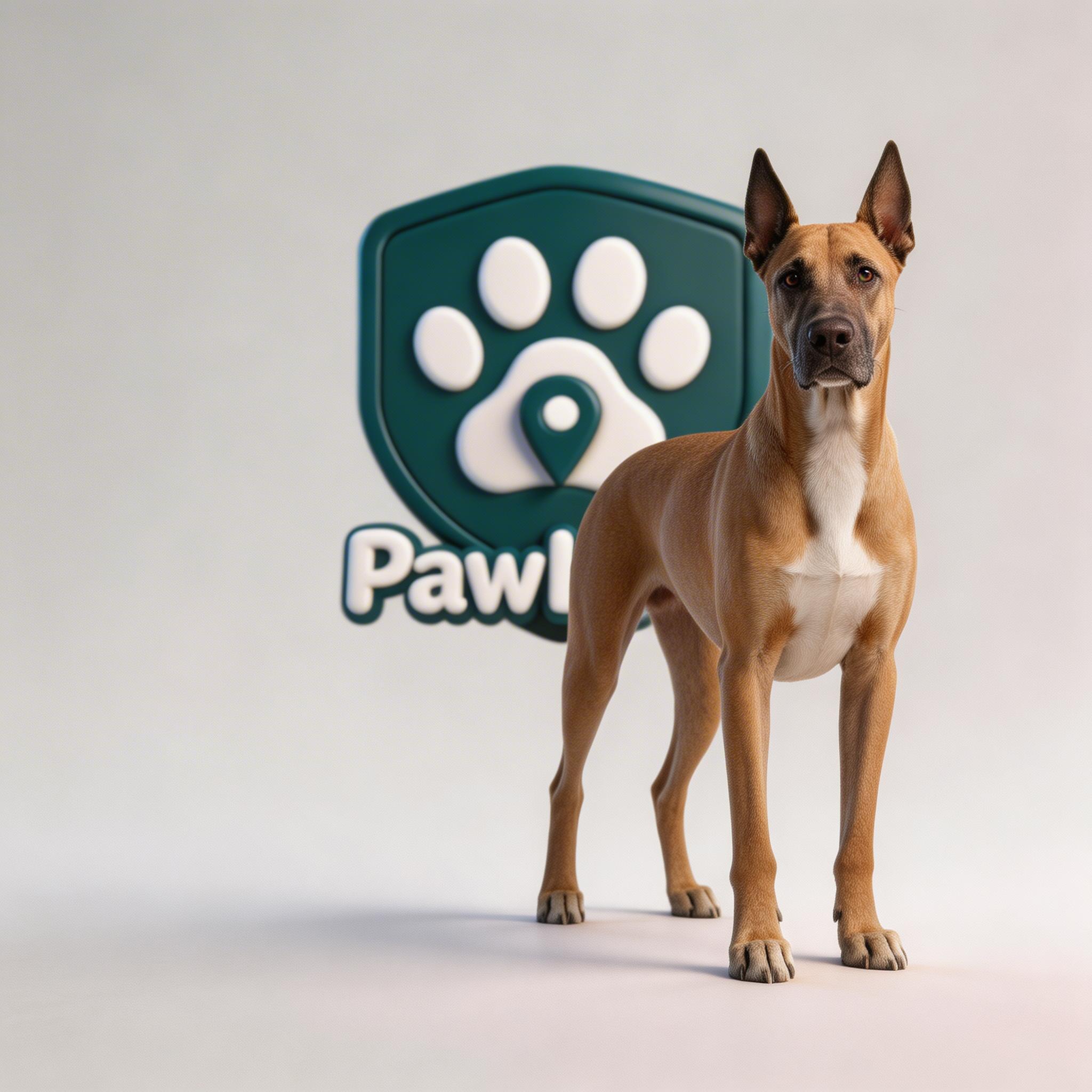
Great Dane
A gentle giant with a heart as big as its frame.
Original Role: Guard dog and companion
💪 Strengths
- + Incredibly gentle and affectionate with family
- + Imposing presence as a deterrent to intruders
⚠️ Weaknesses
- − Short lifespan and significant health concerns
- − High food and care costs due to size
📜 Breed History
The Great Dane, often dubbed the 'Apollo of Dogs,' has roots tracing back to ancient times, though its modern form was refined in Germany. I’ve read accounts and seen old engravings suggesting that large, mastiff-like dogs were used by the Assyrians as far back as 3000 BC for hunting big game like boars and lions. These early ancestors likely made their way to Europe through trade and conquest. By the Middle Ages, German nobility bred these massive dogs for hunting wild boar, valuing their strength and courage—hence the early name 'Boar Hound.' Their size and power were unmatched, but they needed to be nimble enough to dodge tusks in dense forests.
Over time, as hunting practices changed, their role shifted toward estate guarding and companionship. In the 19th century, German breeders standardized the Great Dane we know today, blending power with elegance. They were no longer just bruisers but refined giants with a calm demeanor. The breed was officially recognized by the German Kennel Club in 1878, and the name 'Great Dane'—oddly, since they’re not Danish—stuck due to a mistranslation or historical quirk tied to Danish royalty. From there, they spread across Europe and to America, becoming symbols of loyalty and nobility. I’ve met breeders who still talk about their protective instincts, a nod to those early guarding days, even if most Danes now are just oversized lap dogs.
The Great Dane: A Towering Sweetheart with a Short Clock
I’ve spent countless hours with Great Danes over the years, from lumbering puppies tripping over their own paws to majestic adults who can rest their chins on my kitchen counter without a stretch. These dogs are the epitome of gentle giants—towering over most breeds at up to 32 inches at the shoulder, yet often unaware of their own size. I’ve had a Dane lean against me for a cuddle and nearly knock me over without a second thought. They’re affectionate to a fault, but living with one isn’t a casual commitment. Their size comes with unique challenges, from the sheer cost of feeding them to the heartbreaking reality of their short lifespan. If you’re considering a Great Dane, you’re signing up for a larger-than-life companion who will steal your heart—and probably your couch.
Temperament & Personality
Great Danes are often described as friendly and patient, and I’ve found that to be true in spades. I’ve watched a 150-pound Dane lie perfectly still while a toddler climbed over him like a jungle gym, not even flinching. They’re deeply loyal to their families, forming tight bonds that make them want to be near you constantly. Don’t expect much personal space—mine used to follow me from room to room, even squeezing into the bathroom if I didn’t shut the door fast enough. But they’re not pushy or hyper; their calm demeanor is almost surprising for a dog so massive. That said, their size can intimidate strangers, even if they’re more likely to lick someone than growl. I’ve seen them bark at a delivery person only to wag their tail the second the door opens. They’re not aggressive by nature, but they’re protective enough to make you feel safe just by standing there.
Exercise & Activity Needs
Despite their colossal frame, Great Danes don’t need marathon runs every day. I’ve found that a couple of moderate walks—say, 30 minutes each—plus some backyard playtime keeps them content. Puppies are a different story; they’ve got bursts of energy that can turn your living room into a wrestling ring. I’ve had to redirect a young Dane from chewing furniture by tossing a toy outside, but they mellow out as adults. The key is not overdoing it, especially when they’re young. Their joints are vulnerable while growing, and too much exercise can lead to lifelong issues. I’ve known owners who pushed their Danes too hard with long hikes, only to regret it when vet bills for hip problems started piling up. Low-impact activity is your friend here—just enough to keep them fit without strain.
Training & Intelligence
Training a Great Dane is a mixed bag. They’re smart enough to pick up commands, but they’re not always eager to please like a Border Collie. I’ve worked with Danes who learned 'sit' in a day but took weeks to stop pulling on the leash because they just didn’t see the point. Consistency is everything. Start early, because a 175-pound dog that doesn’t listen is a liability. I remember one Dane who refused to stop jumping on people until I spent months reinforcing boundaries with treats and firm commands. They respond well to positive reinforcement, but their stubborn streak can test your patience. Socialization is non-negotiable—expose them to people, pets, and places while they’re young, or their natural wariness of strangers can turn into a problem. They’re not rocket scientists, but they’ve got enough brains to keep you on your toes.
Health & Lifespan
Here’s where my heart sinks talking about Great Danes. Their lifespan is tragically short—typically 7 to 10 years—and I’ve cried saying goodbye to too many of them far sooner than I’d like. Bloat, or gastric dilatation-volvulus, is a life-threatening condition I’ve seen firsthand; one of my friend’s Danes passed within hours because his stomach twisted after a big meal. Feeding smaller, frequent meals and avoiding exercise right after eating can help, but it’s still a risk. Hip dysplasia and heart issues like dilated cardiomyopathy are also common, and I’ve known owners who spent thousands on surgeries and meds to manage these. Regular vet checkups are a must, as is pet insurance if you can swing it—trust me, the bills add up fast with a dog this size. They’re not the hardiest breed, and every year with them feels like borrowed time.
Grooming & Maintenance
On the upside, grooming a Great Dane is a breeze compared to many breeds. Their short, smooth coat needs just a weekly brush with a rubber hound glove to keep shedding under control—and yes, they shed, especially in spring and fall. I’ve swept up enough Dane hair to knit a sweater, but it’s manageable. Baths are rare unless they roll in something foul, though getting a soaking wet 150-pound dog out of the tub is a workout in itself. I’ve had to check their ears weekly for infections, as their flop can trap moisture, and trim their nails regularly since they don’t wear down naturally with moderate exercise. It’s not high-maintenance, but their size means everything takes a bit more effort. A quick grooming session still feels like wrangling a small horse.
Diet & Nutrition
Feeding a Great Dane is like feeding a small army. I’ve gone through 8-10 cups of high-quality kibble a day for an adult male, and that’s not cheap. Puppies need even more precise nutrition to support their rapid growth without overloading their joints—too much calcium or protein can spell disaster. I’ve consulted with vets to ensure a slow-growth formula for young Danes, and I’d urge any owner to do the same. Bloat prevention means splitting meals into two or three smaller portions daily, and I’ve always used a slow-feed bowl to stop them from gulping. Treats are fine, but watch the calories; an overweight Dane is a recipe for joint and heart strain. Expect to budget significantly for food—sometimes $100 a month or more—and always keep fresh water accessible for these big drinkers.
Living Conditions
Great Danes can adapt to apartments if you’re diligent about exercise, but I’ve always felt they’re happier with space to stretch out. A house with a fenced yard is ideal, though they’re not the type to run laps for hours. I’ve seen a Dane contentedly nap on a patio all afternoon after a short walk. Their size means they need room indoors too—tight quarters lead to knocked-over lamps and bruised shins. They handle moderate climates best; their thin coat doesn’t protect against extreme cold, and they overheat easily in hot weather. I’ve had to keep fans running in summer and provide blankets in winter for mine. They’re not outdoor dogs by any stretch—separation from their people makes them anxious, and they’ll pine at the door if left alone too long.
Who Should Get This Breed
If you’re someone with a big heart and a bigger budget, a Great Dane might be your perfect match. I’ve seen them thrive with families who have time to give affection and structure, especially if there are older kids who understand gentle play. They’re ideal for folks who want a protective presence without the aggression of some guard breeds; their sheer size is often enough to deter trouble. If you work from home or can be around most of the day, even better—they hate being alone for long stretches. I’d recommend them to anyone who’s prepared for the emotional and financial investment and wants a dog that’s more companion than project. Their quiet, loving nature is a balm if you’re after a soulful bond.
Who Should NOT Get This Breed
Great Danes aren’t for everyone, and I’ve seen mismatches end in heartbreak. If you’re on a tight budget, steer clear—their food, vet bills, and even basics like crates are exorbitantly expensive. They’re not suited for people who are gone 10 hours a day; I’ve dealt with Danes who developed separation anxiety so severe they’d howl or chew through doors. If you’ve got very young kids or limited space, think twice—their size alone can be a hazard, even if they’re gentle. And if you’re not ready to face a short lifespan or potential health crises, this isn’t the breed for you. I’ve had to counsel owners through tough decisions, and it’s gut-wrenching. They need someone who can handle both their physical bulk and emotional weight.
❓ Great Dane FAQs
The questions people ask most, answered from this breed's trait scores.
Is the Great Dane good with children?
The Great Dane scores 7/10 for child-friendliness, making it a good match for families with children. That score reflects the breed's typical temperament, not any individual animal — early socialisation and how the dog was raised matter just as much. Supervise interactions with toddlers whatever the breed.
Does the Great Dane get along with other pets?
Scoring 6/10 for pet-friendliness, the Great Dane is usually fine with other pets once introduced properly. Prey drive matters here as well as sociability: breeds built to chase can live happily with a household cat they grew up with and still pursue an unfamiliar one.
How much exercise does the Great Dane need?
The Great Dane rates 5/10 for energy and needs about an hour a day. The breed was originally developed for guard dog and companion, which is where that requirement comes from.
Does the Great Dane shed a lot?
At 5/10 for shedding, the Great Dane sheds a moderate amount year-round. It has a short smooth coat. Worth knowing: low shedding is not the same as hypoallergenic — most people react to proteins in dander and saliva, not to hair itself, so no breed is genuinely allergy-free.
Is the Great Dane easy to train?
The Great Dane scores 6/10 for trainability, making it trainable with consistency, though not eager to please for its own sake. It scores 6/10 for intelligence — worth separating from trainability, because a clever breed that has decided not to listen is harder work than a simpler one that wants to.
What is the average lifespan of the Great Dane?
The Great Dane typically lives 7–10 years. We rate the breed 3/10 for general health robustness, so budget for the possibility of ongoing veterinary costs. Individual lifespan depends heavily on genetics, weight management and veterinary care.
How big does the Great Dane get?
A full-grown Great Dane usually weighs 110–175 lbs and stands roughly 28–32 inches at the shoulder. That places it in the giant size band. Males generally sit at the upper end of both ranges.
Does the Great Dane bark a lot?
Rated 4/10 for barking, the Great Dane is fairly quiet and tends to bark only with reason. Training and adequate exercise both reduce nuisance barking, but they will not turn a naturally vocal breed into a silent one.
Is the Great Dane suited to apartment living?
The Great Dane is a difficult fit for apartment living. It scores 5/10 for adaptability, 5/10 for energy and 4/10 for barking — the three traits that decide this. Floor space matters far less than whether the breed can settle indoors and stay quiet while you are out.
Is the Great Dane a good choice for first-time owners?
On balance the Great Dane is better suited to someone who has raised a dog before, based on its trainability (6/10), adaptability (5/10) and energy level (5/10). The most common reason a first dog does not work out is a mismatch between the breed's daily needs and the owner's actual routine, rather than anything about the breed itself.
Written and reviewed by PawLabs Editorial Team
We build PawLabs from published kennel club breed standards and veterinary reference sources. Profiles are drafted with AI assistance against that source data, then reviewed and corrected by a person before anything is published. We say so because you should know how the thing you're reading was made. How we research breeds · Report a correction
Note: Breed profiles are general reference, not veterinary advice. For anything concerning your own animal, talk to a vet who can examine them.