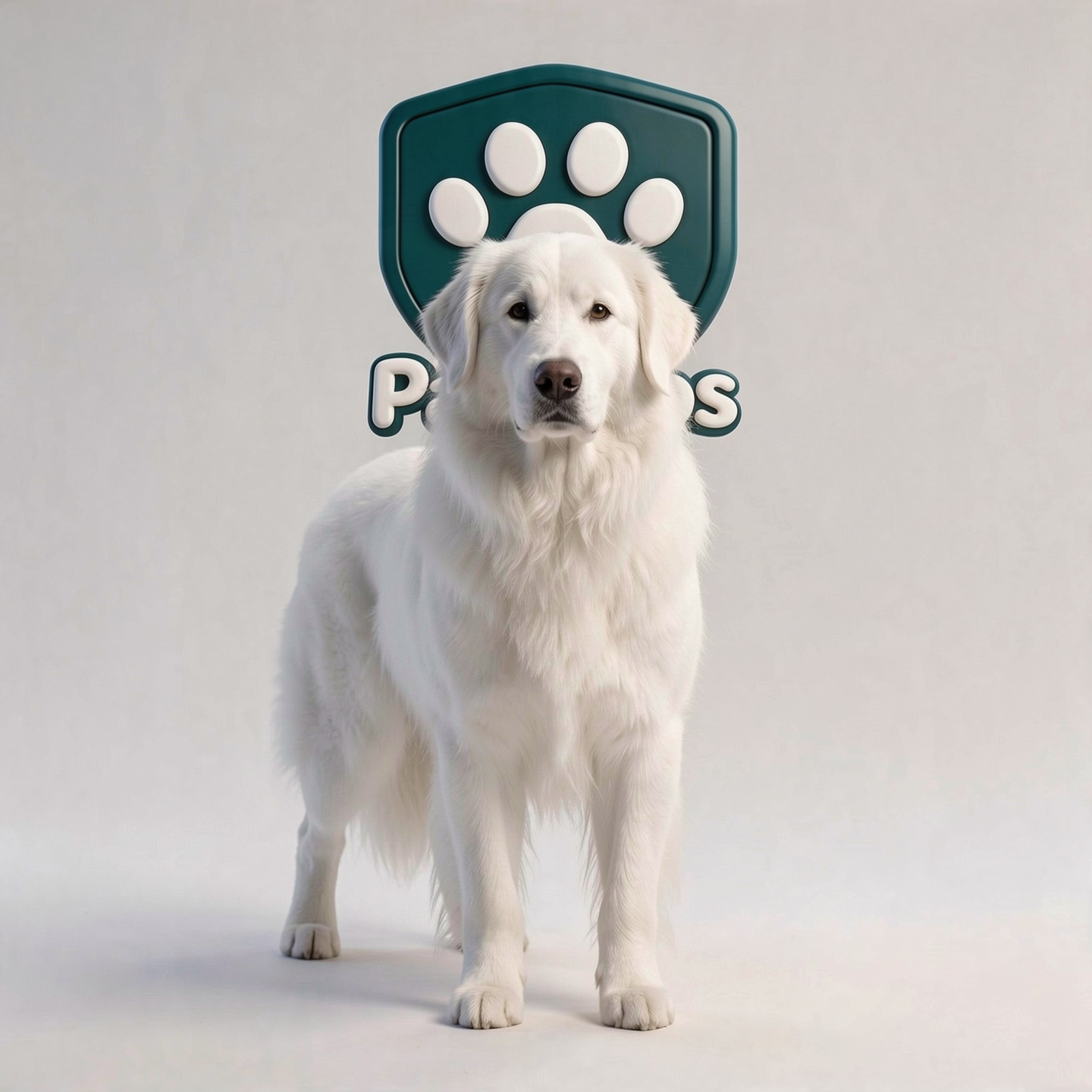
Great Pyrenees
Majestic guardians with a gentle heart and fierce loyalty.
Original Role: Livestock guardian
💪 Strengths
- + Exceptional guardian instincts for family and property
- + Calm and patient demeanor with children
⚠️ Weaknesses
- − Can be stubborn and slow to obey commands
- − Heavy shedding and high grooming needs
📜 Breed History
The Great Pyrenees, often called the 'Pyr,' hails from the rugged Pyrenees Mountains that straddle the border of France and Spain. This ancient breed has been around for centuries, with origins tracing back thousands of years to the large white dogs that guarded livestock in Asia Minor. They were bred by Basque shepherds to protect sheep from wolves and bears, a role that demanded not just size and strength but also a deep well of courage and independence. These dogs were often left alone for days with their flocks, making decisions without human guidance, which explains their self-reliant nature today.
By the 17th century, the Great Pyrenees caught the eye of French nobility, earning a reputation as a symbol of elegance and power. They were even declared the Royal Dog of France by Louis XIV, who kept them at the Palace of Versailles. Their journey to North America began in the early 1800s, and by 1933, the American Kennel Club recognized the breed, cementing their status as both working dogs and companions. Over time, while many still serve as livestock guardians on farms, their gentle temperament has also made them beloved family protectors. Their history as solitary mountain guardians shapes everything about them—from their calm demeanor to their instinctive need to patrol and protect.
A Gentle Giant with a Guardian’s Heart
I’ve spent years around Great Pyrenees, and let me tell you, there’s nothing quite like the presence of this breed. They’re towering, fluffy, and carry themselves with a quiet dignity that makes you feel like you’re in the company of royalty. But beneath that serene exterior is a dog bred to guard livestock against predators in the harsh Pyrenees Mountains. I’ve seen a Pyr stare down a stranger at the gate with an intensity that’ll make your skin prickle, only to turn around and nuzzle a toddler with the softest touch. They’re paradoxes—gentle yet fierce, independent yet loyal. Living with one means embracing a dog that thinks for itself, often deciding your rules are mere suggestions. If you’re ready for a companion that’s more partner than pet, the Great Pyrenees might steal your heart, but they’ll also test your patience.
Temperament & Personality
Day-to-day life with a Great Pyrenees is like living with a wise old soul trapped in a massive, furry body. They’re calm, almost stoic, often lounging on the porch or surveying their domain with a regal air. I’ve watched mine perch on a hill in the yard, scanning the horizon like they’re still guarding sheep from wolves. But don’t mistake their quiet nature for laziness—they’re always on duty. They’ll alert you with a deep, booming bark if something’s amiss, and trust me, you’ll hear it at 3 a.m. when a raccoon dares to cross the property line.
They’re incredibly gentle with family, especially kids. I’ve seen a Pyr lie perfectly still while my niece used them as a pillow, tail wagging slowly. But their independence can catch you off guard. They’re not clingy—don’t expect a dog that’s glued to your side begging for attention. They love you on their terms, often wandering off to patrol the yard or check the perimeter. This self-reliance means they can handle being alone better than most breeds, but it also means they’ll question your authority if they don’t see the point of your command.
Exercise & Activity Needs
Great Pyrenees aren’t high-octane dogs, but they still need space to move. Their energy level sits at a moderate hum—think long, leisurely walks rather than sprints. I’ve found that a solid hour of activity daily keeps them content, whether it’s a hike through the woods or just ambling around a large fenced yard. They were bred to roam vast mountain ranges, so they thrive when they can stretch their legs and explore. Without that, they can get restless, and a bored Pyr might decide to dig up your garden or test the strength of your fence.
They’re not the type to demand fetch sessions or agility courses. In fact, they’ll often look at you like you’ve lost your mind if you try to push high-intensity play. But they do need mental stimulation—give them a job, like watching over the yard or carrying a light pack on walks. Hot weather slows them down fast; their thick coat means they overheat easily. I’ve learned to keep summer outings short and early, saving longer treks for cooler months.
Training & Intelligence
Training a Great Pyrenees is a test of wills, and I’ll be straight with you—I’ve lost more battles than I’ve won. They’re intelligent, no doubt, picking up on routines and cues with a sharpness that surprises you. But they were bred to make decisions solo in the mountains, not to blindly follow orders. If they don’t see the purpose behind a command, good luck. I’ve spent hours trying to teach mine a simple ‘stay,’ only to have them wander off mid-session to check on a noise at the fence.
Start early, be consistent, and use positive reinforcement. They respond to treats and praise, but harsh methods will shut them down. Socialization is critical—their guardian instincts can make them wary of strangers or other dogs if they’re not exposed early. I’ve seen an unsocialized Pyr turn into a 120-pound wall of suspicion at the dog park. Patience is your best tool; they learn at their own pace, often making you wonder who’s really training who.
Health & Lifespan
Great Pyrenees live around 10 to 12 years, a decent span for a giant breed, but their size comes with health challenges. Hip dysplasia is a big concern—I’ve known several Pyrs who needed surgery or pain management by middle age. Bloat is another risk, especially given their deep chests; I always feed mine smaller meals and avoid exercise right after eating. Patellar luxation, where the kneecap slips, and certain cancers like osteosarcoma pop up more than I’d like in this breed. Regular vet checkups are non-negotiable, and you’ll want to budget for potential joint supplements or even orthopedic surgeries down the line.
They’re also prone to heatstroke due to that dense coat, so I’ve had to keep a close eye during summer. Eye conditions like cataracts can creep in as they age, and some lines carry genetic risks for heart issues. Finding a reputable breeder who tests for these conditions is worth the effort—trust me, vet bills for a giant dog add up fast if you skimp on health screenings upfront.
Grooming & Maintenance
If you’re not ready for a house full of white fur, think twice about a Great Pyrenees. Their double coat—thick undercoat with a longer outer layer—sheds like there’s no tomorrow, especially during spring and fall. I’ve swept up enough hair to make a second dog some seasons. Brushing them two to three times a week helps, but you’ll still find tumbleweeds under the couch. A good undercoat rake is your friend; I’ve spent many evenings working through mats behind their ears and on their feathery legs.
Baths are a production—they’re huge, and that coat holds water like a sponge. I stick to every six weeks unless they’ve rolled in something awful. Their ears need checking for infections, and those big paws collect mud like magnets. Nail trims are a must; their size means overgrown nails can mess with their gait. It’s work, but their majestic look after a grooming session makes it worthwhile—until they shed all over your clean floor five minutes later.
Diet & Nutrition
Feeding a Great Pyrenees is like fueling a small horse. They need a high-quality diet tailored for large breeds, with controlled protein and calcium to support slow, steady growth—rapid growth in puppies can lead to joint issues. I’ve stuck to large-breed formulas, splitting their meals into two or three smaller portions to reduce bloat risk. Adults might eat 4 to 6 cups of kibble daily, depending on weight and activity, which means a hefty food bill. I’ve learned to buy in bulk and watch for sales.
They’re not overly picky, but some can be prone to weight gain if overfed—those giant frames hide extra pounds well until it’s a problem. I keep treats minimal and monitor their body condition. Fresh water is critical, especially in warm weather, as they dehydrate faster than you’d expect. Consulting a vet for portion sizes as they age keeps them from packing on unhealthy weight.
Living Conditions
Great Pyrenees are not apartment dogs. Full stop. They need space—a house with a securely fenced yard is ideal. I’ve seen them pace restlessly in small spaces, their guardian instincts frustrated without room to patrol. They’re happiest in cooler climates; their coat is built for mountain winters, not sweltering summers. I’ve had to install fans and provide shaded areas during heatwaves to keep mine comfortable.
They can adapt to suburban or rural life, but they’ll bark at every passing squirrel or car if the environment’s too busy. A quiet, spacious setting suits them best. They don’t need constant company, so they’re fine with owners who work away from home, as long as they get their exercise and attention when you’re around. Just don’t expect them to curl up in a tiny corner—they sprawl, taking up half the living room.
Who Should Get This Breed
If you’ve got a big yard, live in a cooler area, and want a dog that’s equal parts protector and gentle giant, the Great Pyrenees could be your match. They’re perfect for families with kids who need a patient, watchful companion. I’ve seen them thrive with owners who appreciate their independence and don’t need a dog that’s overly needy. If you’re on a farm or have property to guard, their instincts will shine—they’ll take the job seriously, whether it’s watching over chickens or just your front gate. They’re a fit for someone with a laid-back lifestyle who values a dog that’s more of a partner than a follower.
Who Should NOT Get This Breed
If you live in a small apartment or a hot, humid climate, steer clear. They’ll be miserable without space or cool air, and you’ll be frustrated by their shedding and size in tight quarters. They’re not for first-time owners who expect instant obedience—I’ve seen newbies throw up their hands when a Pyr ignores every command. If you want a high-energy playmate for constant games or a dog that sticks to your side 24/7, this isn’t the breed. And if you’re not prepared for grooming or potential health costs for a giant dog, think twice. They’re a commitment, not a casual pet.
❓ Great Pyrenees FAQs
The questions people ask most, answered from this breed's trait scores.
Is the Great Pyrenees good with children?
The Great Pyrenees scores 8/10 for child-friendliness, making it a good match for families with children. That score reflects the breed's typical temperament, not any individual animal — early socialisation and how the dog was raised matter just as much. Supervise interactions with toddlers whatever the breed.
Does the Great Pyrenees get along with other pets?
Scoring 6/10 for pet-friendliness, the Great Pyrenees is usually fine with other pets once introduced properly. Prey drive matters here as well as sociability: breeds built to chase can live happily with a household cat they grew up with and still pursue an unfamiliar one.
How much exercise does the Great Pyrenees need?
The Great Pyrenees rates 5/10 for energy and needs about an hour a day. The breed was originally developed for livestock guardian, which is where that requirement comes from.
Does the Great Pyrenees shed a lot?
At 8/10 for shedding, the Great Pyrenees sheds noticeably, and you will find hair on clothes and furniture. It has a long double coat. Worth knowing: low shedding is not the same as hypoallergenic — most people react to proteins in dander and saliva, not to hair itself, so no breed is genuinely allergy-free.
Is the Great Pyrenees easy to train?
The Great Pyrenees scores 5/10 for trainability, making it trainable with consistency, though not eager to please for its own sake. It scores 7/10 for intelligence — worth separating from trainability, because a clever breed that has decided not to listen is harder work than a simpler one that wants to.
What is the average lifespan of the Great Pyrenees?
The Great Pyrenees typically lives 10–12 years. We rate the breed 5/10 for general health robustness. Individual lifespan depends heavily on genetics, weight management and veterinary care.
How big does the Great Pyrenees get?
A full-grown Great Pyrenees usually weighs 85–160 lbs and stands roughly 25–32 inches at the shoulder. That places it in the giant size band. Males generally sit at the upper end of both ranges.
Does the Great Pyrenees bark a lot?
Rated 6/10 for barking, the Great Pyrenees barks a moderate amount. Training and adequate exercise both reduce nuisance barking, but they will not turn a naturally vocal breed into a silent one.
Is the Great Pyrenees suited to apartment living?
The Great Pyrenees is a difficult fit for apartment living. It scores 6/10 for adaptability, 5/10 for energy and 6/10 for barking — the three traits that decide this. Floor space matters far less than whether the breed can settle indoors and stay quiet while you are out.
Is the Great Pyrenees a good choice for first-time owners?
On balance the Great Pyrenees is manageable for a first-time owner who is willing to put the work in early, based on its trainability (5/10), adaptability (6/10) and energy level (5/10). The most common reason a first dog does not work out is a mismatch between the breed's daily needs and the owner's actual routine, rather than anything about the breed itself.
Written and reviewed by PawLabs Editorial Team
We build PawLabs from published kennel club breed standards and veterinary reference sources. Profiles are drafted with AI assistance against that source data, then reviewed and corrected by a person before anything is published. We say so because you should know how the thing you're reading was made. How we research breeds · Report a correction
Note: Breed profiles are general reference, not veterinary advice. For anything concerning your own animal, talk to a vet who can examine them.