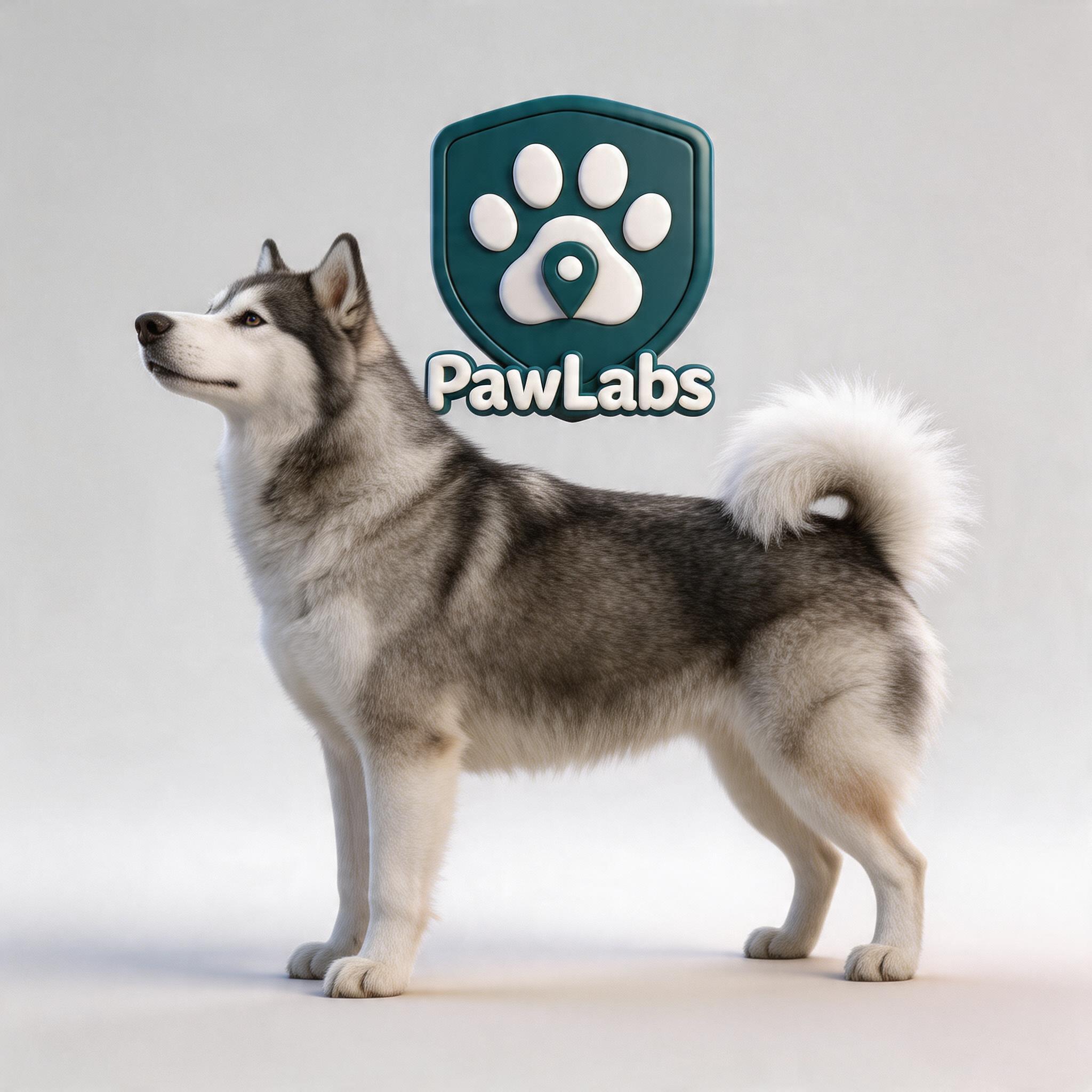
Mastiff
A gentle giant with unmatched loyalty, the Mastiff is both protector and family companion.
Original Role: Guarding property and family
💪 Strengths
- + Exceptional loyalty and protective instincts
- + Calm and gentle with family
⚠️ Weaknesses
- − Short lifespan and significant health concerns
- − Requires substantial space and food costs
📜 Breed History
The Mastiff, often called the Old English Mastiff, has roots that stretch back thousands of years, originating in ancient Britain. These massive dogs were bred as war dogs, guardians, and protectors of estates, their sheer size and strength making them formidable against intruders or predators. Historical records suggest they were used by the Romans, who encountered them during their invasions of Britain around 55 BCE, and were so impressed that they brought Mastiffs back to fight in gladiatorial arenas. Their name likely derives from the Latin 'mansuetus,' meaning tame or gentle, a nod to their temperament when properly socialized, despite their fearsome appearance.
Over centuries, Mastiffs evolved from battlefield companions to estate guardians for English nobility. By the Middle Ages, they were a symbol of status, often kept to protect castles and manors from bandits. Their numbers dwindled after World War II due to food shortages—feeding a dog this large was nearly impossible during rationing—but dedicated breeders revived the population. Today, the Mastiff is recognized by major kennel clubs like the AKC and remains a beloved, if rare, guardian breed. Their history is a testament to resilience, transitioning from warriors to family protectors while retaining that ancient aura of quiet power.
The Mastiff: A Gentle Giant with a Heart as Big as Its Frame
I’ve spent years around Mastiffs, and I can tell you straight up: there’s nothing quite like living with a dog that’s basically a small bear with a soulful gaze. These dogs are the epitome of 'gentle giant'—weighing up to 230 pounds, they can knock over furniture with a casual tail wag, yet I’ve seen them tiptoe around toddlers with a tenderness that melts your heart. But don’t let their soft side fool you. A Mastiff’s protective instinct is hardwired, and they’ll stand between their family and any threat without a second thought. They’re not for everyone, though. Their size, health challenges, and sheer cost of ownership are daunting. If you’re considering one, you need to know what you’re signing up for.
Temperament & Personality
Day-to-day life with a Mastiff is a unique blend of calm and commanding. These dogs aren’t hyper—they’re more likely to sprawl across your couch like a furry rug than demand a game of fetch. I’ve had mornings where my Mastiff, Brutus, just stared at me from the floor, refusing to budge until he was good and ready. But that laid-back vibe flips in an instant if they sense danger. I remember a late-night walk when a stranger approached too quickly; Brutus didn’t bark, just positioned himself in front of me with a low, rumbling growl that said everything without a sound. They’re intuitive like that, reading your emotions and the room with uncanny precision. With family, they’re affectionate but not clingy. They’ll lean into you for a pat (brace yourself for the weight), then go back to napping. Socialization is key, though—if not exposed to people and other dogs early, they can become overly wary of strangers.
Exercise & Activity Needs
Don’t expect a Mastiff to be your jogging buddy. These dogs have low to moderate energy levels, and honestly, they’re happier with a couple of short walks a day than an intense hike. I’ve taken mine on 20-minute strolls around the block, and by the end, they’re panting and ready for a three-hour nap. Puppies need more activity to build muscle and prevent obesity, but you have to be careful—too much exercise can strain their growing joints. I’d aim for 30-45 minutes total of light play or walking for adults, split into two sessions. Mental stimulation matters too; they enjoy a good puzzle toy, though mine once just chewed through it instead of solving it. Without enough activity, they’ll pack on pounds fast, which is disastrous for their already vulnerable joints.
Training & Intelligence
Training a Mastiff is a test of patience. They’re smart—don’t get me wrong, I’ve watched them figure out how to open a gate with a nudge—but they’re also stubborn as a brick wall. If they don’t see the point of a command, good luck convincing them. I spent weeks teaching one to 'stay,' only for him to stare at me like I’d insulted his ancestors before wandering off. Positive reinforcement works best; they respond to treats and praise, but harsh methods will just shut them down. Start early, because once they’re 150 pounds, you’re not physically correcting anything. Their protective nature means they’ll naturally guard, but you’ve got to teach boundaries so they don’t overreact to the mailman. Consistency is everything with these guys.
Health & Lifespan
Here’s the hard truth: Mastiffs don’t live long, and their health issues can break your heart and your bank account. Most only make it 6-10 years, and I’ve known owners who’ve spent thousands on vet bills before their dog hit middle age. Hip dysplasia is a huge concern; I’ve seen these dogs limp painfully by age 5 if breeders didn’t screen for it. Elbow dysplasia, bloat (a life-threatening stomach twist), and heart conditions like cardiomyopathy are also common. One Mastiff I knew ballooned to 200 pounds and developed arthritis so severe he could barely stand. Regular vet checkups, weight management, and a quality diet are non-negotiable. Pet insurance is a must unless you’ve got deep pockets. They’re also prone to eye issues like entropion, where eyelids roll inward, irritating the cornea. It’s tough to watch such a stoic breed struggle, so be prepared for emotional and financial investment.
Grooming & Maintenance
On the grooming front, Mastiffs are low-maintenance, which is a relief given everything else. Their short coat sheds moderately—I’m talking a steady dusting of hair on your furniture, especially in spring and fall—but a weekly brush with a rubber glove or bristle brush keeps it under control. I’ve never spent more than 10 minutes brushing mine, and they seem to enjoy the attention. Baths are rare unless they roll in something foul, though drying a dog this size is a workout in itself. Their wrinkles, especially around the face, need wiping to prevent infections; I’ve dealt with a yeasty smell from neglected folds, and it’s not pleasant. Check their ears weekly for wax buildup, and trim those massive nails—mine once scratched a hardwood floor just by walking. It’s basic stuff, but their size makes every task feel bigger.
Diet & Nutrition
Feeding a Mastiff is like feeding a small horse. These dogs can eat 6-10 cups of high-quality kibble daily, depending on their weight and activity, and that adds up fast. I’ve spent upwards of $100 a month on food for just one, and that’s not counting treats or supplements. Puppies need a large-breed formula to support slow, steady growth—rushing it with cheap food can worsen joint issues. Adults do well on a protein-rich diet, but watch portions; I’ve seen owners overfeed thinking 'big dog, big appetite,' only to end up with an obese Mastiff struggling to breathe. Bloat is a real risk, so split meals into 2-3 smaller feedings and avoid exercise right after eating. Some owners I know add glucosamine supplements for joint health, which isn’t a bad idea given their predisposition to problems. Always keep fresh water handy—a dog this size drinks a ton.
Living Conditions
Mastiffs aren’t built for cramped spaces. An apartment? Forget it. I tried keeping one in a small rental years ago, and he knocked over a lamp just turning around. They need a house with room to stretch out, ideally with a fenced yard for lounging. They’re not big on running, so the yard doesn’t have to be massive, but they do appreciate a safe spot to watch their domain. Hot climates are rough on them—their heavy build and short muzzle mean they overheat fast. I’ve had to limit outdoor time to early mornings in summer to keep mine from panting dangerously. Cold weather is more tolerable, but they still prefer being indoors with their people. They’re not outdoor dogs; they want to be near you, even if that means taking up half your living room.
Who Should Get This Breed
If you’re someone with a big home, a stable income, and a deep love for low-energy, protective dogs, a Mastiff could be your soulmate. They’re perfect for families who want a guardian that’s gentle with kids—I’ve watched mine let a 3-year-old climb all over him without so much as a grumble. Experienced dog owners who can handle their size and health needs will find them rewarding; there’s something profound about earning the trust of a dog bred to guard with its life. If you’re home often and can commit to early socialization, you’ll have a loyal companion who makes you feel safer just by being there. They don’t demand constant action, so they suit a quieter lifestyle, provided you’ve got the space.
Who Should NOT Get This Breed
If you live in a small space, have a tight budget, or can’t handle the emotional toll of a short lifespan, a Mastiff isn’t for you. I’ve seen first-time owners overwhelmed by the sheer scale of everything—food bills, vet costs, even just moving the dog when it plants itself in a doorway. Active folks looking for a hiking partner will be frustrated; these dogs tire out fast and prefer lounging over adventure. If you’re away from home a lot, they’ll struggle with loneliness and could become destructive or anxious. And honestly, if you’re not ready for the heartbreak of potential health issues or saying goodbye too soon, look elsewhere. They’re a huge commitment in every sense of the word, and you’ve got to be all in.
❓ Mastiff FAQs
The questions people ask most, answered from this breed's trait scores.
Is the Mastiff good with children?
The Mastiff scores 7/10 for child-friendliness, making it a good match for families with children. That score reflects the breed's typical temperament, not any individual animal — early socialisation and how the dog was raised matter just as much. Supervise interactions with toddlers whatever the breed.
Does the Mastiff get along with other pets?
Scoring 6/10 for pet-friendliness, the Mastiff is usually fine with other pets once introduced properly. Prey drive matters here as well as sociability: breeds built to chase can live happily with a household cat they grew up with and still pursue an unfamiliar one.
How much exercise does the Mastiff need?
The Mastiff rates 4/10 for energy and needs roughly 30–45 minutes a day. The breed was originally developed for guarding property and family, which is where that requirement comes from.
Does the Mastiff shed a lot?
At 5/10 for shedding, the Mastiff sheds a moderate amount year-round. It has a short short coat. Worth knowing: low shedding is not the same as hypoallergenic — most people react to proteins in dander and saliva, not to hair itself, so no breed is genuinely allergy-free.
Is the Mastiff easy to train?
The Mastiff scores 6/10 for trainability, making it trainable with consistency, though not eager to please for its own sake. It scores 7/10 for intelligence — worth separating from trainability, because a clever breed that has decided not to listen is harder work than a simpler one that wants to.
What is the average lifespan of the Mastiff?
The Mastiff typically lives 6–10 years. We rate the breed 3/10 for general health robustness, so budget for the possibility of ongoing veterinary costs. Individual lifespan depends heavily on genetics, weight management and veterinary care.
How big does the Mastiff get?
A full-grown Mastiff usually weighs 120–230 lbs and stands roughly 27–30 inches at the shoulder. That places it in the giant size band. Males generally sit at the upper end of both ranges.
Does the Mastiff bark a lot?
Rated 3/10 for barking, the Mastiff is fairly quiet and tends to bark only with reason. Training and adequate exercise both reduce nuisance barking, but they will not turn a naturally vocal breed into a silent one.
Is the Mastiff suited to apartment living?
The Mastiff is a difficult fit for apartment living. It scores 5/10 for adaptability, 4/10 for energy and 3/10 for barking — the three traits that decide this. Floor space matters far less than whether the breed can settle indoors and stay quiet while you are out.
Is the Mastiff a good choice for first-time owners?
On balance the Mastiff is better suited to someone who has raised a dog before, based on its trainability (6/10), adaptability (5/10) and energy level (4/10). The most common reason a first dog does not work out is a mismatch between the breed's daily needs and the owner's actual routine, rather than anything about the breed itself.
Written and reviewed by PawLabs Editorial Team
We build PawLabs from published kennel club breed standards and veterinary reference sources. Profiles are drafted with AI assistance against that source data, then reviewed and corrected by a person before anything is published. We say so because you should know how the thing you're reading was made. How we research breeds · Report a correction
Note: Breed profiles are general reference, not veterinary advice. For anything concerning your own animal, talk to a vet who can examine them.