Miniature American Shepherd
A pint-sized herder with boundless energy and fierce loyalty.
Original Role: Herding livestock and companion
💪 Strengths
- + Highly trainable with a strong work ethic
- + Compact size suits smaller living spaces
⚠️ Weaknesses
- − High energy demands daily mental and physical stimulation
- − Can be reserved with strangers if not socialized early
📜 Breed History
The Miniature American Shepherd, often called the 'Mini Aussie,' has roots deeply tied to the rugged landscapes of the American West. Developed in the 1960s in California, this breed emerged as a smaller version of the Australian Shepherd, bred specifically for those who wanted the herding prowess and intelligence of the Aussie in a more compact package. The goal was clear: create a dog capable of working livestock on smaller ranches or even in suburban settings while retaining the tenacity and smarts of its larger cousin.
Early breeders selectively paired smaller Australian Shepherds, focusing on size without sacrificing the breed’s signature work ethic. By the 1980s, the Miniature American Shepherd had a distinct identity, and enthusiasts formed the Miniature American Shepherd Club of the USA to preserve its unique traits. The breed gained recognition by the American Kennel Club in 2015, cementing its place in the Herding Group. Unlike some breeds that drift from their original purpose, I’ve seen Minis still excel at herding trials today, though many now thrive as agile companions in dog sports like agility and obedience. Their journey from working dog to versatile family pet reflects both their adaptability and the dedication of breeders who refused to let size diminish spirit.
A Small Herder with a Big Heart
I’ve spent countless mornings watching Miniature American Shepherds dart across fields with a focus that belies their small stature. These dogs, often mistaken for miniature Australian Shepherds, pack the same herding instinct and whip-smart intelligence into a frame that barely reaches 18 inches at the shoulder. But don’t let their size fool you. I’ve seen a Mini outmaneuver a full-grown sheep with the precision of a seasoned cowboy, and then curl up on a child’s lap hours later as if they hadn’t just run a marathon. They’re a paradox—compact yet commanding, gentle yet relentless when there’s a job to do. If you’re considering one, know this: they’re not just a smaller version of something else. They’re a breed with their own fire, and living with them means embracing both their brilliance and their boundless energy.
Temperament & Personality
Living with a Miniature American Shepherd feels like having a shadow that’s smarter than you half the time. They’re loyal to a fault—mine used to sit by the door for hours if I stepped out for even a quick errand, their little face pressed against the glass with a mix of longing and accusation. They bond hard with their people, often picking a favorite human to follow like a personal bodyguard. With strangers, though, they can be standoffish. I’ve noticed they’ll hang back, sizing up new faces with a quiet intensity until they decide you’re trustworthy. Early socialization helped with mine, but without it, that wariness can turn into aloofness.
They’re not couch potatoes, not by a long shot. Their herding heritage means they’re always on alert, ready to problem-solve or nudge you (or your kids, or your other pets) into line if they sense disorder. I’ve laughed watching one of my Minis try to herd the neighbor’s cat—unsuccessfully, but with such determination. They’re playful, too, especially with kids, though their energy can overwhelm little ones if not supervised. At their core, they’re workers with a soft side, eager to please but always itching for a mission.
Exercise & Activity Needs
If you’re not ready to commit to at least an hour of solid exercise every single day, this breed isn’t for you. I’m talking real activity—long walks, runs, or better yet, something that engages their brain like agility courses or fetch with a purpose. I’ve taken Minis on 5 a.m. hikes just to burn off enough steam so they wouldn’t spend the morning pacing the house, looking for something to do. Without that outlet, they get restless fast, and a bored Mini is a destructive Mini. I’ve come home to shredded pillows more than once when I underestimated their needs.
They thrive on variety, too. One of mine loved chasing a flirt pole in the backyard, while another lived for puzzle toys stuffed with treats. Their herding instinct means they’re happiest when moving, thinking, and problem-solving all at once. A simple stroll around the block won’t cut it—they’ll still be wired when you get home. If you’ve got a yard, great, but don’t expect them to entertain themselves. They want you in the game with them.
Training & Intelligence
Training a Miniature American Shepherd is like teaching a kid who’s already half a step ahead of you. They’re scary smart, picking up commands in days, sometimes hours. I taught one to sit, stay, and come in a single afternoon with nothing but a handful of kibble and some patience. Their herding background makes them hyper-attentive to cues, and they live for praise. But that intelligence cuts both ways—if they sense inconsistency, they’ll test boundaries. I’ve had a Mini figure out how to open a baby gate because I forgot to lock it once. Once.
They excel in obedience, agility, and even trick training, but they need a firm, positive hand. Harsh methods backfire—they’ll shut down or get stubborn. And while they’re eager to learn, their energy can make focus a challenge if they’re under-exercised. Start early, keep sessions short and fun, and you’ll have a dog who can practically read your mind. Socialization is non-negotiable, too. Without it, their natural reserve around strangers can harden into something less manageable.
Health & Lifespan
Miniature American Shepherds generally live 12 to 15 years, a solid span for a small-to-medium breed. But they’re not without their health quirks. Hip dysplasia can crop up, even in a dog this size—I’ve known a few who needed joint supplements by age 8 to stay comfortable. Eye issues like progressive retinal atrophy and cataracts are also a concern; I always recommend getting a pup from a breeder who screens for these. And because of their merle coloring, some are prone to deafness or vision problems if improperly bred. Vet bills for genetic testing or corrective care can add up, so budget for that.
They’re also active enough to risk injuries—torn ligaments or sprains aren’t uncommon if they overdo it on uneven terrain. I’ve had to cut back on intense play with one of mine after a vet warned me about stress on her knees. Regular checkups and a good diet help, but they’re not bulletproof. Keep an eye on their weight, too; a few extra pounds on a small frame can strain their joints fast.
Grooming & Maintenance
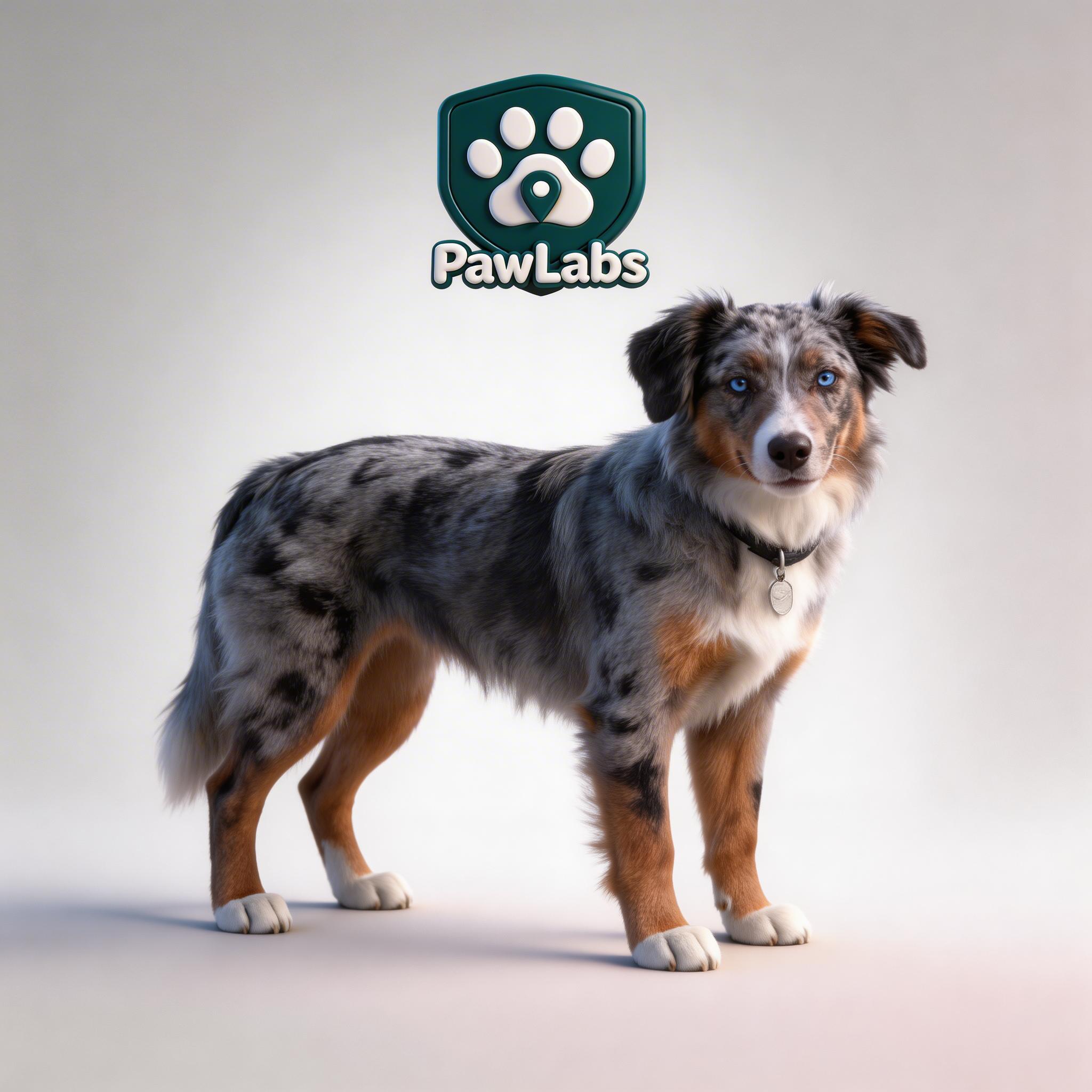
Their double coat—medium-length and often strikingly patterned in merle or tricolor—looks gorgeous but isn’t low-maintenance. I brush mine every few days to keep the shedding under control, especially in spring and fall when they blow their undercoat. Without it, you’ll find tumbleweeds of fur rolling across your floor. Baths every 6 to 8 weeks keep them clean, though they’re not prone to smelling unless they’ve rolled in something questionable during a romp outside.
Nails need trimming every few weeks; their active lifestyle doesn’t always wear them down naturally. I’ve also had to stay on top of ear cleaning—one of mine got an infection after a muddy hike because I slacked off. Teeth brushing is a must, too, as smaller breeds can develop dental issues. It’s not a ton of work, but it’s consistent. If you’re not into grooming, you’ll need to pay someone else to handle it.
Diet & Nutrition
Feeding a Miniature American Shepherd isn’t complicated, but their energy levels mean they burn through calories fast. I’ve always stuck to high-quality kibble with a good protein-to-fat ratio—think 25-30% protein for active adults. Puppies need even more to support their growth and endless zoomies. Portion control is key; I’ve seen a Mini pack on weight when an owner overfed treats, and it slowed them down noticeably. Most adults do well on 1 to 2 cups of food daily, split into two meals, but adjust based on activity.
Some can have sensitive stomachs, so I avoid cheap fillers or sudden diet changes. One of mine got terrible gas until I switched to a grain-free formula, though not every dog needs that. Fresh water always, especially after exercise—they’ll pant hard and dehydrate if you’re not careful. And watch for food guarding; their herding instinct can make them possessive if not trained early.
Living Conditions
These dogs can adapt to apartments, but only if you’re committed to meeting their exercise needs. I’ve known Minis who thrived in small spaces because their owners took them on twice-daily runs. A house with a yard is ideal, though—they love having space to patrol and burn off steam. Fencing is a must; their curiosity and speed mean they’ll bolt after a squirrel if given the chance. I learned that the hard way when one of mine slipped out and led me on a 20-minute chase.
Climate-wise, their double coat handles moderate cold well, but extreme heat can wear them out. I always cut back on midday walks in summer and made sure mine had shade and water. They’re happiest in environments where they can be active, not cooped up. If you’re in a tiny space with no time for outings, they’ll be miserable.
Who Should Get This Breed
If you’re an active person with time to spare, the Miniature American Shepherd could be your perfect match. I’ve seen them flourish with owners who hike, run, or compete in dog sports—they live for that kind of partnership. Families with older kids who can keep up with their energy do well, too, as long as everyone’s on board with training. They’re a fantastic choice for anyone wanting a smart, loyal dog in a smaller package, especially if you’ve got the patience to channel their drive into something productive. A first-time owner can make it work, but only with dedication and research.
Who Should NOT Get This Breed
If you’re looking for a low-energy lap dog, walk away now. I’ve met too many people who underestimated the Mini’s needs and ended up frustrated when their pup wouldn’t settle. Busy professionals who are gone 10 hours a day shouldn’t consider them either—separation anxiety kicks in hard, and they’ll act out. Families with very young kids might struggle; their herding instinct can lead to nipping at heels during play. And if you’re not into training or exercise, you’ll clash with this breed. They’re not a casual commitment. They demand your time, energy, and heart.
❓ Miniature American Shepherd FAQs
The questions people ask most, answered from this breed's trait scores.
Is the Miniature American Shepherd good with children?
The Miniature American Shepherd scores 7/10 for child-friendliness, making it a good match for families with children. That score reflects the breed's typical temperament, not any individual animal — early socialisation and how the dog was raised matter just as much. Supervise interactions with toddlers whatever the breed.
Does the Miniature American Shepherd get along with other pets?
Scoring 6/10 for pet-friendliness, the Miniature American Shepherd is usually fine with other pets once introduced properly. Prey drive matters here as well as sociability: breeds built to chase can live happily with a household cat they grew up with and still pursue an unfamiliar one.
How much exercise does the Miniature American Shepherd need?
The Miniature American Shepherd rates 8/10 for energy and needs at least an hour to 90 minutes a day, and it should be real exercise rather than a stroll. Under-exercised, this is a breed that finds its own entertainment — usually at the expense of your furniture. The breed was originally developed for herding livestock and companion, which is where that requirement comes from.
Does the Miniature American Shepherd shed a lot?
At 6/10 for shedding, the Miniature American Shepherd sheds a moderate amount year-round. It has a medium double coat. Worth knowing: low shedding is not the same as hypoallergenic — most people react to proteins in dander and saliva, not to hair itself, so no breed is genuinely allergy-free.
Is the Miniature American Shepherd easy to train?
The Miniature American Shepherd scores 9/10 for trainability, making it exceptionally trainable, and happiest when it has something to learn. It scores 9/10 for intelligence — worth separating from trainability, because a clever breed that has decided not to listen is harder work than a simpler one that wants to.
What is the average lifespan of the Miniature American Shepherd?
The Miniature American Shepherd typically lives 12–15 years. We rate the breed 6/10 for general health robustness. Individual lifespan depends heavily on genetics, weight management and veterinary care.
How big does the Miniature American Shepherd get?
A full-grown Miniature American Shepherd usually weighs 20–40 lbs and stands roughly 13–18 inches at the shoulder. That places it in the small size band. Males generally sit at the upper end of both ranges.
Does the Miniature American Shepherd bark a lot?
Rated 6/10 for barking, the Miniature American Shepherd barks a moderate amount. Training and adequate exercise both reduce nuisance barking, but they will not turn a naturally vocal breed into a silent one.
Is the Miniature American Shepherd suited to apartment living?
The Miniature American Shepherd is a difficult fit for apartment living. It scores 6/10 for adaptability, 8/10 for energy and 6/10 for barking — the three traits that decide this. Floor space matters far less than whether the breed can settle indoors and stay quiet while you are out.
Is the Miniature American Shepherd a good choice for first-time owners?
On balance the Miniature American Shepherd is manageable for a first-time owner who is willing to put the work in early, based on its trainability (9/10), adaptability (6/10) and energy level (8/10). The most common reason a first dog does not work out is a mismatch between the breed's daily needs and the owner's actual routine, rather than anything about the breed itself.
Written and reviewed by PawLabs Editorial Team
We build PawLabs from published kennel club breed standards and veterinary reference sources. Profiles are drafted with AI assistance against that source data, then reviewed and corrected by a person before anything is published. We say so because you should know how the thing you're reading was made. How we research breeds · Report a correction
Note: Breed profiles are general reference, not veterinary advice. For anything concerning your own animal, talk to a vet who can examine them.