Newfoundland
A gentle giant with a lifesaving legacy and endless patience.
Original Role: Water rescue and draft work
💪 Strengths
- + Exceptional strength and swimming ability for water rescue
- + Incredibly patient and gentle with children
⚠️ Weaknesses
- − High maintenance due to size, shedding, and health issues
- − Not suited for small living spaces or hot climates
📜 Breed History
The Newfoundland hails from the rugged shores of Newfoundland, Canada, where it was developed by fishermen in the 17th and 18th centuries. These dogs were bred for their immense strength and swimming prowess, serving as indispensable partners in water rescue and hauling fishing nets or carts laden with gear. Their origins likely trace back to a mix of indigenous dogs and European breeds brought by settlers, possibly including Mastiffs and Portuguese Water Dogs. That thick, water-repellent double coat and webbed feet? Pure adaptation to the icy North Atlantic waters.
By the 19th century, the breed caught the eye of English breeders, who refined its look while preserving its working ability. Newfoundlands became famous for their lifesaving feats—there are countless stories of them rescuing drowning sailors. They were recognized by the American Kennel Club in 1886, cementing their status in the working group. Beyond labor, they’ve been celebrated in art and literature, often depicted as noble protectors. I’ve always admired how their history isn’t just about work; it’s about a deep bond with humans, forged in harsh conditions. Today, they’re still guardians and companions, though their working roots are often more folklore than daily reality for most owners.
The Newfoundland: A Gentle Giant with a Hero’s Heart
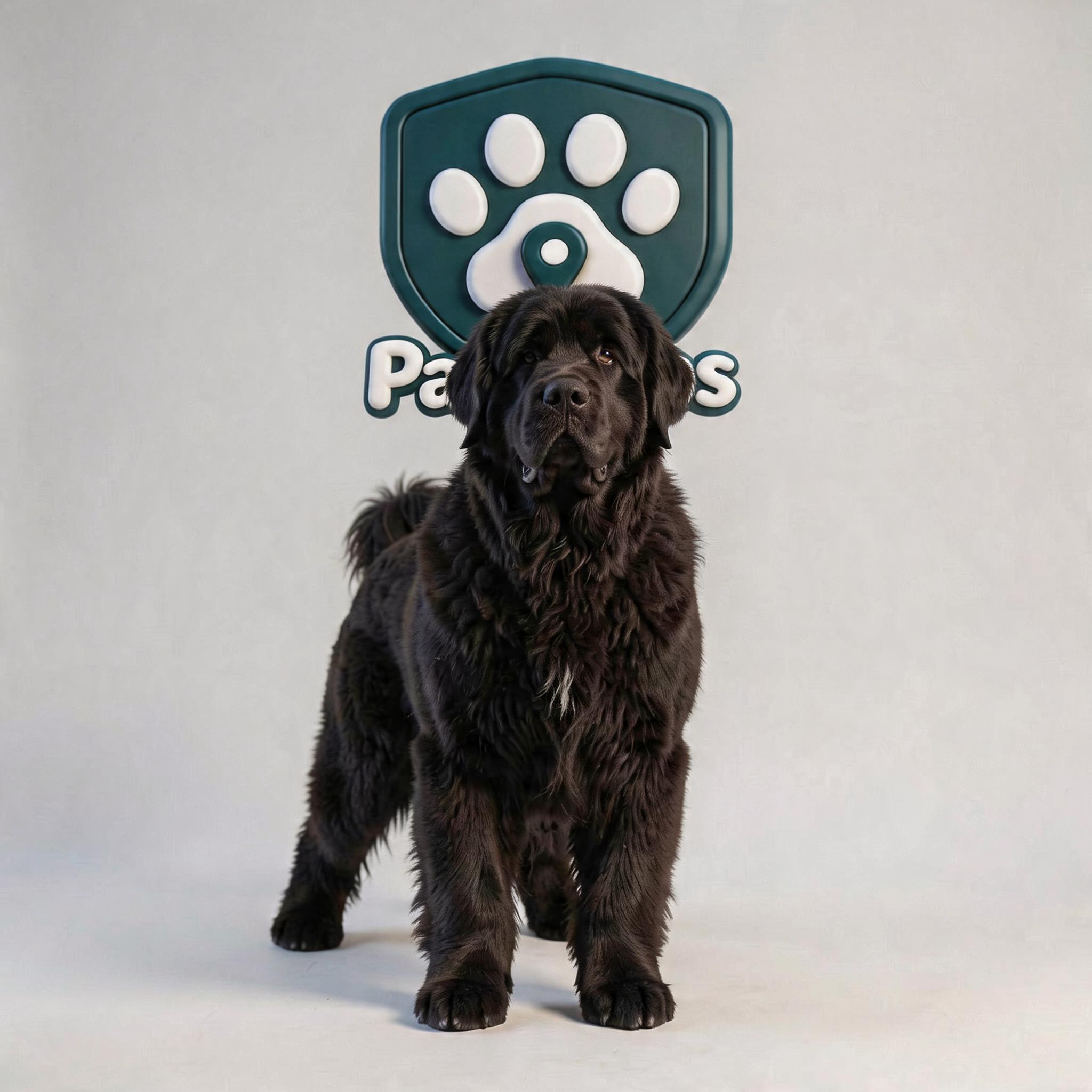
I’ve spent years around Newfoundlands, and let me tell you, there’s nothing quite like the presence of this breed. They’re towering, often tipping the scales at 120 pounds or more, with a soulful gaze that seems to say, 'I’ve got your back.' I’ve watched a Newfoundland calmly lie down next to a toddler having a meltdown, just offering quiet comfort with its massive, furry bulk. But don’t let that sweetness fool you into thinking they’re low-maintenance. These dogs are a commitment—think drool on every surface, fur tumbleweeds in your home, and a food bill that rivals a small human’s. They’re not just pets; they’re a lifestyle. If you’re drawn to a dog that’s equal parts protector and pillow, the Newfoundland might steal your heart, but you’ve got to be ready for the reality of living with a gentle giant.
Temperament & Personality
Living with a Newfoundland feels like having a bear-sized best friend who thinks it’s a lap dog. I’ve had one plop down on my feet during a movie, completely oblivious to its 130-pound weight, just wanting to be close. They’re incredibly gentle, especially with kids—I’ve seen them patiently endure tail pulls and ear tugs from little hands without so much as a grumble. Their loyalty runs deep; they’ll shadow you from room to room, always keeping an eye out. But they’re not pushovers. There’s a quiet protectiveness to them. One of mine once stood between me and a stranger at the door, not growling, just… there, a wall of fur making its point. They’re not overly excitable, though. Don’t expect hyper zoomies at 5am. Their energy is more of a slow burn, a calm presence that can shift to powerful action if they sense a need, like pulling a struggling swimmer from water. That said, their sheer size means even their gentle nudges can knock over a coffee table, so you’ll need to be mindful.
Exercise & Activity Needs
Newfoundlands aren’t marathon runners, and honestly, they don’t need to be. Their working history is more about strength than speed—think hauling nets or swimming short, intense distances. I’ve found that a solid hour of moderate activity daily keeps them happy. A leisurely walk around the neighborhood or a swim in a lake if you’ve got access is perfect. They adore water; I’ve taken mine to a local pond and watched them paddle around with this blissful look, like they’re finally in their element. But don’t push them too hard, especially in heat—their thick coat and heavy build mean they overheat fast. Puppies and younger dogs might have bursts of playfulness, chasing a ball for 20 minutes before flopping down for a nap. Older ones? They’re content with a slow stroll and a long lie-down in the shade. Without that moderate exercise, though, they can pack on pounds, which is brutal on their joints. So, you’ve got to stay consistent, even if they give you those pleading eyes to skip the walk.
Training & Intelligence
Newfoundlands are smart—really smart. They’ve got a knack for figuring out what you want, often before you’ve finished asking. I’ve trained a few to do water rescue drills, and their ability to understand complex tasks, like retrieving a specific object from a pool, blew me away. But here’s the catch: they’re not always eager to please like a Border Collie. They’ve got a stubborn streak, especially if they think there’s no point to what you’re asking. I’ve had one just sit there during a ‘stay’ command, giving me a look like, 'Why should I?' Patience is key. Start training early, use positive reinforcement—treats and praise work wonders—and keep sessions short. Socialization is non-negotiable with a dog this size. I’ve seen an under-socialized Newfoundland get nervous around strangers, and a 120-pound anxious dog is no small problem. They respond well to consistency, though, and once they trust you, they’ll work hard to make you proud.
Health & Lifespan
I wish I could say Newfoundlands are tough as nails health-wise, but the truth is, they’ve got some vulnerabilities. Their size comes with a cost—hip and elbow dysplasia are common, and I’ve known owners who’ve spent thousands on surgeries to ease joint pain. Heart issues, especially subaortic stenosis, are a real concern; I’ve lost a sweet Newfie to a sudden cardiac event at just 8 years old. Bloat is another risk, given their deep chests, so you’ve got to watch meal portions and timing. Their lifespan hovers around 9 to 11 years, which feels painfully short when you’ve bonded with one. Regular vet checkups are a must, as is screening for genetic conditions if you’re going through a breeder. I’ve also noticed they’re prone to cystinuria, a bladder stone condition, which can mean pricey diets or meds. Budget for vet costs—owning a Newfoundland isn’t cheap, and their health needs often intensify as they age.
Grooming & Maintenance
If you’re not okay with fur everywhere, a Newfoundland isn’t for you. Their double coat—thick, water-resistant, and medium-length—sheds like crazy, especially during spring and fall. I’ve swept up enough hair from one dog to knit a sweater. Brushing them two to three times a week helps, but you’ll still find fur on your couch, clothes, everywhere. I use a good undercoat rake to manage the worst of it. Baths are a production; their size means you’re in for a workout, and they take forever to dry. Don’t skimp on drying, though—damp fur can lead to skin infections. Drool is another reality. I’ve had to keep towels handy because their jowls drip after drinking or eating. Nails need regular trimming, and those big, floppy ears can trap moisture, so check them for infections. It’s not a light grooming load, but if you stay on top of it, they look majestic with that glossy coat.
Diet & Nutrition
Feeding a Newfoundland feels like provisioning a small army. They eat a lot—think 4 to 5 cups of high-quality kibble daily for an adult, split into two meals to reduce bloat risk. I’ve always leaned toward large-breed formulas with controlled calcium and phosphorus to support their bones, especially for puppies who grow fast. Watch their weight like a hawk; I’ve seen a Newfie balloon to 160 pounds from overfeeding, and the strain on their joints was heartbreaking. Treats should be minimal, though they’ll give you those soulful eyes begging for more. Some owners I know add fish oil for coat health, which makes sense given their shedding. Fresh water is non-negotiable, especially post-exercise, and keep an eye on any food sensitivities—some of mine have had tummy issues with cheap grain-heavy foods. It’s a pricey feeding commitment, but cutting corners on diet can lead to bigger health bills down the line.
Living Conditions
Newfoundlands are not apartment dogs. I’ve tried keeping one in a smaller space, and it was a disaster—every turn of their giant body knocked something over. They need room to sprawl, ideally a house with a fenced yard where they can lumber around. They’re not climbers or jumpers, so a basic fence works fine. Their thick coat means they thrive in cooler climates; I’ve had one pant miserably through a Southern summer, even with AC cranked. Heat is their enemy, so if you’re in a hot area, you’ll need shade, water, and limited outdoor time in peak temps. They’re adaptable to family life, happy to lounge indoors with you, but they’ll track in mud and drool on floors, so pristine homes beware. A rural or suburban setup with access to water for swimming is their dream, and honestly, where they’re happiest.
Who Should Get This Breed
If you’ve got a big heart and a big home, a Newfoundland could be your match. They’re perfect for families with kids who want a dog that’s more nanny than nuisance—I’ve never met a breed more tolerant of childish antics. If you live in a cooler climate and have space for a giant dog to stretch out, even better. They suit owners who can commit to moderate exercise, like a daily walk or swim, and who don’t mind a bit of mess. I’ve known outdoorsy types who take their Newfies on camping trips, using their strength to carry gear, and it’s a beautiful partnership. If you’re looking for a loyal companion who’ll make you feel safe just by being there, and you’ve got the budget for their care, this breed will reward you with unmatched devotion.
Who Should NOT Get This Breed
Let’s be real: Newfoundlands aren’t for everyone. If you live in a tiny apartment or a hot, humid area, you’re setting yourself up for frustration—they’ll overheat and overwhelm your space. They’re not a fit for folks who hate cleaning; the shedding and drool are relentless, and I’ve had friends give up after a month of constant vacuuming. If you’re away from home for long stretches, they’ll struggle with loneliness; I’ve seen separation anxiety turn a Newfie into a destructive mess. They’re also not for tight budgets—between food, grooming, and potential vet bills, they’re expensive. And if you want a high-energy running buddy, look elsewhere. Their calm demeanor won’t match a hyperactive lifestyle. Be honest about what you can handle before bringing one of these giants into your life.
❓ Newfoundland FAQs
The questions people ask most, answered from this breed's trait scores.
Is the Newfoundland good with children?
The Newfoundland scores 9/10 for child-friendliness, making it one of the most child-tolerant breeds we have profiled. That score reflects the breed's typical temperament, not any individual animal — early socialisation and how the dog was raised matter just as much. Supervise interactions with toddlers whatever the breed.
Does the Newfoundland get along with other pets?
Scoring 7/10 for pet-friendliness, the Newfoundland is generally sociable with other dogs and cats. Prey drive matters here as well as sociability: breeds built to chase can live happily with a household cat they grew up with and still pursue an unfamiliar one.
How much exercise does the Newfoundland need?
The Newfoundland rates 5/10 for energy and needs about an hour a day. The breed was originally developed for water rescue and draft work, which is where that requirement comes from.
Does the Newfoundland shed a lot?
At 8/10 for shedding, the Newfoundland sheds noticeably, and you will find hair on clothes and furniture. It has a medium double coat. Worth knowing: low shedding is not the same as hypoallergenic — most people react to proteins in dander and saliva, not to hair itself, so no breed is genuinely allergy-free.
Is the Newfoundland easy to train?
The Newfoundland scores 7/10 for trainability, making it responsive and straightforward to train. It scores 8/10 for intelligence — worth separating from trainability, because a clever breed that has decided not to listen is harder work than a simpler one that wants to.
What is the average lifespan of the Newfoundland?
The Newfoundland typically lives 9–11 years. We rate the breed 4/10 for general health robustness, so budget for the possibility of ongoing veterinary costs. Individual lifespan depends heavily on genetics, weight management and veterinary care.
How big does the Newfoundland get?
A full-grown Newfoundland usually weighs 100–150 lbs and stands roughly 26–28 inches at the shoulder. That places it in the giant size band. Males generally sit at the upper end of both ranges.
Does the Newfoundland bark a lot?
Rated 3/10 for barking, the Newfoundland is fairly quiet and tends to bark only with reason. Training and adequate exercise both reduce nuisance barking, but they will not turn a naturally vocal breed into a silent one.
Is the Newfoundland suited to apartment living?
The Newfoundland is a difficult fit for apartment living. It scores 5/10 for adaptability, 5/10 for energy and 3/10 for barking — the three traits that decide this. Floor space matters far less than whether the breed can settle indoors and stay quiet while you are out.
Is the Newfoundland a good choice for first-time owners?
On balance the Newfoundland is manageable for a first-time owner who is willing to put the work in early, based on its trainability (7/10), adaptability (5/10) and energy level (5/10). The most common reason a first dog does not work out is a mismatch between the breed's daily needs and the owner's actual routine, rather than anything about the breed itself.
Written and reviewed by PawLabs Editorial Team
We build PawLabs from published kennel club breed standards and veterinary reference sources. Profiles are drafted with AI assistance against that source data, then reviewed and corrected by a person before anything is published. We say so because you should know how the thing you're reading was made. How we research breeds · Report a correction
Note: Breed profiles are general reference, not veterinary advice. For anything concerning your own animal, talk to a vet who can examine them.