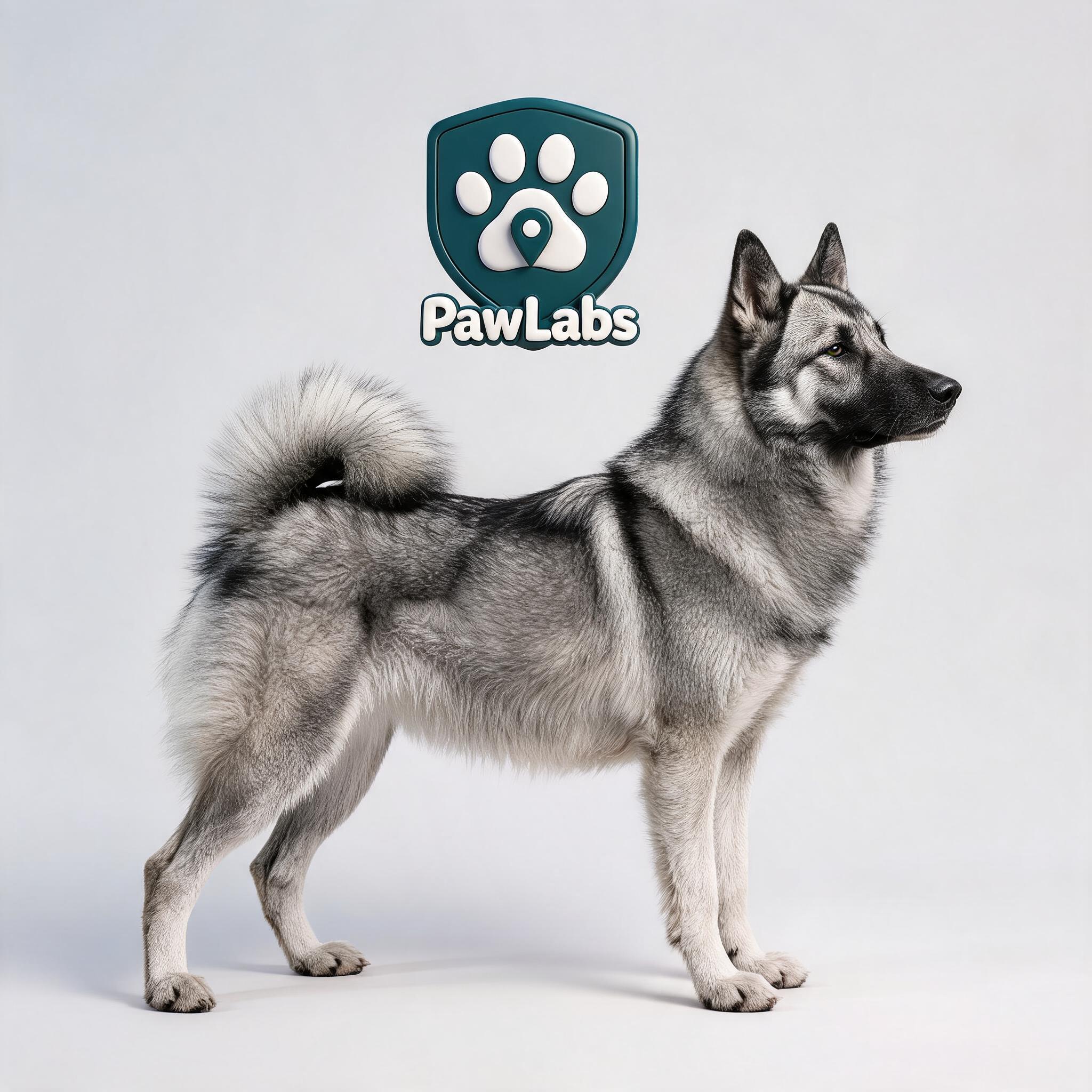
Norwegian Elkhound
A rugged, loyal hunter with boundless energy and a protective streak.
Original Role: Hunting large game, particularly elk
💪 Strengths
- + Exceptional endurance for outdoor activities
- + Strong protective instincts for family
⚠️ Weaknesses
- − High prey drive can lead to chasing
- − Tendency to bark frequently
📜 Breed History
The Norwegian Elkhound is a breed steeped in the rugged history of Scandinavia, tracing its roots back thousands of years to the Viking era in Norway. These dogs were indispensable to early Norse hunters, bred specifically for tracking and holding large game like elk and moose. Their name, 'Elkhound,' directly reflects this purpose—'elg' meaning elk and 'hund' meaning dog in Norwegian. They weren’t just hunters; they were companions on long, grueling treks through harsh northern terrain, often working alongside humans in bitter cold. Archaeological evidence, including ancient petroglyphs and skeletal remains, suggests that dogs resembling the modern Elkhound existed as far back as 4000-5000 BC, making them one of the oldest known breeds.
Their development was shaped by the need for endurance, courage, and independence. Unlike many hunting dogs that retrieve, Elkhounds were trained to track silently, then bark loudly to hold game at bay until the hunter arrived. This required a unique blend of patience and boldness. By the 19th century, the breed caught the attention of dog fanciers outside Norway, and it was officially recognized by the Norwegian Kennel Club in 1877. The American Kennel Club followed suit in 1930, classifying it in the Hound Group. Today, while fewer Elkhounds are used for hunting, their legacy as hardy, versatile working dogs endures, and they’ve adapted to roles as family protectors and companions in active households.
A Hardy Hunter with a Heart of Loyalty
I’ve spent countless hours with Norwegian Elkhounds over the years, and let me tell you, this breed is a force of nature. They’re not just dogs; they’re a living piece of Nordic history, built for the wild and ready to take on anything from a moose to a mountain hike. I’ve watched them bound through snowdrifts with an energy that seems endless, their thick gray coats practically glowing against the winter landscape. But beneath that tough exterior is a dog that’s fiercely loyal to its family, always on guard, and sometimes a little too vocal for its own good. If you’re considering bringing an Elkhound into your life, you’re signing up for a companion that’s as demanding as it is devoted.
Temperament & Personality
Living with a Norwegian Elkhound feels like having a steadfast guardian who’s also a bit of a free spirit. They bond deeply with their people—I’ve seen Elkhounds follow their owners from room to room, not out of neediness, but out of a quiet, protective instinct. They’re affectionate on their terms, often leaning against you for a quick pat before trotting off to investigate a noise outside. But they’re not lap dogs. Independence runs through their veins, a trait forged by centuries of hunting in Norway’s wilderness. I’ve noticed they can be aloof with strangers, sizing them up with a wary eye before deciding if they’re worth a tail wag.
One thing you’ll notice right away is their voice. Elkhounds bark—a lot. I’ve had neighbors complain when an Elkhound I fostered would sound the alarm at 3 a.m. over a passing raccoon. It’s not aggression; it’s their way of saying, 'I’m on duty.' They’re also playful in spurts, especially as puppies, but their humor can turn to stubbornness if they sense you’re not in charge. With kids, they’re generally patient, though I’ve seen them get overwhelmed by too much roughhousing. They’ll walk away rather than snap, but you’ll need to teach boundaries early.
Exercise & Activity Needs
If you’re not ready to keep up with a high-energy dog, the Norwegian Elkhound isn’t for you. These dogs were bred to track elk across rugged terrain for hours, and that stamina hasn’t gone anywhere. I’ve taken Elkhounds on 5-mile hikes through the woods, and they’re still raring to go when I’m ready to collapse. They need at least an hour of vigorous exercise daily—think long walks, runs, or off-leash play in a secure area. Without it, they get restless, and I’ve seen that boredom manifest as chewed-up shoes or relentless barking.
Mental stimulation is just as crucial. Their hunting background means they love problem-solving—hide treats around the yard or invest in puzzle toys. I once watched an Elkhound figure out how to open a latched gate just to chase a squirrel. If you’ve got a knack for outdoor adventures, this breed will be your best buddy. Camping, hiking, or even skijoring in the winter? They’re all in. Just don’t expect them to lounge on the couch all day.
Training & Intelligence
Training a Norwegian Elkhound is a test of patience. They’re smart—there’s no doubt about that—but they’ve got an independent streak a mile wide. I’ve worked with plenty of Elkhounds who understood a command perfectly but chose to ignore it because they had a better idea. Consistency is key. Start early with positive reinforcement, and don’t let them outsmart you. They respond well to treats and praise, but if you’re too harsh, they’ll shut down or push back with a stubborn glare.
Their hunting instincts also mean a strong prey drive. I’ve had to double down on recall training because an Elkhound will bolt after a rabbit without a second thought. Socialization is critical too—they can be reserved or even territorial if not exposed to different people and pets as puppies. They’re not impossible to train, but they’re not a breed that lives to please like some others I’ve worked with. You’ve got to earn their respect.
Health & Lifespan
Norwegian Elkhounds are generally hardy, with a lifespan of 12 to 15 years, which is decent for a medium-sized breed. But they’re not immune to health issues, and I’ve seen some common problems pop up over the years. Hip dysplasia is a concern, especially since they’re so active—vet bills for x-rays or even surgery can add up fast if it’s severe. They’re also prone to progressive retinal atrophy, a genetic eye condition that can lead to blindness. I’ve known owners who caught it early with regular vet checkups, which made a big difference in managing it.
Another issue is obesity if their exercise needs aren’t met. I’ve seen Elkhounds pack on pounds quickly when owners underestimate their activity requirements, and extra weight stresses their joints. Thyroid problems can crop up too, so annual bloodwork is a smart move. Budget for routine care and potential emergencies—$1,000 to $1,500 a year isn’t unreasonable for vet costs with this breed. They’re tough, but they’re not invincible.
Grooming & Maintenance
That thick, double coat is a hallmark of the Norwegian Elkhound, and it’s both a blessing and a curse. It keeps them warm in brutal winters—I’ve seen them curl up happily in snow while other dogs shiver—but it also means shedding. A lot of shedding. Twice a year, during spring and fall, they 'blow' their undercoat, and I’ve swept up enough fur to knit a sweater during those seasons. Weekly brushing with an undercoat rake helps, but you’ll still find gray hairs everywhere.
Bathing isn’t needed often; their coat repels dirt pretty well. I usually give them a rinse every couple of months unless they’ve rolled in something nasty during a hike. Check their ears weekly for wax buildup—those fluffy ears can trap moisture—and trim their nails regularly. I’ve found their coat maintenance manageable if you stay on top of it, but don’t expect a low-shedding dog.
Diet & Nutrition
Feeding a Norwegian Elkhound isn’t complicated, but their energy levels mean they need a high-quality diet tailored to active breeds. I’ve fed adults about 2 to 3 cups of premium dry kibble daily, split into two meals, though portions depend on weight and activity. Puppies need more frequent meals to support growth—consult your vet for exact amounts. Look for food with a good balance of protein and fat; their hunting heritage means they thrive on diets that fuel endurance.
Watch for overfeeding, though. I’ve seen owners misjudge portions, and a chubby Elkhound is a recipe for joint issues. Treats are fine for training, but keep them minimal. Some Elkhounds can have sensitive stomachs, so I’ve had success with limited-ingredient formulas when introducing new foods. Fresh water is a must, especially after exercise—they’ll gulp it down like they’ve just trekked the tundra.
Living Conditions
Norwegian Elkhounds are adaptable to different homes, but they’re happiest with space to roam. An apartment can work if you’re committed to daily outdoor time, but I’ve noticed they thrive in houses with fenced yards where they can patrol and burn off steam. Their thick coat means they’re built for cold climates—Norway’s winters shaped them, after all. I’ve seen them revel in subzero temps while barely noticing the chill. Hot, humid areas are tougher; they’ll overheat if not given shade and water during summer.
They’re not a breed that handles being alone for long stretches. I’ve had Elkhounds develop separation anxiety, barking or digging when left for 8 hours. If you work long days, arrange for a dog walker or daycare. They also need a secure fence—their prey drive means they’ll scale or dig under if a critter catches their eye.
Who Should Get This Breed
If you’re an active person who loves the outdoors, the Norwegian Elkhound might be your perfect match. I’ve seen them flourish with owners who hike, run, or live in rural areas where they can explore. They’re ideal for families with older kids who understand dog boundaries and for folks who want a protective companion that’s always on alert. If you’ve got experience with independent breeds and don’t mind a challenge during training, you’ll appreciate their unique spirit. They’re a fantastic choice for cold climates, too—bring on the snow, and they’ll be in their element.
Who Should NOT Get This Breed
On the flip side, if you’re looking for a low-energy couch potato, walk away now. I’ve seen Elkhounds drive sedentary owners up the wall with their need for action. They’re not great for first-time dog owners either—their stubbornness and barking can be overwhelming if you’re not prepared. If you live in a hot, humid place or a small apartment without easy access to outdoor space, you’ll struggle to keep them happy. And if you’ve got a packed schedule that leaves them alone most of the day, they’ll let you know their displeasure—loudly. This breed demands time, energy, and patience, so be honest about what you can give.
❓ Norwegian Elkhound FAQs
The questions people ask most, answered from this breed's trait scores.
Is the Norwegian Elkhound good with children?
The Norwegian Elkhound scores 6/10 for child-friendliness, making it usually fine with children who have been taught to handle a dog respectfully. That score reflects the breed's typical temperament, not any individual animal — early socialisation and how the dog was raised matter just as much. Supervise interactions with toddlers whatever the breed.
Does the Norwegian Elkhound get along with other pets?
Scoring 5/10 for pet-friendliness, the Norwegian Elkhound is usually fine with other pets once introduced properly. Prey drive matters here as well as sociability: breeds built to chase can live happily with a household cat they grew up with and still pursue an unfamiliar one.
How much exercise does the Norwegian Elkhound need?
The Norwegian Elkhound rates 8/10 for energy and needs at least an hour to 90 minutes a day, and it should be real exercise rather than a stroll. Under-exercised, this is a breed that finds its own entertainment — usually at the expense of your furniture. The breed was originally developed for hunting large game, particularly elk, which is where that requirement comes from.
Does the Norwegian Elkhound shed a lot?
At 7/10 for shedding, the Norwegian Elkhound sheds noticeably, and you will find hair on clothes and furniture. It has a medium double coat. Worth knowing: low shedding is not the same as hypoallergenic — most people react to proteins in dander and saliva, not to hair itself, so no breed is genuinely allergy-free.
Is the Norwegian Elkhound easy to train?
The Norwegian Elkhound scores 6/10 for trainability, making it trainable with consistency, though not eager to please for its own sake. It scores 7/10 for intelligence — worth separating from trainability, because a clever breed that has decided not to listen is harder work than a simpler one that wants to.
What is the average lifespan of the Norwegian Elkhound?
The Norwegian Elkhound typically lives 12–15 years. We rate the breed 6/10 for general health robustness. Individual lifespan depends heavily on genetics, weight management and veterinary care.
How big does the Norwegian Elkhound get?
A full-grown Norwegian Elkhound usually weighs 48–55 lbs and stands roughly 19–21 inches at the shoulder. That places it in the medium size band. Males generally sit at the upper end of both ranges.
Does the Norwegian Elkhound bark a lot?
Rated 8/10 for barking, the Norwegian Elkhound barks readily, which is worth considering if you have close neighbours. Training and adequate exercise both reduce nuisance barking, but they will not turn a naturally vocal breed into a silent one.
Is the Norwegian Elkhound suited to apartment living?
The Norwegian Elkhound is a difficult fit for apartment living. It scores 6/10 for adaptability, 8/10 for energy and 8/10 for barking — the three traits that decide this. Floor space matters far less than whether the breed can settle indoors and stay quiet while you are out.
Is the Norwegian Elkhound a good choice for first-time owners?
On balance the Norwegian Elkhound is better suited to someone who has raised a dog before, based on its trainability (6/10), adaptability (6/10) and energy level (8/10). The most common reason a first dog does not work out is a mismatch between the breed's daily needs and the owner's actual routine, rather than anything about the breed itself.
Written and reviewed by PawLabs Editorial Team
We build PawLabs from published kennel club breed standards and veterinary reference sources. Profiles are drafted with AI assistance against that source data, then reviewed and corrected by a person before anything is published. We say so because you should know how the thing you're reading was made. How we research breeds · Report a correction
Note: Breed profiles are general reference, not veterinary advice. For anything concerning your own animal, talk to a vet who can examine them.