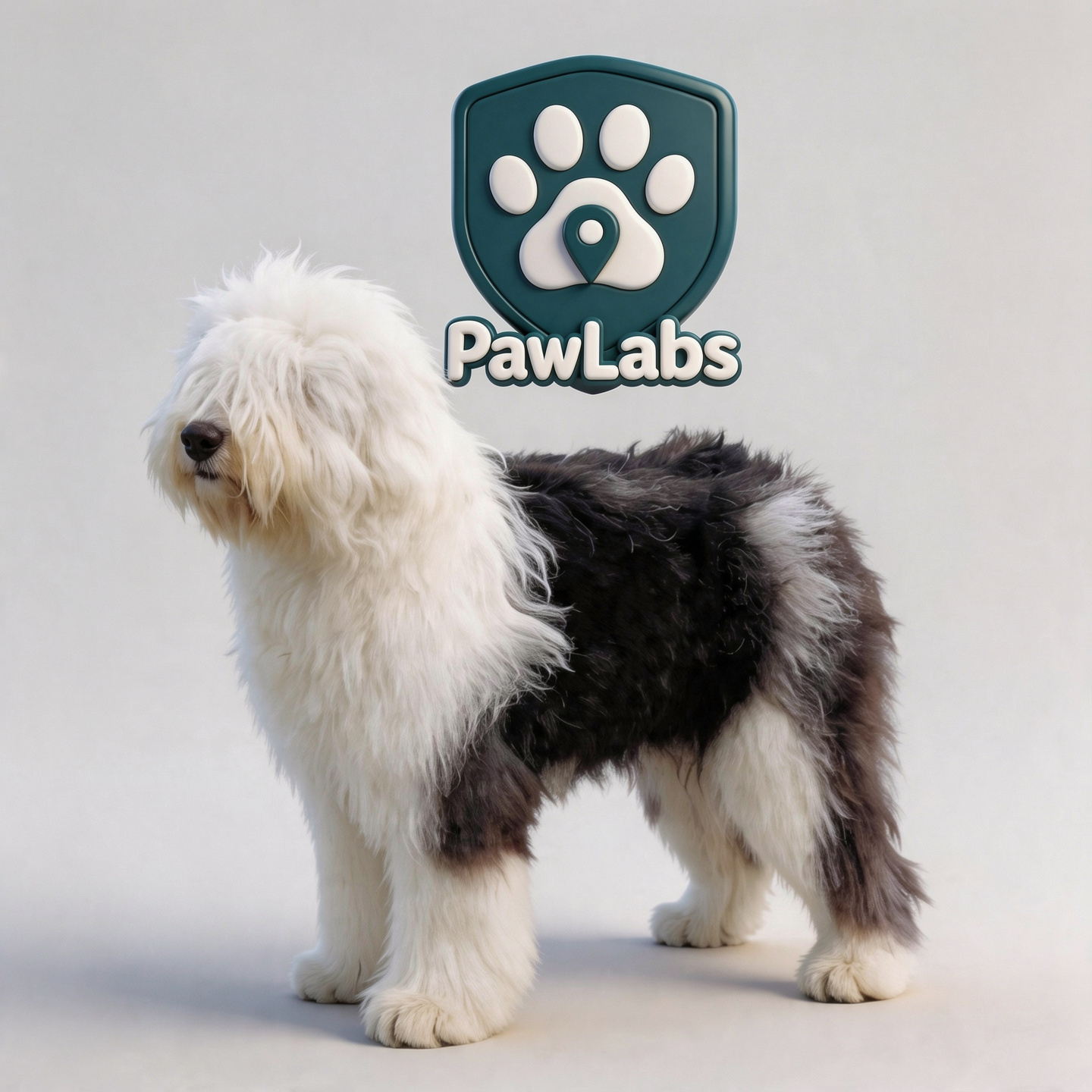
Old English Sheepdog
A lovable, shaggy giant with a heart of gold and endless energy.
Original Role: Herding livestock
💪 Strengths
- + Loyal and gentle with family, especially children
- + Highly intelligent and eager to learn
⚠️ Weaknesses
- − High grooming needs due to thick, long coat
- − Can be stubborn if not trained early
📜 Breed History
The Old English Sheepdog, often affectionately called the 'Bobtail' due to its traditionally docked tail, hails from the rolling hills of England. Emerging in the late 18th to early 19th century, this breed was developed by farmers in the West Country as a hardy, reliable herding dog capable of managing large flocks of sheep over rugged terrain. Their thick, shaggy coat wasn’t just for show—it protected them from harsh weather while they worked long hours alongside their human companions. Unlike some herding breeds that nip to control livestock, Old English Sheepdogs were known for using their size and strength to gently nudge sheep, earning them a reputation for a softer approach.
Historical records suggest their ancestry likely includes a mix of European herding dogs, possibly the Bearded Collie and even some Russian Owtchar influences brought over by traders. By the late 1800s, the breed caught the eye of dog fanciers, and they began appearing in shows. The Kennel Club in England recognized them in 1888, and their popularity soared across the Atlantic, with the American Kennel Club following suit in 1904. Over time, their role shifted from working farm dog to beloved family companion, though they’ve never lost that innate drive to herd—whether it’s sheep, kids, or even the family cat. Today, they remain a symbol of rustic charm, often pictured in old pastoral paintings, but their working roots still shine through in their energy and protective nature.
The Old English Sheepdog: A Shaggy Protector with a Heart as Big as Their Coat
I’ve always had a soft spot for the Old English Sheepdog. The first time I met one, I was struck by how that massive, shaggy frame could lumber around with such a gentle demeanor—until, of course, they decided it was playtime and nearly knocked me over with sheer enthusiasm. These dogs are a unique blend of cuddly teddy bear and tireless worker, a true herding breed with a personality that can fill a room. They’re not just pets; they’re family members who will guard your kids, herd your other pets, and leave a trail of fur wherever they go. But let me be clear: owning one isn’t a walk in the park. Their needs are as big as their hearts, and I’ve seen plenty of owners underestimate the commitment. Let’s dig into what life with this lovable giant really looks like.
Temperament & Personality
Living with an Old English Sheepdog feels like having a furry best friend who’s always up for an adventure but also knows when to curl up at your feet. They’re incredibly affectionate, often leaning into you for pets or nudging your hand when they think you’ve ignored them too long. I’ve watched one of these dogs gently place their massive head on a toddler’s lap, waiting patiently for a pat, their eyes full of warmth. They’re protective too, with a deep bark that’ll alert you to anything amiss, though they’re rarely aggressive unless they sense a real threat.
That said, their herding instincts are strong. I’ve seen them try to round up everything from backyard chickens to a group of kids at a birthday party, using their body to bump and guide. It’s endearing until they’re stubbornly pushing you toward the door because they’ve decided it’s time to go outside. They can also be a bit aloof with strangers at first, sizing them up before deciding if they’re worth a wag. Socialization is key here—I can’t stress enough how much early exposure to different people and situations helps them grow into well-rounded adults.
Exercise & Activity Needs
These dogs were bred to work all day on a farm, and that energy doesn’t just disappear because they’re living in a suburban home. An Old English Sheepdog needs at least an hour of solid exercise daily, though I’d argue closer to two if you want to avoid destructive boredom. Long walks are great, but they thrive on activities that engage their mind too—think fetch, agility courses, or even herding trials if you can find a local club. I’ve taken one on a hike through muddy fields, and they were in their element, bounding ahead with that characteristic rolling gait, tail wagging like a flag.
Without enough activity, they’ll find ways to entertain themselves, and trust me, you don’t want that. I’ve seen a frustrated Sheepdog shred a garden hose in under ten minutes, not out of malice, but pure pent-up energy. If you’re not up for daily outings, especially in bad weather when their coat gets matted with mud, this isn’t the breed for you.
Training & Intelligence
Old English Sheepdogs are sharp as a tack, ranking high among herding breeds for intelligence. They pick up commands quickly, and I’ve taught basic obedience to a puppy in just a few weeks with consistent, positive reinforcement. They love to please, which makes training rewarding when you’re on the same page. But here’s the catch—they’ve got a stubborn streak a mile wide. If they don’t see the point of what you’re asking, they’ll give you a look that says, 'Why bother?' and plop down until they’re good and ready.
Early training is non-negotiable. I’ve worked with owners who waited too long to set boundaries, and their 80-pound Sheepdog ended up ruling the house, dragging them down the street on walks or ignoring recall at the park. Start young, keep sessions short and fun, and use treats or praise—they respond best to rewards over harsh corrections. Their herding background also means they’re great at problem-solving, so don’t be surprised if they figure out how to open a gate or nudge a door ajar.
Health & Lifespan
With a lifespan of 10 to 12 years, Old English Sheepdogs can be with you for a good chunk of time, but they’re not without health challenges. Hip dysplasia is a big concern—I’ve known several dogs in this breed who developed it, leading to costly surgeries or lifelong arthritis management. They’re also prone to progressive retinal atrophy, which can cause blindness, and hypothyroidism, which affects their energy and coat. Regular vet checkups are a must, and I’d budget for potential expenses; a single hip surgery can run thousands.
Another issue I’ve seen is bloat, a life-threatening condition where the stomach twists. It’s common in large, deep-chested breeds like this one, and I always advise owners to feed smaller, frequent meals and avoid heavy exercise right after eating. Genetic testing from reputable breeders can help screen for some of these issues, but even then, no dog is immune. Keeping them at a healthy weight helps a lot—extra pounds put strain on those joints.
Grooming & Maintenance
If you’re not prepared to deal with fur, stop reading now. The Old English Sheepdog’s double coat is a grooming nightmare if you’re not on top of it. Brushing needs to happen at least three to four times a week, more during shedding seasons, which seem to be constant. I’ve spent hours untangling mats from behind their ears and under their belly, and if you neglect it, those mats turn painful and can lead to skin infections. Professional grooming every six to eight weeks helps, but it’s not cheap—expect to shell out $75 or more per session.
Bathing is another ordeal. Their coat soaks up water like a sponge, and drying them takes forever. I’ve had to wrestle with one after a muddy walk, and let me tell you, it’s a two-person job. Their floppy ears also need regular cleaning to prevent infections, and don’t forget nail trims—those paws are huge, and overgrown nails can cause discomfort. If grooming isn’t your thing, this breed will drive you up the wall.
Diet & Nutrition
Feeding an Old English Sheepdog requires some thought. They’re large, active dogs, so they need a high-quality diet with plenty of protein to support muscle mass and energy levels. Puppies can eat up to four cups a day, split into meals, while adults usually need around three cups, depending on their weight and activity. I’ve always stuck to a premium kibble or raw diet for the ones I’ve cared for, and it shows in their coat and stamina. Be cautious with portions, though—obesity creeps up fast if they’re overfed, especially as they age and slow down.
They can be prone to food sensitivities, so watch for itching or digestive upset when introducing new foods. I’ve had to switch diets for a Sheepdog who couldn’t handle certain grains, and it took trial and error to find what worked. Fresh water is a given, especially after exercise, and as I mentioned earlier, small meals help reduce bloat risk. Talk to your vet about supplements like glucosamine if joint issues are a concern down the line.
Living Conditions
These dogs are adaptable to some extent, but they’re not ideal for small spaces. An apartment can work if you’re committed to daily, lengthy walks, but I’ve seen them thrive best in homes with a fenced yard where they can roam and burn off steam. They love being outdoors, a nod to their farm-dog roots, and I’ve watched one happily nap in the grass for hours after a good romp. Their thick coat handles cold weather well, but they overheat easily in hot climates—shade and water are critical if you’re in a warm area.
They’re not a breed to leave alone outside for long, though. They crave human company and can get destructive or anxious if isolated. I’ve seen one chew through a deck railing after being left out too long, purely out of boredom. Wherever you live, ensure there’s space for them to stretch those long legs, and be ready to deal with the fur and mud they’ll track inside.
Who Should Get This Breed
If you’re an active family with kids and a love for big, affectionate dogs, the Old English Sheepdog could be your perfect match. They’re fantastic with children, often taking on a babysitter role, and their playful nature keeps everyone entertained. I’d recommend them to someone with a flexible schedule or a stay-at-home setup, as they don’t do well with long hours alone. If you enjoy outdoor activities—hiking, jogging, or even just long backyard play sessions—and don’t mind investing time in training and grooming, you’ll find a loyal companion who’s always up for the next adventure.
Who Should NOT Get This Breed
On the flip side, if you’re a first-time dog owner or live a sedentary lifestyle, think twice. These dogs aren’t a set-it-and-forget-it pet; they demand time, energy, and patience. I’ve seen busy professionals struggle with their exercise and grooming needs, leading to a stressed dog and a frustrated owner. If you hate dealing with fur or can’t afford regular grooming costs, they’ll drive you mad. And if you’re in a hot, humid climate with no way to keep them cool, their coat will be a burden. Be honest with yourself about the commitment—this breed deserves someone who can match their boundless love and energy.
❓ Old English Sheepdog FAQs
The questions people ask most, answered from this breed's trait scores.
Is the Old English Sheepdog good with children?
The Old English Sheepdog scores 8/10 for child-friendliness, making it a good match for families with children. That score reflects the breed's typical temperament, not any individual animal — early socialisation and how the dog was raised matter just as much. Supervise interactions with toddlers whatever the breed.
Does the Old English Sheepdog get along with other pets?
Scoring 7/10 for pet-friendliness, the Old English Sheepdog is generally sociable with other dogs and cats. Prey drive matters here as well as sociability: breeds built to chase can live happily with a household cat they grew up with and still pursue an unfamiliar one.
How much exercise does the Old English Sheepdog need?
The Old English Sheepdog rates 7/10 for energy and needs at least an hour to 90 minutes a day, and it should be real exercise rather than a stroll. Under-exercised, this is a breed that finds its own entertainment — usually at the expense of your furniture. The breed was originally developed for herding livestock, which is where that requirement comes from.
Does the Old English Sheepdog shed a lot?
At 7/10 for shedding, the Old English Sheepdog sheds noticeably, and you will find hair on clothes and furniture. It has a long double coat. Worth knowing: low shedding is not the same as hypoallergenic — most people react to proteins in dander and saliva, not to hair itself, so no breed is genuinely allergy-free.
Is the Old English Sheepdog easy to train?
The Old English Sheepdog scores 7/10 for trainability, making it responsive and straightforward to train. It scores 8/10 for intelligence — worth separating from trainability, because a clever breed that has decided not to listen is harder work than a simpler one that wants to.
What is the average lifespan of the Old English Sheepdog?
The Old English Sheepdog typically lives 10–12 years. We rate the breed 5/10 for general health robustness. Individual lifespan depends heavily on genetics, weight management and veterinary care.
How big does the Old English Sheepdog get?
A full-grown Old English Sheepdog usually weighs 60–100 lbs and stands roughly 21–24 inches at the shoulder. That places it in the large size band. Males generally sit at the upper end of both ranges.
Does the Old English Sheepdog bark a lot?
Rated 6/10 for barking, the Old English Sheepdog barks a moderate amount. Training and adequate exercise both reduce nuisance barking, but they will not turn a naturally vocal breed into a silent one.
Is the Old English Sheepdog suited to apartment living?
The Old English Sheepdog is a difficult fit for apartment living. It scores 6/10 for adaptability, 7/10 for energy and 6/10 for barking — the three traits that decide this. Floor space matters far less than whether the breed can settle indoors and stay quiet while you are out.
Is the Old English Sheepdog a good choice for first-time owners?
On balance the Old English Sheepdog is manageable for a first-time owner who is willing to put the work in early, based on its trainability (7/10), adaptability (6/10) and energy level (7/10). The most common reason a first dog does not work out is a mismatch between the breed's daily needs and the owner's actual routine, rather than anything about the breed itself.
Written and reviewed by PawLabs Editorial Team
We build PawLabs from published kennel club breed standards and veterinary reference sources. Profiles are drafted with AI assistance against that source data, then reviewed and corrected by a person before anything is published. We say so because you should know how the thing you're reading was made. How we research breeds · Report a correction
Note: Breed profiles are general reference, not veterinary advice. For anything concerning your own animal, talk to a vet who can examine them.