Pug
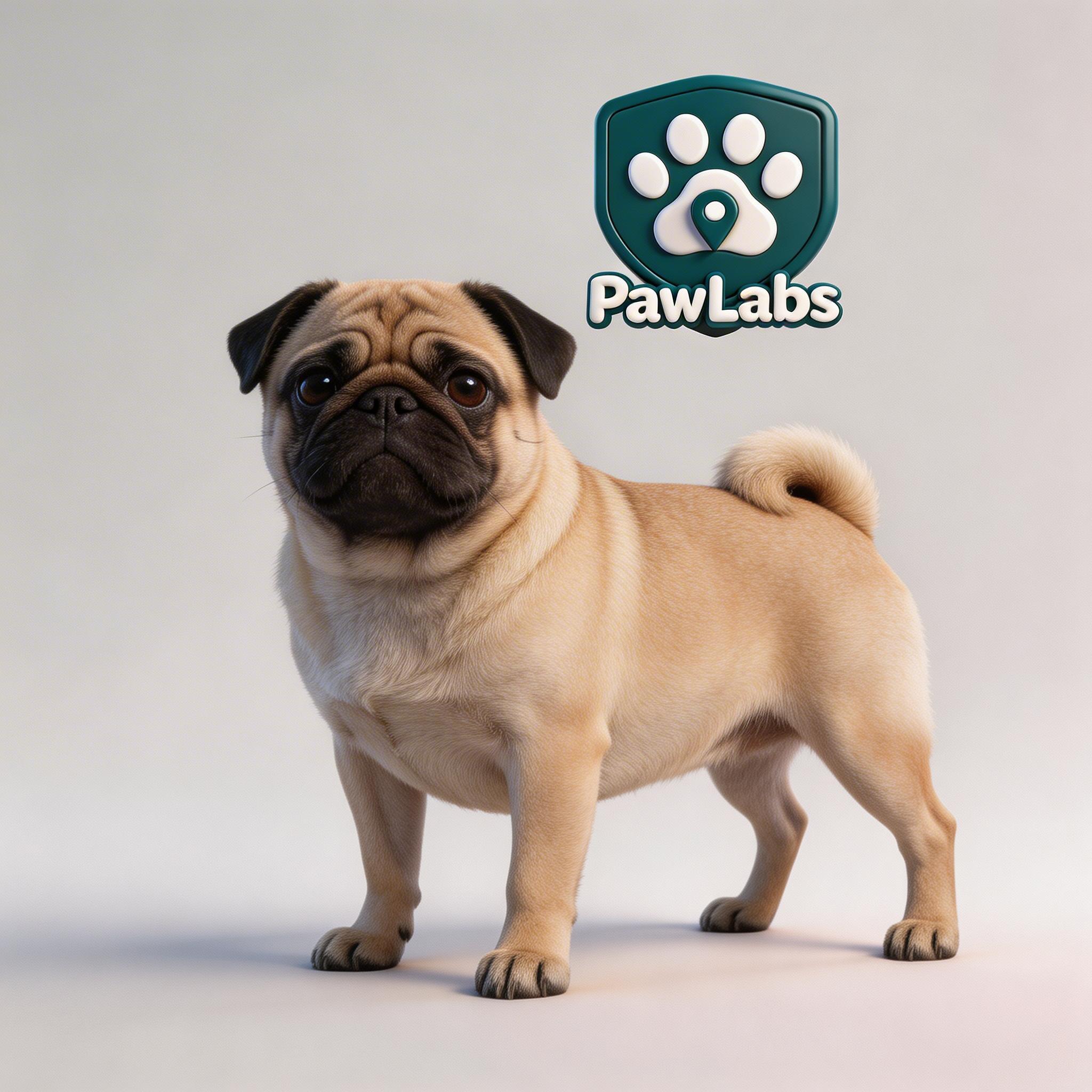
A charming, mischievous companion with a wrinkled face and big personality.
Original Role: Companion
💪 Strengths
- + Deeply loyal and affectionate with family
- + Adaptable to small living spaces
⚠️ Weaknesses
- − Prone to respiratory issues due to flat face
- − Can be stubborn during training
📜 Breed History
The Pug’s story stretches back over 2,000 years to ancient China, where they were cherished as companions of royalty during the Shang Dynasty. Often called 'Foo Dogs,' these little charmers were bred to sit at the feet of emperors, a role they took seriously with their dignified yet comical demeanor. I’ve read accounts from historians that Pugs were so valued they had personal guards and were fed better than some humans. Their small size and affectionate nature made them perfect lap dogs for the elite, a far cry from any working role.
By the 16th century, Pugs made their way to Europe via Dutch traders, quickly winning over royal courts. They became a favorite of William III and Mary II of England, even accompanying them during their reign. I’ve always found it fascinating how Pugs popped up in famous paintings from that era, often curled up next to nobility with that signature squished face. Over time, their popularity spread across continents, and by the 19th century, they were a staple in Victorian households. The American Kennel Club recognized the breed in 1885, cementing their status as a beloved companion. Today, their ancient lineage as royal lap dogs shines through in their desire to be close—sometimes too close—to their people.
Pugs: The Clownish Companions That Steal Your Heart—and Your Couch
I’ve spent countless hours with Pugs over the years, and I can tell you straight up: they’re equal parts hilarious and exasperating. These little dogs, with their wrinkled faces and bugged-out eyes, have a knack for making you laugh one minute and sigh the next as they stubbornly refuse to budge from your lap. I’ve had Pugs follow me from room to room, snorting and grunting like tiny piglets, just to ensure they’re not missing out on any action. They’re not athletes or guard dogs by any stretch, but their personality fills a room faster than most breeds twice their size. If you’re looking for a dog that’s more clown than canine, a Pug might just be your match—but brace yourself for some challenges along the way.
Temperament & Personality
Living with a Pug is like having a permanent toddler with a sense of humor. They’re incredibly affectionate, often gluing themselves to your side the second you sit down. I’ve had Pugs climb into my lap during Zoom calls, completely oblivious to the concept of personal space. They thrive on attention and have this knack for making even mundane moments—like folding laundry—feel like a shared adventure. Their playful streak comes out in short bursts, usually involving a goofy tumble over a toy or a dramatic sigh when they’re ‘exhausted’ after five minutes of zooming around the living room.
But don’t let their charm fool you. Pugs can be stubborn as mules. I’ve seen them plant their little paws and stare at me with those big eyes, refusing to move an inch if they don’t feel like it. They’re also prone to bouts of mischief—think sneaking crumbs off the counter or ‘accidentally’ unrolling an entire roll of toilet paper. And the snoring? Oh, prepare yourself. Their flat faces mean they sound like a freight train at night. I’ve had to invest in earplugs just to sleep through the symphony of snorts and wheezes. Still, their loyalty and ability to sense when you’re down—curling up beside you with a quiet grunt—make the quirks worth it.
Exercise & Activity Needs
Pugs aren’t going to drag you out for a 5-mile run, and honestly, they’d probably protest if you tried. Their energy level sits at a moderate hum, with short bursts of play followed by long naps. I’ve found that a couple of 15-minute walks a day, plus some indoor play like tugging on a rope toy, keeps them happy. They’ll happily trot alongside you around the block, but their short muzzles mean they overheat fast. I’ve had to cut walks short on humid days because a Pug I was watching started panting like he’d run a marathon after just 10 minutes.
They do love a good romp, though. I’ve watched Pugs turn a backyard into a circus, rolling around and chasing their own tails with pure glee. Just don’t expect sustained activity—they’ll tire out quickly and look at you like you’re crazy if you suggest another round. The key is consistency without pushing them too hard. Their brachycephalic (flat-faced) structure makes breathing a challenge, so I always keep water nearby and watch for signs of distress like excessive panting or lethargy. Keep it light, keep it fun, and they’ll be content to snooze the rest of the day away.
Training & Intelligence
Training a Pug is an exercise in patience. They’re smart enough to understand what you want, but whether they’ll actually do it is another story. I’ve spent hours trying to teach a Pug to ‘sit’ only to have him tilt his head and waddle off mid-session as if to say, ‘Nah, I’m good.’ Their stubborn streak is legendary, and they’ll often test your resolve just for the fun of it. Positive reinforcement works best—treats, praise, and a silly voice can sometimes coax them into compliance—but you’ll need to keep sessions short. Their attention span is about as long as a commercial break.
That said, they’re not dumb. I’ve seen Pugs figure out how to open cabinets or nudge a door just right to get into a room. They learn routines quickly and will remind you of dinner time with an insistent stare or paw tap. Socialization is crucial early on because they can be wary of new dogs if not exposed properly. I’ve had success taking Pugs to puppy playgroups where their playful nature shines, even if they occasionally try to boss around dogs twice their size. Persistence pays off, but don’t expect a Pug to be your obedience champion.
Health & Lifespan
Pugs live a decent 13 to 15 years, which is a good run for a small breed, but their health can be a rollercoaster. Their signature flat face, while adorable, is the root of many issues. Brachycephalic Airway Syndrome is a big one—I’ve known Pugs who struggle to breathe during mild exertion, needing surgery in severe cases to open their airways. They’re also prone to eye problems like corneal ulcers because those big, protruding eyes get scratched easily. I’ve had to apply ointment to a Pug’s eyes daily after a vet visit confirmed a minor injury from just brushing past a bush.
Hip dysplasia, though less common in small breeds, can crop up, as can luxating patellas (slipping kneecaps). Skin allergies are another headache—those facial folds trap moisture and bacteria, leading to infections if not cleaned regularly. I’ve spent a small fortune on vet bills for Pugs over the years, so pet insurance is something I’d strongly suggest. Obesity is a sneaky risk too; they love food, and those little bodies pack on pounds fast if you’re not careful. Regular checkups and a watchful eye can help manage these issues, but you’ve got to be prepared for some hefty medical costs down the line.
Grooming & Maintenance
Pugs have a short, smooth coat that’s deceptively high-shedding. I’ve vacuumed enough fawn-colored fur off my couch to make a second dog some days. A weekly brush with a rubber mitt or soft bristle brush helps keep the loose hair under control, but you’ll still find it everywhere. Their facial wrinkles need special attention— I’ve used a damp cloth followed by a dry one to clean between the folds, then applied a vet-approved ointment to prevent irritation. If you skip this, the smell of yeast or infection creeps in fast.
Baths can be monthly unless they roll in something funky, which they’re prone to do just for laughs. Their nails grow quick, so I’ve had to trim them every couple of weeks to avoid clicks on the hardwood. Ears need a weekly wipe to prevent buildup, and don’t forget dental care—those small jaws crowd teeth, leading to plaque. I’ve made a habit of brushing a Pug’s teeth a few times a week, though good luck getting them to sit still for it. It’s not a high-maintenance routine compared to fluffy breeds, but the shedding and wrinkle care do add up.
Diet & Nutrition
Feeding a Pug is straightforward, but portion control is everything. They’ll eat until they pop if you let them, and I’ve seen a Pug gain three pounds in a month from too many table scraps. A high-quality small-breed kibble, split into two meals a day, usually does the trick—about ½ to 1 cup total, depending on weight and activity. I’ve stuck to brands with limited fillers since Pugs can have sensitive stomachs, and I always check with a vet for exact amounts as they age.
Watch out for allergies; some Pugs I’ve cared for reacted to chicken-based foods with itchy skin, so switching to fish or lamb helped. Treats are their kryptonite, but I keep them sparse—maybe a few bits of carrot or apple instead of calorie-heavy biscuits. Fresh water is non-negotiable, especially after play, since they dehydrate faster than most breeds. And don’t cave to those pleading eyes at dinner; I’ve learned the hard way that overfeeding leads to joint strain and breathing issues in these little guys. Keep it lean, keep it consistent.
Living Conditions
Pugs are champs at adapting to small spaces. I’ve known plenty who’ve thrived in apartments, content to snooze on a cushion by the window while I’m at work. They don’t need a yard—honestly, they’d rather be inside with you anyway—but a little outdoor space for a quick sniff is a bonus. What they can’t handle is extreme weather. Their short muzzles mean hot, humid days are torture; I’ve had to carry a Pug home on a summer walk because he just couldn’t cope. Cold isn’t much better—those short coats offer zero insulation, so a sweater is a must for winter outings.
They’re indoor dogs through and through. Leaving a Pug outside for long stretches is asking for trouble, both health-wise and emotionally—they’ll pine for you and let the neighbors know with pitiful whines. I’ve found they do best in mild climates or homes where temperature is controlled. If you’ve got stairs, be mindful; their short legs and potential joint issues make climbing a chore over time. A cozy, accessible setup with you nearby is their happy place.
Who Should Get This Breed
If you’re someone who craves a constant companion and doesn’t mind a bit of chaos, a Pug could be your soulmate. They’re perfect for apartment dwellers or retirees who want a low-energy dog to keep them company. I’ve seen Pugs bring endless joy to families with older kids who understand gentle play, since these dogs love being part of the action without needing rough-and-tumble games. If you work from home or have a flexible schedule, even better—they’ll soak up every second of your presence and reward you with unwavering devotion.
First-time dog owners can manage a Pug if they’re willing to learn and stay patient through the stubborn phases. They’re also a great fit for folks who appreciate a dog with personality—every Pug I’ve met has had a unique quirk, whether it’s a dramatic sigh or an obsession with a specific toy. If you’ve got time for short walks, a knack for routine, and a soft spot for a squishy face, this breed will worm its way into your heart.
Who Should NOT Get This Breed
Pugs aren’t for everyone, and I’ve seen mismatches break hearts. If you’re an active person who wants a jogging buddy or a hiking partner, look elsewhere—these dogs can’t keep up, and pushing them risks their health. I’ve also noticed they’re not ideal for people with severe allergies; the shedding is relentless, even if it’s short hair. If you’re away from home for long hours, a Pug will suffer. I’ve dealt with separation anxiety in this breed, complete with destructive chewing and mournful howls that annoyed neighbors.
Anyone on a tight budget should think twice, too. The vet bills for respiratory or eye issues can stack up fast—I’ve known owners who spent thousands on surgeries over the years. And if you can’t stand snoring or don’t have the patience for a dog that might ignore your commands just to test you, a Pug will drive you up the wall. They need someone who can commit to their quirks and health needs, not just their cuteness.
❓ Pug FAQs
The questions people ask most, answered from this breed's trait scores.
Is the Pug good with children?
The Pug scores 7/10 for child-friendliness, making it a good match for families with children. That score reflects the breed's typical temperament, not any individual animal — early socialisation and how the dog was raised matter just as much. Supervise interactions with toddlers whatever the breed.
Does the Pug get along with other pets?
Scoring 7/10 for pet-friendliness, the Pug is generally sociable with other dogs and cats. Prey drive matters here as well as sociability: breeds built to chase can live happily with a household cat they grew up with and still pursue an unfamiliar one.
How much exercise does the Pug need?
The Pug rates 5/10 for energy and needs about an hour a day. The breed was originally developed for companion, which is where that requirement comes from.
Does the Pug shed a lot?
At 6/10 for shedding, the Pug sheds a moderate amount year-round. It has a short smooth coat. Worth knowing: low shedding is not the same as hypoallergenic — most people react to proteins in dander and saliva, not to hair itself, so no breed is genuinely allergy-free.
Is the Pug easy to train?
The Pug scores 5/10 for trainability, making it trainable with consistency, though not eager to please for its own sake. It scores 6/10 for intelligence — worth separating from trainability, because a clever breed that has decided not to listen is harder work than a simpler one that wants to.
What is the average lifespan of the Pug?
The Pug typically lives 13–15 years. We rate the breed 4/10 for general health robustness, so budget for the possibility of ongoing veterinary costs. Individual lifespan depends heavily on genetics, weight management and veterinary care.
How big does the Pug get?
A full-grown Pug usually weighs 14–18 lbs and stands roughly 10–13 inches at the shoulder. That places it in the small size band. Males generally sit at the upper end of both ranges.
Does the Pug bark a lot?
Rated 5/10 for barking, the Pug barks a moderate amount. Training and adequate exercise both reduce nuisance barking, but they will not turn a naturally vocal breed into a silent one.
Is the Pug suited to apartment living?
The Pug is workable in an apartment provided its exercise needs are met properly. It scores 8/10 for adaptability, 5/10 for energy and 5/10 for barking — the three traits that decide this. Floor space matters far less than whether the breed can settle indoors and stay quiet while you are out.
Is the Pug a good choice for first-time owners?
On balance the Pug is manageable for a first-time owner who is willing to put the work in early, based on its trainability (5/10), adaptability (8/10) and energy level (5/10). The most common reason a first dog does not work out is a mismatch between the breed's daily needs and the owner's actual routine, rather than anything about the breed itself.
Written and reviewed by PawLabs Editorial Team
We build PawLabs from published kennel club breed standards and veterinary reference sources. Profiles are drafted with AI assistance against that source data, then reviewed and corrected by a person before anything is published. We say so because you should know how the thing you're reading was made. How we research breeds · Report a correction
Note: Breed profiles are general reference, not veterinary advice. For anything concerning your own animal, talk to a vet who can examine them.