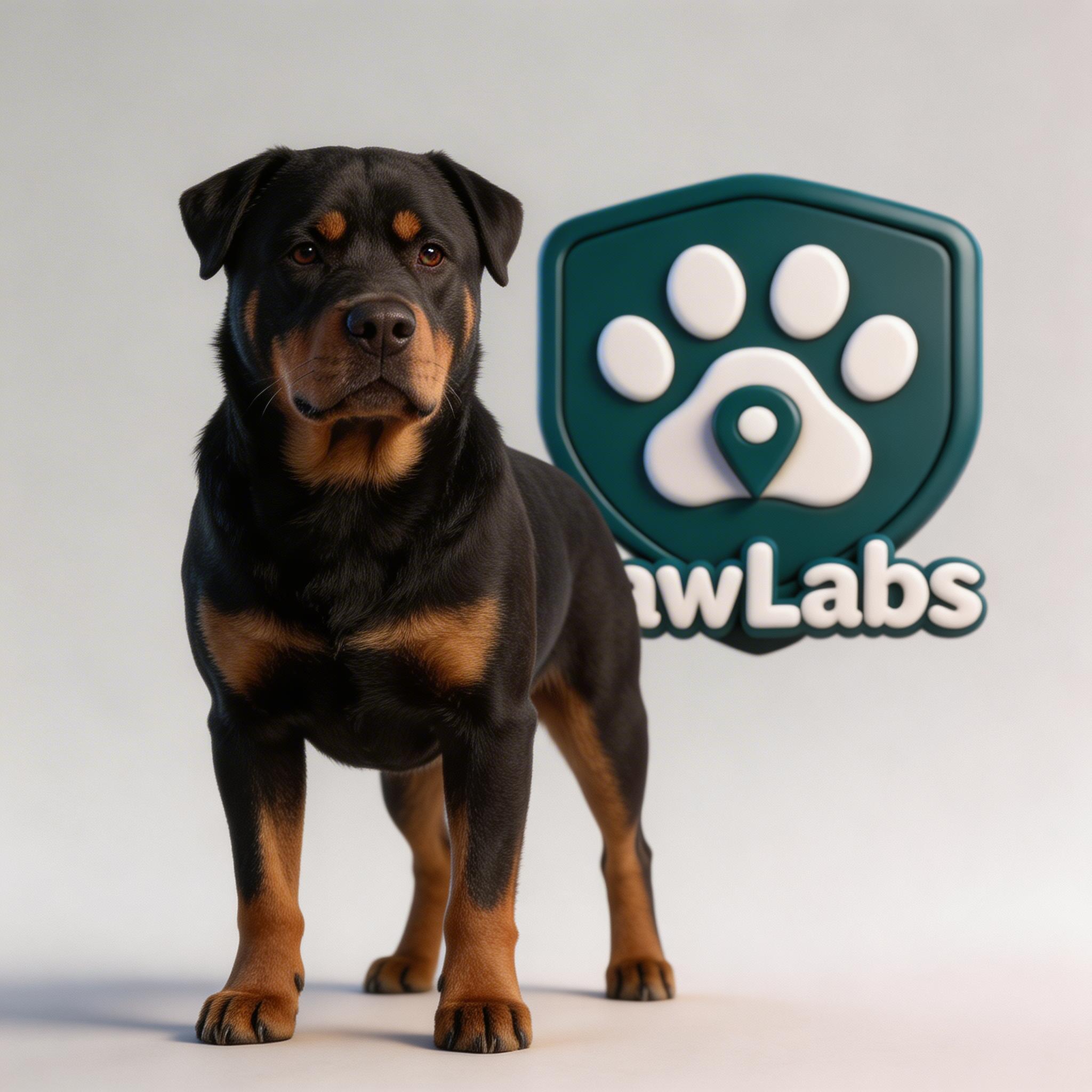
Rottweiler
A powerful, protective guardian with a heart of gold.
Original Role: Guarding and herding livestock
💪 Strengths
- + Exceptional loyalty and protective instincts
- + Highly intelligent and trainable with the right owner
⚠️ Weaknesses
- − Can be aloof or aggressive with strangers if not socialized
- − Prone to serious health issues requiring costly care
📜 Breed History
The Rottweiler’s story begins in ancient Rome, where their ancestors, likely descended from Roman drover dogs, were used to herd livestock and guard military camps. As the Roman Empire expanded, these dogs traveled with armies across Europe, eventually settling in the town of Rottweil in southern Germany. Here, they became indispensable to local butchers, earning the name 'Rottweiler Metzgerhund'—the butcher’s dog of Rottweil. Their primary role was to herd cattle to market and protect the butcher’s earnings by carrying money pouches around their necks. These dogs were bred for strength, endurance, and a fearless temperament, traits that still define the breed today.
By the early 20th century, the Rottweiler faced near extinction as railroads replaced cattle drives, diminishing their working role. Thankfully, breed enthusiasts in Germany revived interest, establishing the first Rottweiler club in 1907. The breed’s versatility shone as they transitioned into roles like police work, search and rescue, and even war service. Recognized by the American Kennel Club in 1931, Rottweilers gained popularity in the U.S., though often misunderstood due to their imposing presence. Today, they remain a symbol of strength and loyalty, but their history as working dogs underscores the need for purpose and structure in their lives.
A Powerhouse with a Protective Soul
I’ve spent years around Rottweilers, and let me tell you, there’s nothing quite like the presence of this breed. They’re a walking contradiction—massive, muscular frames that can intimidate with a single glance, yet capable of a softness that melts your heart when they lean into you for a cuddle. I’ve watched a 120-pound Rottie stand like a statue between his owner and a stranger at the park, only to turn into a goofy lap dog the moment he’s home. But make no mistake, this is not a breed for everyone. They demand respect, consistency, and an owner who understands their deep-rooted need to guard and protect. If you’re ready for the challenge, a Rottweiler will be your fiercest ally. If not, you’re in for a rough ride.
Temperament & Personality
Living with a Rottweiler means sharing your life with a dog who takes their role as protector seriously. I’ve seen them stand guard at the front door, ears perked, low growl rumbling, the second a delivery driver steps onto the porch. They’re not naturally aggressive, but their aloofness with strangers is hardwired—centuries of guarding livestock and property will do that. With family, though, they’re often a different story. I’ve watched a Rottie gently nudge a toddler with his nose, almost as if checking they’re okay, then lie down beside them like a living shield. They’re loyal to a fault, often bonding intensely with one person, though they’ll watch over the whole household.
That said, their confidence can border on stubbornness. If they sense weakness in your leadership, they’ll test boundaries. I’ve had owners tell me their Rottie refused to budge during a walk, planting themselves like a boulder until they got their way. They’re not overly playful compared to, say, a Labrador, but they have moments of silliness—think a giant dog chasing a tennis ball with the grace of a freight train. Emotionally, they’re steady. They don’t typically suffer from the clingy separation anxiety I’ve seen in other breeds, but they do need to feel purposeful. A bored Rottweiler is a destructive one, and I’ve seen the aftermath of chewed doorframes to prove it.
Exercise & Activity Needs
Rottweilers aren’t high-octane like a Border Collie, but they still need solid daily exercise to keep their minds and bodies balanced. I recommend at least an hour a day, split between walks, play, and mental challenges. I’ve taken Rotties on brisk 45-minute hikes through local trails, and they keep pace without breaking a sweat, their powerful legs built for endurance. They also love tasks—tug-of-war with a heavy rope or carrying a backpack on walks taps into their working heritage. Without this outlet, their pent-up energy turns inward, and trust me, you don’t want to come home to a shredded couch.
They’re not built for endless sprints, though. Their heavy frame means they overheat quickly, especially in hot climates. I’ve seen a Rottie tire out after 20 minutes of fetch in summer, panting hard and needing shade. Focus on steady, purposeful activity over chaotic bursts. A yard is a bonus—they’ll patrol it like a security guard—but it’s not enough on its own. They need interaction with you, not just space to roam.
Training & Intelligence
Rottweilers are sharp. I’ve trained dozens, and their ability to pick up commands is impressive—sit, stay, and come are often mastered in days with the right approach. But here’s the catch: they’re not eager-to-please like a Golden Retriever. They’ll look at you as if to say, 'Why should I?' if they don’t respect your authority. I’ve had sessions where a Rottie just stared me down, testing my resolve until I doubled down with a firm tone and a reward. Consistency is non-negotiable. Start young, socialize them relentlessly, and never let bad habits slide.
Early exposure to people, dogs, and environments is critical. I’ve met Rotties who turned territorial because their owners skipped this step, growling at every passerby. Positive reinforcement works best—treats, praise, a pat on their broad head. Harsh methods backfire; they’ll shut down or push back. Their intelligence also means they thrive on complex tasks. I’ve taught them to open gates with their nose or retrieve specific toys by name. Give them a job, or they’ll invent one, like 'guarding' your shoes by hiding them under the bed.
Health & Lifespan
Rottweilers break my heart with their health challenges. They’re a robust-looking breed, but beneath that tough exterior, they’re prone to serious issues. Hip and elbow dysplasia are rampant—I’ve known owners who spent thousands on surgeries before their dog hit five years old. Heart conditions like aortic stenosis can crop up, often undetected until it’s too late. I’ve lost count of the Rotties I’ve met with osteosarcoma, a brutal bone cancer that cuts lives short. Bloat is another risk; their deep chests make them susceptible, and I’ve rushed a friend’s Rottie to the emergency vet after a twisted stomach scare.
Their lifespan hovers around 8 to 10 years, shorter than many breeds their size. Vet bills pile up fast—expect routine joint supplements, X-rays, and possibly cardiac screenings if you’re proactive. I always tell owners to budget for the unexpected. Finding a reputable breeder who tests for genetic issues helps, but even then, there are no guarantees. Keep them lean; extra weight stresses their joints. I’ve seen overweight Rotties struggle to stand after lying down, a painful sight for such a dignified breed.
Grooming & Maintenance
On the grooming front, Rottweilers are a breeze compared to fluffier breeds. Their short, double coat needs a quick brush once a week to manage moderate shedding—though expect tufts of black hair on your couch during spring and fall. I’ve found a rubber grooming mitt works wonders to pull out loose undercoat without much fuss. Baths can be infrequent, maybe every six weeks, unless they’ve rolled in something foul during a walk. Their nails grow fast, though, and with their weight, untrimmed nails can splay their toes. I’ve trimmed a Rottie’s nails every two weeks to avoid this, though they often hate the process and squirm like puppies.
Check their ears weekly for wax buildup; their floppy shape traps moisture. Dental care matters too—their big jaws can hide tartar until it’s a problem. I’ve brushed a Rottie’s teeth with peanut butter-flavored paste, turning it into a game to keep them cooperative. Overall, grooming isn’t time-consuming, but neglecting it shows quickly on a dog this size.
Diet & Nutrition
Feeding a Rottweiler is like fueling a tank—they need quality nutrition to support their bulk, but overfeeding is a disaster. I’ve fed adult Rotties about 4 to 6 cups of high-protein kibble daily, split into two meals to reduce bloat risk. Puppies grow fast, so a large-breed puppy formula is key to avoid skeletal issues. I’ve seen owners switch to adult food too soon, only to deal with uneven growth and joint pain down the line. Stick to vet-recommended portions; a fat Rottie is a health crisis waiting to happen.
They’re prone to food allergies, often to chicken or grains. I’ve had to tweak diets for Rotties with itchy skin, landing on salmon-based or novel protein foods. Raw diets can work if you’re meticulous, but I’ve seen imbalances cause more harm than good without guidance. Always have fresh water out—their size means they drink a lot, especially after exercise. And watch for bloat signs after meals; I never exercise them right after eating, just to be safe.
Living Conditions
Rottweilers can adapt to various homes, but they’re not ideal for tiny apartments. Their sheer size—turning around in a small space is like watching a bull in a china shop—means they need room to move. I’ve known Rotties in urban settings, but their owners committed to long daily walks. A house with a fenced yard is better; they love patrolling their territory. I’ve watched a Rottie pace along a fence line, checking for ‘intruders’ like it’s their full-time job.
Climate-wise, they handle cold better than heat. Their dense coat keeps them cozy in winter, but in summer, they wilt. I’ve had to cut walks short on 90-degree days, bringing water and sticking to shaded paths. They’re not outdoor-only dogs; they crave family connection and can get destructive if left alone outside for hours. Wherever they live, they need mental stimulation as much as space.
Who Should Get This Breed
If you’re an experienced dog owner with a firm hand and a calm demeanor, a Rottweiler could be your perfect match. They thrive with people who understand canine behavior and can provide structure—I’ve seen them flourish under military veterans or trainers who exude quiet authority. If you’ve got a family and the time to socialize them young, they can be incredible with kids, acting as gentle giants. I’d recommend them to active folks who enjoy hiking or strength-based play and want a dog who doubles as a protector. If you’re ready to invest in training and health care, their loyalty is unmatched.
Who Should NOT Get This Breed
If you’re a first-time dog owner, please think twice. Rottweilers aren’t a starter breed; their strength and willfulness can overwhelm someone without experience. I’ve seen novices struggle when their Rottie pulls on leash or ignores commands, turning walks into a battle. If you’re in a small apartment with no time for exercise, they’ll suffer—and so will your furniture. They’re not for people who shy away from vet costs or can’t handle a dog wary of strangers. I’ve met owners who couldn’t manage the protective streak, leading to tense encounters at dog parks. If you want a low-maintenance, overly friendly pup, look elsewhere—this breed demands your all.
❓ Rottweiler FAQs
The questions people ask most, answered from this breed's trait scores.
Is the Rottweiler good with children?
The Rottweiler scores 6/10 for child-friendliness, making it usually fine with children who have been taught to handle a dog respectfully. That score reflects the breed's typical temperament, not any individual animal — early socialisation and how the dog was raised matter just as much. Supervise interactions with toddlers whatever the breed.
Does the Rottweiler get along with other pets?
Scoring 5/10 for pet-friendliness, the Rottweiler is usually fine with other pets once introduced properly. Prey drive matters here as well as sociability: breeds built to chase can live happily with a household cat they grew up with and still pursue an unfamiliar one.
How much exercise does the Rottweiler need?
The Rottweiler rates 6/10 for energy and needs about an hour a day. The breed was originally developed for guarding and herding livestock, which is where that requirement comes from.
Does the Rottweiler shed a lot?
At 5/10 for shedding, the Rottweiler sheds a moderate amount year-round. It has a short double coat. Worth knowing: low shedding is not the same as hypoallergenic — most people react to proteins in dander and saliva, not to hair itself, so no breed is genuinely allergy-free.
Is the Rottweiler easy to train?
The Rottweiler scores 8/10 for trainability, making it responsive and straightforward to train. It scores 8/10 for intelligence — worth separating from trainability, because a clever breed that has decided not to listen is harder work than a simpler one that wants to.
What is the average lifespan of the Rottweiler?
The Rottweiler typically lives 8–10 years. We rate the breed 4/10 for general health robustness, so budget for the possibility of ongoing veterinary costs. Individual lifespan depends heavily on genetics, weight management and veterinary care.
How big does the Rottweiler get?
A full-grown Rottweiler usually weighs 80–135 lbs and stands roughly 22–27 inches at the shoulder. That places it in the large size band. Males generally sit at the upper end of both ranges.
Does the Rottweiler bark a lot?
Rated 5/10 for barking, the Rottweiler barks a moderate amount. Training and adequate exercise both reduce nuisance barking, but they will not turn a naturally vocal breed into a silent one.
Is the Rottweiler suited to apartment living?
The Rottweiler is a difficult fit for apartment living. It scores 6/10 for adaptability, 6/10 for energy and 5/10 for barking — the three traits that decide this. Floor space matters far less than whether the breed can settle indoors and stay quiet while you are out.
Is the Rottweiler a good choice for first-time owners?
On balance the Rottweiler is manageable for a first-time owner who is willing to put the work in early, based on its trainability (8/10), adaptability (6/10) and energy level (6/10). The most common reason a first dog does not work out is a mismatch between the breed's daily needs and the owner's actual routine, rather than anything about the breed itself.
Written and reviewed by PawLabs Editorial Team
We build PawLabs from published kennel club breed standards and veterinary reference sources. Profiles are drafted with AI assistance against that source data, then reviewed and corrected by a person before anything is published. We say so because you should know how the thing you're reading was made. How we research breeds · Report a correction
Note: Breed profiles are general reference, not veterinary advice. For anything concerning your own animal, talk to a vet who can examine them.