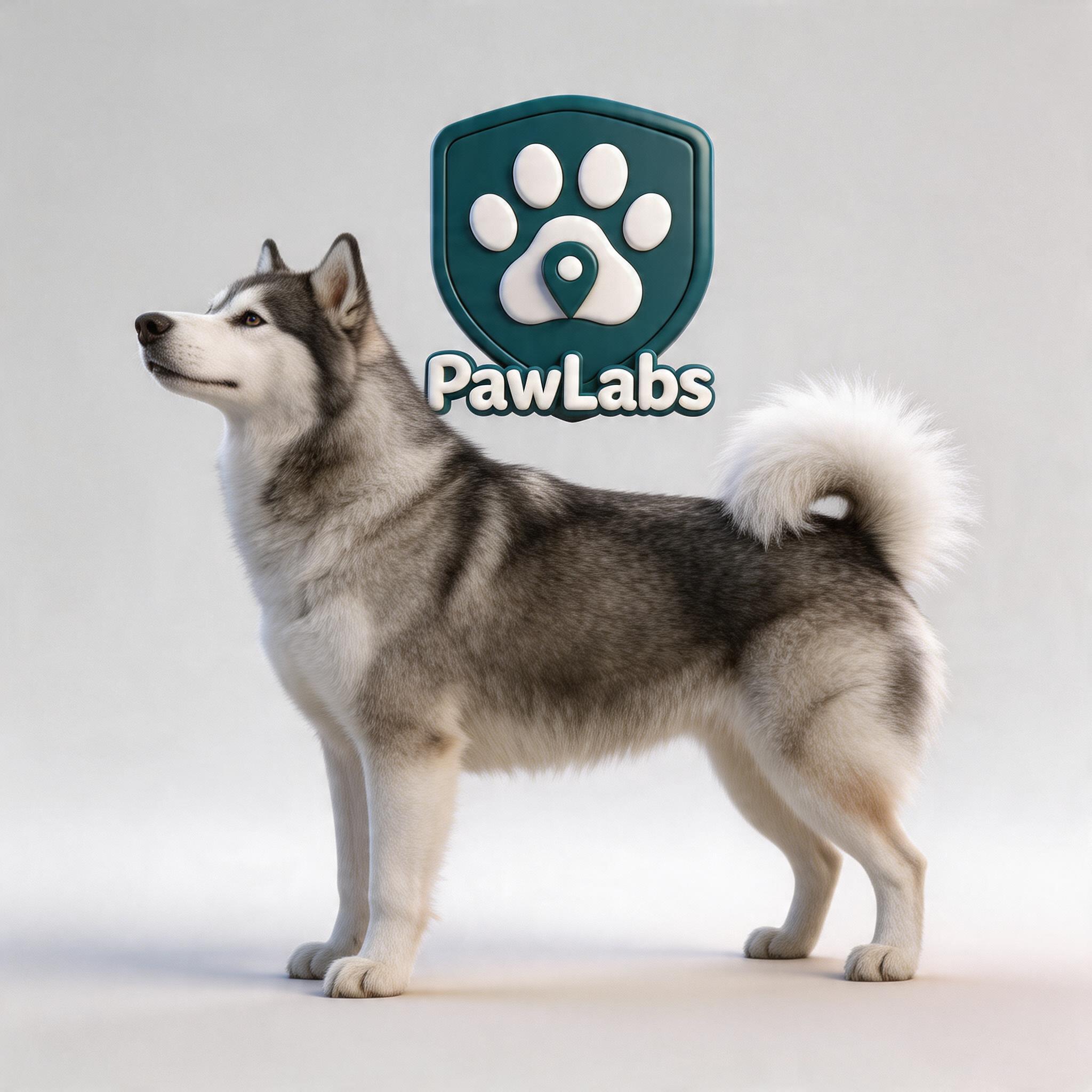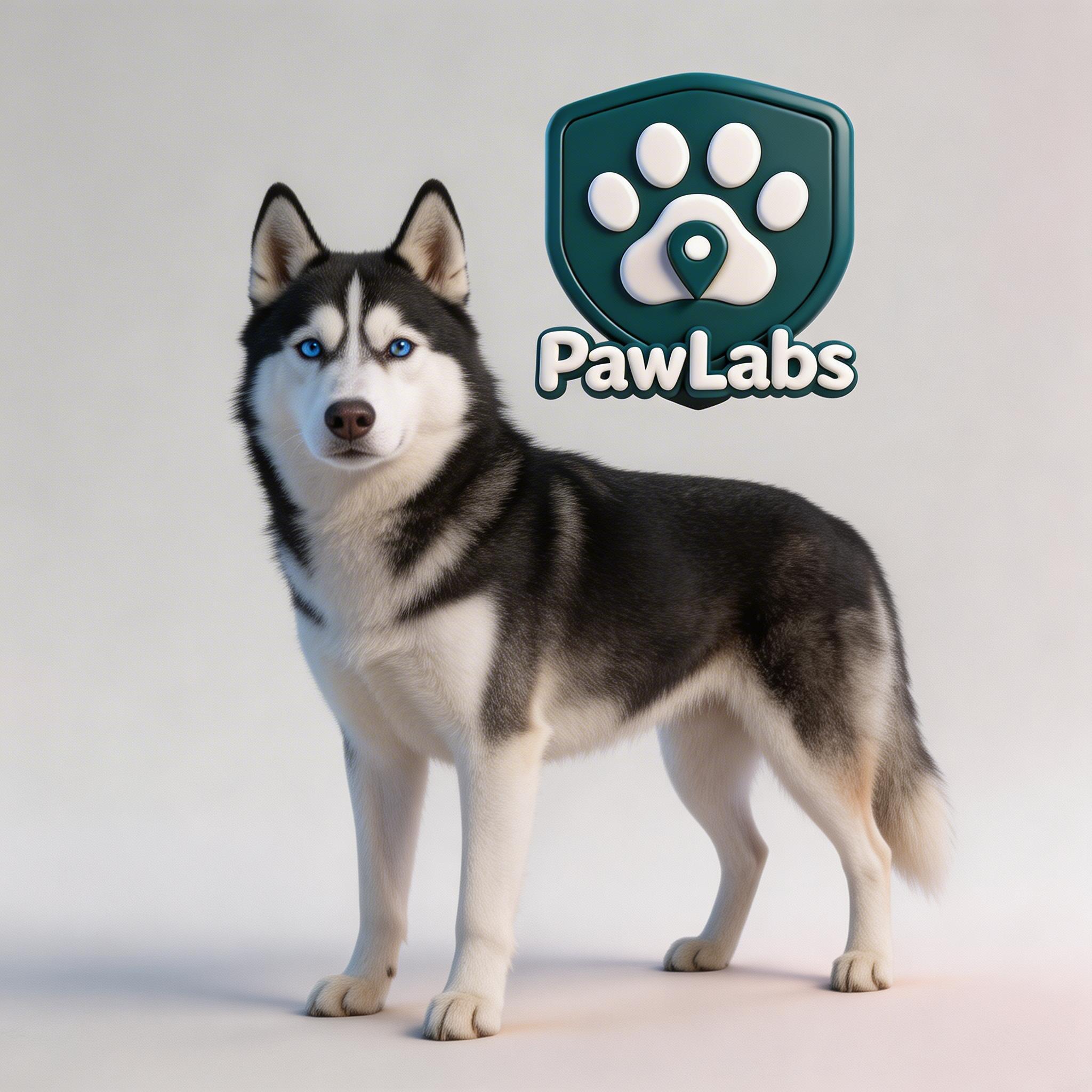
Siberian Husky
A stunning, energetic escape artist with a wolfish charm and relentless drive.
Original Role: Sled pulling and endurance work
💪 Strengths
- + Exceptional endurance and strength for active lifestyles
- + Striking appearance with captivating eyes
⚠️ Weaknesses
- − Strong prey drive and tendency to escape
- − Not suited for sedentary or inexperienced owners
📜 Breed History
The Siberian Husky traces its roots to the harsh, frozen landscapes of Siberia, where the Chukchi people bred these dogs for endurance and strength. Originally developed as sled dogs, they were essential for transportation and survival in one of the most unforgiving climates on Earth. These dogs weren’t just workers; they were family, often sleeping with the Chukchi to provide warmth during brutal winters. Their ability to haul light loads over vast distances with minimal food made them indispensable.
The breed gained international attention in the early 20th century, particularly during the 1925 Nome Serum Run in Alaska. A team of Siberian Huskies, led by the famous Balto, delivered life-saving diphtheria antitoxin across 674 miles of treacherous terrain. This heroic feat cemented their reputation as tough, reliable working dogs. Introduced to the United States in the early 1900s, they were recognized by the American Kennel Club in 1930 as part of the Working Group. Over time, their striking looks—those piercing blue or multicolored eyes and wolf-like features—made them popular as companions, though their working roots still define their high-energy temperament. Today, they’re celebrated in sled racing events like the Iditarod, a nod to their enduring legacy as Arctic warriors.
A Siberian Husky Will Run You Ragged—And You Might Love It
I’ve spent years around Siberian Huskies, and let me tell you, they are not for the faint of heart. These dogs are breathtaking with their wolfish grins and icy blue eyes, but they’re also a whirlwind of energy and mischief. I’ve watched a Husky scale a six-foot fence in under a minute just to chase a squirrel. They’re escape artists with a capital E, and if you’re not prepared for their boundless drive, you’ll be chasing them down the block before you’ve had your morning coffee. But for the right person, their spirit and loyalty are unmatched. They’ve got a wild heart, and living with one feels like partnering with a piece of the Arctic itself.
Temperament & Personality
Siberian Huskies are friendly to a fault. I’ve seen them wag their fluffy tails at complete strangers as if they’ve known them forever. They’re not guard dogs—don’t expect them to bark at an intruder; they might just invite them in for a playdate. Their pack mentality shines through in how they bond with family, and I’ve watched them gently nudge a toddler to play, almost like a protective older sibling. But they’ve got an independent streak wider than the tundra. They’ll look at you with those piercing eyes as if to say, ‘I hear you, but I’ve got better plans.’ And don’t be surprised by their vocal quirks—they don’t just bark; they howl, yodel, and talk back in ways that’ll make you laugh or groan, depending on the hour.
Exercise & Activity Needs
If you’re not ready to move, don’t get a Husky. These dogs were bred to pull sleds for miles across frozen wilderness, and that stamina is hardwired. I’ve taken Huskies on three-hour hikes in the mountains, and they’re still zooming around at 5 a.m. the next day, ready for more. They need at least two hours of intense exercise daily—think running, biking, or skijoring if you’re in a snowy area. A simple walk around the block won’t cut it; they’ll get bored and start digging craters in your yard or chewing through your favorite shoes. I’ve known owners who’ve turned to dog sports like canicross just to keep up. Without that outlet, their energy turns destructive faster than you can blink.
Training & Intelligence
Training a Siberian Husky is like negotiating with a clever teenager. They’re smart—scary smart sometimes—but they don’t always care to please you. I’ve spent hours trying to teach a Husky a basic ‘stay’ command, only to have them bolt the second a bird flutters by. Their prey drive is intense, and their independent nature means they’ll often choose their own adventure over your rules. Consistency and patience are non-negotiable, and I’ve found positive reinforcement with high-value treats works best. Forget harsh methods; they’ll just shut down or outsmart you. Start early, socialize them with everything from cats to strangers, and even then, don’t expect a perfect obedience champ. They’re more likely to pull off a great escape than win a gold star in class.
Health & Lifespan
Siberian Huskies are generally hardy, with a lifespan of 12 to 14 years, which is decent for a medium-sized breed. But they’re not without issues. I’ve known several with hip dysplasia, a genetic condition that can lead to arthritis and mobility problems—vet bills for x-rays and potential surgery can easily hit $3,000 or more. Eye conditions like cataracts and progressive retinal atrophy are also common; I’ve seen a young Husky lose partial vision by age five, which broke my heart. They can also develop skin issues like zinc deficiency, leading to hair loss if their diet isn’t spot-on. Regular vet checkups are a must, and I’d budget for genetic testing if you’re getting a puppy from a breeder. They’re tough dogs, but their health needs some vigilance.
Grooming & Maintenance
That gorgeous double coat is both a blessing and a curse. Huskies shed like there’s no tomorrow, especially during their biannual ‘blowouts’ in spring and fall. I’ve vacuumed enough fur from my house to knit a sweater after living with one for just a week. Brushing them two to three times a week with an undercoat rake helps, but you’ll still find tumbleweeds of hair everywhere. Baths? Only when necessary—they’re pretty self-cleaning, and over-bathing can dry out their skin. I’ve also had to trim their nails every few weeks because their active lifestyle doesn’t always wear them down naturally. And don’t forget their ears; I’ve seen wax buildup turn into infections if not checked. Grooming isn’t hard, but it’s a commitment.
Diet & Nutrition
Huskies are surprisingly efficient eaters for their energy levels, a trait from their sled-dog days when food was scarce. I’ve fed adult Huskies around 2 to 3 cups of high-quality kibble daily, split into two meals, though active ones might need more. They do well on a diet rich in protein and fat—think salmon or chicken-based formulas—but watch for food sensitivities. I’ve had a Husky develop itchy skin from cheap grain-heavy food, so I switched to a limited-ingredient diet, and the difference was night and day. Raw or home-cooked diets can work if balanced properly, but I’d consult a vet first. And keep portions in check; they’re not prone to overeating, but an overweight Husky struggles with joint stress. Fresh water is non-negotiable, especially after exercise—they’ll pant hard and dehydrate fast.
Living Conditions
Huskies were born for cold climates, and their thick coat proves it. I’ve seen them curl up happily in the snow while I’m shivering in three layers. Hot weather, though? It’s their kryptonite. If you’re in a humid or tropical area, you’ll need air conditioning and limited outdoor time during peak heat—I’ve had to hose down a Husky just to keep them comfortable in summer. Apartments can work, but only if you’re dedicated to exercise; otherwise, a house with a secure, fenced yard is better. And I mean secure—six feet high, dug-in fencing, because they’ll jump or dig their way out. They’re not couch potatoes, so cramped spaces without activity turn them into wrecking balls.
Who Should Get This Breed
If you’re an active, outdoorsy type who loves a challenge, a Siberian Husky might be your soulmate. I’ve met runners and hikers who swear their Husky is the best partner for long treks, pulling them along with endless enthusiasm. Families with older kids can thrive with them too, as long as everyone’s on board with their energy and quirks. They do well with owners who have time—lots of it—to dedicate to exercise and mental stimulation. If you’ve got experience with dogs and a knack for patience, their independent spirit becomes a fun puzzle to solve rather than a frustration. A cold climate is a bonus; they’ll thank you for every snowy day with a joyful howl.
Who Should NOT Get This Breed
If you’re a first-time dog owner or someone with a sedentary lifestyle, steer clear. I’ve seen Huskies overwhelm inexperienced folks who thought their beauty meant ‘easy pet.’ They’re not. If you work long hours and can’t commit to serious exercise, they’ll destroy your home out of boredom—I’ve witnessed a Husky shred a couch in under an hour when left alone too long. They’re also a terrible fit for hot climates unless you’ve got a plan to keep them cool. And if you’ve got small pets like cats or rabbits, beware; their prey drive often overrides training. They’re amazing dogs, but only for those ready to match their wild, untamed energy.
❓ Siberian Husky FAQs
The questions people ask most, answered from this breed's trait scores.
Is the Siberian Husky good with children?
The Siberian Husky scores 7/10 for child-friendliness, making it a good match for families with children. That score reflects the breed's typical temperament, not any individual animal — early socialisation and how the dog was raised matter just as much. Supervise interactions with toddlers whatever the breed.
Does the Siberian Husky get along with other pets?
Scoring 6/10 for pet-friendliness, the Siberian Husky is usually fine with other pets once introduced properly. Prey drive matters here as well as sociability: breeds built to chase can live happily with a household cat they grew up with and still pursue an unfamiliar one.
How much exercise does the Siberian Husky need?
The Siberian Husky rates 9/10 for energy and needs two hours or more a day, every day, including the days you do not feel like it. Under-exercised, this is a breed that finds its own entertainment — usually at the expense of your furniture. The breed was originally developed for sled pulling and endurance work, which is where that requirement comes from.
Does the Siberian Husky shed a lot?
At 8/10 for shedding, the Siberian Husky sheds noticeably, and you will find hair on clothes and furniture. It has a medium double coat. Worth knowing: low shedding is not the same as hypoallergenic — most people react to proteins in dander and saliva, not to hair itself, so no breed is genuinely allergy-free.
Is the Siberian Husky easy to train?
The Siberian Husky scores 5/10 for trainability, making it trainable with consistency, though not eager to please for its own sake. It scores 7/10 for intelligence — worth separating from trainability, because a clever breed that has decided not to listen is harder work than a simpler one that wants to.
What is the average lifespan of the Siberian Husky?
The Siberian Husky typically lives 12–14 years. We rate the breed 7/10 for general health robustness. Individual lifespan depends heavily on genetics, weight management and veterinary care.
How big does the Siberian Husky get?
A full-grown Siberian Husky usually weighs 35–60 lbs and stands roughly 20–23.5 inches at the shoulder. That places it in the medium size band. Males generally sit at the upper end of both ranges.
Does the Siberian Husky bark a lot?
Rated 6/10 for barking, the Siberian Husky barks a moderate amount. Training and adequate exercise both reduce nuisance barking, but they will not turn a naturally vocal breed into a silent one.
Is the Siberian Husky suited to apartment living?
The Siberian Husky is a difficult fit for apartment living. It scores 6/10 for adaptability, 9/10 for energy and 6/10 for barking — the three traits that decide this. Floor space matters far less than whether the breed can settle indoors and stay quiet while you are out.
Is the Siberian Husky a good choice for first-time owners?
On balance the Siberian Husky is better suited to someone who has raised a dog before, based on its trainability (5/10), adaptability (6/10) and energy level (9/10). The most common reason a first dog does not work out is a mismatch between the breed's daily needs and the owner's actual routine, rather than anything about the breed itself.
Written and reviewed by PawLabs Editorial Team
We build PawLabs from published kennel club breed standards and veterinary reference sources. Profiles are drafted with AI assistance against that source data, then reviewed and corrected by a person before anything is published. We say so because you should know how the thing you're reading was made. How we research breeds · Report a correction
Note: Breed profiles are general reference, not veterinary advice. For anything concerning your own animal, talk to a vet who can examine them.