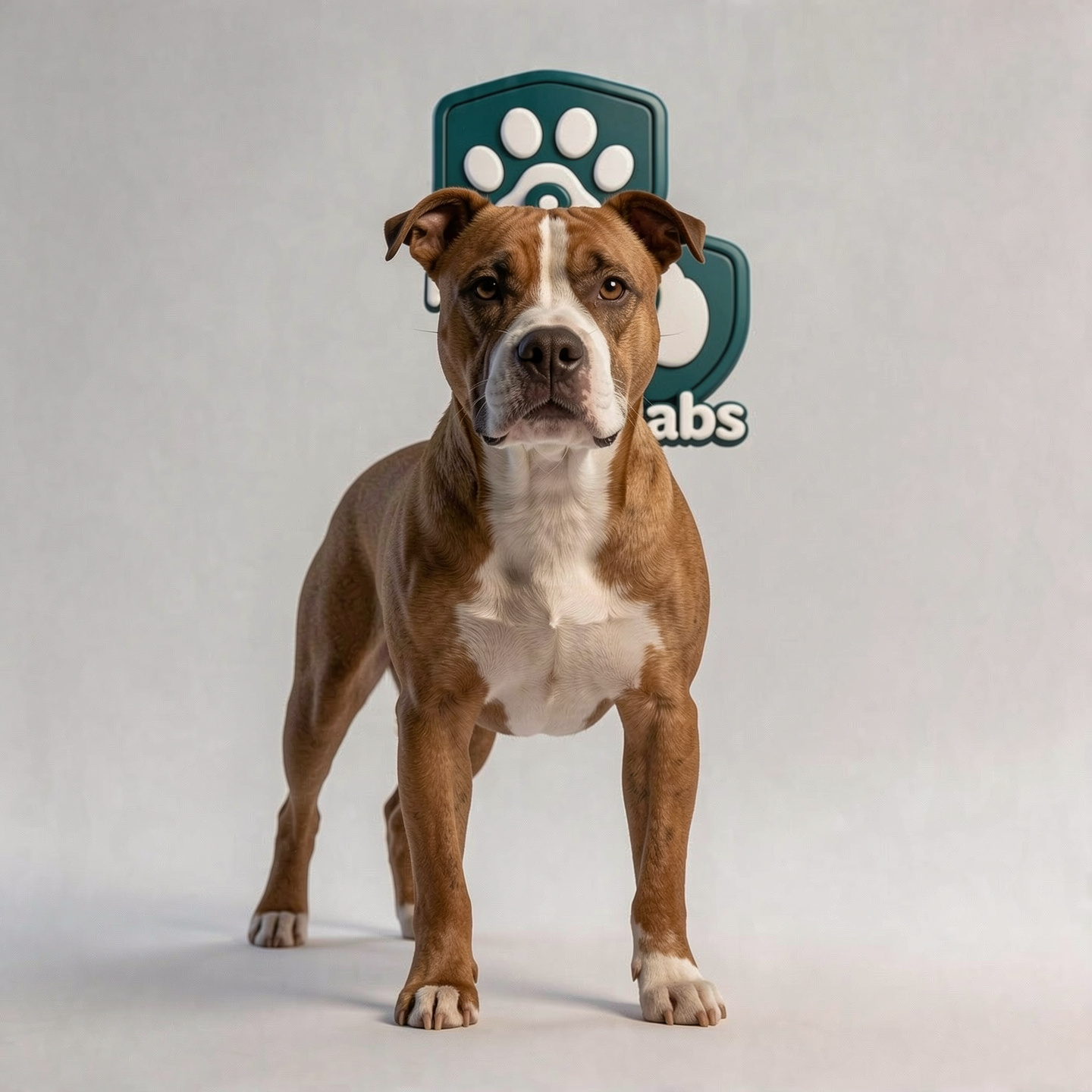
Staffordshire Bull Terrier
A muscular, loyal companion with boundless energy and a heart of gold.
Original Role: Fighting and companionship
💪 Strengths
- + Incredibly loyal and protective of family
- + Playful and energetic nature
⚠️ Weaknesses
- − Can be dog-aggressive if not socialized early
- − Strong prey drive and stubborn streak
📜 Breed History
The Staffordshire Bull Terrier, often affectionately called the 'Staffie,' hails from the industrial heart of England, specifically the Staffordshire region, during the 19th century. Originally bred for the brutal sport of bull-baiting, these dogs were a mix of the now-extinct Old English Bulldog and various terrier breeds, combining raw power with agility and tenacity. When bull-baiting was outlawed in 1835, their role shifted to dog fighting, a grim but popular underground activity at the time. Breeders prioritized strength, courage, and a muscular build, but they also valued a stable temperament toward humans, as handlers needed to manage these dogs without fear of being bitten.
By the early 20th century, as dog fighting waned, the Staffie’s reputation as a loyal companion grew. The breed was recognized by the Kennel Club in England in 1935, marking a shift from their rough past to a family-oriented present. They became known as 'nanny dogs' for their gentle demeanor with children, a nickname that persists despite their tough appearance. Today, Staffordshire Bull Terriers are celebrated for their affectionate nature, though their history as fighters means early socialization is non-negotiable to curb potential aggression toward other dogs. Their journey from the gritty pits of England to beloved household pets is a testament to their adaptability and heart.
The Staffordshire Bull Terrier: A Powerhouse of Love and Grit
I’ve spent countless hours with Staffordshire Bull Terriers over the years, and let me tell you, they’re a breed that grabs your heart and doesn’t let go. These compact, muscular dogs are bursting with personality—equal parts cuddly lap dog and tenacious terrier. I’ve watched a Staffie curl up with a toddler for a nap one minute, then bolt across a yard chasing a squirrel the next. They’re not for the faint of heart, though. Their energy, strength, and occasional stubbornness demand an owner who’s ready to put in the work. But if you’re up for it, the bond you’ll form with a Staffie is unlike any other.
Temperament & Personality
Living with a Staffordshire Bull Terrier is like having a best friend who’s also a bit of a daredevil. They’re incredibly affectionate with their people—don’t be surprised if your Staffie insists on being glued to your side, whether you’re cooking dinner or binge-watching a show. I’ve had Staffies practically climb into my lap, all 30 pounds of pure muscle, just to get closer. They’re often called 'nanny dogs' for a reason; their patience with kids is remarkable, though I always supervise because of their strength and enthusiasm.
That said, their terrier roots mean they’ve got a bold streak. They’re fearless, sometimes to a fault, and can be overly confident around other dogs. I’ve seen Staffies at the park go from playful to posturing in a heartbeat if they feel challenged. Early socialization isn’t just helpful—it’s essential. They’ve also got a playful, clownish side that comes out in bursts of energy, often tearing around the house with a toy in their mouth, daring you to join the game.
Exercise & Activity Needs
Staffies are high-energy dogs trapped in a medium-sized body. They need at least an hour of solid exercise every day, and I’m not talking about a leisurely stroll. Think vigorous walks, tug-of-war sessions, or a good run in a fenced area. I’ve taken Staffies on hikes, and they’ll keep going long after I’m ready to call it quits, their little legs pumping with endless determination. Without enough physical and mental stimulation, they’ll channel that energy into destruction—trust me, I’ve seen a bored Staffie shred a pair of sneakers in under 10 minutes.
They also thrive on interactive play. Fetch is a favorite, though they might decide halfway through that keeping the ball is more fun than bringing it back. A tired Staffie is a happy Staffie, so plan for multiple activity bursts throughout the day if you can. If you’ve got a busy schedule, consider a dog walker or daycare to keep them from turning your home into a chew-toy testing ground.
Training & Intelligence
Training a Staffordshire Bull Terrier is a test of patience, but it’s rewarding when you get it right. They’re smart—smarter than their goofy grins might suggest—but they’ve got a stubborn streak a mile wide. I’ve spent sessions trying to teach a Staffie to ‘stay,’ only to have them look at me like I’ve lost my mind before wandering off to sniff something more interesting. Consistency is your best friend here. They respond well to positive reinforcement, especially treats and praise, but you’ve got to be firm and clear.
Their history as fighters means they can have a strong prey drive and a tendency to be reactive with other dogs if not trained early. I always start socialization as young as possible, exposing them to different environments, people, and pets. They’re not impossible to train, but they’re not a breed that lives to please like a Labrador. You’ll need to earn their respect, and that takes time and effort.
Health & Lifespan
Staffordshire Bull Terriers generally live 12 to 14 years, which is decent for a medium-sized breed, but they’re not without health challenges. Hip dysplasia is a concern, as is patellar luxation, where the kneecap slips out of place—I’ve known Staffies who needed surgery for this, and it’s not cheap. They’re also prone to skin allergies, often triggered by diet or environmental factors. I’ve dealt with a Staffie who scratched himself raw until we switched to a hypoallergenic food.
Another big issue is hereditary cataracts, which can lead to vision loss if not caught early. Regular vet checkups are a must, and budgeting for potential eye exams or treatments is smart. They can also develop L-2 hydroxyglutaric aciduria, a rare metabolic disorder that affects the brain, so ask breeders for health clearances. Vet bills can add up, especially if joint or skin issues crop up, so pet insurance might be a wise investment.
Grooming & Maintenance
Grooming a Staffie is a breeze, which is a relief given how much energy they demand elsewhere. Their short, smooth coat needs little more than a weekly brush with a rubber mitt to keep shedding under control. They do shed, especially during seasonal changes, but it’s manageable—I’ve never found myself drowning in fur like I have with some other breeds. A bath every month or so keeps them clean, though they often roll in mud if given the chance, so you might be rinsing them off more often.
Check their ears weekly for wax buildup or infection, as their shape can trap moisture. Nails need trimming every few weeks; I’ve learned the hard way that an untrimmed Staffie can scratch up your legs during a play session. Dental care is important too—their strong jaws mean they chew hard, and tartar can build up fast without regular brushing or chews.
Diet & Nutrition
Staffies need a high-quality diet tailored to their energy levels and muscular build. I usually feed them a protein-rich kibble or raw diet, aiming for about 1.5 to 2 cups of food per day split into two meals, depending on their weight and activity. They can pack on pounds if overfed, and I’ve seen chubby Staffies struggle with joint issues as a result, so portion control is key. Watch for food allergies too—some develop sensitivities to chicken or grains, and switching to a limited-ingredient diet often helps.
They love treats, and I’ve used small bits of cheese or meat as training rewards, but don’t let those pleading eyes fool you into overindulging them. Fresh water should always be available, especially after exercise, since they can overheat with their dense build. If you’re unsure about portions or specific needs, a quick chat with your vet can set you on the right path.
Living Conditions
Staffordshire Bull Terriers can adapt to various living situations, but they’re not a breed that thrives in tiny spaces without effort. An apartment can work if you’re committed to daily exercise, but they’re happier with a yard to zoom around in. I’ve kept Staffies in smaller homes, but only with a strict routine of walks and playtime—otherwise, they get restless and destructive. They’re not suited for extreme climates; their short coat means they chill easily in cold weather, and they overheat fast in scorching summers.
They’re indoor dogs at heart, wanting to be near their people, so don’t plan on leaving them outside for long stretches. A secure fence is a must if they’re in a yard—their strength and curiosity mean they’ll dig or jump if they spot something worth chasing. They can handle moderate noise and activity levels, but a chaotic household might stress them out if they’re not used to it.
Who Should Get This Breed
If you’re an active, confident person or family looking for a loyal, protective companion, a Staffordshire Bull Terrier might be your match. They’re fantastic for folks who love outdoor adventures and have the time to dedicate to exercise and training. I’ve seen them thrive with owners who treat them like part of the pack, involving them in daily life and giving them a job to do, even if it’s just carrying a toy on a walk. They’re also great with kids if socialized properly, offering endless patience for rough-and-tumble play.
Experienced dog owners who understand terrier tenacity and can provide structure will find a Staffie to be a rewarding challenge. If you’re ready to invest in early socialization and consistent boundaries, their love and clownish antics will pay you back tenfold.
Who Should NOT Get This Breed
Staffordshire Bull Terriers aren’t for everyone, and I’m blunt about this because I’ve seen mismatches end in heartbreak. If you’re a first-time dog owner or unsure about handling a strong-willed, powerful dog, look elsewhere. They’re not a breed you can leave alone for long hours—separation anxiety kicks in, and I’ve known Staffies to chew through doors trying to get to their people. If you’ve got other dogs and aren’t prepared for potential tension, think twice; their history means dog-aggression can surface without rigorous socialization.
They’re also a poor fit for sedentary lifestyles. If you’re not up for daily, intense exercise, a Staffie will drive you up the wall with pent-up energy. And if you live in a hot or cold extreme climate without a plan to keep them comfortable, their short coat will leave them struggling. Be honest with yourself about the commitment—they deserve an owner who’s all in.
❓ Staffordshire Bull Terrier FAQs
The questions people ask most, answered from this breed's trait scores.
Is the Staffordshire Bull Terrier good with children?
The Staffordshire Bull Terrier scores 8/10 for child-friendliness, making it a good match for families with children. That score reflects the breed's typical temperament, not any individual animal — early socialisation and how the dog was raised matter just as much. Supervise interactions with toddlers whatever the breed.
Does the Staffordshire Bull Terrier get along with other pets?
Scoring 5/10 for pet-friendliness, the Staffordshire Bull Terrier is usually fine with other pets once introduced properly. Prey drive matters here as well as sociability: breeds built to chase can live happily with a household cat they grew up with and still pursue an unfamiliar one.
How much exercise does the Staffordshire Bull Terrier need?
The Staffordshire Bull Terrier rates 8/10 for energy and needs at least an hour to 90 minutes a day, and it should be real exercise rather than a stroll. Under-exercised, this is a breed that finds its own entertainment — usually at the expense of your furniture. The breed was originally developed for fighting and companionship, which is where that requirement comes from.
Does the Staffordshire Bull Terrier shed a lot?
At 4/10 for shedding, the Staffordshire Bull Terrier sheds lightly. It has a short smooth coat. Worth knowing: low shedding is not the same as hypoallergenic — most people react to proteins in dander and saliva, not to hair itself, so no breed is genuinely allergy-free.
Is the Staffordshire Bull Terrier easy to train?
The Staffordshire Bull Terrier scores 6/10 for trainability, making it trainable with consistency, though not eager to please for its own sake. It scores 7/10 for intelligence — worth separating from trainability, because a clever breed that has decided not to listen is harder work than a simpler one that wants to.
What is the average lifespan of the Staffordshire Bull Terrier?
The Staffordshire Bull Terrier typically lives 12–14 years. We rate the breed 6/10 for general health robustness. Individual lifespan depends heavily on genetics, weight management and veterinary care.
How big does the Staffordshire Bull Terrier get?
A full-grown Staffordshire Bull Terrier usually weighs 24–38 lbs and stands roughly 14–16 inches at the shoulder. That places it in the medium size band. Males generally sit at the upper end of both ranges.
Does the Staffordshire Bull Terrier bark a lot?
Rated 5/10 for barking, the Staffordshire Bull Terrier barks a moderate amount. Training and adequate exercise both reduce nuisance barking, but they will not turn a naturally vocal breed into a silent one.
Is the Staffordshire Bull Terrier suited to apartment living?
The Staffordshire Bull Terrier is a difficult fit for apartment living. It scores 6/10 for adaptability, 8/10 for energy and 5/10 for barking — the three traits that decide this. Floor space matters far less than whether the breed can settle indoors and stay quiet while you are out.
Is the Staffordshire Bull Terrier a good choice for first-time owners?
On balance the Staffordshire Bull Terrier is better suited to someone who has raised a dog before, based on its trainability (6/10), adaptability (6/10) and energy level (8/10). The most common reason a first dog does not work out is a mismatch between the breed's daily needs and the owner's actual routine, rather than anything about the breed itself.
Written and reviewed by PawLabs Editorial Team
We build PawLabs from published kennel club breed standards and veterinary reference sources. Profiles are drafted with AI assistance against that source data, then reviewed and corrected by a person before anything is published. We say so because you should know how the thing you're reading was made. How we research breeds · Report a correction
Note: Breed profiles are general reference, not veterinary advice. For anything concerning your own animal, talk to a vet who can examine them.