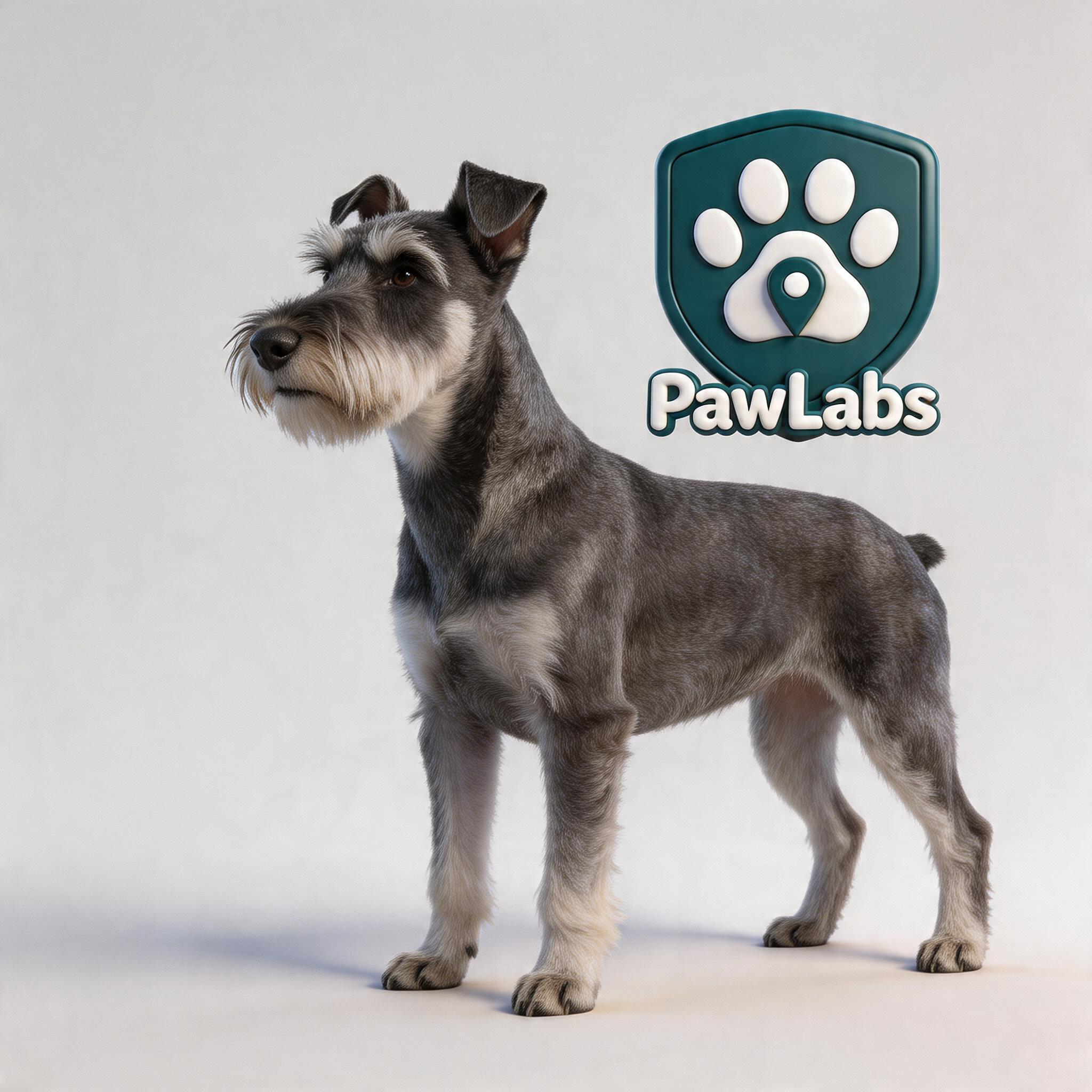
Standard Schnauzer
A bold, intelligent dog with a distinctive bearded look.
Original Role: Guarding and vermin control
💪 Strengths
- + Highly trainable with a sharp mind
- + Versatile for various roles including guarding and companionship
⚠️ Weaknesses
- − Can be stubborn without consistent training
- − Requires regular grooming to maintain coat health
📜 Breed History
The Standard Schnauzer hails from Germany, with roots tracing back to the Middle Ages. Originally bred as a multi-purpose farm dog, they were tasked with guarding property, controlling vermin, and even herding livestock. Their name comes from the German word 'schnauze,' meaning muzzle, a nod to their distinctive bearded face. These dogs were the foundation for the smaller Miniature Schnauzer and the larger Giant Schnauzer, but the Standard remains the original blueprint. They were prized for their versatility—able to switch from ratting in barns to alerting families of intruders with a sharp bark.
By the late 19th century, the breed was formalized, with the first breed standard written in 1879. They made their way to the United States in the early 20th century, initially classified as terriers due to their vermin-hunting skills, before being moved to the Working Group by the American Kennel Club in 1945. Their wiry coat and robust build made them suited for harsh weather and tough tasks, a testament to their origins in the rugged Bavarian countryside. Today, they’re less common as working dogs but retain that same spirited, no-nonsense attitude that made them indispensable to German farmers centuries ago.
The Standard Schnauzer: A Bearded Brainiac with a Protective Streak
I’ve spent countless hours with Standard Schnauzers over the years, and I can tell you straight up: this is not a breed for the faint of heart. They’re a medium-sized bundle of wiry fur and boundless energy, with a mind so sharp it’ll outsmart you if you’re not on your game. That distinctive beard and those bushy eyebrows give them a grumpy-old-man look, but don’t be fooled—they’re full of spunk and personality. I’ve watched these dogs charm entire families with their antics, then turn on a dime to stand guard at the slightest hint of a stranger. They’re a working breed through and through, and if you don’t give them a job, they’ll invent one, whether that’s reorganizing your sock drawer or barking at every passing squirrel. This is a dog that demands engagement, but for the right owner, their loyalty and versatility are unmatched.
Temperament & Personality
Living with a Standard Schnauzer means embracing a dog that’s equal parts clown and sentinel. They’re spirited—almost to a fault. I’ve seen them bounce around the house at 6 a.m., ready to play or patrol the yard, while I’m still rubbing sleep from my eyes. They bond hard with their people, often picking a favorite person to shadow relentlessly. My friend’s Schnauzer, Max, would follow her from room to room, lying down with a dramatic sigh if she dared to sit still for too long. But that loyalty comes with a protective edge. They’re naturally suspicious of strangers, and their bark is loud and insistent—perfect for alerting you to the mailman but less ideal if you live in a quiet apartment complex. They’re not aggressive by nature, but they’ll let you know if something’s off. With kids, they can be playful and patient if socialized early, though their high energy might overwhelm a toddler. They’ve got a stubborn streak, too, so don’t expect blind obedience without earning their respect.
Exercise & Activity Needs
Standard Schnauzers are not couch potatoes. They were bred to work all day on farms, and that stamina hasn’t faded. You’re looking at a minimum of an hour of solid exercise daily—think brisk walks, jogs, or a good game of fetch in a fenced yard. I’ve taken Schnauzers on hikes, and they’ll keep pace for miles, tail wagging, while barely breaking a sweat. Mental stimulation is just as critical; without it, they get bored and destructive. I remember a young Schnauzer named Greta who shredded a pair of sneakers after being cooped up during a rainy week. Puzzle toys, training sessions, or even agility courses are fantastic outlets. If you’re not active or can’t commit to this level of engagement, they’ll make their frustration known, often through incessant barking or digging up your flower beds.
Training & Intelligence
These dogs are whip-smart, ranking high among working breeds for problem-solving and adaptability. I’ve trained dozens of Schnauzers, and they pick up commands fast—sometimes too fast. They’ll learn a trick in a day, then test you to see if you really mean it. Consistency is everything. If you waver, they’ll exploit it; I’ve had a Schnauzer sit pretty for a treat one minute, then completely ignore me the next because he sensed I wasn’t firm. Positive reinforcement works best—harsh methods just make them dig in their heels. Early socialization is non-negotiable. Without it, their natural wariness of strangers can turn into overprotectiveness. They excel in obedience, agility, and even scent work, so don’t be afraid to challenge them. Just know they’ll challenge you right back.
Health & Lifespan
Standard Schnauzers are generally hardy, with a lifespan of 13 to 16 years, which is impressive for a medium-sized breed. But they’re not without issues. Hip dysplasia crops up more than I’d like to see; I’ve known a few who started limping by age 8, requiring pricey vet visits and sometimes surgery. Pancreatitis is another concern—their love for food can lead to digestive troubles if you’re not careful with treats or table scraps. Eye conditions like cataracts and progressive retinal atrophy can also affect them, so regular checkups are a must. And while rare, some lines are prone to a specific heart condition called dilated cardiomyopathy. Budget for routine vet care and potential emergencies; I’d estimate annual costs around $800 to $1,200 depending on your area. They’re tough dogs, but they’re not invincible, so don’t skimp on health screenings when choosing a breeder.
Grooming & Maintenance
That wiry, double-layered coat is a signature feature, but it’s not low-maintenance. Their outer coat is harsh and weather-resistant, while the undercoat is soft, and together, they trap dirt like nobody’s business. I’ve spent hours brushing out burrs after a Schnauzer rolled in the mud. Regular brushing—two to three times a week—keeps mats at bay, but most owners opt for professional grooming every 6 to 8 weeks. Hand-stripping (pulling out dead hair) maintains that crisp look, though clipping is easier if you’re not showing them. Don’t forget the beard—it gets grimy after meals and needs daily wiping. Shedding is minimal compared to other breeds, which is a plus, but the grooming commitment isn’t for everyone. Their ears also need checking for wax buildup, and teeth brushing is non-negotiable to avoid dental issues.
Diet & Nutrition
Standard Schnauzers aren’t picky eaters, but they’ll happily overeat if you let them. I’ve seen a few pack on pounds because their owners couldn’t resist those pleading eyes at dinnertime. Stick to a high-quality kibble or raw diet tailored for medium breeds with moderate to high energy. Two meals a day, roughly 1.5 to 2 cups total, should suffice for adults, though active dogs might need more. Watch for food sensitivities—some develop itchy skin or tummy issues with certain proteins. And as I mentioned earlier, their risk of pancreatitis means keeping fatty foods and scraps off the menu. Fresh water, always available, and a few healthy treats for training keep them happy. Just measure portions and adjust based on their activity; a chubby Schnauzer loses that athletic edge fast.
Living Conditions
These dogs are adaptable, but they’re not ideal for tiny spaces. An apartment can work if you’re committed to daily exercise, but their barking might annoy neighbors. I’ve known Schnauzers who thrived in urban settings with owners who walked them religiously, yet others who drove everyone nuts with their vocal protests. A house with a fenced yard is better—they love patrolling their territory. Climate-wise, their coat handles cold well, but they’ll overheat in extreme humidity without shade and water. They’re not outdoor-only dogs; they crave human interaction and can develop separation anxiety if left alone too long. I’ve seen one chew through a doorframe after being left for 8 hours. They need to be part of the family, not banished to the backyard.
Who Should Get This Breed
If you’re an active person or family with time to dedicate, the Standard Schnauzer could be your perfect match. They shine with owners who love training and outdoor adventures—think hikers, runners, or folks who want a dog to join them on weekend escapades. They’re fantastic for someone looking for a protective companion who’ll alert you to anything amiss without being outright aggressive. If you’ve got older kids who can handle their energy and playfulness, they’ll form tight bonds. I’ve watched Schnauzers become inseparable from teenagers who took on the role of training them. And if you enjoy a dog with personality—one who’ll make you laugh with their quirks and keep you on your toes—they’re a delight. Just be ready to invest in grooming and mental stimulation.
Who Should NOT Get This Breed
On the flip side, if you’re a first-time dog owner or someone with a sedentary lifestyle, think twice. Standard Schnauzers aren’t a set-it-and-forget-it pet; they’ll run circles around you if you’re not prepared for their energy and intellect. If you live in a small space and can’t provide daily outlets, their barking and restlessness will drive you up the wall. I’ve seen mismatches where busy professionals got a Schnauzer, only to come home to a wrecked house because the dog was understimulated. They’re also not great for homes with very young children—their boisterous nature can lead to accidental knocks. And if you’re not into grooming or can’t handle a dog with a mind of its own, this breed will frustrate you. They’re amazing, but they’re not for everyone.
❓ Standard Schnauzer FAQs
The questions people ask most, answered from this breed's trait scores.
Is the Standard Schnauzer good with children?
The Standard Schnauzer scores 6/10 for child-friendliness, making it usually fine with children who have been taught to handle a dog respectfully. That score reflects the breed's typical temperament, not any individual animal — early socialisation and how the dog was raised matter just as much. Supervise interactions with toddlers whatever the breed.
Does the Standard Schnauzer get along with other pets?
Scoring 5/10 for pet-friendliness, the Standard Schnauzer is usually fine with other pets once introduced properly. Prey drive matters here as well as sociability: breeds built to chase can live happily with a household cat they grew up with and still pursue an unfamiliar one.
How much exercise does the Standard Schnauzer need?
The Standard Schnauzer rates 7/10 for energy and needs at least an hour to 90 minutes a day, and it should be real exercise rather than a stroll. Under-exercised, this is a breed that finds its own entertainment — usually at the expense of your furniture. The breed was originally developed for guarding and vermin control, which is where that requirement comes from.
Does the Standard Schnauzer shed a lot?
At 3/10 for shedding, the Standard Schnauzer sheds lightly. It has a medium wire coat. Worth knowing: low shedding is not the same as hypoallergenic — most people react to proteins in dander and saliva, not to hair itself, so no breed is genuinely allergy-free.
Is the Standard Schnauzer easy to train?
The Standard Schnauzer scores 8/10 for trainability, making it responsive and straightforward to train. It scores 9/10 for intelligence — worth separating from trainability, because a clever breed that has decided not to listen is harder work than a simpler one that wants to.
What is the average lifespan of the Standard Schnauzer?
The Standard Schnauzer typically lives 13–16 years. We rate the breed 7/10 for general health robustness. Individual lifespan depends heavily on genetics, weight management and veterinary care.
How big does the Standard Schnauzer get?
A full-grown Standard Schnauzer usually weighs 30–50 lbs and stands roughly 17–20 inches at the shoulder. That places it in the medium size band. Males generally sit at the upper end of both ranges.
Does the Standard Schnauzer bark a lot?
Rated 6/10 for barking, the Standard Schnauzer barks a moderate amount. Training and adequate exercise both reduce nuisance barking, but they will not turn a naturally vocal breed into a silent one.
Is the Standard Schnauzer suited to apartment living?
The Standard Schnauzer is a difficult fit for apartment living. It scores 6/10 for adaptability, 7/10 for energy and 6/10 for barking — the three traits that decide this. Floor space matters far less than whether the breed can settle indoors and stay quiet while you are out.
Is the Standard Schnauzer a good choice for first-time owners?
On balance the Standard Schnauzer is manageable for a first-time owner who is willing to put the work in early, based on its trainability (8/10), adaptability (6/10) and energy level (7/10). The most common reason a first dog does not work out is a mismatch between the breed's daily needs and the owner's actual routine, rather than anything about the breed itself.
Written and reviewed by PawLabs Editorial Team
We build PawLabs from published kennel club breed standards and veterinary reference sources. Profiles are drafted with AI assistance against that source data, then reviewed and corrected by a person before anything is published. We say so because you should know how the thing you're reading was made. How we research breeds · Report a correction
Note: Breed profiles are general reference, not veterinary advice. For anything concerning your own animal, talk to a vet who can examine them.