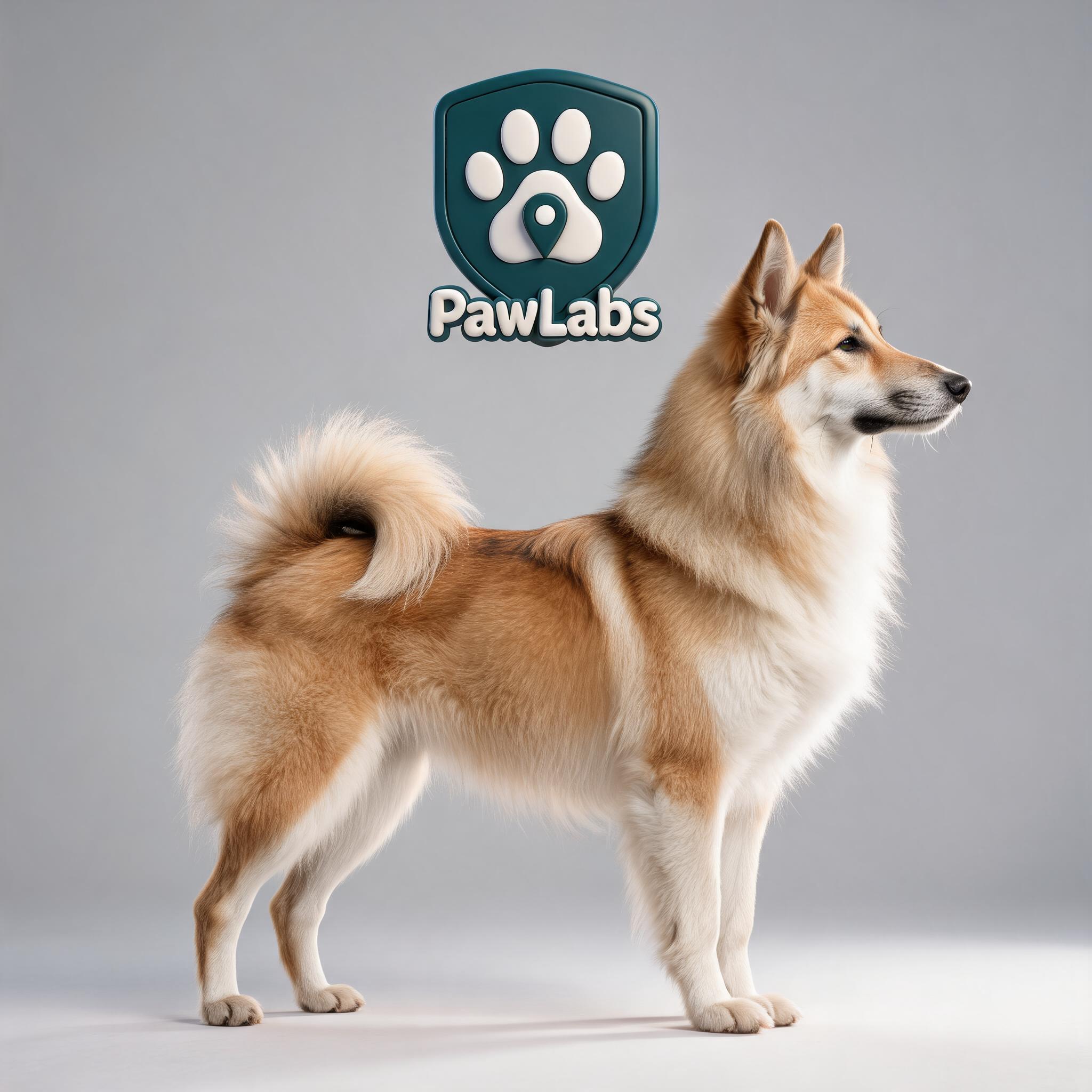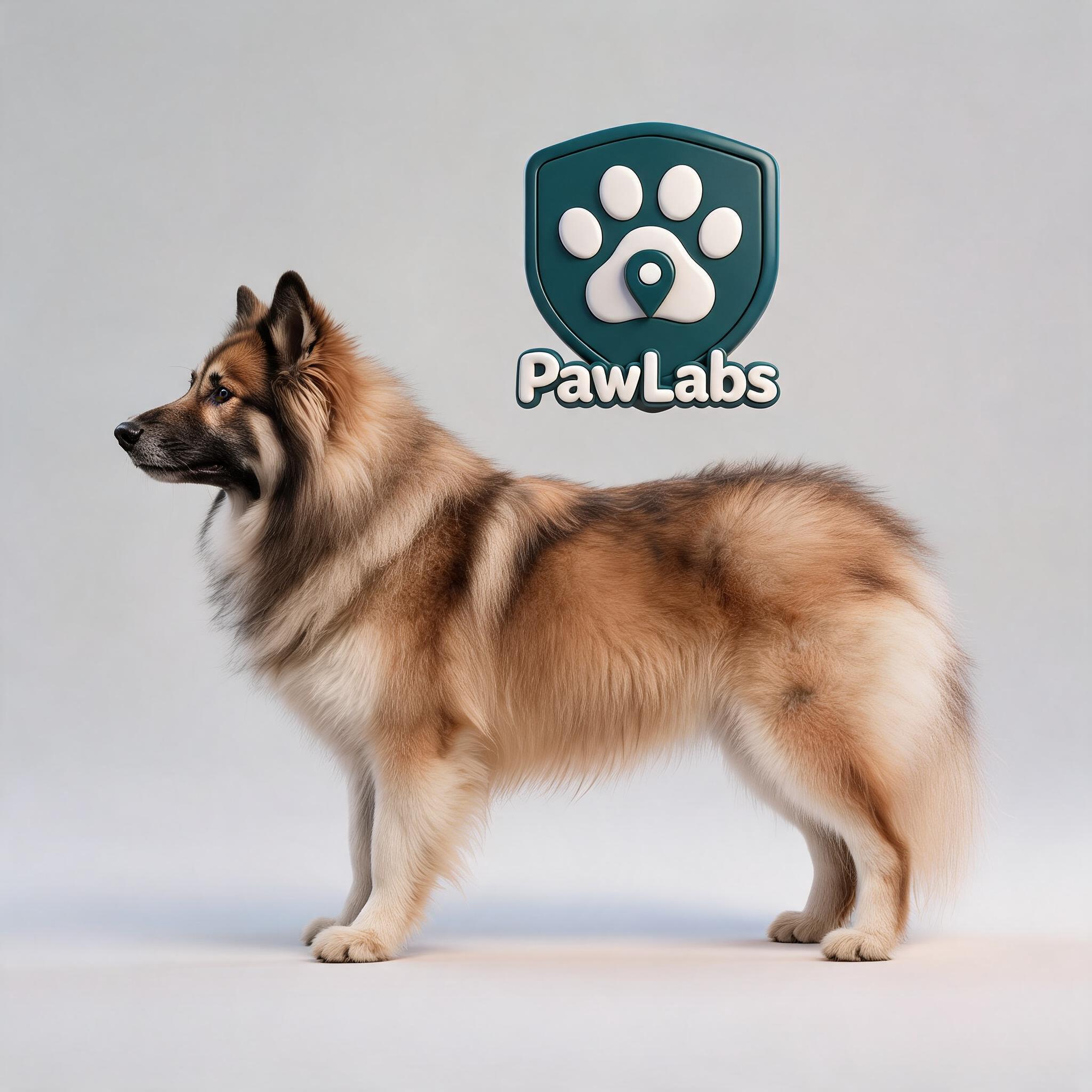
Finnish Lapphund
A hardy, loyal herding dog with a fluffy coat and endless energy.
Original Role: Herding reindeer
💪 Strengths
- + Exceptional stamina for outdoor activities
- + Deep loyalty to family
⚠️ Weaknesses
- − High energy can be overwhelming without proper outlets
- − Heavy shedding requires consistent grooming
⚡ Quick answers
- Sheds
- Heavily, seasonally
- Hypoallergenic
- No — thick double coat
- Barks
- Moderately, when alert
- Size
- 33–53 lb, medium
- Lifespan
- 12–15 years
📜 Breed History
The Finnish Lapphund hails from the far northern reaches of Finland, where it was originally bred by the Sami people, an indigenous group of Lapland, to herd reindeer across the Arctic tundra. These dogs were indispensable to the nomadic lifestyle of the Sami, working tirelessly in brutal cold to manage herds over vast, snowy landscapes. Their thick double coat and hardy build were shaped by the harsh environment, while their alertness and quick thinking made them ideal for controlling unpredictable reindeer. Historically, they were also used as hunting companions, showcasing their versatility.
The breed’s development remained largely isolated until the 20th century, when Finnish kennel clubs began to standardize it. By the 1940s, efforts were made to preserve the Lapphund’s unique traits, distinguishing it from similar Nordic breeds like the Swedish Lapphund. It gained recognition from the Finnish Kennel Club in 1945, and its popularity slowly spread beyond Scandinavia. Though still primarily a working dog in its homeland, the Finnish Lapphund has found a niche as a family companion in other parts of the world, valued for its loyalty and adaptability. The American Kennel Club officially recognized the breed in 2011, cementing its status as a beloved herding dog with deep cultural roots.
A Spunky Arctic Companion with a Herding Heart
Finnish Lapphunds are not just fluffy bundles of Arctic charm—they’re working dogs through and through. Bred to herd reindeer in the freezing tundra of Lapland, these medium-sized powerhouses bring a unique mix of energy, loyalty, and independence to the table. They’re a joy if you’ve got the time and space to match their vigor, but their boundless enthusiasm and thick coat can catch unprepared owners off guard. This isn’t a couch potato breed, and their need for purpose can turn into chewed shoes or relentless barking if they’re bored.
Temperament & Personality
Living with a Finnish Lapphund feels like having a cheerful, attentive shadow. They’re incredibly loyal to their family, often picking one person as their primary bond. They’re friendly with familiar faces, greeting you with a wagging tail and bright eyes after a long day, but they can be reserved with strangers. They often stand back and assess new people before warming up, a trait likely tied to their watchdog instincts from guarding reindeer herds. They’re not aggressive, just cautious. With kids, they’re generally patient, though their herding instincts might lead to gentle nips at heels during play. Their alertness also means they’ll bark at unusual noises, which can be a blessing or a curse depending on your tolerance for a vocal dog.
Exercise & Activity Needs
Finnish Lapphunds need serious exercise. We’re talking at least an hour or two daily of active, purposeful movement. Their history of traversing vast Arctic landscapes means they thrive on endurance activities—think jogging, agility courses, or even skijoring if you’re in a cold climate. Without this outlet, they get restless. A fenced yard helps, but it’s not enough on its own—they need mental challenges too, like puzzle toys or training drills, to tire out that busy brain.
Training & Intelligence
Training a Finnish Lapphund is rewarding but requires patience. They’re smart—scary smart sometimes—and they pick up commands quickly when motivated. Their independent streak can be a hurdle. Bred to make decisions on their own while herding, they might question why they should listen if the reward isn’t worth it. Consistency is key. Positive reinforcement works best; treats and praise go further than stern corrections with this breed. They’re not stubborn like some terriers, but they do need a reason to comply. Socialization is also crucial—expose them early to different environments, or their natural wariness can turn into overprotectiveness.
Health & Lifespan
Finnish Lapphunds are generally hardy, with a lifespan of 12 to 15 years, which is decent for a medium-sized dog. But they’re not without health concerns. Hip dysplasia pops up in the breed. Elbow dysplasia is another issue to watch for, as is progressive retinal atrophy, which can lead to blindness. Get puppies from breeders who screen for these conditions—don’t skimp on health clearances. They can also be prone to obesity if overfed, especially since their fluffy coat can hide extra pounds. Vet bills can add up if joint issues arise, so budgeting for potential orthopedic care is smart. Regular checkups help catch problems early, and most Lapphunds stay spry well into their senior years with proper care.
Grooming & Maintenance
That gorgeous double coat is both a blessing and a burden. It keeps them warm in subzero temps but it sheds like crazy, especially during seasonal blows twice a year. Brushing a few times a week is non-negotiable, and during shedding season, brush daily to keep up. Their undercoat is dense, so a good undercoat rake is your best friend. Baths aren’t needed often unless they roll in something foul, as their coat repels dirt pretty well. Trim their paw fur to prevent matting, especially in winter when snow clumps between toes. Nails and teeth need regular attention too—they’re active enough to wear nails down naturally sometimes, but not always.
Diet & Nutrition
Feeding a Finnish Lapphund isn’t overly complicated, but their energy levels demand quality fuel. Choose high-protein, grain-free kibble portioned based on their activity—about 2 to 3 cups a day split into two meals for an adult. Puppies need more frequent feedings to support growth. They’re not particularly prone to food allergies, though some with sensitive stomachs benefit from limited-ingredient diets. Watch their weight closely; their thick fur can mask a pudgy frame, and extra pounds strain their joints. Add fish oil supplements for coat health, especially in dry winters when their skin can flake. Fresh water is a must, especially after long play sessions—they’ll pant hard and dehydrate faster than you’d think.
Living Conditions
These dogs were bred for the Arctic, so they’re happiest in cooler climates. Their coat is built for insulation, not heat dissipation, so air conditioning is a lifesaver in warm areas. Apartments can work if you’re committed to daily exercise, but they’re better suited to homes with yards where they can roam and burn off steam. They’re adaptable to rural or urban life with effort, but quiet neighborhoods suit their moderate barking tendencies better than bustling city centers. They don’t do well left alone for long stretches—separation anxiety can kick in.
Who Should Get This Breed
If you’re an active person with a love for the outdoors, the Finnish Lapphund could be your perfect match. They’re ideal for hikers, runners, or anyone in a cold climate who wants a companion for long treks. Owners with experience training independent breeds will find their quirks manageable, and their loyalty makes them a fantastic fit for someone seeking a devoted sidekick. If you’ve got time to invest in mental stimulation and don’t mind a bit of fur on your furniture, their playful spirit and affectionate nature are hard to resist.
Who Should NOT Get This Breed
On the flip side, if you’re looking for a low-maintenance pet, steer clear. Some owners underestimate the Lapphund’s energy and end up frustrated by the constant need for activity. They’re not suited for sedentary lifestyles or owners who work long hours—leaving them alone too much leads to destructive behavior. Hot, humid environments aren’t their friend either; their coat makes them overheat easily. If you’re not prepared for heavy shedding or regular grooming, you’ll be in over your head. And if barking at every passing squirrel drives you up the wall, their vocal tendencies might test your patience.
❓ Finnish Lapphund FAQs
The questions people ask most about the Finnish Lapphund, answered specifically. Hypoallergenic dogs, explained
Is the Finnish Lapphund good with children?
Finnish Lapphunds are moderately good with children because their friendly and patient nature combines with a medium build that allows them to play without knocking over small kids. Their herding background can surface in gentle nips at heels during energetic games, requiring redirection, while their loyalty helps them form strong bonds with family youngsters. Deep loyalty to family supports their role as attentive playmates if given outlets for their energy. (PawLabs child-friendly score: 7/10)
Does the Finnish Lapphund get along with other pets?
Finnish Lapphunds generally get along with other pets when introduced carefully, thanks to their friendly temperament and lack of strong prey drive from reindeer herding rather than hunting. Sociability with familiar animals is solid, though they may display some caution toward unfamiliar dogs, reflecting their alert watchdog instincts developed on the Arctic tundra. Their energetic nature means supervised play works best to prevent over-exuberance with smaller companions.
How much exercise does the Finnish Lapphund need?
Finnish Lapphunds need at least one to two hours of exercise daily to match their exceptional stamina bred for herding reindeer across vast snowy landscapes. Without this they become restless, leading to pacing, whining or destructive chewing as their high energy lacks purpose. Endurance activities like long hikes, jogging, agility or skijoring suit their hardy build and alert mind best, alongside mental challenges such as puzzle toys.
Does the Finnish Lapphund shed a lot?
Yes, Finnish Lapphunds shed heavily with a medium double coat that requires consistent grooming to manage loose undercoat and prevent matting. The fluffy, thick texture traps hair around the home especially during seasonal blows, while their hardy Arctic build means the coat stays dense year-round. Heavy shedding is a noted weakness, making regular brushing essential for owners of this energetic herding breed.
Is the Finnish Lapphund hypoallergenic?
The Finnish Lapphund has a thick medium double coat that sheds heavily and spreads loose hair throughout the house. This Arctic-bred herding breed requires consistent grooming to manage the undercoat that loosens in clumps, especially during seasonal changes driven by its hardy tundra heritage. No breed is genuinely hypoallergenic and the Finnish Lapphund is not among those usually suggested to allergy sufferers.
Is the Finnish Lapphund easy to train?
Finnish Lapphunds are moderately easy to train due to their high intelligence and eagerness when given purposeful work that taps into their reindeer herding background. Independence from their history working with Sami people on the tundra can make them less biddable without clear leadership, though their alertness and loyalty reward patient, consistent methods that channel their energetic mind into tasks like agility drills.
What is the average lifespan of the Finnish Lapphund?
Finnish Lapphunds live 12-15 years, supported by their hardy build shaped for the harsh Arctic environment of Finland and overall health robustness. Their medium size and stamina from originally herding reindeer contribute to a sturdy frame that holds up well with proper activity, while their deep loyalty and alert nature keep them engaged as family companions throughout a relatively long life for the breed.
How big does the Finnish Lapphund get?
Adult Finnish Lapphunds reach 33-53 lb and stand 16-21 in tall, giving them a compact yet sturdy medium build with substance that feels solid and warm to live with indoors. Proportions suited to traversing tundra allow them to be agile without being overwhelming in family spaces, while their fluffy double coat adds to a cuddly presence that matches their energetic and loyal temperament.
Does the Finnish Lapphund bark a lot?
Finnish Lapphunds bark moderately, often alerting to unusual noises or strangers as a result of their alert watchdog instincts honed while guarding reindeer herds in Lapland. Their energetic and friendly nature means barking serves to communicate rather than dominate, though without outlets for their high drive it can increase from boredom, making training useful for this vocal herding breed.
Is the Finnish Lapphund suited to apartment living?
Finnish Lapphunds can live in an apartment only with dedicated daily exercise and mental stimulation to prevent restlessness from their high energy bred for Arctic herding. Their medium size and ability to settle indoors help, but heavy shedding from the double coat plus moderate barking at noises make them better suited to homes with yards where their stamina and loyalty find proper outlets.
Is the Finnish Lapphund a good choice for first-time owners?
Finnish Lapphunds are not ideal as a first dog because their high energy demands consistent outlets and their heavy shedding requires grooming commitment that can overwhelm novices. Intelligence paired with some independence from their reindeer herding history means training needs patience, while their need for purpose to avoid destructive behaviours makes them better for experienced owners who understand this loyal, energetic breed.
Written and reviewed by PawLabs Editorial Team
We build PawLabs from published kennel club breed standards and veterinary reference sources. Profiles are drafted with AI assistance against that source data, then reviewed and corrected by a person before anything is published. We say so because you should know how the thing you're reading was made. How we research breeds · Report a correction
Note: Breed profiles are general reference, not veterinary advice. For anything concerning your own animal, talk to a vet who can examine them.