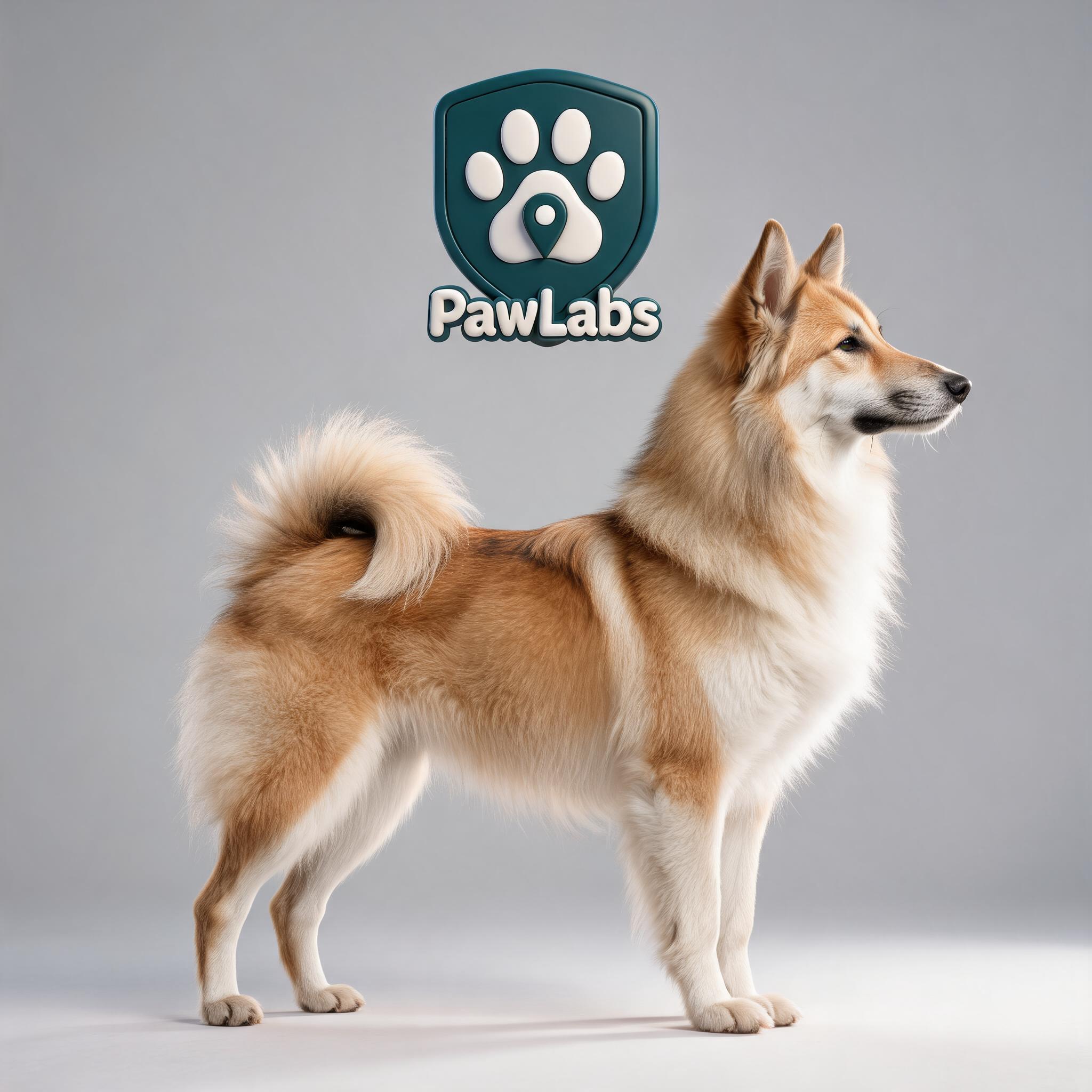
Icelandic Sheepdog
A spirited, friendly herder with boundless energy and a heart of gold.
Original Role: Herding livestock and guarding farms
💪 Strengths
- + Highly adaptable to various environments
- + Exceptionally friendly with family and strangers
⚠️ Weaknesses
- − Prone to separation anxiety if left alone too long
- − High energy can be overwhelming without proper outlets
📜 Breed History
The Icelandic Sheepdog, often called the 'Icie' by those who know them well, hails from the rugged landscapes of Iceland, where they’ve been a steadfast companion to farmers for over a thousand years. Descended from dogs brought by Viking settlers between the 9th and 10th centuries, this breed is considered one of the oldest in the world, with ancestors likely related to the Norwegian Buhund. Their original purpose was to herd sheep and protect livestock from predators in the harsh, isolated terrain of Iceland, where their agility and keen senses were indispensable. They also served as alarm dogs, barking to alert farmers of approaching strangers or dangers.
By the late 19th century, the breed nearly vanished due to disease and crossbreeding, but a dedicated revival effort in the 20th century, led by Icelandic and international enthusiasts, saved them from extinction. Recognized by the American Kennel Club in 2010, the Icelandic Sheepdog remains a rare gem outside its homeland. Today, they’re celebrated for preserving their ancient herding instincts while adapting to modern family life, embodying the resilience and spirit of their Viking roots.
A Lively Herder with a Viking Soul
I’ve spent years around Icelandic Sheepdogs, and let me tell you, they’re a force of nature wrapped in a fluffy, medium-sized package. These dogs radiate energy and joy, with a bark that echoes their Viking heritage as much as their watchful eyes do. I’ve watched them charm everyone from grumpy neighbors to shy toddlers, but I’ve also seen them pace restlessly when their energy isn’t burned off. They’re not just pets; they’re partners who demand engagement and thrive on purpose. If you’re looking for a dog that’s equal parts companion and challenge, the Icie might just steal your heart—but only if you’re ready for the ride.
Temperament & Personality
Living with an Icelandic Sheepdog feels like having a cheerful, slightly overzealous coworker who’s always ready to clock in. They’re incredibly friendly, often trotting up to strangers with a wagging tail and a curious tilt of the head—I’ve seen mine win over delivery drivers in under a minute. Their loyalty to family runs deep; they’ll shadow you from room to room, eager to be part of whatever you’re doing, whether it’s cooking dinner or folding laundry. But that closeness has a flip side. Leave them alone for too long, and you might come home to anxious whining or a shredded slipper. I’ve had owners tell me their Icies howl mournfully the second they step out for work.
They’re also vocal by nature. This isn’t a quiet breed. They were bred to alert farmers to danger, so expect barking at every squirrel, doorbell, or rustling leaf. It’s not aggression—just their way of saying, 'Hey, I’m on duty!' With kids, they’re gentle and patient, often matching a toddler’s boundless energy with playful nudges. But their herding instinct kicks in sometimes, and I’ve seen them try to 'herd' children by nipping at heels. It’s not malicious, just their wiring, and it needs gentle redirection.
Exercise & Activity Needs
If you’re not an active person, stop right here. Icelandic Sheepdogs were built to traverse Iceland’s rugged hills, herding sheep all day, and that stamina hasn’t faded over centuries. They need at least an hour of vigorous exercise daily—think long hikes, runs, or intense play sessions. I’ve taken mine on morning jogs, only to find them still zooming around the yard at noon, begging for a game of fetch. Mental stimulation is just as critical. Puzzle toys, training drills, or even a backyard agility course will keep their sharp minds engaged.
Without enough outlets, they get bored fast. A bored Icie is a destructive Icie. I once knew a family who underestimated this, and their pup chewed through a baseboard in a single afternoon. If you can’t commit to daily activity, this breed will frustrate you—and themselves. They’re happiest when they have a job, whether it’s herding, learning tricks, or just keeping up with an active household.
Training & Intelligence
Training an Icelandic Sheepdog is a rewarding adventure, but it’s not a walk in the park. They’re whip-smart, picking up commands quickly when they’re in the mood. I’ve taught mine to sit, stay, and roll over in a matter of days, thanks to their eagerness to please. But they’ve got an independent streak from their days working solo in the Icelandic wilderness. If they sense you’re not confident or consistent, they’ll test boundaries. I’ve had moments where mine just stared at me during a 'come' command, as if to say, 'Why should I?'
Positive reinforcement works wonders—treats, praise, and play are your best tools. Harsh methods? Forget it. They’ll shut down or grow stubborn. Socialization is key from puppyhood because their alert nature can make them wary if not exposed to varied people and places early on. They’re not impossible to train, but they demand patience and a firm, kind hand.
Health & Lifespan
Icelandic Sheepdogs are generally hardy, living 12 to 14 years with proper care, a testament to their tough Viking ancestry. But they’re not immune to health issues. Hip dysplasia pops up in some lines, so I always recommend getting a pup from a breeder who screens for it. Eye conditions like cataracts and progressive retinal atrophy are concerns too—I’ve known a few Icies who developed vision problems in their later years, which broke their owners’ hearts. Patellar luxation, where the kneecap slips out of place, can also affect their mobility, especially as active as they are.
Vet costs can add up if these issues arise, so budgeting for regular checkups and potential joint or eye care is smart. They’re not a breed that falls apart easily, though. With good nutrition and exercise, many live long, vibrant lives. Just keep an eye on their weight—those pleading eyes make overfeeding tempting, and extra pounds stress their joints.
Grooming & Maintenance
That fluffy double coat is a beauty and a beast. Icelandic Sheepdogs shed a lot, especially during seasonal changes in spring and fall. I’m talking tufts of fur on every surface—couch, clothes, car. Brushing them two to three times a week with an undercoat rake helps, but during heavy shedding, daily sessions are a must. I’ve spent many evenings with a brush in hand, half-watching TV while tackling my Icie’s coat. Baths? Only every couple of months unless they roll in something nasty. Their coat is naturally weather-resistant, so over-bathing can strip essential oils.
Beyond fur, their ears need checking for wax buildup since they’re prone to infections if neglected. Nails grow fast with all that activity, so regular trims prevent clicking on floors or painful overgrowth. Teeth brushing is a good habit too—dental issues sneak up if you skip it. Grooming isn’t overwhelming, but it’s a consistent commitment.
Diet & Nutrition
Feeding an Icelandic Sheepdog isn’t complicated, but their energy levels mean they burn through calories fast. A high-quality kibble or raw diet suited for active, medium-sized dogs works well, typically 1.5 to 2.5 cups daily split into two meals, depending on their weight and activity. I’ve noticed mine thrive on food with good protein content—chicken or lamb-based formulas keep their muscles strong. Watch portions, though. They’ll eat like they’ve just herded sheep for 12 hours, even if they’ve only napped on the couch.
Some can be picky eaters, turning up their noses at certain brands, so you might need to experiment. Allergies aren’t rampant, but I’ve seen a few develop itchy skin from grain-heavy diets, so consult your vet if you notice scratching. Fresh water is non-negotiable, especially after exercise—they pant hard and dehydrate quickly on hot days.
Living Conditions
These dogs are adaptable, a trait forged by Iceland’s brutal climate. They can handle apartments if—and only if—you meet their exercise needs. I’ve known Icies in city flats who do fine with long daily walks and park time. But a house with a fenced yard is ideal. They love zooming around, sniffing every corner, and basking in the sun. Their thick coat means they’re built for cold weather—mine barely notices snow, prancing through it like it’s nothing. Heat, though? They struggle. If you’re in a hot region, keep them indoors during peak sun, with plenty of shade and water outside.
They’re not suited to being outdoor-only dogs. Their bond with people is too strong; they crave companionship. Leaving them in a backyard all day leads to loneliness and mischief. Wherever you live, they need space to move and a human to love.
Who Should Get This Breed
If you’re an active individual or family with time to spare, the Icelandic Sheepdog could be your perfect match. Hikers, runners, or folks with a knack for training will find their energy and intelligence a delight. I’ve seen them thrive with owners who involve them in daily routines—think morning jogs or weekend camping trips. Families with kids are a great fit too; their patience and playfulness make them wonderful playmates, as long as the herding nips are managed. If you love a dog who’s vocal and engaged, always ready for the next adventure, you’ll adore their spirit.
Who Should NOT Get This Breed
If you’re a couch potato or work long hours with no time for exercise, this breed isn’t for you. I’ve seen Icies grow frustrated and destructive with owners who can’t keep up. Busy professionals who leave pets alone for 8-10 hours daily should look elsewhere—their separation anxiety is real and heartbreaking. If you value silence, their barking will drive you up the wall; they’re not a 'seen and not heard' dog. And if shedding sends you into a cleaning frenzy, think twice. Their fur is a constant battle. They’re amazing, but only for the right home.
❓ Icelandic Sheepdog FAQs
The questions people ask most, answered from this breed's trait scores.
Is the Icelandic Sheepdog good with children?
The Icelandic Sheepdog scores 8/10 for child-friendliness, making it a good match for families with children. That score reflects the breed's typical temperament, not any individual animal — early socialisation and how the dog was raised matter just as much. Supervise interactions with toddlers whatever the breed.
Does the Icelandic Sheepdog get along with other pets?
Scoring 7/10 for pet-friendliness, the Icelandic Sheepdog is generally sociable with other dogs and cats. Prey drive matters here as well as sociability: breeds built to chase can live happily with a household cat they grew up with and still pursue an unfamiliar one.
How much exercise does the Icelandic Sheepdog need?
The Icelandic Sheepdog rates 8/10 for energy and needs at least an hour to 90 minutes a day, and it should be real exercise rather than a stroll. Under-exercised, this is a breed that finds its own entertainment — usually at the expense of your furniture. The breed was originally developed for herding livestock and guarding farms, which is where that requirement comes from.
Does the Icelandic Sheepdog shed a lot?
At 7/10 for shedding, the Icelandic Sheepdog sheds noticeably, and you will find hair on clothes and furniture. It has a medium double coat. Worth knowing: low shedding is not the same as hypoallergenic — most people react to proteins in dander and saliva, not to hair itself, so no breed is genuinely allergy-free.
Is the Icelandic Sheepdog easy to train?
The Icelandic Sheepdog scores 7/10 for trainability, making it responsive and straightforward to train. It scores 8/10 for intelligence — worth separating from trainability, because a clever breed that has decided not to listen is harder work than a simpler one that wants to.
What is the average lifespan of the Icelandic Sheepdog?
The Icelandic Sheepdog typically lives 12–14 years. We rate the breed 7/10 for general health robustness. Individual lifespan depends heavily on genetics, weight management and veterinary care.
How big does the Icelandic Sheepdog get?
A full-grown Icelandic Sheepdog usually weighs 20–30 lbs and stands roughly 16–18 inches at the shoulder. That places it in the medium size band. Males generally sit at the upper end of both ranges.
Does the Icelandic Sheepdog bark a lot?
Rated 6/10 for barking, the Icelandic Sheepdog barks a moderate amount. Training and adequate exercise both reduce nuisance barking, but they will not turn a naturally vocal breed into a silent one.
Is the Icelandic Sheepdog suited to apartment living?
The Icelandic Sheepdog is a difficult fit for apartment living. It scores 8/10 for adaptability, 8/10 for energy and 6/10 for barking — the three traits that decide this. Floor space matters far less than whether the breed can settle indoors and stay quiet while you are out.
Is the Icelandic Sheepdog a good choice for first-time owners?
On balance the Icelandic Sheepdog is manageable for a first-time owner who is willing to put the work in early, based on its trainability (7/10), adaptability (8/10) and energy level (8/10). The most common reason a first dog does not work out is a mismatch between the breed's daily needs and the owner's actual routine, rather than anything about the breed itself.
Written and reviewed by PawLabs Editorial Team
We build PawLabs from published kennel club breed standards and veterinary reference sources. Profiles are drafted with AI assistance against that source data, then reviewed and corrected by a person before anything is published. We say so because you should know how the thing you're reading was made. How we research breeds · Report a correction
Note: Breed profiles are general reference, not veterinary advice. For anything concerning your own animal, talk to a vet who can examine them.