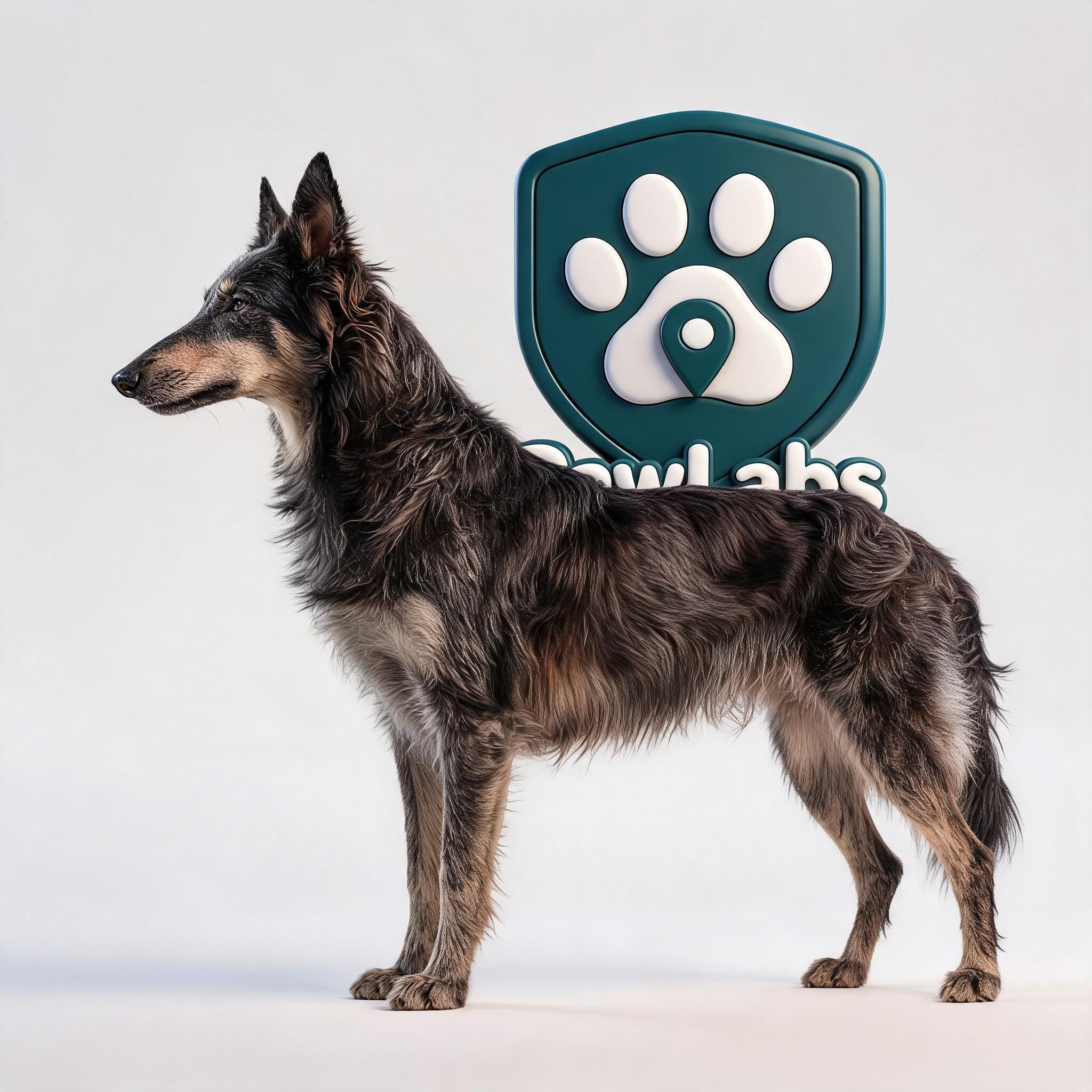
Mudi
A versatile Hungarian herder with boundless energy and sharp intelligence.
Original Role: Herding livestock
💪 Strengths
- + Exceptional problem-solving and adaptability in work settings
- + Strong loyalty and bond with family
⚠️ Weaknesses
- − High energy can lead to destructive behavior if not managed
- − Tendency to be wary of strangers
📜 Breed History
The Mudi, a lesser-known gem from Hungary, emerged as a distinct breed in the 19th century, though its roots likely stretch back much further. This medium-sized herding dog was developed by Hungarian shepherds who needed a versatile, hardy companion to manage flocks of sheep and cattle across the rugged Puszta plains. Unlike its more famous cousins, the Puli and Komondor, the Mudi wasn’t just a guardian—it was a true all-rounder, capable of herding, protecting, and even hunting small game. Its name, often linked to the Hungarian word for 'wild' or 'untamed,' reflects its spirited nature.
The breed nearly vanished after World War II, with Hungary’s agricultural shifts and the devastation of war decimating their numbers. It was only through the dedicated efforts of a few enthusiasts, particularly Dr. Zoltán Balássy in the 1960s, that the Mudi was saved from extinction. He sought out surviving specimens in remote villages, establishing a breeding program to preserve their unique traits. Recognized by the Fédération Cynologique Internationale (FCI) in 1966, the Mudi remains rare outside Hungary, though it’s slowly gaining attention in Europe and North America for its agility and working prowess. Today, they’re still prized as farm dogs, but I’ve seen them excel in dog sports like obedience and flyball, proving their historic adaptability holds strong.
A Hungarian Dynamo with a Mind of Its Own
I’ve spent years around Mudis, and let me tell you, this Hungarian herding dog is not for the faint of heart. They’re a whirlwind of energy, intelligence, and grit, bred to outthink sheep and outrun predators on the vast plains of Hungary. I’ve watched a Mudi single-handedly manage a flock with a precision that borders on eerie, all while keeping one eye on its owner for the slightest cue. But bring that same dog into a suburban home without a job to do, and you’ve got a recipe for chaos—think chewed furniture at 5 a.m. and a dog that’s already three steps ahead of you in every game. They’re loyal to a fault, though, and when they curl up next to you after a long day, those sharp, watchful eyes soften in a way that just melts you.
Temperament & Personality
Living with a Mudi is like having a furry chess master in your house. They’re wickedly smart, always calculating their next move, and they’ve got an independent streak that comes from centuries of making decisions on the fly while herding. I’ve seen them bond fiercely with their families, often picking one person as their 'main human' and shadowing them everywhere. They’re affectionate on their terms—don’t expect a lap dog who begs for cuddles—but when they lean into you after a hard day’s work, it feels earned. With strangers, they’re aloof at best, sometimes downright suspicious, which makes them excellent watchdogs. I’ve had friends come over and get the hard stare from a Mudi, only for the dog to relax once it’s clear there’s no threat. They’re not aggressive without reason, but they’ll let you know if something’s off.
Exercise & Activity Needs
If you’re not ready to keep up with a dog that seems to run on an endless battery, the Mudi isn’t for you. These dogs were bred for all-day work on Hungarian farms, and their energy levels reflect that. I’m talking at least two hours of vigorous exercise daily—long runs, intense play sessions, or actual herding if you’ve got access to livestock. I’ve taken Mudis on hikes, and even after five miles, they’re still darting around, looking for something to do. Mental stimulation is just as critical; without puzzles, training, or a job, they’ll invent their own entertainment, and trust me, you won’t like the results. A bored Mudi once shredded an entire garden hose in under ten minutes while I was inside making coffee. They thrive on variety—mix up walks with agility courses or fetch games to keep that sharp mind engaged.
Training & Intelligence
Training a Mudi is both a joy and a test of patience. Their intelligence is off the charts—I’ve seen them pick up new commands after just a few repetitions—but that same brain means they’ll question why they should listen to you. They’re not robots like some herding breeds; they’ve got a stubborn, independent edge that requires a firm, consistent hand. Positive reinforcement works best; I’ve had success with treats and praise, but if they sense weakness, they’ll walk all over you. Start early, socialize them with everything from loud noises to strange dogs, because an under-socialized Mudi can turn wary and reactive. I’ve worked with one that learned to open gates on a farm, which was impressive until it started letting the sheep out for fun. Keep training sessions short and engaging, or they’ll lose interest and find something else to mastermind.
Health & Lifespan
Mudis are generally a hardy breed, with a lifespan of 12 to 14 years, which is decent for a medium-sized dog. They’ve been bred for function over form, so they’ve escaped some of the extreme health issues plaguing more popular breeds. That said, they’re not immune to problems. Hip dysplasia pops up occasionally, especially in lines that haven’t been carefully screened, so always ask for OFA certifications from breeders. I’ve also seen a few cases of cataracts and progressive retinal atrophy, which can impact their vision over time—heartbreaking for a dog that relies on sharp senses. Epilepsy is another concern, though it’s not widespread. Vet costs can vary, but expect to budget for regular checkups and possibly joint supplements as they age. I’ve known Mudis who stayed active well into their senior years, but only with owners who kept up with preventative care.
Grooming & Maintenance
The Mudi’s curly, medium-length coat is a bit of a mixed bag. It’s not as high-maintenance as a Poodle’s, but it’s not a wash-and-go situation either. Their fur repels dirt pretty well—great for a working dog—but it can mat if you ignore it. I’ve found a good brush once or twice a week keeps things under control, focusing on the denser areas around the legs and tail. Bathing isn’t needed often; I’ve gone months between baths with Mudis that spend half their day outside, and they still don’t stink unless they’ve rolled in something truly awful. Shedding is moderate, mostly seasonal, so expect some extra vacuuming in spring and fall. Don’t forget their ears—those curls can trap moisture, and I’ve had to clean out minor infections when owners skipped that step. Nails and teeth need regular attention too, especially since these dogs are always on the move.
Diet & Nutrition
Feeding a Mudi isn’t complicated, but their high energy means they burn through calories fast. A high-quality kibble or raw diet suited for active, medium-sized dogs usually does the trick—look for something with good protein and fat content to fuel their endless drive. I’ve fed Mudis around 2 to 3 cups a day, split into two meals, adjusting based on their activity level and age. Puppies need more frequent feeding to support growth, and I’ve seen them pack away food like they’re twice their size. Watch for weight gain, though; if they’re not getting enough exercise, those calories pile on quick. Some Mudis can be picky eaters, especially if they’re stressed or bored, so I’ve had to mix in wet food or toppers to keep them interested. Always keep fresh water around—these dogs will pant hard after a good run.
Living Conditions
Mudis are adaptable, but they’ve got specific needs when it comes to their environment. They can handle apartments if—and this is a big if—you’re committed to meeting their exercise demands. I’ve known a Mudi in a city flat who did fine with daily park runs and mental games, but most thrive in homes with yards where they can burn off steam. A fenced space is non-negotiable; their herding instincts kick in, and they’ll chase anything that moves if given the chance. Climate-wise, their coat handles cold better than extreme heat, though I’ve seen them adapt to warmer areas with shade and water. They’re not outdoor-only dogs, despite their working background. They want to be near their people, and leaving them isolated leads to anxiety and barking fits that’ll annoy every neighbor within earshot.
Who Should Get This Breed
The ideal Mudi owner is someone with an active lifestyle and a love for challenges. If you’re a runner, hiker, or live on a farm with actual work for them to do, this breed will be your best friend. They shine with people who have experience training dogs and can provide the structure and stimulation they crave. I’ve seen Mudis thrive with owners who compete in dog sports—agility, herding trials, even obedience—because it taps into their need for purpose. Families can work if the kids are older and understand boundaries, since Mudis can be intense playmates. If you’ve got the time to invest in a dog that’s equal parts partner and puzzle, the Mudi will reward you with loyalty and a work ethic that’s hard to match.
Who Should NOT Get This Breed
If you’re looking for a low-key companion to lounge on the couch with, walk away now. Mudis are a disaster waiting to happen for sedentary folks or first-time dog owners who aren’t ready for a high-octane challenge. I’ve seen them frustrate people who work long hours and can’t provide outlets for that energy—think destructive behavior and nonstop vocalizing. They’re not great for homes with very young kids or multiple small pets; their herding instincts can turn into nipping or chasing, and I’ve had to intervene more than once when a Mudi tried to 'manage' a cat. If you’re not prepared to be outsmarted daily or to put in serious time for exercise and training, this breed will run circles around you—literally and figuratively.
❓ Mudi FAQs
The questions people ask most, answered from this breed's trait scores.
Is the Mudi good with children?
The Mudi scores 6/10 for child-friendliness, making it usually fine with children who have been taught to handle a dog respectfully. That score reflects the breed's typical temperament, not any individual animal — early socialisation and how the dog was raised matter just as much. Supervise interactions with toddlers whatever the breed.
Does the Mudi get along with other pets?
Scoring 5/10 for pet-friendliness, the Mudi is usually fine with other pets once introduced properly. Prey drive matters here as well as sociability: breeds built to chase can live happily with a household cat they grew up with and still pursue an unfamiliar one.
How much exercise does the Mudi need?
The Mudi rates 9/10 for energy and needs two hours or more a day, every day, including the days you do not feel like it. Under-exercised, this is a breed that finds its own entertainment — usually at the expense of your furniture. The breed was originally developed for herding livestock, which is where that requirement comes from.
Does the Mudi shed a lot?
At 5/10 for shedding, the Mudi sheds a moderate amount year-round. It has a medium curly coat. Worth knowing: low shedding is not the same as hypoallergenic — most people react to proteins in dander and saliva, not to hair itself, so no breed is genuinely allergy-free.
Is the Mudi easy to train?
The Mudi scores 8/10 for trainability, making it responsive and straightforward to train. It scores 9/10 for intelligence — worth separating from trainability, because a clever breed that has decided not to listen is harder work than a simpler one that wants to.
What is the average lifespan of the Mudi?
The Mudi typically lives 12–14 years. We rate the breed 7/10 for general health robustness. Individual lifespan depends heavily on genetics, weight management and veterinary care.
How big does the Mudi get?
A full-grown Mudi usually weighs 18–29 lbs and stands roughly 15–18 inches at the shoulder. That places it in the medium size band. Males generally sit at the upper end of both ranges.
Does the Mudi bark a lot?
Rated 6/10 for barking, the Mudi barks a moderate amount. Training and adequate exercise both reduce nuisance barking, but they will not turn a naturally vocal breed into a silent one.
Is the Mudi suited to apartment living?
The Mudi is a difficult fit for apartment living. It scores 7/10 for adaptability, 9/10 for energy and 6/10 for barking — the three traits that decide this. Floor space matters far less than whether the breed can settle indoors and stay quiet while you are out.
Is the Mudi a good choice for first-time owners?
On balance the Mudi is manageable for a first-time owner who is willing to put the work in early, based on its trainability (8/10), adaptability (7/10) and energy level (9/10). The most common reason a first dog does not work out is a mismatch between the breed's daily needs and the owner's actual routine, rather than anything about the breed itself.
Written and reviewed by PawLabs Editorial Team
We build PawLabs from published kennel club breed standards and veterinary reference sources. Profiles are drafted with AI assistance against that source data, then reviewed and corrected by a person before anything is published. We say so because you should know how the thing you're reading was made. How we research breeds · Report a correction
Note: Breed profiles are general reference, not veterinary advice. For anything concerning your own animal, talk to a vet who can examine them.