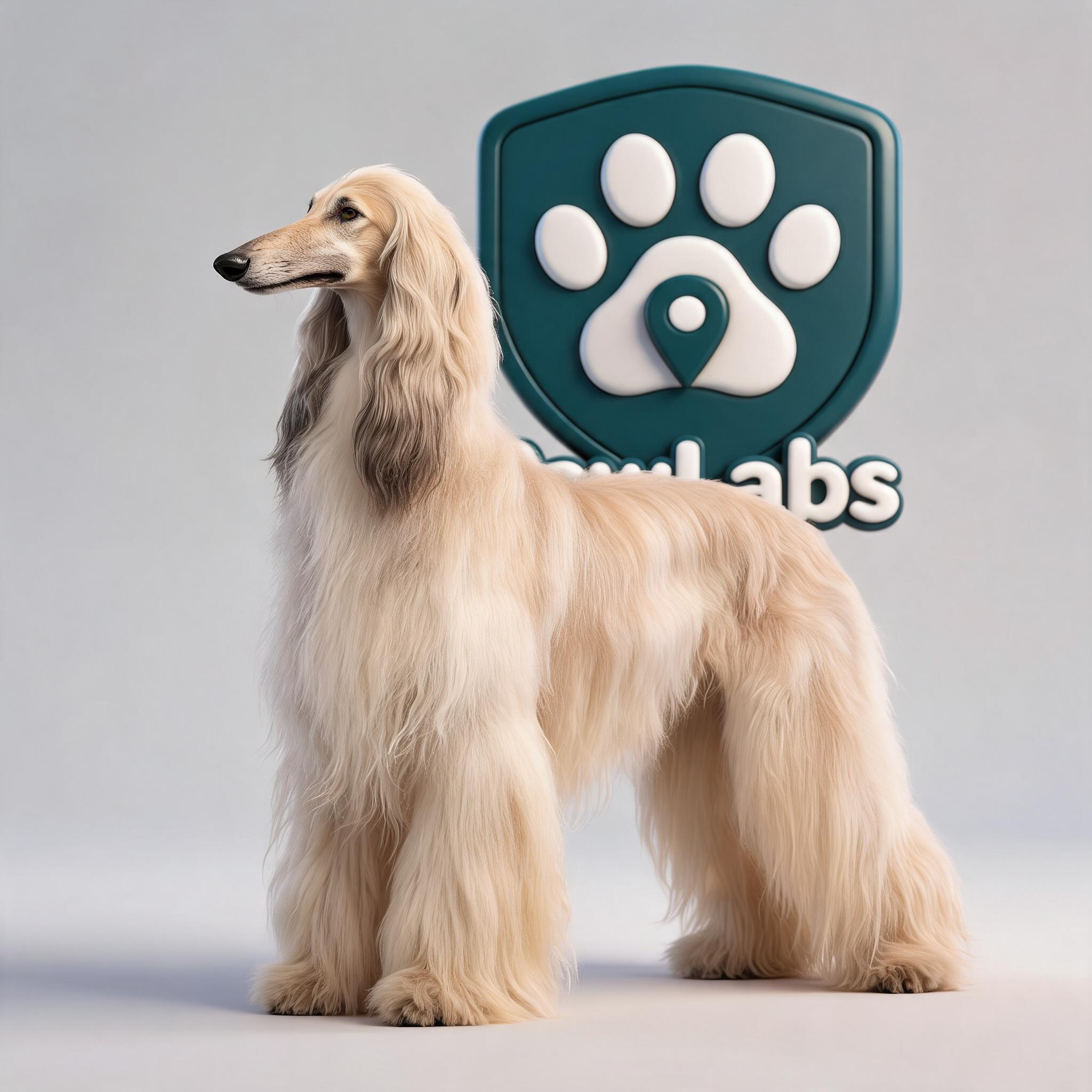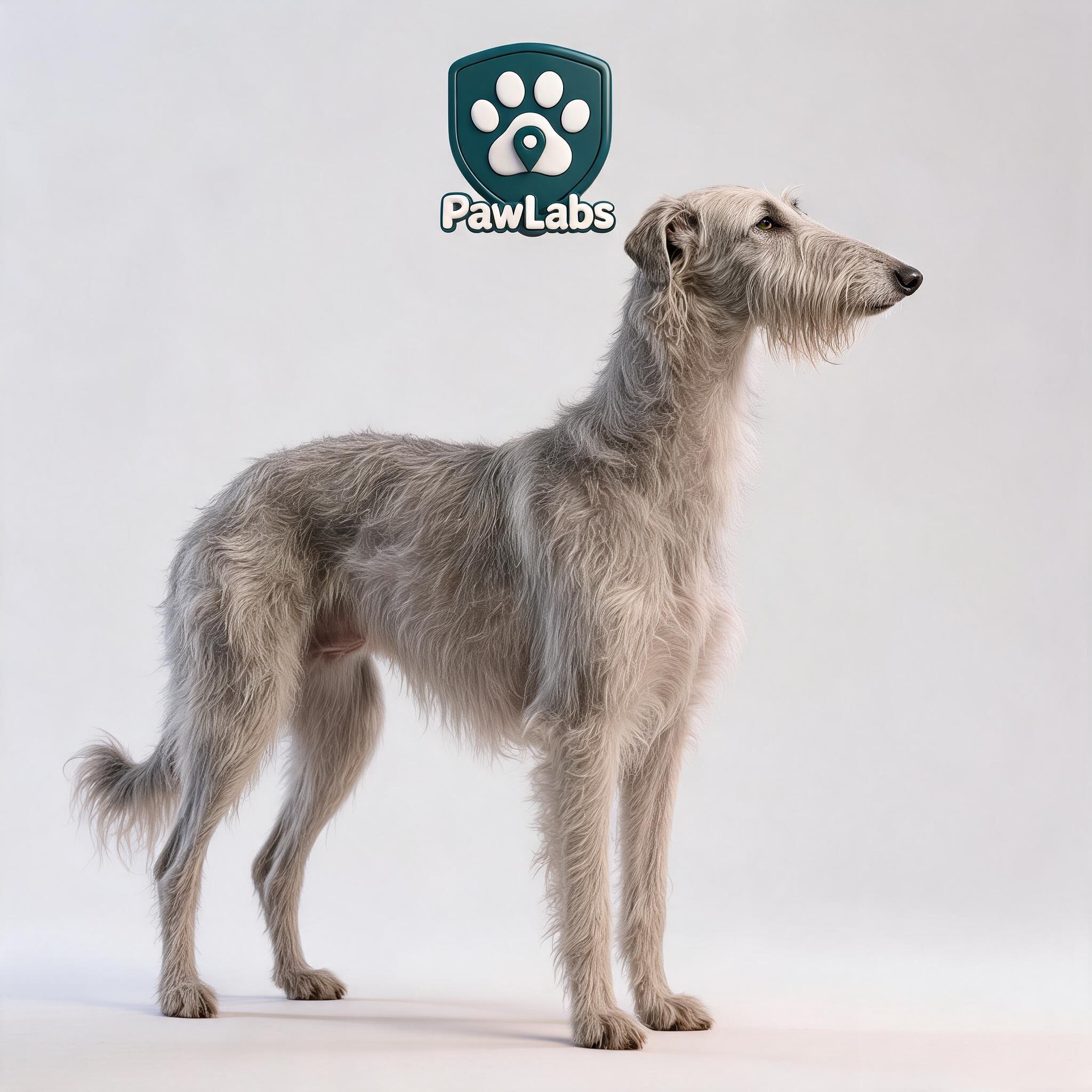
Scottish Deerhound
A gentle giant with a noble heart, built for coursing deer.
Original Role: Coursing deer
💪 Strengths
- + Exceptionally gentle and patient with family
- + Athletic and graceful despite size
⚠️ Weaknesses
- − High prey drive can lead to chasing
- − Short lifespan and health concerns
📜 Breed History
The Scottish Deerhound hails from the rugged highlands of Scotland, where it was bred for centuries as a coursing hound to hunt red deer. Often called the 'Royal Dog of Scotland,' this breed was a favorite of nobility, prized for its speed, strength, and unwavering courage in pursuit. Historical records suggest Deerhounds were around as early as the 16th century, with mentions in Scottish lore and art depicting these towering hounds alongside clan chieftains. Their purpose was singular: to chase down large game across rough terrain, relying on sight and speed rather than scent like other hounds.
By the 19th century, the Deerhound's role shifted as deer populations dwindled and estates turned to sport rather than necessity. The breed nearly faced extinction, but enthusiasts like Sir Walter Scott—who famously adored his Deerhound, Maida—helped preserve it. The first breed standard was established in 1892 by the Scottish Deerhound Club, cementing its status as a symbol of Scottish heritage. Today, while no longer a working hunter in most cases, the Deerhound retains its athletic build and sighthound instincts, a living link to a time when survival depended on such noble companions.
A Majestic Hound with a Heart as Big as the Highlands
I’ve spent years around Scottish Deerhounds, and I can tell you straight off that these dogs are a paradox. They’re towering, leggy giants—often standing over 30 inches at the shoulder—yet they carry themselves with a quiet dignity that makes them seem almost delicate. I’ve watched a Deerhound lope across a field with the grace of a ballet dancer, only to flop onto the couch later like they own the place. They were bred to hunt deer in the brutal Scottish Highlands, and that history shows in their athleticism and prey drive, but at home, they’re more likely to nuzzle your hand than charge at anything. If you’re looking for a dog that combines raw power with a soulful gentleness, this might be your breed. But fair warning: their size, health challenges, and sighthound instincts aren’t for everyone.
Temperament & Personality
Living with a Scottish Deerhound is like sharing your space with a gentle aristocrat. They’re affectionate without being clingy, often content to just lie near you, their long legs sprawled in every direction. I’ve seen them rest their massive heads on a child’s lap with such tenderness you’d think they were made of cotton. They’re not overly demanding of attention, but they do form deep bonds with their family. One Deerhound I knew would wait by the window every day at 5 p.m. sharp, just watching for his owner to pull into the driveway—pure loyalty in action.
That said, they’re still hounds. Their prey drive kicks in hard when they spot something moving fast—a squirrel, a cat, even a leaf blowing in the wind. I’ve had to sprint after a Deerhound more than once when they bolted after a rabbit during a walk. They’re not aggressive, but they’re also not the type to back down if they think the chase is on. With strangers, they’re usually polite but reserved, sizing people up with a calm, almost regal stare before deciding if you’re worth a tail wag.
Exercise & Activity Needs
Don’t let their laid-back demeanor at home fool you—Scottish Deerhounds need room to stretch their legs. They’re built for speed and endurance, not endless energy like a Border Collie, but they still require regular exercise to stay happy. I recommend at least an hour a day of activity, ideally with some off-leash running in a secure area. I’ve taken Deerhounds to wide-open fields where they can gallop full-out for a few minutes, and the joy on their faces as they hit top speed is something to behold. A couple of good sprints often tire them out more than a long, slow walk.
Without that outlet, they can get restless. I’ve seen a bored Deerhound turn to chewing or pacing, though they’re not typically destructive. They’re not a breed that needs constant stimulation, but a fenced yard or access to safe open spaces is a must. And remember, their size means even a short burst of energy can cover a lot of ground—don’t underestimate how far they can go if they spot something to chase.
Training & Intelligence
Training a Scottish Deerhound is a test of patience. They’re smart enough to understand what you want, but as sighthounds, they’ve got an independent streak a mile wide. I’ve spent hours trying to get a Deerhound to focus on a ‘sit’ command, only for them to stare off into the distance, clearly more interested in a bird flying overhead. They weren’t bred to obey humans like a working dog; their job was to spot prey and run it down, often making split-second decisions on their own.
Positive reinforcement works best—treats and praise can coax them into cooperating—but don’t expect precision. Recall is a particular challenge. I’ve had Deerhounds completely ignore me when something caught their eye, no matter how much I called. Start training early, socialize them with other dogs and people, and keep sessions short. They’ll never be a trick-performing circus act, but with consistency, they can learn the basics and be well-mannered companions.
Health & Lifespan
Here’s the hard truth: Scottish Deerhounds don’t live long, and they come with some serious health risks. Their lifespan averages 8 to 11 years, which is short even for a large breed. I’ve known owners who were heartbroken to lose their Deerhound at just 9, even with the best care. Bloat, or gastric dilatation-volvulus, is a major concern—those deep chests make them prone to this life-threatening condition. I’ve seen it happen firsthand, and it’s terrifying how fast it can escalate. Feeding smaller meals and avoiding exercise right after eating can help, but it’s no guarantee.
Heart issues, like cardiomyopathy, are also common, as is osteosarcoma, a brutal bone cancer that often strikes large breeds. Hip dysplasia can crop up too, though it’s less frequent than in some other giants. Regular vet checkups are non-negotiable, and you’ll want to budget for potential emergencies. I’ve talked to owners who’ve spent thousands on surgeries or treatments, so pet insurance is something to consider seriously with this breed.
Grooming & Maintenance
Grooming a Scottish Deerhound isn’t as daunting as you might think for a dog with a wiry, shaggy coat. Their medium-length fur is rough to the touch—meant to protect them in harsh Scottish weather—and it doesn’t mat easily. I’ve found a weekly brushing with a slicker brush or comb keeps shedding under control, though they do drop hair seasonally. It’s not as bad as a double-coated breed like a Husky, but you’ll still find gray tufts on your furniture in spring and fall.
Baths can be infrequent unless they roll in something nasty, which, given their love of the outdoors, isn’t rare. Their size makes bath time a workout—imagine wrestling 100 pounds of lanky dog into a tub. Ears need regular checks for wax buildup, and their nails grow fast with those big paws, so keep a trimmer handy if walks don’t wear them down. Overall, they’re not high-maintenance in the grooming department, which is a relief given their other needs.
Diet & Nutrition
Feeding a Scottish Deerhound means planning for a big appetite. These dogs can easily weigh over 100 pounds, and they need a high-quality diet to support their frame without overloading their sensitive stomachs. I’ve fed Deerhounds a mix of premium kibble and raw or cooked meat, sticking to large-breed formulas with controlled calcium and phosphorus to avoid growth issues in puppies. Adults might eat 4 to 6 cups of dry food a day, split into two meals to reduce bloat risk.
Watch their weight closely—they should look lean, with a visible tuck at the waist. I’ve seen overweight Deerhounds struggle with joint stress, and it’s heartbreaking given their already short lifespan. Treats are fine, but don’t overdo it; their metabolism isn’t as forgiving as smaller breeds. And always keep fresh water handy—those long legs burn a lot of energy even on a quiet day.
Living Conditions
Scottish Deerhounds need space, plain and simple. They can adapt to a larger apartment if you’re committed to daily outdoor exercise, but a house with a securely fenced yard is ideal. I’ve known Deerhounds who’ve scaled low fences in pursuit of a squirrel, so think 6 feet or higher for safety. They’re not suited to tiny urban spaces where they can’t stretch out—both physically and mentally.
Climate-wise, their wiry coat handles cold better than heat. I’ve seen them thrive in chilly, damp weather, trotting happily through mist, but hot summers can wear them down fast. Shade and water are critical if you’re in a warm area. They’re not outdoor dogs by nature either; despite their hunting history, they crave being close to their people and will mope if left alone in a kennel or yard for too long.
Who Should Get This Breed
If you’ve got a soft spot for gentle giants and a lifestyle that allows for space and time, a Scottish Deerhound could be your perfect match. They’re ideal for families with older kids who understand how to respect a big dog’s boundaries—I’ve watched these hounds patiently endure a toddler’s clumsy hugs with saintly calm. Active owners who love long walks or have access to open fields will find a willing partner in a Deerhound, especially if you enjoy watching a dog run just for the sheer beauty of it. They’re also a good fit for someone seeking a quieter hound who doesn’t bark much but still has personality in spades.
Who Should NOT Get This Breed
On the flip side, Deerhounds aren’t for everyone. If you’re in a small apartment with no easy access to safe running areas, you’ll both be miserable. They’re not a good pick for first-time owners who aren’t ready to tackle their independent nature or potential health costs—I’ve seen novices overwhelmed by the sheer scale of caring for a dog this size. If you’ve got small pets like cats or rabbits, that prey drive can be a disaster waiting to happen, no matter how sweet they are otherwise. And if you’re looking for a long-lived companion or can’t handle the emotional weight of a shorter lifespan, this breed will likely break your heart too soon.
❓ Scottish Deerhound FAQs
The questions people ask most, answered from this breed's trait scores.
Is the Scottish Deerhound good with children?
The Scottish Deerhound scores 7/10 for child-friendliness, making it a good match for families with children. That score reflects the breed's typical temperament, not any individual animal — early socialisation and how the dog was raised matter just as much. Supervise interactions with toddlers whatever the breed.
Does the Scottish Deerhound get along with other pets?
Scoring 6/10 for pet-friendliness, the Scottish Deerhound is usually fine with other pets once introduced properly. Prey drive matters here as well as sociability: breeds built to chase can live happily with a household cat they grew up with and still pursue an unfamiliar one.
How much exercise does the Scottish Deerhound need?
The Scottish Deerhound rates 6/10 for energy and needs about an hour a day. The breed was originally developed for coursing deer, which is where that requirement comes from.
Does the Scottish Deerhound shed a lot?
At 4/10 for shedding, the Scottish Deerhound sheds lightly. It has a medium wire coat. Worth knowing: low shedding is not the same as hypoallergenic — most people react to proteins in dander and saliva, not to hair itself, so no breed is genuinely allergy-free.
Is the Scottish Deerhound easy to train?
The Scottish Deerhound scores 5/10 for trainability, making it trainable with consistency, though not eager to please for its own sake. It scores 6/10 for intelligence — worth separating from trainability, because a clever breed that has decided not to listen is harder work than a simpler one that wants to.
What is the average lifespan of the Scottish Deerhound?
The Scottish Deerhound typically lives 8–11 years. We rate the breed 4/10 for general health robustness, so budget for the possibility of ongoing veterinary costs. Individual lifespan depends heavily on genetics, weight management and veterinary care.
How big does the Scottish Deerhound get?
A full-grown Scottish Deerhound usually weighs 75–110 lbs and stands roughly 28–32 inches at the shoulder. That places it in the large size band. Males generally sit at the upper end of both ranges.
Does the Scottish Deerhound bark a lot?
Rated 3/10 for barking, the Scottish Deerhound is fairly quiet and tends to bark only with reason. Training and adequate exercise both reduce nuisance barking, but they will not turn a naturally vocal breed into a silent one.
Is the Scottish Deerhound suited to apartment living?
The Scottish Deerhound is a difficult fit for apartment living. It scores 6/10 for adaptability, 6/10 for energy and 3/10 for barking — the three traits that decide this. Floor space matters far less than whether the breed can settle indoors and stay quiet while you are out.
Is the Scottish Deerhound a good choice for first-time owners?
On balance the Scottish Deerhound is better suited to someone who has raised a dog before, based on its trainability (5/10), adaptability (6/10) and energy level (6/10). The most common reason a first dog does not work out is a mismatch between the breed's daily needs and the owner's actual routine, rather than anything about the breed itself.
Written and reviewed by PawLabs Editorial Team
We build PawLabs from published kennel club breed standards and veterinary reference sources. Profiles are drafted with AI assistance against that source data, then reviewed and corrected by a person before anything is published. We say so because you should know how the thing you're reading was made. How we research breeds · Report a correction
Note: Breed profiles are general reference, not veterinary advice. For anything concerning your own animal, talk to a vet who can examine them.