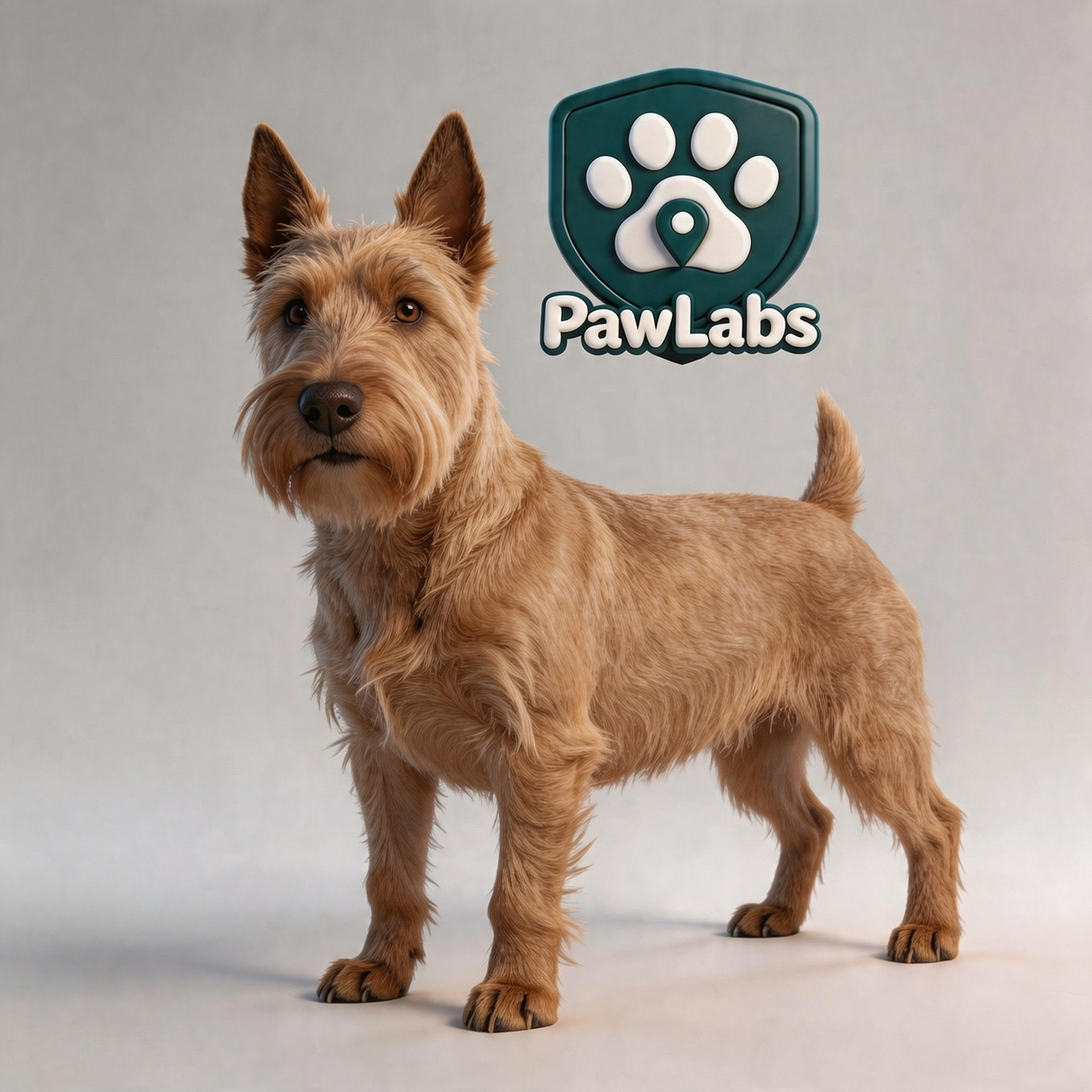
Scottish Terrier
A bold, independent terrier with a stubborn streak and fierce loyalty.
Original Role: Vermin hunting
💪 Strengths
- + Fearless and protective despite small size
- + Low barking tendency for a terrier
⚠️ Weaknesses
- − Stubborn and resistant to training
- − Prone to digging and chasing small animals
📜 Breed History
The Scottish Terrier, often called the 'Scottie,' hails from the rugged Highlands of Scotland, where it was bred as early as the 1700s to hunt vermin like rats and foxes. These scrappy little dogs were built for tenacity, digging into burrows and fearlessly confronting pests that plagued farms and estates. Their wiry, weather-resistant coat and compact frame made them ideal for navigating harsh terrain and cold, damp conditions. While their exact origins are murky, they’re believed to descend from a mix of old Scottish terriers, with records of similar dogs dating back centuries in the region.
By the late 19th century, the breed was standardized, with the first Scotties appearing in British dog shows around 1879. Their distinct look—short legs, long head, and bushy eyebrows—caught the eye of fanciers, and they gained popularity beyond their working roots. The Scottish Terrier Club was formed in 1881, cementing their status. They even became a cultural icon, famously associated with figures like President Franklin D. Roosevelt, whose Scottie, Fala, was a beloved companion. Over time, their role shifted from rugged farm dog to loyal household pet, though they’ve never lost that fiery, independent spirit that defined their early days.
A Feisty Little Scotsman with a Mind of His Own
I’ve spent enough time around Scottish Terriers to know they’re not just small dogs with big attitudes—they’re a force of nature packed into a 20-pound body. The first Scottie I met, a black-coated fellow named Angus, stared me down like I’d just insulted his entire clan. That’s the breed in a nutshell: bold, proud, and utterly convinced they’re in charge. They’re not cuddly lap dogs, though they’ll surprise you with quiet moments of devotion. Living with a Scottie means embracing their independence while setting firm boundaries, because if you don’t, they’ll happily run the show. I’ve seen these dogs charm entire families, only to turn around and ignore a direct command with the smugness of a king. If you’re looking for a dog with personality for days and a knack for keeping you on your toes, the Scottish Terrier might just steal your heart.
Temperament & Personality
Scottish Terriers are the epitome of terrier spirit—feisty, determined, and fiercely independent. I’ve watched a Scottie named Bonnie stand her ground against a dog three times her size, not backing down for a second. They carry themselves with a confidence that borders on arrogance, and they’re not afraid to let you know when they disagree with your plans. They’re loyal to their people, often picking one favorite human to shadow, but don’t expect constant affection. Most Scotties I’ve known prefer to show love on their terms, maybe leaning against your leg after a long day or curling up nearby while keeping one eye open for trouble.
They’re not overly vocal for a terrier, which is a relief compared to some of their yappier cousins, but they’ll bark sharply if something’s amiss. Their alert nature makes them excellent little watchdogs. With kids, they can be fine if socialized early, but I’ve seen them get snappy with rough play or teasing—they’ve got a low tolerance for nonsense. And don’t be fooled by their size; their stubbornness can rival any big dog. I once tried to coax a Scottie out of a muddy garden patch he’d decided to claim as his kingdom. Half an hour and a lot of coaxing later, I was the one who gave up.
Exercise & Activity Needs
Scotties aren’t high-octane dogs, but they’ve got enough energy to keep you busy. A couple of brisk 30-minute walks each day usually does the trick, though they’re just as happy trotting around a fenced yard, sniffing out imaginary prey. I’ve taken Scotties on hikes, and while they’re game for moderate treks, they’re not built for marathon runs—their short legs and stocky build mean they tire out faster than a lanky breed. What they lack in endurance, they make up for in enthusiasm. Digging is a favorite pastime; I’ve seen more than one Scottie turn a pristine lawn into a minefield in under an hour if left unsupervised.
Mental stimulation matters just as much as physical exercise. Puzzle toys or short training sessions can tire them out, though good luck getting them to focus if they’ve spotted a squirrel. They were bred to hunt, after all, so that prey drive kicks in hard. Without enough activity, they can get bored, and a bored Scottie is a destructive Scottie—think chewed shoes or a sudden interest in redecorating your couch.
Training & Intelligence
Training a Scottish Terrier is a test of patience. They’re smart, no question—I’ve seen them figure out how to open a gate latch in under a week—but they’ve got a stubborn streak a mile wide. They’ll learn commands if they see the point, but if they don’t, forget it. I spent weeks trying to teach a Scottie named Hamish to come when called, only for him to trot off in the opposite direction the second a rabbit crossed his path. Positive reinforcement with treats works best, but you’ve got to be consistent and firm, or they’ll walk all over you.
Early socialization is non-negotiable. Without it, their natural wariness of strangers and other dogs can turn into outright grumpiness. They’re not impossible to train, just choosy about when they’ll listen. If you’re expecting a dog who lives to please, this isn’t the breed for you. But if you’re up for the challenge, earning a Scottie’s respect feels like a hard-won victory.
Health & Lifespan
Scottish Terriers are generally hardy little dogs, with a lifespan of 12 to 15 years, which is decent for a small breed. But they’re not without health quirks. I’ve known several Scotties who battled bladder issues, including a higher risk of bladder cancer than most breeds. Regular vet checkups are a must, and you’ll want to watch for symptoms like straining or blood in their urine. They’re also prone to a condition called Scottie Cramp, a neurological disorder that causes temporary muscle stiffness during excitement or exercise. It’s not painful, but it’s unsettling the first time you see it.
Patellar luxation—slipping kneecaps—crops up in some lines, and hip dysplasia isn’t unheard of, though it’s less common in small breeds. Skin allergies can be an issue too; I’ve seen Scotties scratch themselves raw from environmental irritants. Vet bills can add up if you’re not proactive with preventative care, so budget for routine tests and maybe pet insurance. They’re tough, but they’re not invincible, and keeping them at a healthy weight helps avoid joint stress.
Grooming & Maintenance
That iconic Scottie look—bushy eyebrows, bearded muzzle, wiry coat—doesn’t come for free. Their double coat, with a soft underlayer and tough outer layer, needs regular attention. I’ve groomed a few Scotties myself, and if you’re not brushing them weekly, you’ll end up with mats, especially around the legs and underbelly. They don’t shed much, which is a plus, but their coat grows continuously. Most owners I know opt for professional grooming every 6 to 8 weeks to maintain that classic shape, often with hand-stripping to preserve the coat’s texture.
If you’re clipping at home, invest in good tools and learn the breed’s traditional cut, or you’ll lose that rugged charm. Beyond the coat, keep their ears clean—those drop ears trap moisture and can lead to infections. Nails need trimming too; I’ve heard those clickety-clack paws on hardwood floors one too many times when owners slack off. It’s not a low-maintenance breed, but the effort pays off when you’ve got that dapper little Scotsman strutting around.
Diet & Nutrition
Scottish Terriers aren’t picky eaters, but they can pack on pounds if you’re not careful. I’ve seen a few chubby Scotties waddle into the vet’s office because their owners couldn’t resist those pleading eyes at the dinner table. A high-quality kibble or raw diet suited for small breeds works well, portioned to their activity level—usually about 3/4 to 1 cup of dry food daily, split into two meals. They’re prone to weight gain, which stresses their joints, so skip the table scraps and limit treats.
Some Scotties develop food sensitivities, so if you notice itching or tummy upset, talk to your vet about switching proteins. Fresh water is a given, and since bladder issues are a concern, encourage hydration. I’ve always kept an eye on their eating habits; a sudden disinterest in food can signal health problems in this breed. Feed them right, and they’ll stay spry well into their senior years.
Living Conditions
Scotties adapt surprisingly well to different living spaces, whether it’s a city apartment or a suburban home with a yard. Their small size helps, and they don’t need acres to roam. That said, a secure yard is a bonus—they love to patrol and dig, and I’ve had to fence off flower beds after a Scottie decided to play archaeologist. In apartments, they’re content as long as they get their walks, though their alert barking might annoy neighbors if a delivery guy so much as breathes near your door.
Climate-wise, their thick coat handles cold better than heat. I’ve walked Scotties in Scottish winters (fittingly) with no issue, but in summer, they overheat fast. Keep them shaded and hydrated during hot spells. They’re indoor dogs at heart, happiest near their people, so don’t expect them to thrive banished to a kennel or backyard.
Who Should Get This Breed
If you’re a confident owner who appreciates a dog with character, the Scottish Terrier could be your match. They suit singles or older couples who want a companion with spunk but don’t need a high-energy pup. I’ve seen Scotties thrive with owners who enjoy a challenge and don’t mind a dog who thinks for himself. If you’ve got time for grooming and a sense of humor for their antics, you’ll find their loyalty and quirks endlessly rewarding. They’re perfect for someone who wants a small dog with a big presence, especially if you live in a cooler climate and have a knack for setting boundaries.
Who Should NOT Get This Breed
Scottish Terriers aren’t for everyone, and I’ve seen mismatches that broke hearts. If you’re a first-time dog owner hoping for an easy, eager-to-please pet, look elsewhere—their stubbornness will frustrate you. Families with very young kids might struggle; I’ve watched Scotties snap when toddlers pull their ears one too many times. If you’ve got other small pets like hamsters or rabbits, think twice—their hunting instinct doesn’t switch off. And if you’re not up for regular grooming or dealing with potential health issues like bladder problems, the maintenance might overwhelm you. They’re a commitment, not a casual choice.
❓ Scottish Terrier FAQs
The questions people ask most, answered from this breed's trait scores.
Is the Scottish Terrier good with children?
The Scottish Terrier scores 6/10 for child-friendliness, making it usually fine with children who have been taught to handle a dog respectfully. That score reflects the breed's typical temperament, not any individual animal — early socialisation and how the dog was raised matter just as much. Supervise interactions with toddlers whatever the breed.
Does the Scottish Terrier get along with other pets?
Scoring 5/10 for pet-friendliness, the Scottish Terrier is usually fine with other pets once introduced properly. Prey drive matters here as well as sociability: breeds built to chase can live happily with a household cat they grew up with and still pursue an unfamiliar one.
How much exercise does the Scottish Terrier need?
The Scottish Terrier rates 6/10 for energy and needs about an hour a day. The breed was originally developed for vermin hunting, which is where that requirement comes from.
Does the Scottish Terrier shed a lot?
At 3/10 for shedding, the Scottish Terrier sheds lightly. It has a medium double coat. Worth knowing: low shedding is not the same as hypoallergenic — most people react to proteins in dander and saliva, not to hair itself, so no breed is genuinely allergy-free.
Is the Scottish Terrier easy to train?
The Scottish Terrier scores 5/10 for trainability, making it trainable with consistency, though not eager to please for its own sake. It scores 7/10 for intelligence — worth separating from trainability, because a clever breed that has decided not to listen is harder work than a simpler one that wants to.
What is the average lifespan of the Scottish Terrier?
The Scottish Terrier typically lives 12–15 years. We rate the breed 6/10 for general health robustness. Individual lifespan depends heavily on genetics, weight management and veterinary care.
How big does the Scottish Terrier get?
A full-grown Scottish Terrier usually weighs 18–22 lbs and stands roughly 10–11 inches at the shoulder. That places it in the small size band. Males generally sit at the upper end of both ranges.
Does the Scottish Terrier bark a lot?
Rated 4/10 for barking, the Scottish Terrier is fairly quiet and tends to bark only with reason. Training and adequate exercise both reduce nuisance barking, but they will not turn a naturally vocal breed into a silent one.
Is the Scottish Terrier suited to apartment living?
The Scottish Terrier is workable in an apartment provided its exercise needs are met properly. It scores 6/10 for adaptability, 6/10 for energy and 4/10 for barking — the three traits that decide this. Floor space matters far less than whether the breed can settle indoors and stay quiet while you are out.
Is the Scottish Terrier a good choice for first-time owners?
On balance the Scottish Terrier is manageable for a first-time owner who is willing to put the work in early, based on its trainability (5/10), adaptability (6/10) and energy level (6/10). The most common reason a first dog does not work out is a mismatch between the breed's daily needs and the owner's actual routine, rather than anything about the breed itself.
Written and reviewed by PawLabs Editorial Team
We build PawLabs from published kennel club breed standards and veterinary reference sources. Profiles are drafted with AI assistance against that source data, then reviewed and corrected by a person before anything is published. We say so because you should know how the thing you're reading was made. How we research breeds · Report a correction
Note: Breed profiles are general reference, not veterinary advice. For anything concerning your own animal, talk to a vet who can examine them.