Swedish Vallhund
A spirited, wolf-like herder with boundless energy and charm.
Original Role: Herding cattle and guarding farms
💪 Strengths
- + Exceptional herding instincts and agility
⚠️ Weaknesses
- − Can be overly vocal and stubborn
📜 Breed History
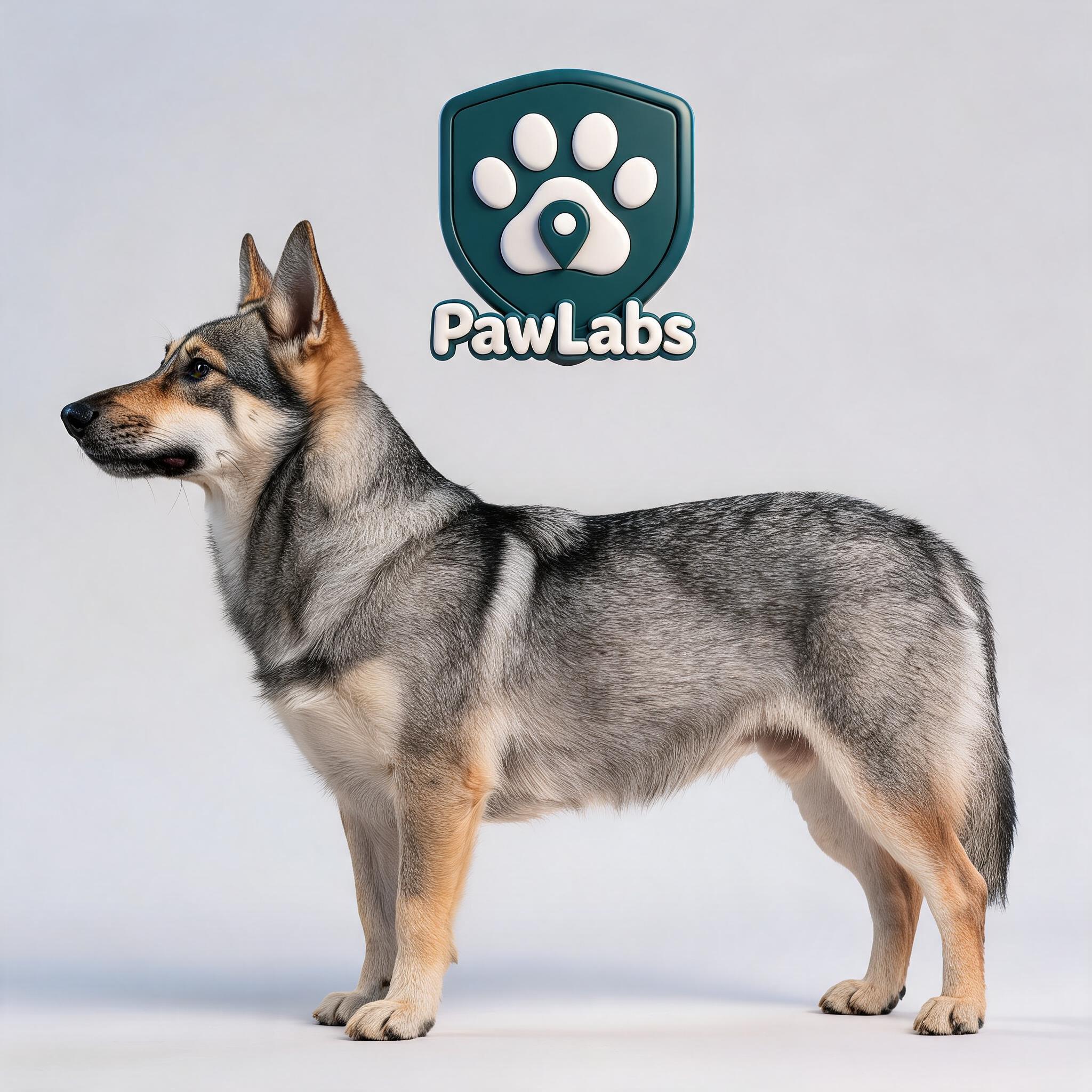
The Swedish Vallhund, often called the 'Viking Dog,' hails from Sweden with roots tracing back over a thousand years. I’ve always been fascinated by their history, which ties them to the Vikings—some even speculate they were companions on longships, though evidence is more anecdotal than concrete. Their primary purpose was herding cattle and guarding farms in the Västergötland region, where their small size, agility, and tenacity made them ideal for nipping at the heels of livestock without getting kicked. They’re built low to the ground, almost like a canine corgi with a wolfish face, and that design wasn’t accidental—it kept them safe while working.
By the mid-20th century, the breed nearly vanished due to industrialization reducing the need for farm dogs. I’ve spoken with historians who credit a dedicated group of Swedish breeders, particularly Björn von Rosen and K.G. Zetterstén, for reviving the Vallhund in the 1940s. They scoured rural areas, found surviving dogs, and established a breeding program. The Swedish Kennel Club recognized the breed in 1943, and it slowly gained traction internationally. The American Kennel Club welcomed them into the Herding Group in 2007. Today, they’re still rare outside Scandinavia, but their spunky charm and historical significance keep a small, passionate fanbase alive. I’ve met a few at herding trials in the U.S., and their grit reminds you of their ancient working roots.
A Tiny Viking Warrior with a Big Personality
I’ve always said the Swedish Vallhund is like a wolf shrunk down to corgi size, but with the heart of a Viking. These little herders from Sweden have a presence that fills a room—or a field. I’ve watched them dart around with a confidence that belies their small frame, and I’ve laughed as they’ve tried to herd everything from chickens to my kids. They’re not just cute; they’re fierce, vocal, and full of energy. If you’re looking for a low-maintenance lap dog, walk away now. But if you want a companion who’s equal parts worker and clown, the Vallhund might steal your heart. I’ve spent years around these dogs at herding events and with breeders, and I’m still amazed by their intensity packed into such a compact body.
Temperament & Personality
Living with a Swedish Vallhund is like having a tiny drill sergeant who occasionally breaks character to cuddle. They’re alert to everything—every squirrel, every doorbell, every leaf blowing across the yard. I’ve had one bark at a shadow at 3 a.m., convinced it was an intruder, only to wag his tail when I turned on the light. They’re fearless, a trait that comes from centuries of guarding farms and herding stubborn cattle. That boldness means they’ll stand up to dogs twice their size without a second thought, which can land them in trouble at the dog park if you’re not watching.
They’re affectionate with their family, often picking one person as their 'main human' to follow around. I’ve seen a Vallhund trail its owner from room to room, just waiting for a task or a game. But they’re not overly clingy—they’ve got an independent streak. Leave them alone too long, though, and they might express their boredom by chewing a shoe or digging up your flowerbed. Their playful side shines when they’re zooming around the yard, often with a toy they refuse to share. They’re great with kids if socialized early, though their herding instinct might lead to nipping at heels during play. It’s not aggression; it’s just their wiring.
Exercise & Activity Needs
Don’t let their small size fool you—these dogs are energy incarnate. I’ve taken Vallhunds on hour-long hikes, and they’re still ready to chase a ball when we get home. They were bred to work all day on Swedish farms, so they need at least 60 to 90 minutes of solid exercise daily. A quick walk around the block won’t cut it. I’ve seen owners struggle when they underestimate this, ending up with a frustrated dog who barks or chews out of pent-up energy.
They thrive on activities that engage their mind and body. Herding trials are perfect if you can find one nearby, but even agility courses or long games of fetch work wonders. I’ve watched a Vallhund navigate an obstacle course with the precision of a much larger herding dog, their little legs pumping like pistons. Without that outlet, they’ll make their own fun, and you might not like the results. A tired Vallhund is a happy Vallhund, so plan to keep them busy.
Training & Intelligence
Swedish Vallhunds are sharp as a tack, but they’ve got a stubborn side that can test your patience. I’ve trained a few over the years, and while they pick up commands quickly, they’ll often look at you as if to say, 'Why should I?' They were bred to think independently while herding, so don’t expect blind obedience. Consistency and positive reinforcement are key—treats and praise go a long way. I’ve had success teaching complex tricks like 'spin' or 'play dead' in just a few sessions, but only when they’re in the mood.
Early socialization is critical. Without it, their natural wariness of strangers can turn into overprotectiveness. I’ve seen a Vallhund growl at a delivery person just for stepping onto the porch, though proper introductions usually smooth things over. They’re vocal, too, so teaching a 'quiet' command early will save your sanity. Their intelligence means they get bored fast, so mix up training routines. If you’re a first-time owner, you might find their willful nature a challenge, but with patience, they’re incredibly rewarding to work with.
Health & Lifespan
Swedish Vallhunds are generally hardy, with a lifespan of 12 to 15 years, which is impressive for a small breed with working roots. But they’re not without issues. I’ve known several with progressive retinal atrophy (PRA), a genetic eye condition that can lead to blindness. Responsible breeders screen for this, so always ask for health clearances when getting a puppy. Hip dysplasia can also crop up, though it’s less common than in larger breeds. I’ve had friends pay upwards of $1,500 for diagnostics and management of joint issues, so pet insurance isn’t a bad idea.
Another concern is a specific form of retinopathy unique to the breed, often called Swedish Vallhund Retinopathy. It doesn’t always impair vision, but it’s something to monitor with regular vet checkups. Obesity can sneak up if their exercise needs aren’t met, and extra weight stresses their short legs and back. I’ve seen a chubby Vallhund struggle to keep up on walks, and it’s heartbreaking. Regular vet visits—expect $300 to $500 annually for basics—keep them in good shape. They’re tough dogs, but not invincible, so stay proactive with their health.
Grooming & Maintenance
The Vallhund’s double coat is medium-length and built for Swedish winters, which means they shed. A lot. I’ve brushed one out during spring and fall shedding seasons and ended up with enough fur to make a small pillow. A weekly brushing with an undercoat rake—10 to 15 minutes—keeps the hair tumbleweeds under control, though you’ll still find fur on your couch. Baths are only needed every few months unless they’ve rolled in something foul, which, trust me, they will if given the chance.
Their ears need checking for wax buildup since they’re prone to minor infections if debris gets trapped. I’ve cleaned a Vallhund’s ears after a muddy romp and found half a field in there. Nails grow fast with their active lifestyle, so trim every few weeks or expect clicking on your floors. Dental care matters too—small breeds often have crowded teeth, and I’ve seen tartar build up quickly without regular brushing. Grooming isn’t high-maintenance, but it’s not negligible either. Set aside time for it.
Diet & Nutrition
Feeding a Swedish Vallhund isn’t complicated, but their energy levels mean they burn through calories fast. I’ve fed adults about 1 to 1.5 cups of high-quality dry kibble daily, split into two meals, though active dogs might need more. Look for food with good protein content—around 25%—to support their muscle mass. Puppies need smaller, frequent meals, and I’ve always transitioned them slowly to avoid stomach upset after bringing them home.
Watch for overfeeding. They’ll eat anything you put in front of them, and I’ve seen one balloon up when an owner didn’t measure portions. Treats should be minimal—10% of daily calories at most. Some Vallhunds have sensitive stomachs, so if yours gets gassy or loose stools, talk to your vet about a limited-ingredient diet. Fresh water is a must, especially after exercise. I’ve had one gulp down a bowl after a long play session like they’d crossed a desert. Expect to spend $30 to $50 monthly on food for an adult.
Living Conditions
Swedish Vallhunds can adapt to various homes, but they’re happiest with space to move. An apartment works only if you’re committed to daily outings—otherwise, their energy will bounce off the walls. I’ve known one in a city flat whose owner took them to a park twice a day, and they did fine. A house with a fenced yard is ideal, though. They love patrolling their territory, and I’ve watched one spend hours sniffing every corner of a backyard like it’s their kingdom.
Climate-wise, their thick coat handles cold well—Sweden’s winters forged them, after all. But heat is tougher. I’ve seen a Vallhund pant heavily on a 90-degree day, so provide shade and water in summer. They’re not outdoor dogs full-time; they want to be with their people. If you’re in a noisy area, brace for barking at every passerby unless trained otherwise. They’re versatile, but their needs dictate more than their size suggests.
Who Should Get This Breed
If you’re an active person with time to dedicate, the Swedish Vallhund could be your perfect match. I’ve seen them thrive with owners who hike, run, or have a knack for dog sports like agility. They’re ideal for families with older kids who can handle their playful nipping and high energy. If you’ve got a rural property or even just a big yard, they’ll love having space to explore and 'work.' I’ve met a breeder who swore her Vallhund was happier after she started giving it mock herding tasks with a flock of ducks. They’re for someone who appreciates a dog with personality and doesn’t mind a bit of sass.
Who Should NOT Get This Breed
If you’re looking for a quiet, low-energy companion to lounge with all day, the Vallhund isn’t for you. I’ve seen them drive sedentary owners up the wall with their need to move and vocalize. First-time dog owners might struggle with their stubbornness and herding instincts—training takes patience and experience. If you live in a small space and can’t commit to long daily walks, they’ll likely act out. And if you hate shedding or constant barking, steer clear. I’ve had friends return a Vallhund to a breeder because they couldn’t handle the noise. They’re amazing dogs, but only for the right home.
❓ Swedish Vallhund FAQs
The questions people ask most, answered from this breed's trait scores.
Is the Swedish Vallhund good with children?
The Swedish Vallhund scores 7/10 for child-friendliness, making it a good match for families with children. That score reflects the breed's typical temperament, not any individual animal — early socialisation and how the dog was raised matter just as much. Supervise interactions with toddlers whatever the breed.
Does the Swedish Vallhund get along with other pets?
Scoring 6/10 for pet-friendliness, the Swedish Vallhund is usually fine with other pets once introduced properly. Prey drive matters here as well as sociability: breeds built to chase can live happily with a household cat they grew up with and still pursue an unfamiliar one.
How much exercise does the Swedish Vallhund need?
The Swedish Vallhund rates 8/10 for energy and needs at least an hour to 90 minutes a day, and it should be real exercise rather than a stroll. Under-exercised, this is a breed that finds its own entertainment — usually at the expense of your furniture. The breed was originally developed for herding cattle and guarding farms, which is where that requirement comes from.
Does the Swedish Vallhund shed a lot?
At 6/10 for shedding, the Swedish Vallhund sheds a moderate amount year-round. It has a medium double coat. Worth knowing: low shedding is not the same as hypoallergenic — most people react to proteins in dander and saliva, not to hair itself, so no breed is genuinely allergy-free.
Is the Swedish Vallhund easy to train?
The Swedish Vallhund scores 7/10 for trainability, making it responsive and straightforward to train. It scores 8/10 for intelligence — worth separating from trainability, because a clever breed that has decided not to listen is harder work than a simpler one that wants to.
What is the average lifespan of the Swedish Vallhund?
The Swedish Vallhund typically lives 12–15 years. We rate the breed 7/10 for general health robustness. Individual lifespan depends heavily on genetics, weight management and veterinary care.
How big does the Swedish Vallhund get?
A full-grown Swedish Vallhund usually weighs 20–35 lbs and stands roughly 11–13 inches at the shoulder. That places it in the small size band. Males generally sit at the upper end of both ranges.
Does the Swedish Vallhund bark a lot?
Rated 7/10 for barking, the Swedish Vallhund barks readily, which is worth considering if you have close neighbours. Training and adequate exercise both reduce nuisance barking, but they will not turn a naturally vocal breed into a silent one.
Is the Swedish Vallhund suited to apartment living?
The Swedish Vallhund is a difficult fit for apartment living. It scores 6/10 for adaptability, 8/10 for energy and 7/10 for barking — the three traits that decide this. Floor space matters far less than whether the breed can settle indoors and stay quiet while you are out.
Is the Swedish Vallhund a good choice for first-time owners?
On balance the Swedish Vallhund is manageable for a first-time owner who is willing to put the work in early, based on its trainability (7/10), adaptability (6/10) and energy level (8/10). The most common reason a first dog does not work out is a mismatch between the breed's daily needs and the owner's actual routine, rather than anything about the breed itself.
Written and reviewed by PawLabs Editorial Team
We build PawLabs from published kennel club breed standards and veterinary reference sources. Profiles are drafted with AI assistance against that source data, then reviewed and corrected by a person before anything is published. We say so because you should know how the thing you're reading was made. How we research breeds · Report a correction
Note: Breed profiles are general reference, not veterinary advice. For anything concerning your own animal, talk to a vet who can examine them.