Tibetan Mastiff
A massive, protective guardian with a serene yet commanding presence.
Original Role: Livestock guardian and protector
💪 Strengths
- + Exceptional guardian instincts with a powerful presence
⚠️ Weaknesses
- − Can be overly territorial or wary of strangers
📜 Breed History
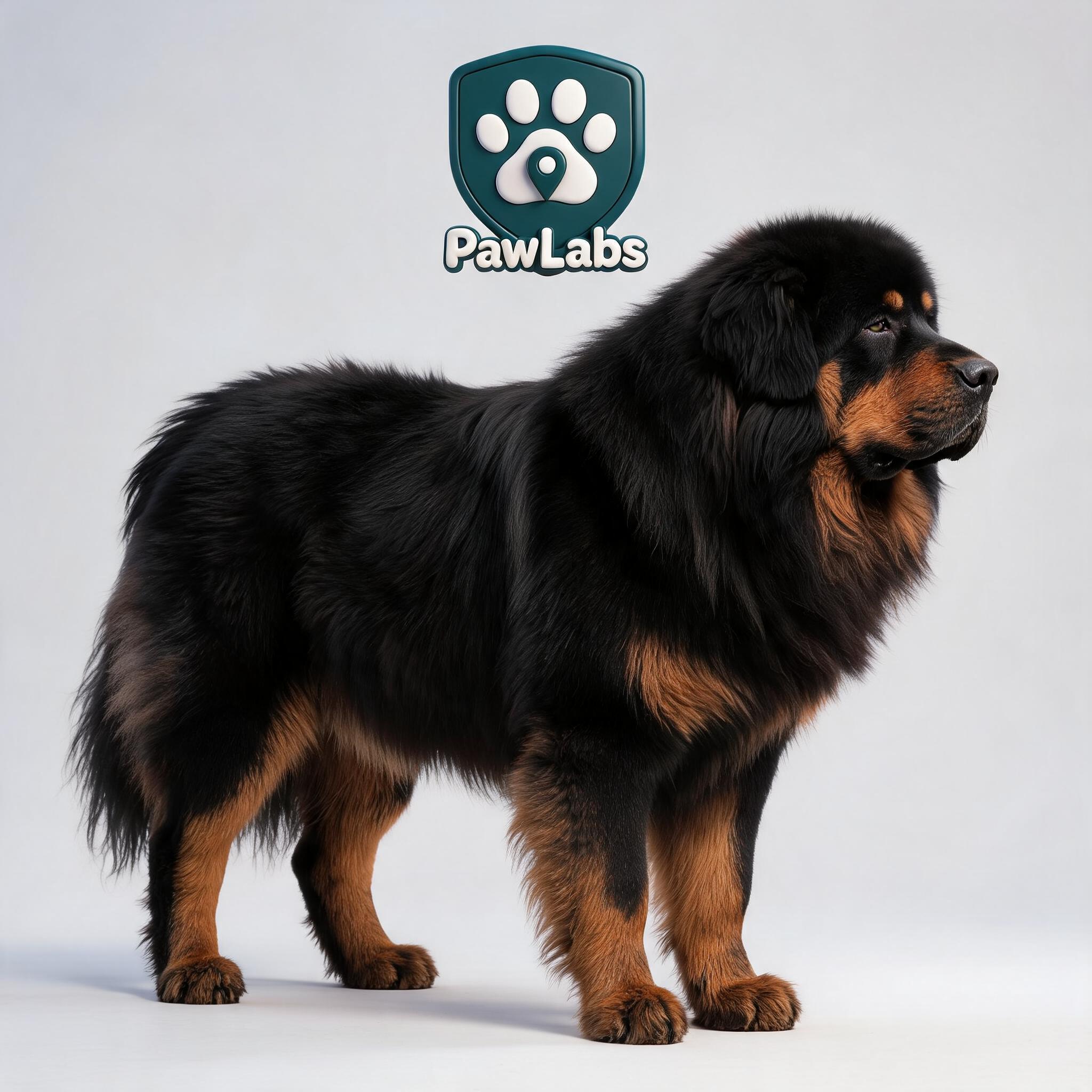
The Tibetan Mastiff hails from the rugged Himalayan mountains of Tibet, where it has served as a guardian of livestock and monasteries for centuries. This ancient breed, often referred to as 'Do-Khyi' or 'tied dog' in Tibetan, was bred by nomadic herders to protect flocks from predators like wolves and leopards. Their imposing size and fierce loyalty made them indispensable in the harsh, isolated terrain where survival demanded both strength and vigilance. I've always been struck by accounts from early travelers who described these dogs as nearly mythical, with a lion-like mane and a deep, resonant bark that echoed through the mountains.
Historically, Tibetan Mastiffs were kept tethered during the day and unleashed at night to patrol, a practice that shaped their independent and territorial nature. They were rarely seen outside Tibet until the 19th century when British explorers brought a few to England, though the breed struggled to adapt. It wasn’t until the late 20th century that they gained wider recognition, often as status symbols due to their rarity and striking appearance. The American Kennel Club recognized them in 2007, cementing their place in the working group. Despite their long history, they remain a rare breed, and their primal instincts as protectors are still very much alive in every dog I've met.
A Majestic Guardian with a Mind of Its Own
I’ve always been captivated by the Tibetan Mastiff’s sheer presence. Standing at the shoulder of one, you feel like you’re in the shadow of a small bear. They’re not just big—they’re primordial, with a quiet intensity that tells you they’re watching everything, always. I’ve spent time with dozens of these dogs over the years, from working guardians in rural settings to family companions in suburban homes, and I can tell you they’re not for everyone. They’re protective to a fault, deeply loyal to their people, but they carry an aloofness that can feel like a wall. If you’re looking for a dog that’ll wag its tail at every stranger or eagerly fetch a ball, look elsewhere. This is a breed that lives to guard, to stand between you and danger, and they take that job seriously.
Temperament & Personality
Living with a Tibetan Mastiff is like having a silent sentinel in your home. They’re not overly affectionate in the way a Labrador might be, but their loyalty runs bone-deep. I’ve watched one of these dogs lie at the foot of a child’s bed for hours, barely moving, just keeping watch. They bond tightly with their family, often picking one person as their primary human, though they’ll protect everyone in their pack. With strangers, they’re naturally suspicious. I’ve seen them stand stock-still, staring down a delivery driver as if sizing up a potential threat, even if the poor guy just had a package in hand. That wariness isn’t aggression—it’s caution—but it can be unnerving if you’re not prepared for it.
They’re also incredibly independent. This isn’t a dog that’s going to look to you for constant direction. I’ve had owners tell me their Tibetan Mastiff seems to make decisions on its own, like choosing where to patrol the yard at night. That self-reliance can be a double-edged sword; it makes them fantastic guardians but can also mean they ignore you when they’ve decided something’s more important than your commands. And don’t expect a lot of silliness. They’re serious dogs, even as puppies, though I’ve seen rare moments of playfulness when they think no one’s watching.
Exercise & Activity Needs
Despite their size, Tibetan Mastiffs aren’t high-energy dogs in the way a Husky or Border Collie might be. They were bred to conserve energy for sudden bursts of action, like fending off a predator. I’d say a good hour of activity daily is enough for most—think a long walk or some time roaming a fenced yard. I’ve taken them on hikes in cooler weather, and they plod along with a steady, purposeful gait, never rushing unless something catches their attention. They do need space to move, though. Keeping one cooped up in a small area is a recipe for frustration, and a frustrated Mastiff might start pacing or chewing to vent.
One thing to remember is their nocturnal instinct. In Tibet, they’d guard at night, and I’ve noticed many still get a burst of alertness after dark. Don’t be surprised if your dog wants to patrol the yard at 10 p.m. while you’re ready for bed. Mental stimulation matters too; they’re not just brawn. Giving them a job, like watching over a property or even carrying a light pack on walks, keeps their mind engaged.
Training & Intelligence
Training a Tibetan Mastiff is a test of patience. They’re smart—don’t get me wrong—but they’re not eager to please like a Golden Retriever. I’ve worked with owners who’ve thrown up their hands after a month because their Mastiff just stares at them during a ‘sit’ command, as if to say, ‘Why should I?’ Their independence comes from centuries of making decisions without human input, and that doesn’t disappear just because you’ve got a treat in your hand. Start early, be consistent, and don’t expect instant results. Socialization is critical too; without it, their natural wariness can turn into overprotectiveness.
I’ve found positive reinforcement works best, but you’ve got to earn their respect first. Yelling or harsh methods will backfire—they’ll shut down or, worse, lose trust in you. I once helped a family with a young Mastiff who’d started guarding the couch like it was a flock of sheep. It took weeks of gentle redirection to teach him that not everything needed defending. They’re capable of learning, but it’s on their terms, not yours.
Health & Lifespan
Tibetan Mastiffs generally live 10 to 14 years, which is decent for a breed of their size. But like many large dogs, they’re prone to certain health issues. Hip and elbow dysplasia are common; I’ve known several owners who’ve had to budget for X-rays or even surgery as their dog aged. Bloat is another concern—those deep chests can twist, and it’s a life-threatening emergency. I always tell owners to feed smaller meals and avoid exercise right after eating. Hypothyroidism pops up too, slowing them down and sometimes leading to weight gain if not caught early.
They can also face eye issues like entropion, where the eyelid rolls inward, irritating the cornea. Vet bills for a Mastiff aren’t cheap, especially if joint problems require intervention. I’d set aside a good chunk for health care over their lifetime. Finding a breeder who screens for these conditions is non-negotiable—I’ve met too many heartbroken owners who skipped that step and paid for it later.
Grooming & Maintenance
That thick, double coat is a beauty and a burden. Tibetan Mastiffs shed heavily, especially during seasonal changes in spring and fall. I’ve swept up enough fur from one dog to stuff a pillow, and that’s not an exaggeration. Weekly brushing is a must—daily during shedding season—to keep mats at bay and reduce the tumbleweeds rolling across your floor. Their coat is built for Himalayan winters, with a woolly undercoat and a longer outer layer, so it tangles if neglected.
Baths aren’t frequent; every couple of months is fine unless they’ve rolled in something foul. Their size makes bath time a workout, though—I’ve wrestled with a 120-pound Mastiff in a tub, and it’s not fun for either of us. Check their ears regularly for wax buildup, and trim their nails if they don’t wear down naturally. It’s not a low-maintenance breed, but the grooming isn’t impossible if you stay on top of it.
Diet & Nutrition
Feeding a Tibetan Mastiff is like fueling a small horse. They need a high-quality diet tailored for large breeds, with a focus on joint-supporting nutrients like glucosamine, especially as they age. Puppies grow fast, and I’ve seen owners overfeed thinking more is better, only to stress those developing bones. Stick to a vet-recommended plan—usually 4 to 6 cups of kibble daily for adults, split into two meals to reduce bloat risk. Raw or home-cooked diets can work if balanced properly, but I’ve met dogs who’ve thrived on premium dry food too.
Watch their weight. A heavy Mastiff puts extra strain on already vulnerable joints. I once knew a dog who ballooned to 160 pounds from table scraps, and his mobility suffered until the owner cut back. Treats are fine, but moderation is key with a breed this big.
Living Conditions
Tibetan Mastiffs need space. An apartment is a terrible fit—I’ve seen them pace restlessly in small quarters, and it’s not fair to them. A house with a securely fenced yard is ideal; they love to patrol their territory, and without a boundary, they might wander off to expand it. Their thick coat suits cold climates best. I’ve seen them lie contentedly in snow while their owners shivered, but heat is tougher. In warmer areas, they need shade, plenty of water, and limited outdoor time during peak sun.
They’re not overly active indoors, often content to sprawl near a window where they can keep an eye out. But they do need room to stretch those long legs. If you’re in a hot, cramped urban setting, this isn’t the breed for you.
Who Should Get This Breed
If you’ve got a rural property, a calm household, and a deep appreciation for a dog that’s more partner than pet, a Tibetan Mastiff could be your match. They thrive with experienced owners who understand guardian breeds and can provide structure without force. I’ve seen them do beautifully with families who respect their space and give them a job, whether it’s watching over a farm or simply being the family protector. If you’re patient and value a dog with a quiet, dignified presence, you’ll find their loyalty unmatched.
Who Should NOT Get This Breed
If you’re a first-time dog owner, live in a small space, or expect a cuddly, obedient companion, steer clear. I’ve watched novices struggle with a Mastiff’s stubborn streak and territorial nature, and it’s not a good fit. They’re not great for households with lots of visitors—their suspicion of strangers can create tension. And if you can’t commit to grooming or handling potential health costs, this isn’t the dog for you. They demand respect, time, and resources, and without that, both you and the dog will be miserable.
❓ Tibetan Mastiff FAQs
The questions people ask most, answered from this breed's trait scores.
Is the Tibetan Mastiff good with children?
The Tibetan Mastiff scores 5/10 for child-friendliness, making it usually fine with children who have been taught to handle a dog respectfully. That score reflects the breed's typical temperament, not any individual animal — early socialisation and how the dog was raised matter just as much. Supervise interactions with toddlers whatever the breed.
Does the Tibetan Mastiff get along with other pets?
Scoring 4/10 for pet-friendliness, the Tibetan Mastiff is prone to friction with other animals, and needs careful, slow introductions. Prey drive matters here as well as sociability: breeds built to chase can live happily with a household cat they grew up with and still pursue an unfamiliar one.
How much exercise does the Tibetan Mastiff need?
The Tibetan Mastiff rates 6/10 for energy and needs about an hour a day. The breed was originally developed for livestock guardian and protector, which is where that requirement comes from.
Does the Tibetan Mastiff shed a lot?
At 8/10 for shedding, the Tibetan Mastiff sheds noticeably, and you will find hair on clothes and furniture. It has a long double coat. Worth knowing: low shedding is not the same as hypoallergenic — most people react to proteins in dander and saliva, not to hair itself, so no breed is genuinely allergy-free.
Is the Tibetan Mastiff easy to train?
The Tibetan Mastiff scores 5/10 for trainability, making it trainable with consistency, though not eager to please for its own sake. It scores 7/10 for intelligence — worth separating from trainability, because a clever breed that has decided not to listen is harder work than a simpler one that wants to.
What is the average lifespan of the Tibetan Mastiff?
The Tibetan Mastiff typically lives 10–14 years. We rate the breed 6/10 for general health robustness. Individual lifespan depends heavily on genetics, weight management and veterinary care.
How big does the Tibetan Mastiff get?
A full-grown Tibetan Mastiff usually weighs 90–150 lbs and stands roughly 24–30 inches at the shoulder. That places it in the large size band. Males generally sit at the upper end of both ranges.
Does the Tibetan Mastiff bark a lot?
Rated 7/10 for barking, the Tibetan Mastiff barks readily, which is worth considering if you have close neighbours. Training and adequate exercise both reduce nuisance barking, but they will not turn a naturally vocal breed into a silent one.
Is the Tibetan Mastiff suited to apartment living?
The Tibetan Mastiff is a difficult fit for apartment living. It scores 5/10 for adaptability, 6/10 for energy and 7/10 for barking — the three traits that decide this. Floor space matters far less than whether the breed can settle indoors and stay quiet while you are out.
Is the Tibetan Mastiff a good choice for first-time owners?
On balance the Tibetan Mastiff is manageable for a first-time owner who is willing to put the work in early, based on its trainability (5/10), adaptability (5/10) and energy level (6/10). The most common reason a first dog does not work out is a mismatch between the breed's daily needs and the owner's actual routine, rather than anything about the breed itself.
Written and reviewed by PawLabs Editorial Team
We build PawLabs from published kennel club breed standards and veterinary reference sources. Profiles are drafted with AI assistance against that source data, then reviewed and corrected by a person before anything is published. We say so because you should know how the thing you're reading was made. How we research breeds · Report a correction
Note: Breed profiles are general reference, not veterinary advice. For anything concerning your own animal, talk to a vet who can examine them.