Finding a Dog That Thrives on Structured Training
Dog sports demand consistent focus, quick learning, and sustained drive through repeated sessions. Many dogs lose interest after basic commands or become reactive when the work stops, turning high energy into household destruction. The right breed maintains engagement across agility courses, obedience rings, or scent trails without constant handler corrections.
Biddability separates workable candidates from frustrating ones. Breeds with exceptional responsiveness handle complex sequences and variable environments, while lower drive dogs plateau early or require excessive motivation. Owners must match their own schedule to the breed's need for daily mental work plus physical outlets, or the partnership collapses within months.
Health and recovery factors also matter. Intense training stresses joints and increases injury risk in some lines, so robust structure and sensible exercise limits become practical concerns rather than afterthoughts.
1. Border Collie
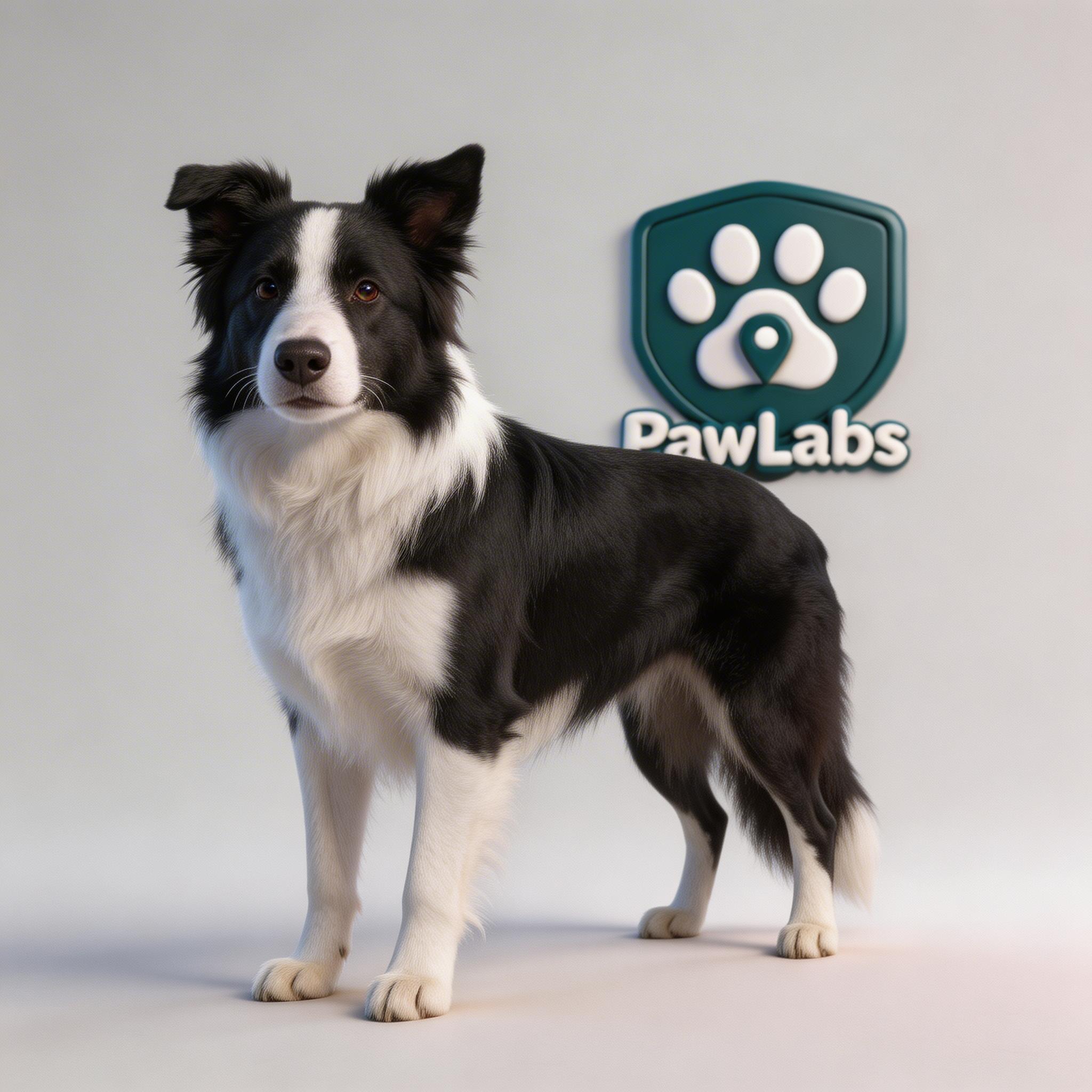
This breed delivers unmatched responsiveness in agility sequences and scent discrimination tasks. Daily life typically includes two structured training blocks of 30 to 45 minutes plus a longer off-leash session, keeping the dog mentally sharp and physically settled indoors. Its quick pattern recognition allows handlers to progress from novice to advanced titles within a single season when sessions stay consistent.
Exercise needs run high: expect at least 90 minutes of varied activity daily, including focused drills rather than casual walks. Coat care requires brushing every three to four days to manage moderate shedding; matting occurs quickly on active dogs. Veterinary costs stay average provided hips and eyes receive annual checks.
Skip this breed if your schedule cannot guarantee daily work. Without sufficient challenge the Border Collie develops compulsive behaviors such as shadow chasing or fence running that training alone rarely resolves.
2. Belgian Malinois
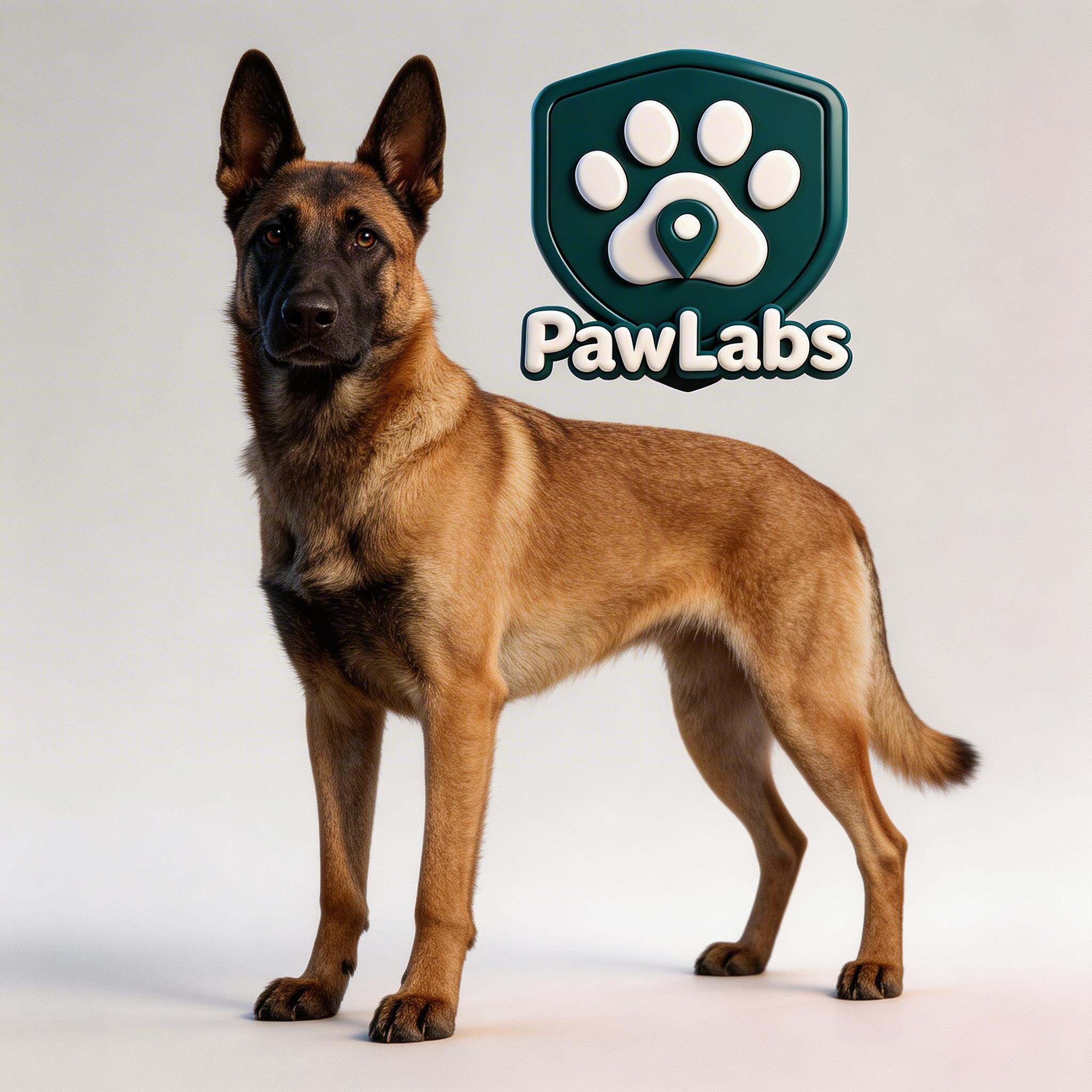
The Malinois excels at rapid obedience transitions and high-speed agility because it treats every repetition as a new task. Owners usually schedule morning drills before work and evening scent or bite-work practice, producing a dog that remains attentive rather than restless during downtime.
Daily requirements include 60 to 90 minutes of purposeful exercise plus short training bursts throughout the day. Grooming stays minimal with weekly brushing, though nails and teeth need regular attention. Annual health screenings for elbows and eyes add several hundred dollars to routine care.
This dog is wrong for first-time sport handlers or households with young children. Its intensity can overwhelm inexperienced trainers and turns protective instincts into liability around visitors.
3. German Shepherd Dog
Strong trainability supports steady progress in obedience and tracking sports. A typical day involves 45-minute morning obedience work followed by an afternoon walk that incorporates scent games, keeping the dog focused without excess barking at home.
Exercise totals 75 minutes daily across structured and free activities. The double coat sheds heavily twice yearly, requiring brushing several times weekly during those periods. Hip and elbow dysplasia screening is essential and raises lifetime veterinary expenses compared with more robust breeds.
Owners who cannot commit to early orthopedic evaluations should choose elsewhere. Poor structure leads to early retirement from sports and chronic pain management costs.
4. Poodle
The Poodle's intelligence supports quick mastery of complex scent work and agility obstacles. Daily routines combine 45 minutes of focused training with shorter play sessions, producing a dog content to rest once work ends.
Professional grooming every six weeks plus daily brushing prevents matting; this adds noticeable ongoing expense. Energy levels suit two solid training sessions rather than constant activity, and the low-shed coat benefits households with allergies.
Skip the Poodle if grooming costs or scheduling prove impractical. Matted coats quickly become painful and shorten the dog's usable sport career.
5. Labrador Retriever
Labradors respond reliably to obedience and retrieve-based scent exercises. A workable schedule includes 60 minutes of combined training and exercise, after which the dog settles without demanding further attention.
Daily walks of 45 to 60 minutes plus short drills suffice. Coat care remains simple with weekly brushing, though moderate shedding occurs year-round. Joint supplements often become necessary by middle age due to average hip scores.
This breed is not ideal for handlers seeking maximum competitive edge. Its softer drive means slower progress in advanced agility compared with higher-intensity herding breeds.
6. Doberman Pinscher
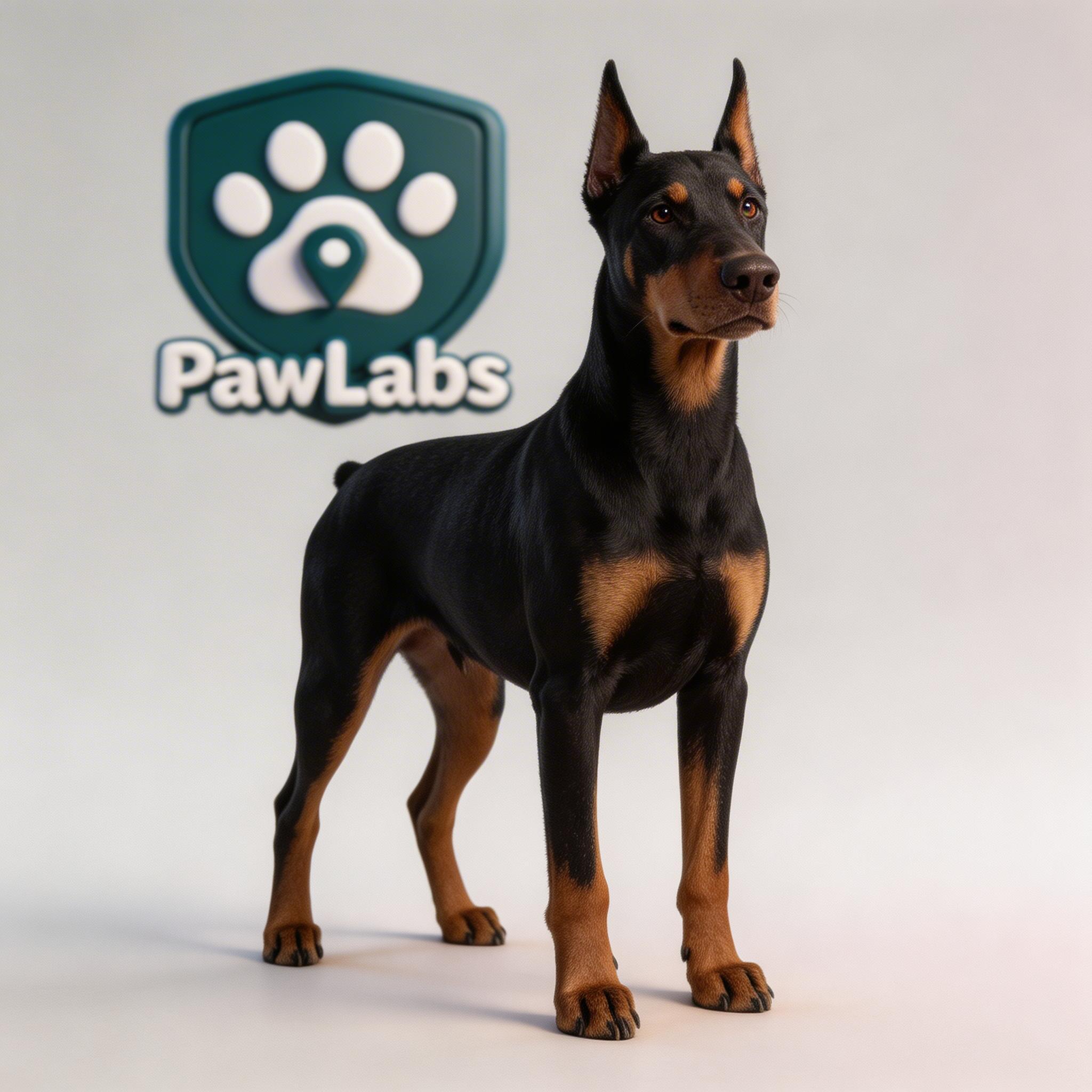
The Doberman learns obedience patterns quickly and maintains focus during scent detection work. Owners typically run two 30-minute sessions daily plus a structured walk to channel energy without hyperactivity at home.
Minimal grooming needs involve occasional brushing and nail care. Exercise averages 60 minutes, yet cardiac and orthopedic screenings remain critical given documented breed vulnerabilities that shorten sport longevity.
Prospective owners unwilling to budget for early cardiac evaluations should look elsewhere. Health issues often force retirement before titles are earned.
How to choose between them
Match daily time availability first. Breeds requiring 90 minutes of structured work suit experienced handlers with flexible schedules, while those needing closer to 60 minutes fit owners balancing full-time jobs.
Next weigh grooming tolerance and health screening budgets. High-shed or high-grooming breeds add recurring costs that affect long-term feasibility for competitive careers.