A reliable test for these homes is whether the dog stays responsive during training that occurs only after sports practice or homework, rather than on an adult's fixed morning routine.
Many families assume an affectionate sporting breed will slot straight into a household with busy teenagers, yet the difference shows up quickly when walks happen at irregular times and training sessions last twenty minutes instead of an hour. The breeds that succeed maintain focus even when reinforcement is inconsistent and do not develop destructive habits or excessive barking when a planned afternoon walk gets skipped. Those that fail often need more predictable structure than older kids can reliably provide.
The practical filter is energy that matches a teenager's willingness to walk or jog several times a week, combined with trainability that rewards short, focused lessons rather than requiring professional-level consistency. Grooming demands must also stay manageable so the dog does not become another chore the teens resent.
1. Vizsla
A Vizsla fits teenagers who want an active partner for daily walks or runs because its high energy level rewards consistent exercise while its strong desire to please makes it quick to learn basic obedience and recall. Daily life typically includes a morning twenty-minute walk before school and a longer session after activities, during which the dog remains attentive to cues from multiple family members rather than bonding exclusively with one adult.
These dogs need roughly sixty to ninety minutes of exercise most days and respond well to short training bursts of ten to fifteen minutes; their short coat requires only occasional brushing and rarely needs professional grooming, keeping annual costs low. They adapt to moderate apartment or house living provided they receive that movement.
Skip this breed if the household cannot guarantee regular vigorous activity, because a bored Vizsla will chew or pace rather than settle quietly.
2. Boykin Spaniel
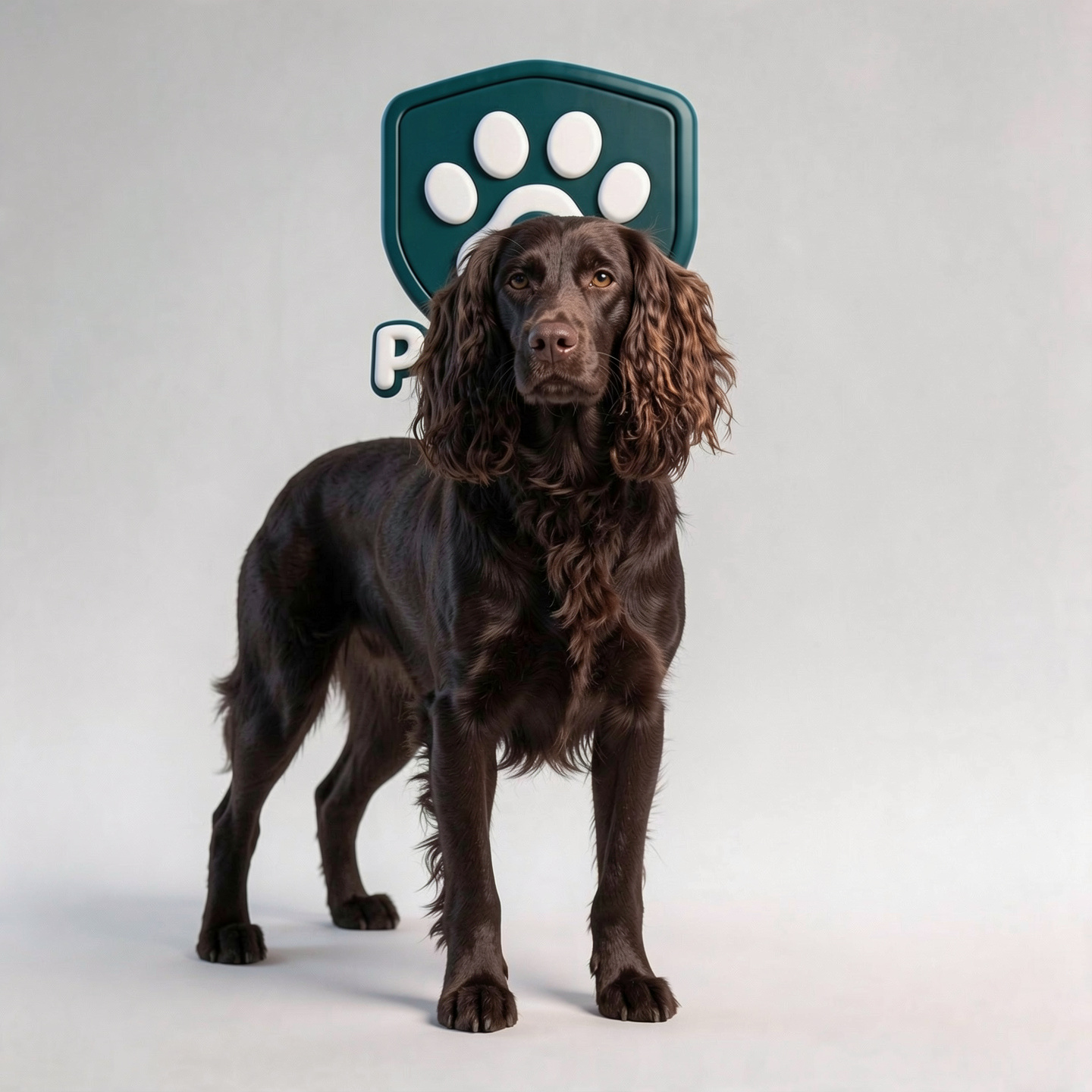
The Boykin Spaniel suits teens who enjoy training because its eagerness to work and solid trainability let older kids practice commands and even simple retrieval games with clear feedback. In daily life the dog follows the teenager on neighborhood walks after school and settles during homework time once its exercise quota is met.
Expect forty-five to seventy minutes of daily activity split between walks and play; its medium coat needs brushing twice weekly and occasional trimming to prevent matting, with grooming costs staying moderate compared with longer-coated spaniels. Health screenings for hip and eye issues add to initial veterinary expenses.
Households that want a quieter dog should look elsewhere, because the Boykin can become vocal when left alone for long stretches during the school day.
3. English Springer Spaniel
An English Springer Spaniel works for teens who like structured training because its intelligence and biddability let older kids handle leash work and basic manners with visible progress. The breed keeps up on family walks and remains friendly during visits from friends, provided the teenagers maintain the exercise routine.
Plan on sixty minutes of daily exercise and weekly brushing plus professional grooming every six to eight weeks to manage the coat; shedding is noticeable during seasonal changes and requires regular vacuuming. Veterinary care for ear infections common in the breed adds recurring costs.
Families seeking minimal shedding should pass, because the English Springer leaves noticeable hair on furniture and clothing year-round.
4. Welsh Springer Spaniel
The Welsh Springer Spaniel appeals to teens who want a trainable hiking companion because its energy and responsiveness reward consistent handling during longer weekend outings. Daily life involves the dog joining after-school walks and learning simple cues that the teenagers can reinforce without constant adult oversight.
These dogs need about an hour of exercise daily and a weekly brush of their medium coat; grooming needs are lighter than some spaniels yet still require attention to ears and feet. Initial purchase and health testing for hips and eyes represent the main upfront expenses.
Skip this option if the household frequently hosts strangers, because the Welsh Springer tends to be more reserved with new people than other spaniels on the list.
5. Cocker Spaniel
A Cocker Spaniel can work when teenagers commit to grooming alongside training because its affectionate nature and decent trainability let older kids handle basic obedience while learning coat care routines. The dog joins shorter neighborhood walks and stays content with moderate activity levels that fit busy school schedules.
Daily walks of thirty to forty-five minutes suffice for most individuals, yet the coat demands brushing several times a week and professional grooming every four to six weeks to avoid matting. Annual grooming and ear-care costs run higher than short-coated breeds.
Households that dislike frequent brushing or want a dog that tolerates long periods alone should choose a different option, because Cockers can develop separation anxiety and matted coats without steady attention.
6. American Eskimo Dog
The American Eskimo Dog offers teens a trainable watchdog that responds to short training sessions and enjoys play, yet its smaller size and higher barking tendency require the household to set clear boundaries early. Daily life includes walks the teenagers can manage and indoor games that keep the dog occupied when outdoor time is limited.
Expect forty-five to sixty minutes of daily exercise and brushing two to three times weekly plus professional grooming every six weeks to control the double coat; shedding is heavy during seasonal blows and demands frequent cleaning. The breed's alertness can translate into nuisance barking if not addressed.
Families that already have noise concerns or want a quiet dog should avoid this breed, because its watchdog instincts produce more vocalization than the spaniels or Vizsla.
Narrowing it down
The Vizsla stands out for teenagers who can commit to daily vigorous exercise and want a low-grooming partner that learns quickly from short sessions. The Boykin Spaniel serves as a strong alternative when the household prefers a slightly calmer energy level paired with moderate grooming demands.