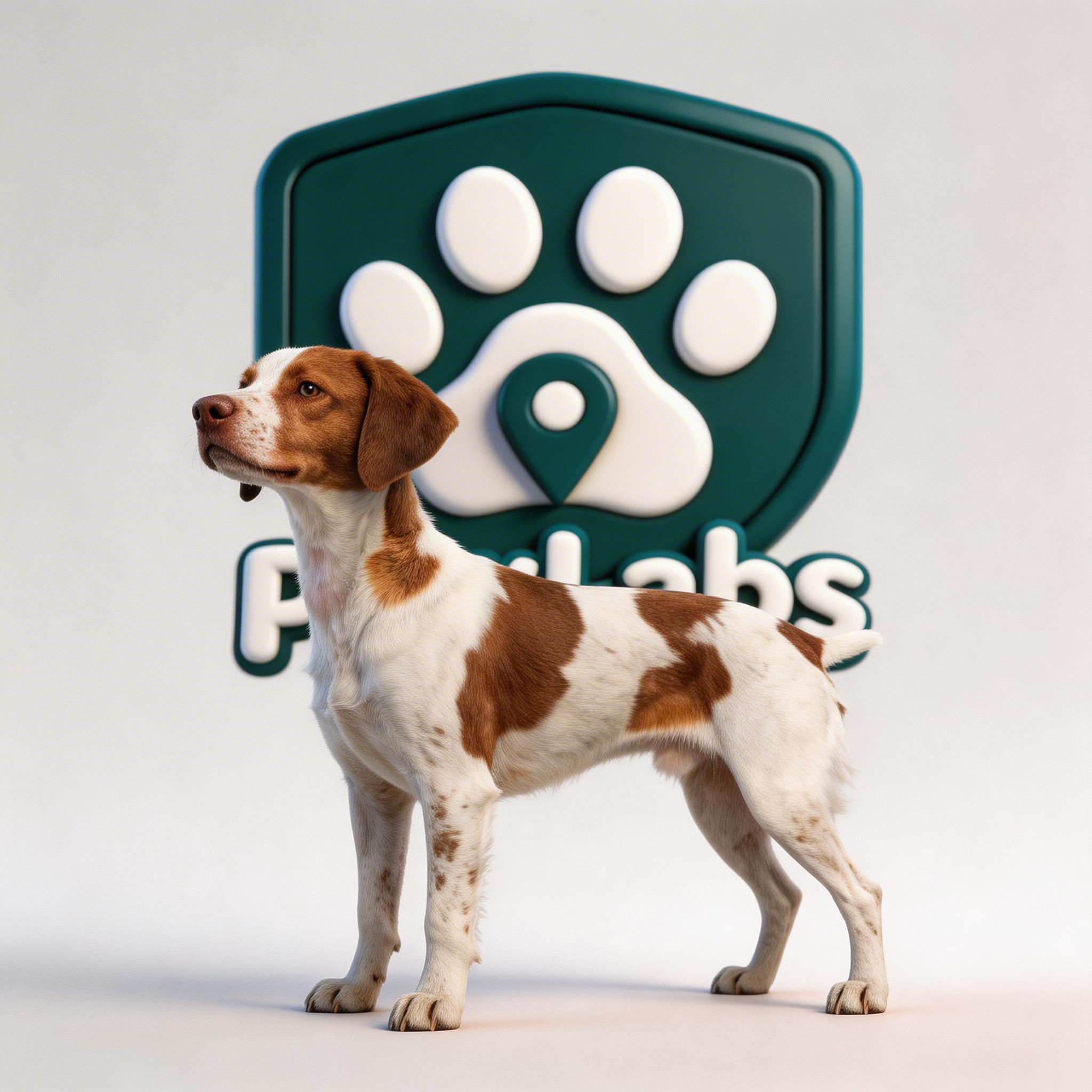
Introduction to the Two Spaniels
The Brittany Spaniel and the Sussex Spaniel both fall under the sporting group and share a medium build, yet they diverge sharply in temperament and daily requirements. Breed standards and owner reports highlight the Brittany as a fast-moving, eager worker originally developed for pointing and retrieving in France, while the Sussex emerged in England as a slower, scent-driven flushing dog built for dense cover. These origins shape every aspect of their lives with owners today.
Energy Levels Compared
A Brittany Spaniel requires at least two hours of vigorous exercise daily or owners report destructive chewing and excessive barking. Its energy rating of 9 reflects consistent accounts of dogs that will circle a yard at top speed and still demand more activity. The Sussex Spaniel, rated at 6, moves at a deliberate pace suited to methodical ground coverage and settles more readily after a moderate walk. In an apartment setting, the Brittany will test walls and furniture without outlets for its drive, whereas the Sussex tolerates indoor confinement better but still needs regular outdoor time to avoid weight gain.
Daily Exercise Scenarios
For a family that runs trails on weekends, the Brittany keeps pace without fatigue. A Sussex will lag behind and prefer shorter loops. Busy professionals who return after eight hours find the Sussex less likely to have shredded cushions, though neither breed tolerates isolation well long-term.
Trainability Head-to-Head
Trainability scores show the Brittany at 8 and the Sussex at 5. The Brittany responds quickly to consistent commands and often masters recall within weeks when positive reinforcement is used. Sussex Spaniels display greater independence and may ignore cues once they catch an interesting scent, requiring repeated sessions and firmer boundaries. First-time owners attempting to teach a Sussex basic manners frequently report slower progress compared with the Brittany, which absorbs structure readily and works well in obedience classes.
Training Challenges in Real Situations
House-training a Brittany proceeds smoothly with crate methods, while a Sussex may need extra patience around door signals. Both breeds benefit from early socialization, but the Sussex tendency toward stubbornness can frustrate novices who expect rapid compliance.
Pet-Friendly Traits
Pet-friendly ratings place the Brittany at 7 and the Sussex at 6. The Brittany generally accepts other dogs after proper introductions and tolerates cats when raised alongside them. The Sussex shows more territorial tendencies toward unfamiliar dogs and may require supervised meetings. Multi-pet households succeed more often with a Brittany that integrates into existing packs without constant monitoring.
Easy Grooming Assessment
Grooming demands rate the Brittany at 5 and the Sussex at 6. The Brittany coat needs brushing every week or two to control loose hair and occasional trimming around ears and feet. The Sussex carries a denser, longer coat that mats faster in wet weather and requires more frequent combing plus professional clipping every six to eight weeks. Owners who dislike grooming routines find the Brittany simpler to maintain at home.
Adaptability Factors
Adaptability scores give the Brittany a 7 and the Sussex a 6. The Brittany adjusts to new environments and travel with fewer signs of stress, fitting suburban homes or occasional city stays. The Sussex prefers predictable routines and may vocalize or pace when schedules shift. Senior owners or those moving frequently report smoother transitions with the Brittany.
How They Stack Up Day-to-Day
Morning routines differ markedly. A Brittany wakes ready to chase a ball before breakfast, while a Sussex accepts a slower start. Evening walks see the Brittany covering extra ground off-leash where permitted, whereas the Sussex stays closer and tires sooner. Feeding amounts stay moderate for both, yet the Sussex gains weight more easily without strict portion control. Noise levels remain comparable with moderate barking in both breeds, though the Brittany alerts more readily to movement outside the home.
The Lifestyle Match
Active households with older children and access to open space match the Brittany best. The breed suits runners, hikers, and owners who can channel its drive into agility or field work. The Sussex fits owners seeking a lower-intensity companion for scent work or quiet companionship, provided they commit to consistent training and coat care. First-time owners succeed more readily with the Brittany. Retirees who prefer shorter outings and tolerate grooming find the Sussex manageable if they avoid long absences. Neither breed suits apartments without daily outdoor commitment, but the Sussex tolerates the arrangement with less fallout.
Our Bottom Line
Prospective owners must weigh daily time investment against desired activity level. The Brittany demands more physical output yet rewards with quicker learning and easier integration. The Sussex offers a steadier presence at the cost of slower training and heavier grooming. Matching these traits to household schedules prevents common mismatches reported across both breeds.