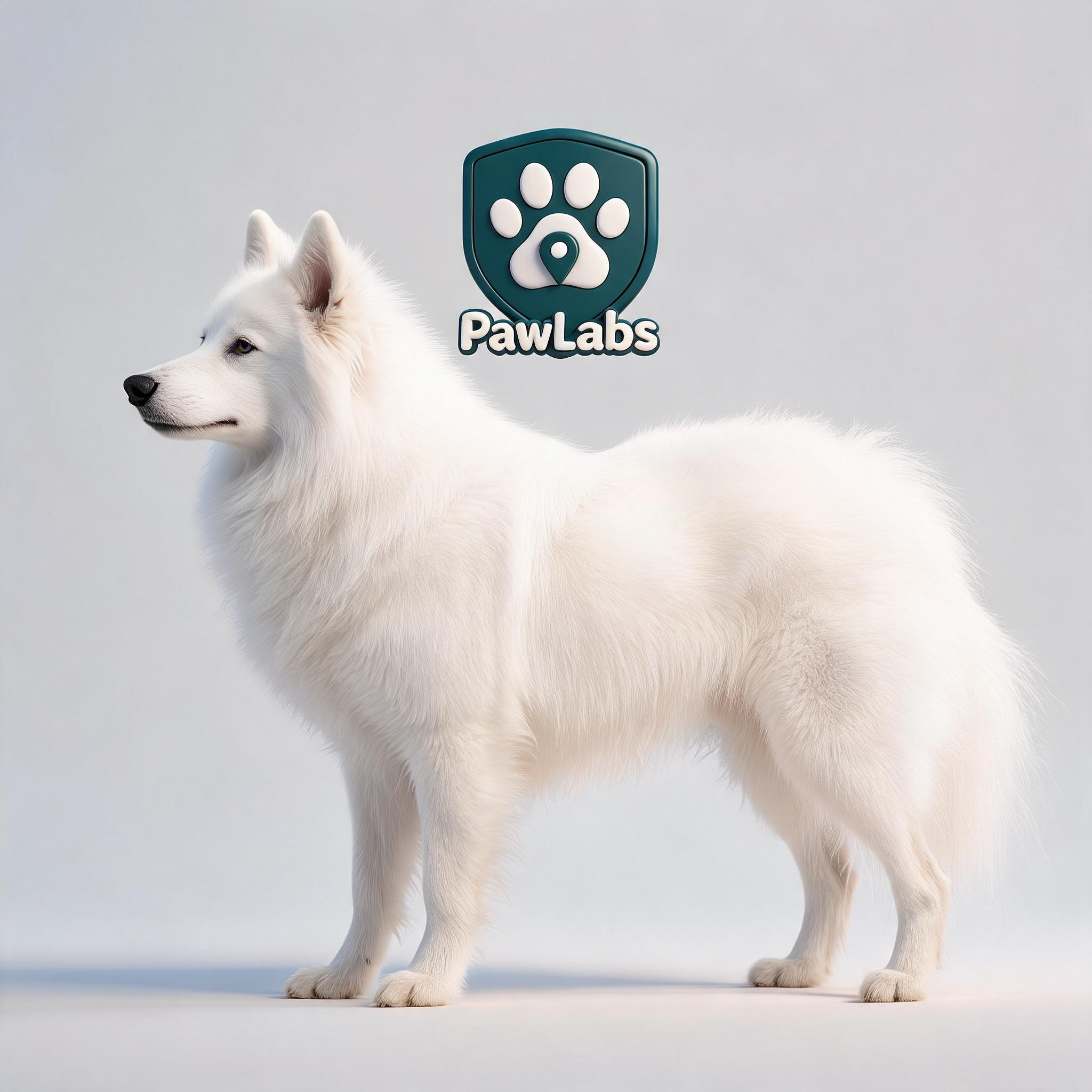
Chinese Shar-Pei vs Keeshond vs American Eskimo Dog
The Chinese Shar-Pei, Keeshond, and American Eskimo Dog are three non-sporting breeds that differ sharply in daily demands. The Shar-Pei rates low on shedding at 3 out of 10, while the Keeshond scores 8 and the American Eskimo Dog scores 7. Trainability stands at 4 for the Shar-Pei, 7 for the Keeshond, and 8 for the American Eskimo Dog. Energy levels register 5, 6, and 8 respectively. Child-friendly scores are 5, 8, and 7, with pet-friendly ratings at 4, 7, and 6.
Low Shedding and Coat Care
The Chinese Shar-Pei produces minimal loose hair due to its short, bristly coat that requires only occasional brushing. Owners report vacuuming once a week at most. The Keeshond carries a dense double coat that releases heavy undercoat twice a year, creating visible drifts of fur on floors and furniture. The American Eskimo Dog sheds steadily at a high rate, demanding weekly brushing and seasonal de-shedding tools to keep white strands off clothing and upholstery. Homes with dark carpets or allergy concerns quickly favor the Shar-Pei over the other two.
Trainability Differences
A Shar-Pei often resists repetition and requires short, consistent sessions to master basic commands; progress can stall if the handler shows inconsistency. The Keeshond responds reliably to positive reinforcement and learns household rules within several weeks when sessions stay under fifteen minutes. The American Eskimo Dog masters tricks and obedience drills rapidly, often completing beginner classes ahead of other breeds because of its eagerness to repeat rewarded behaviors. First-time owners who skip structured classes will notice the Shar-Pei testing boundaries more than the other two.
Energy Levels and Exercise Needs
The American Eskimo Dog requires at least ninety minutes of brisk walking or interactive play daily; without it, indoor pacing and vocal complaints increase. The Keeshond settles after forty-five to sixty minutes of activity and tolerates apartment life better when given puzzle toys. The Shar-Pei meets its needs with a thirty-minute walk plus free yard time and rarely demands extra outlets. Apartments with limited outdoor access therefore suit the Shar-Pei more readily than the high-energy American Eskimo Dog.
Child-Friendly and Pet-Friendly Traits
The Keeshond scores highest with children, tolerating rough play and remaining patient during family activities. The American Eskimo Dog interacts well with older children but may nip at quick movements from toddlers. The Shar-Pei shows reserve around young children and requires supervision to prevent defensive reactions. With other household pets the Keeshond integrates fastest, the American Eskimo Dog needs gradual introductions, and the Shar-Pei often prefers to remain the sole animal.
How They Stack Up Day-to-Day
Morning routines highlight the gaps. An American Eskimo Dog waits at the door for a run before breakfast and may vocalize if delayed. The Keeshond follows calmly after a short yard circuit. The Shar-Pei finishes its walk and returns to a quiet corner without further prompting. Grooming sessions last five minutes for the Shar-Pei, thirty minutes for the American Eskimo Dog during heavy shed, and up to an hour for the Keeshond twice yearly. Evening barking patterns show the American Eskimo Dog alerting to every passing sound, the Keeshond offering moderate warnings, and the Shar-Pei remaining quiet unless a true threat appears. Multi-pet homes see the Keeshond sharing space without conflict, while the Shar-Pei claims territory and needs separation gates.
The Lifestyle Match
The Chinese Shar-Pei fits households that prioritize low maintenance and strong watchdog instincts over constant interaction. It suits experienced owners who accept independent temperament and can manage health screenings for common issues such as entropion and skin folds. The Keeshond matches families with children who can commit to regular brushing and moderate exercise. It adapts to suburban yards and participates in family events without overwhelming energy. The American Eskimo Dog suits active singles or couples who enjoy training sessions and daily outings. It requires space for movement and consistent mental work to prevent boredom-driven barking.
Our Bottom Line
Choosing among these three breeds hinges on tolerance for shedding and the amount of daily structure an owner can provide. The Shar-Pei reduces hair and exercise demands but demands patience during training and limits interactions with children or other pets. The Keeshond offers balanced sociability at the cost of seasonal fur cleanup. The American Eskimo Dog delivers high trainability and alertness but increases both exercise time and grooming frequency. No single breed covers every household scenario.