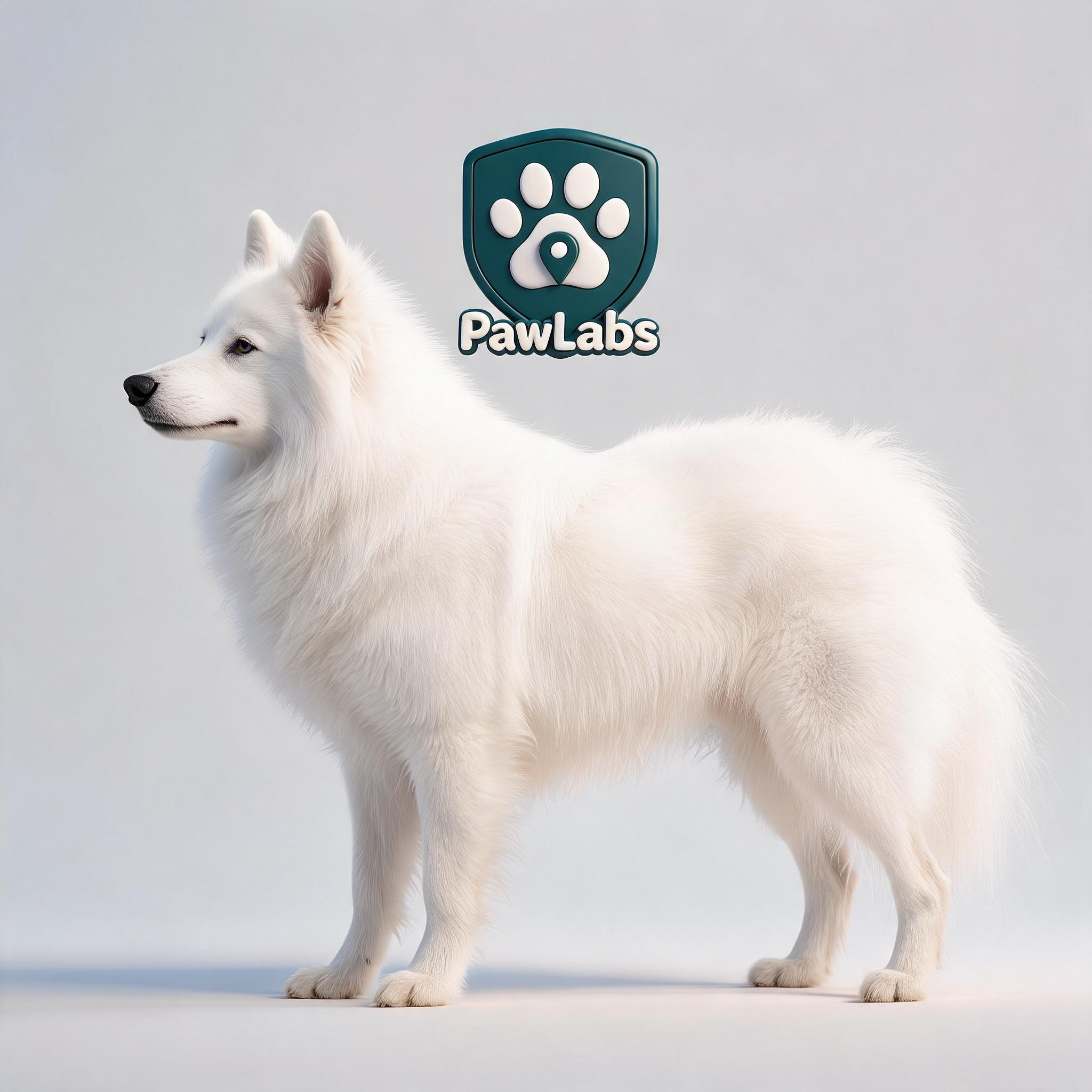
Introduction to the Three Breeds
The Löwchen, Shiba Inu, and American Eskimo Dog are all classified as small non-sporting dogs, yet they differ sharply in coat care, independence, and daily demands. Prospective owners must weigh concrete factors such as how often brushing is required, how much hair lands on furniture, how readily the dog responds to commands, how alert it stays to strangers, and how safely it interacts with children.
Easy Grooming and Coat Maintenance
Grooming frequency separates these breeds immediately. The Löwchen carries a grooming rating of 8, which translates to regular clipping and combing several times each week to maintain its traditional lion cut and prevent matting in the longer body hair. Owners will find themselves scheduling monthly professional trims plus daily checks around the ears and legs. The American Eskimo Dog scores 7 and requires thorough brushing two to three times weekly to keep its double coat free of tangles, especially during seasonal blows. The Shiba Inu rates only 3 for grooming, needing little more than occasional brushing and rare baths because its harsh outer coat resists mats naturally.
Low Shedding Expectations
Shedding patterns affect furniture and allergies more than any other trait. The Löwchen earns a shedding score of 3, releasing minimal hair year-round and making it the clearest choice for homes that prioritize clean floors. Both the Shiba Inu and American Eskimo Dog score 7, meaning heavy seasonal shedding twice a year plus moderate daily loss. You will vacuum weekly and lint-roll upholstery regularly with either of the latter two; the Löwchen simply does not produce comparable volume.
Trainability Differences
Trainability determines how quickly a new owner can establish house rules. The American Eskimo Dog rates 8 and typically learns basic obedience commands within a few weeks when sessions stay short and reward-based. The Löwchen scores 7 and responds well to consistent positive reinforcement, though it may test boundaries if training lapses. The Shiba Inu rates only 4 and is known for selective hearing once it decides a command does not suit its agenda. Owners report needing months of patient, firm repetition and even then results remain inconsistent compared with the other two breeds.
Watchdog Ability
Alertness to visitors and unusual sounds varies widely. The Shiba Inu scores 8 and will bark promptly at strangers or odd noises, functioning as an effective early-warning system in apartments or homes. The American Eskimo Dog rates 7 and issues clear vocal alerts without excessive volume. The Löwchen scores 5 and tends to observe rather than announce, making it less suitable if a primary goal is intruder notification.
Child-Friendly Interactions
Compatibility with children depends on patience and tolerance for rough handling. The Löwchen rates 8 and generally tolerates gentle play from older children while remaining small enough to avoid accidental injury. The American Eskimo Dog scores 7 and enjoys family activity provided children learn to respect its energy level. The Shiba Inu rates 5 and often prefers distance from young children; its independent streak and low tolerance for grabbing can lead to avoidance or snapping when play becomes too direct.
How They Stack Up Day-to-Day
Daily life with these dogs reveals practical contrasts. A Löwchen needs moderate exercise of 30 to 45 minutes daily, fits easily into apartment routines, and demands the most grooming time in exchange for low shedding. A Shiba Inu requires similar exercise but resists leash training and may ignore recall, while its coat sheds noticeably in spring and fall. An American Eskimo Dog wants closer to an hour of activity and will alert to every delivery driver, yet its trainability makes it the quickest to master apartment manners. Owners who work from home can manage the grooming demands of a Löwchen or American Eskimo Dog; those away for long stretches may struggle with the Shiba Inu’s independent tendencies that lead to destructive chewing when bored.
The Lifestyle Match
The Löwchen suits first-time owners or seniors who value low shedding and moderate affection levels yet can commit to coat maintenance. It adapts well to varied living spaces and handles occasional child visitors without issue. The Shiba Inu fits experienced adults without young children who want a compact watchdog that needs minimal grooming but accepts limited trainability. The American Eskimo Dog matches active households with older children who prioritize quick learning and higher energy output, provided they accept regular brushing and seasonal shedding. None of the three tolerate nine-hour workdays without a midday walk or enrichment plan.
Our Bottom Line
Each breed carries clear trade-offs between coat care, independence, and family compatibility. The Löwchen minimizes shedding at the cost of grooming sessions. The Shiba Inu offers strong watchdog instincts and low maintenance fur but resists training and child interactions. The American Eskimo Dog delivers the highest trainability and energy yet requires consistent brushing and produces noticeable hair. Matching these realities to household routines determines the better long-term fit.