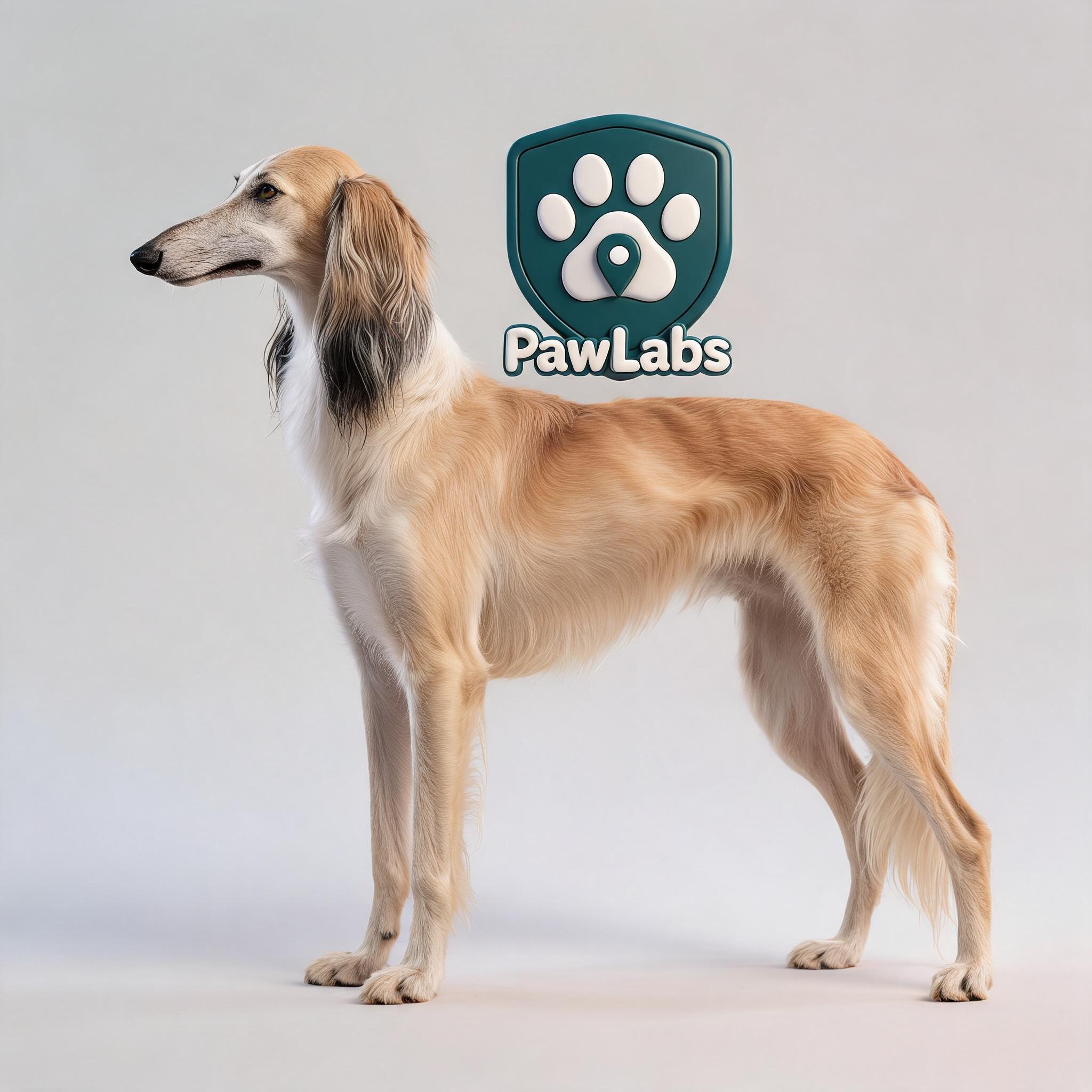
Azawakh
A sleek, aloof sighthound with unmatched speed and fierce loyalty.
Original Role: Hunting and guarding
💪 Strengths
- + Exceptional speed and agility
- + Deep loyalty to family
- + Low grooming needs
⚠️ Weaknesses
- − Reserved with strangers
- − High prey drive
- − Not suited for cold climates
⚡ Quick answers
- Sheds
- Lightly, minimal dander
- Hypoallergenic
- No — low-shed coat
- Barks
- Rarely, low tendency
- Size
- 37–55 lb, large
- Lifespan
- 12–15 years
📜 Breed History
The Azawakh hails from the Sahel region of West Africa, spanning Mali, Niger, and Burkina Faso, where it has been a companion to nomadic Tuareg tribes for centuries. Originally bred as a sighthound for hunting gazelles and other swift prey across the harsh desert landscape, the Azawakh also served as a guard dog, protecting livestock and encampments from intruders. Their name is believed to come from the Azawagh Valley in Niger, a testament to their deep roots in the region. These dogs were not just tools but cherished family members, often sleeping in tents alongside their owners to stay warm during frigid desert nights.
Built for endurance and speed, the Azawakh’s lean, almost skeletal frame belies its strength and resilience. Their development was shaped by the brutal environment—only the toughest survived the scarcity of food and extreme temperatures. They remained largely unknown outside Africa until the 1970s when French enthusiasts brought them to Europe. Recognized by the American Kennel Club in 2019, the Azawakh is still a rare breed, with a small but dedicated following. Their history as independent hunters and protectors shines through in their temperament today, a blend of aloofness and fierce devotion.
The Azawakh: A Desert Warrior with a Guarded Heart
The Azawakh is not your average dog. They’re a living piece of the Sahara, a sighthound so finely tuned for speed and survival that they seem almost otherworldly. Their piercing gaze and statuesque frame can stop you in your tracks, but beneath that regal exterior is a complex personality—fiercely loyal to their family yet deeply suspicious of the outside world. They’re not cuddly lap dogs; they’re desert warriors. If you’re drawn to rare breeds with a raw, primal edge, the Azawakh might steal your heart—but only if you’re ready for the challenge.
Temperament & Personality
Living with an Azawakh feels like sharing your home with a noble but wary guest. They bond intensely with their family, often picking one person as their primary human. They can shadow their owner from room to room, not out of neediness, but out of a quiet, protective instinct. With strangers, though? Forget it. They’re aloof at best, sometimes outright standoffish. That reserve isn’t aggression—it’s just their nature. They’re not here to please everyone. Around kids, they can be gentle but not overly patient; they’ll tolerate a toddler’s clumsy pats, but they’d rather not be poked and prodded. Their independence means they don’t beg for attention, but when they choose to lean against your leg, it’s a profound gesture of trust.
Exercise & Activity Needs
Azawakhs were built to chase prey across endless desert expanses, so don’t expect them to be content with a quick walk around the block. They need serious exercise—think an hour or more daily of running, not just strolling. A bored Azawakh will find ways to entertain itself, often by chasing anything that moves—cats, birds, even leaves blowing in the wind. If you don’t have a secure yard or access to open spaces, this breed will frustrate you. They’re not hyper indoors if exercised properly, but skimp on their activity, and you’ll have a restless, destructive hound on your hands. Mental stimulation matters too; puzzle toys or scent games can help tire out their sharp minds.
Training & Intelligence
Training an Azawakh is not for the faint of heart. They’re intelligent, no doubt—they can figure out how to open gates or spot a rabbit from a hundred yards away. But they’re also independent to a fault. They weren’t bred to follow commands mindlessly; they were bred to think for themselves while hunting in the desert. Treats and praise help, but only to a point. You need patience and consistency, and even then, they might decide your request isn’t worth their effort. Early socialization is critical because of their natural wariness; without it, they can become overly protective or shy. They’re not impossible to train, but they’ll never be as eager to please as a Labrador.
Health & Lifespan
Azawakhs are generally hardy, a trait forged by their tough desert origins. They often live 12 to 15 years, which is impressive for a large breed. But they’re not without health concerns. Hypothyroidism can affect Azawakhs, a condition that can sap their energy and require lifelong medication. Bloat is another worry—those deep, narrow chests make them prone to this life-threatening issue, so feeding smaller meals and avoiding exercise right after eating is a must. Some lines also show sensitivity to anesthesia, something to discuss with your vet before any surgery. Hip dysplasia isn’t as common as in other large breeds, but it’s still a risk. Regular checkups and a good relationship with a vet familiar with sighthounds can save you a lot of heartache. Expect moderate vet costs unless a major issue crops up.
Grooming & Maintenance
If you’re looking for a low-maintenance coat, the Azawakh delivers. Their short, smooth fur needs little more than a quick brush once a week to keep it sleek and remove loose hair. Bathing? Only when they roll in something nasty—otherwise, their coat stays clean naturally. Shedding is minimal, though you’ll notice a bit more during seasonal changes. Their nails grow fast, though, especially if they’re not running on hard surfaces, so keep a trimmer handy or budget for regular grooming visits. Check their ears weekly for wax buildup, as their upright shape can trap debris. Grooming an Azawakh is a breeze compared to most breeds.
Diet & Nutrition
Feeding an Azawakh requires some thought because of their lean build and high energy. They don’t need massive portions—quality over quantity is the key. Feed adult Azawakhs about 2 to 3 cups of high-protein, grain-free kibble daily, split into two meals to reduce bloat risk. Some owners swear by raw diets, mimicking the sparse, meat-heavy meals their ancestors scavenged in the desert. Watch their weight closely; you should always see a hint of ribcage—if they start looking chunky, cut back. They’re not prone to food allergies, but they can be picky eaters, turning up their noses at anything that doesn’t smell right. Fresh water is non-negotiable, especially after exercise, as they dehydrate quickly in hot weather. Stick to a consistent feeding schedule, and don’t overdo treats.
Living Conditions
Azawakhs are not apartment dogs. Their need for space to run and their watchful nature mean they do best in a home with a large, securely fenced yard. An Azawakh can leap a low fence without a second thought, so height and strength in your barriers are non-negotiable. They’re sensitive to cold—those thin coats and minimal body fat offer little insulation. Hot climates suit them better, though they’ll need shade and water to avoid overheating. Indoors, they’re quiet and undemanding if exercised, often curling up on a soft bed or couch (if you allow it). They’re not destructive unless bored, but they do like to keep an eye on their territory, often perching near windows.
Who Should Get This Breed
The ideal Azawakh owner is someone who appreciates a dog with a strong personality and isn’t looking for a clingy companion. If you’re an active person with access to wide-open spaces—think rural living or a big, fenced property—this breed could be your perfect match. Some runners and hikers adore their Azawakhs as exercise partners; these dogs will keep up with you effortlessly. You should also be comfortable with a dog that’s more of a partner than a pet, one that respects you but doesn’t fawn over you. Experience with sighthounds or independent breeds helps, as does a quiet household without constant visitors. If you value loyalty and a unique bond over easy obedience, the Azawakh might just be your kind of dog.
Who Should NOT Get This Breed
If you’re a first-time dog owner, live in a small apartment, or crave a dog that loves everyone, steer clear of the Azawakh. They’re not forgiving of rookie mistakes, and their exercise needs will overwhelm you if you can’t commit to daily runs. Families with very young kids or lots of other pets might also struggle—their prey drive can make them a poor match for cats or small dogs, and they’re not patient enough for toddler antics. If you live in a cold climate and aren’t prepared to invest in protective gear, or if you want a dog that’s instantly friendly and trainable, this breed will test your limits. Look elsewhere for an easier companion.
❓ Azawakh FAQs
The questions people ask most about the Azawakh, answered specifically. Hypoallergenic dogs, explained
Is the Azawakh good with children?
Azawakhs are moderately child-friendly. Their aloof and independent nature combined with a lean build suited to desert hunting means they tolerate gentle interaction but lack patience for rough play or prodding from toddlers. Living with them requires children who respect the dog's need for space and quiet loyalty rather than constant engagement.
Does the Azawakh get along with other pets?
Azawakhs do not get along reliably with other pets. Bred as sighthounds for hunting gazelles across the Sahel their high prey drive leads them to chase smaller animals while their reserved temperament can create tension with unfamiliar dogs. Families must manage this carefully to avoid pursuit or standoffs in the home.
How much exercise does the Azawakh need?
Azawakhs need at least one hour of running exercise daily. Their exceptional speed and agility developed for chasing swift prey in West African deserts mean a short walk leaves them restless and prone to destructive chasing of anything that moves. Secure open spaces for sprinting suit their build and satisfy their independent hunting instincts.
Does the Azawakh shed a lot?
No — Azawakhs shed lightly year-round. Their short smooth single coat from the harsh Sahel region produces minimal loose hair that does not mat or tangle yet still requires occasional wiping to keep the sleek surface clean. This low-maintenance coat aligns with their overall low grooming needs and desert-adapted resilience.
Is the Azawakh hypoallergenic?
The Azawakh has a short smooth coat that produces little dander and sheds at a low level, keeping the house relatively free of loose hair. Its minimal grooming needs and sleek build mean it does not trap dirt or pollen the way longer-coated breeds do. No breed is genuinely hypoallergenic, and the Azawakh is not among those usually suggested to allergy sufferers.
Is the Azawakh easy to train?
Azawakhs are not easy to train. Their independent nature and history as autonomous hunters and guards for nomadic Tuareg tribes reduce biddability so they respond best to short sessions that respect their intelligence rather than repetitive commands. This aloofness demands patient owners who work with the dog's loyalty instead of expecting eager compliance.
What is the average lifespan of the Azawakh?
Azawakhs live 12-15 years. Their lean skeletal frame and health robustness shaped by centuries of survival in the extreme temperatures and food scarcity of the Sahel support this range without the heavy build that strains other large hounds. The breed's resilience from desert selection contributes to their hardy constitution indoors.
How big does the Azawakh get?
Azawakhs reach 37-55 lb and stand 24-29 in tall. Their statuesque yet almost skeletal build with long legs and minimal body fat feels lightweight and elegant to live with despite the height making them imposing sentinels in a home. This proportion reflects their origins chasing prey across open desert landscapes.
Does the Azawakh bark a lot?
Azawakhs do not bark much. Their history as guard dogs protecting Tuareg encampments in West Africa makes them quiet sentinels that alert only when necessary rather than voicing frequent noise. This reserved trait matches their aloof temperament and keeps them relatively silent once their loyalty is engaged.
Is the Azawakh suited to apartment living?
Azawakhs are not suited to apartment living. Their high energy and need for sprinting exercise combined with an independent streak that leads to restlessness indoors when under-stimulated outweigh any advantage from their quiet nature or short coat. Without daily access to secure open space they become frustrated.
Is the Azawakh a good choice for first-time owners?
Azawakhs are not a good first dog. Their aloofness with strangers and strong independent drive rooted in centuries as Tuareg hunting and guarding companions create specific demands for experienced handling that novices often misread as disinterest or stubbornness. The breed's raw primal edge requires understanding of sighthound instincts.
Written and reviewed by PawLabs Editorial Team
We build PawLabs from published kennel club breed standards and veterinary reference sources. Profiles are drafted with AI assistance against that source data, then reviewed and corrected by a person before anything is published. We say so because you should know how the thing you're reading was made. How we research breeds · Report a correction
Note: Breed profiles are general reference, not veterinary advice. For anything concerning your own animal, talk to a vet who can examine them.