Sloughi
A sleek, reserved hound with unmatched speed and quiet dignity.
Original Role: Hunting gazelle and other game in desert terrain
💪 Strengths
- + Exceptional speed and agility for sighthound activities
⚠️ Weaknesses
- − Aloofness with strangers and difficulty adapting to new environments
📜 Breed History
The Sloughi, often called the 'Arabian Greyhound,' hails from the vast deserts of North Africa, primarily in Morocco, Algeria, Tunisia, and Libya. This ancient sighthound has been a companion to Berber and Bedouin nomads for centuries, prized for its ability to hunt gazelle, hare, and other swift game across harsh, arid landscapes. Their origins are murky, likely dating back thousands of years, with depictions of similar lean, long-legged hounds found in ancient Egyptian art. The Sloughi was not just a hunter but a status symbol, often treated as a family member, sleeping in tents alongside their owners to stay warm during cold desert nights.
Bred for speed and endurance, the Sloughi’s lean physique and keen eyesight made it a master of the chase, capable of outrunning prey over long distances. Unlike many Western breeds, they were never bred for companionship alone, which explains their reserved, almost aloof nature. They arrived in Europe in the late 19th and early 20th centuries, but remained rare, with numbers dwindling during World War II due to the upheaval in North Africa. Dedicated breeders in France and the Netherlands worked to preserve the breed, and the American Kennel Club finally recognized the Sloughi in 2016, placing it in the Hound Group. Today, they remain a niche breed, cherished by those who appreciate their quiet elegance and raw athleticism, though their population outside North Africa is still small.
The Sloughi: A Desert Phantom with a Quiet Soul
I’ve spent enough time around Sloughis to know they’re not your typical dog. They’re not bounding over to greet you with a wagging tail or begging for belly rubs. No, this North African sighthound carries itself with a kind of silent nobility, like it knows it was bred for something greater than fetching a ball. I’ve watched them stand motionless on a ridge, eyes locked on the horizon, as if they can still see the gazelles their ancestors chased across the Sahara. They’re beautiful, yes, with their sleek lines and soulful expressions, but they’re also a challenge. If you’re expecting a cuddly lapdog, you’re in for a surprise. This is a breed that demands respect, space, and an owner who understands their deep-rooted independence.
Temperament & Personality
Living with a Sloughi feels like sharing your home with a quiet, thoughtful roommate. They’re not overly affectionate, but when they choose to lean against your leg or rest their head on your lap, it’s a moment of profound connection. I’ve seen them bond deeply with one or two people, often ignoring everyone else. They’re loyal, but it’s a subtle loyalty—don’t expect dramatic displays. With strangers, they’re aloof at best, sometimes outright wary. I once brought a friend over, and my Sloughi just stared from the corner, unblinking, for a solid ten minutes before deciding it wasn’t worth the effort to investigate.
They’re sensitive, too, picking up on your mood in a way that’s almost eerie. If you’re stressed, they might retreat to a quiet spot, as if giving you space to sort yourself out. And while they’re not prone to mischief, they have a stubborn streak. I’ve had a Sloughi completely ignore me when I called it back during a walk, not out of defiance, but because it simply had other priorities—like scanning for imaginary prey.
Exercise & Activity Needs
Don’t let their calm demeanor indoors fool you. Sloughis are built for speed, and they need outlets for that energy. I’m talking about at least an hour of exercise daily, ideally in a large, securely fenced area where they can sprint. I’ve taken mine to open fields, and the way they explode into a full gallop is breathtaking—pure poetry in motion. But here’s the catch: they’re not endurance runners like a Husky. They’re sprinters, so short, intense bursts of activity followed by long naps are their rhythm.
If you don’t provide that release, they can get restless. I’ve seen a bored Sloughi pace endlessly or fixate on small animals outside the window, trembling with pent-up instinct. Lure coursing is a godsend for this breed if you can find a local club. Without enough exercise, though, they won’t destroy your house—they’re too dignified for that—but they’ll quietly let you know they’re unhappy.
Training & Intelligence
Training a Sloughi is an exercise in patience. They’re intelligent, no question, but they’re not eager to please like a Labrador. Their independence, honed by centuries of hunting without human direction, means they often look at you as if to say, 'Why should I?' I’ve spent hours trying to teach basic commands, only to have them comply on their own terms, days later, as if it was their idea all along. Positive reinforcement works best—treats, praise, gentle encouragement—but harsh methods will shut them down completely. They’re sensitive souls under that stoic exterior.
Recall is a particular challenge. Their prey drive is strong, and if they spot something moving, good luck getting them back before they’ve investigated. I’ve had heart-stopping moments when mine took off after a squirrel, oblivious to my calls. Start training early, and don’t expect miracles. They’re wired to think for themselves.
Health & Lifespan
Sloughis are generally hardy, thanks to their origins in a tough desert environment. They often live 12 to 15 years, which is impressive for a large breed. But they’re not without health concerns. Like many sighthounds, they can be prone to bloat, a life-threatening condition where the stomach twists. I’ve known owners who feed smaller, frequent meals and avoid exercise right after eating to minimize the risk. They can also have issues with anesthesia sensitivity—something to discuss with your vet before any surgery. Hip dysplasia isn’t as common as in some breeds, but it’s still a possibility, so regular checkups are wise.
Another thing I’ve noticed is their susceptibility to cold. That thin coat offers no protection, so in winter, they’ll need a dog sweater or jacket. Vet costs can add up if you’re not proactive about preventative care, but compared to some breeds with chronic issues, they’re relatively low-maintenance health-wise if you keep them active and lean.
Grooming & Maintenance
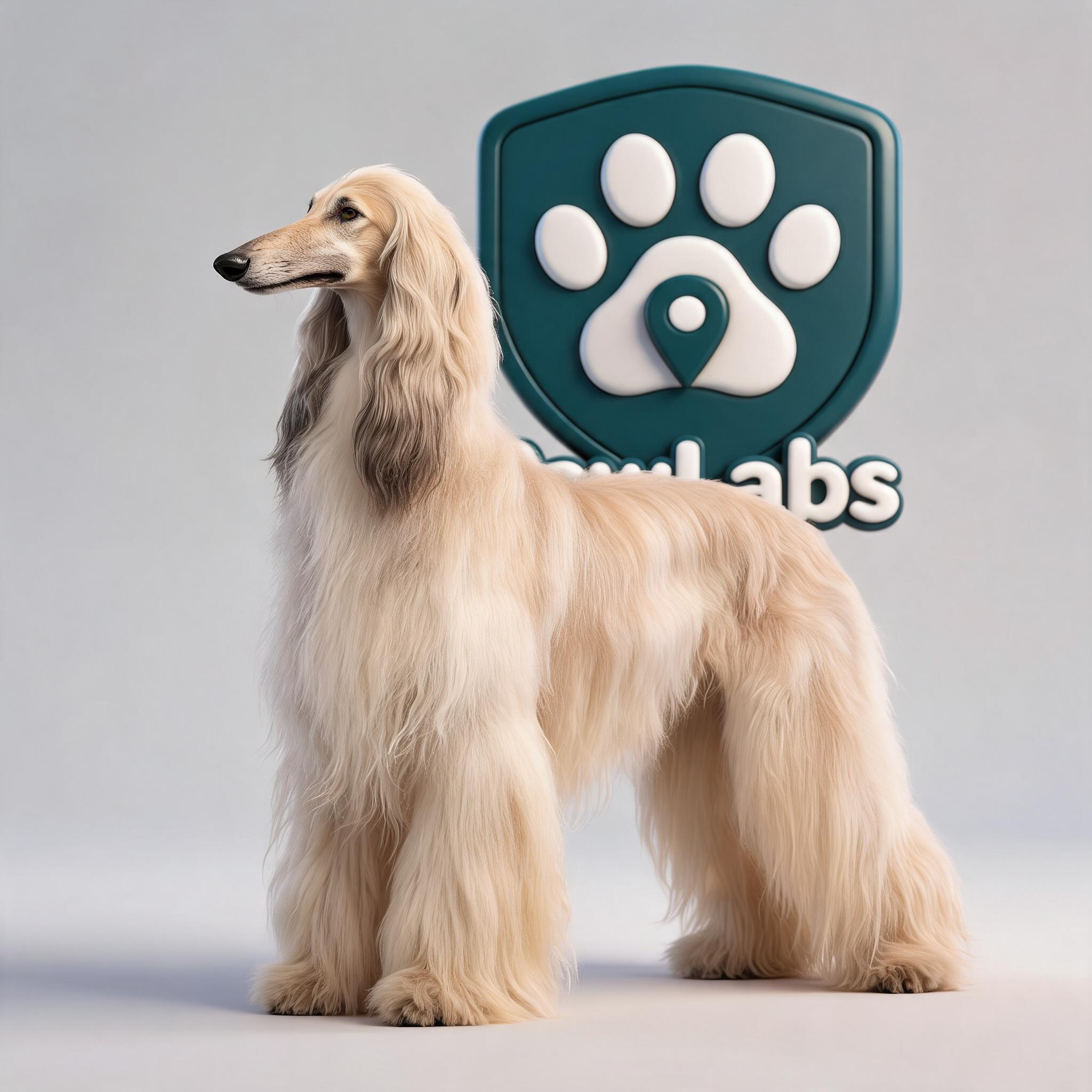
If you’re looking for a low-effort grooming routine, the Sloughi delivers. Their short, smooth coat needs little more than a weekly brush with a soft bristle brush or a grooming glove to keep it shiny and remove loose hair. Shedding is minimal, which is a relief—I’ve never had to vacuum fur off my couch daily like I have with other breeds. Baths are rare; they’re naturally clean dogs with no strong odor unless they’ve rolled in something unsavory during a run.
That said, their thin skin can be prone to scrapes or cuts, especially if they’re running through rough terrain. I’ve had to keep a first-aid kit handy for minor injuries after off-leash adventures. Check their ears weekly for dirt or wax buildup, and trim their nails regularly—they grow fast with all that running.
Diet & Nutrition
Feeding a Sloughi is straightforward, but their lean build means you can’t let them pack on extra weight. I’ve always stuck to a high-quality dry kibble designed for active breeds, with a focus on protein to support their muscle mass. Two meals a day, portioned carefully, work best—usually around 2 to 3 cups total, depending on their size and activity level. They’re not prone to overeating, which is a plus, but some can be picky. I’ve had to mix in a bit of wet food or cooked chicken to entice a finicky eater.
Keep an eye on their weight; you should always be able to see a defined waist and feel their ribs with a light touch. Obesity can strain their joints and sap their speed, which is heartbreaking for a breed so tied to athleticism. Fresh water is non-negotiable, especially after exercise—they dehydrate quickly.
Living Conditions
Sloughis can adapt to various living situations, but they’re not ideal for small apartments unless you’re committed to daily outdoor sprints. They need space to stretch their legs, so a house with a fenced yard is better. That fence needs to be high and secure—I’ve seen a Sloughi clear a low barrier without breaking stride when something caught its eye. They’re not built for extreme cold; their thin coat leaves them shivering in harsh winters, so if you’re in a snowy area, plan to bundle them up or limit outdoor time.
They’re quiet indoors, often curling up in a sunny spot or on a soft bed, but they don’t handle being left alone for long stretches well. I’ve come home to a Sloughi who’d rearranged blankets into a nest out of sheer boredom. They’re better suited to homes where someone is around most of the time.
Who Should Get This Breed
If you’re an active person who loves the outdoors and has a deep appreciation for a dog that’s more partner than pet, the Sloughi might be your match. They’re perfect for runners or hikers who want a companion that can keep up on long treks, then crash quietly at home. I’ve met owners who participate in lure coursing or other sighthound sports, and their Sloughis thrive in those environments, their hunting instincts channeled into something productive. If you’re patient, willing to earn their trust, and value a dog with a subtle, understated bond, this breed can be incredibly rewarding.
Who Should NOT Get This Breed
If you’re looking for a dog that’s instantly affectionate, eager to please, or great with a revolving door of guests, look elsewhere. Sloughis aren’t for first-time owners who might struggle with their independence or lack of immediate warmth. Families with young, boisterous kids might find them too reserved or easily overwhelmed—they’re not the rough-and-tumble type. And if you can’t commit to regular, vigorous exercise or live in a tiny space with no access to safe running areas, this breed will be miserable. I’ve seen mismatched owners grow frustrated with a Sloughi’s aloofness, not realizing it’s just their nature, not a personal slight. Be honest with yourself about what you can offer before bringing one home.
❓ Sloughi FAQs
The questions people ask most, answered from this breed's trait scores.
Is the Sloughi good with children?
The Sloughi scores 5/10 for child-friendliness, making it usually fine with children who have been taught to handle a dog respectfully. That score reflects the breed's typical temperament, not any individual animal — early socialisation and how the dog was raised matter just as much. Supervise interactions with toddlers whatever the breed.
Does the Sloughi get along with other pets?
Scoring 4/10 for pet-friendliness, the Sloughi is prone to friction with other animals, and needs careful, slow introductions. Prey drive matters here as well as sociability: breeds built to chase can live happily with a household cat they grew up with and still pursue an unfamiliar one.
How much exercise does the Sloughi need?
The Sloughi rates 7/10 for energy and needs at least an hour to 90 minutes a day, and it should be real exercise rather than a stroll. Under-exercised, this is a breed that finds its own entertainment — usually at the expense of your furniture. The breed was originally developed for hunting gazelle and other game in desert terrain, which is where that requirement comes from.
Does the Sloughi shed a lot?
At 3/10 for shedding, the Sloughi sheds lightly. It has a short smooth coat. Worth knowing: low shedding is not the same as hypoallergenic — most people react to proteins in dander and saliva, not to hair itself, so no breed is genuinely allergy-free.
Is the Sloughi easy to train?
The Sloughi scores 4/10 for trainability, making it independent-minded and slow to comply, which takes patience. It scores 6/10 for intelligence — worth separating from trainability, because a clever breed that has decided not to listen is harder work than a simpler one that wants to.
What is the average lifespan of the Sloughi?
The Sloughi typically lives 12–15 years. We rate the breed 7/10 for general health robustness. Individual lifespan depends heavily on genetics, weight management and veterinary care.
How big does the Sloughi get?
A full-grown Sloughi usually weighs 35–50 lbs and stands roughly 24–29 inches at the shoulder. That places it in the large size band. Males generally sit at the upper end of both ranges.
Does the Sloughi bark a lot?
Rated 2/10 for barking, the Sloughi is notably quiet. Training and adequate exercise both reduce nuisance barking, but they will not turn a naturally vocal breed into a silent one.
Is the Sloughi suited to apartment living?
The Sloughi is a difficult fit for apartment living. It scores 4/10 for adaptability, 7/10 for energy and 2/10 for barking — the three traits that decide this. Floor space matters far less than whether the breed can settle indoors and stay quiet while you are out.
Is the Sloughi a good choice for first-time owners?
On balance the Sloughi is better suited to someone who has raised a dog before, based on its trainability (4/10), adaptability (4/10) and energy level (7/10). The most common reason a first dog does not work out is a mismatch between the breed's daily needs and the owner's actual routine, rather than anything about the breed itself.
Written and reviewed by PawLabs Editorial Team
We build PawLabs from published kennel club breed standards and veterinary reference sources. Profiles are drafted with AI assistance against that source data, then reviewed and corrected by a person before anything is published. We say so because you should know how the thing you're reading was made. How we research breeds · Report a correction
Note: Breed profiles are general reference, not veterinary advice. For anything concerning your own animal, talk to a vet who can examine them.