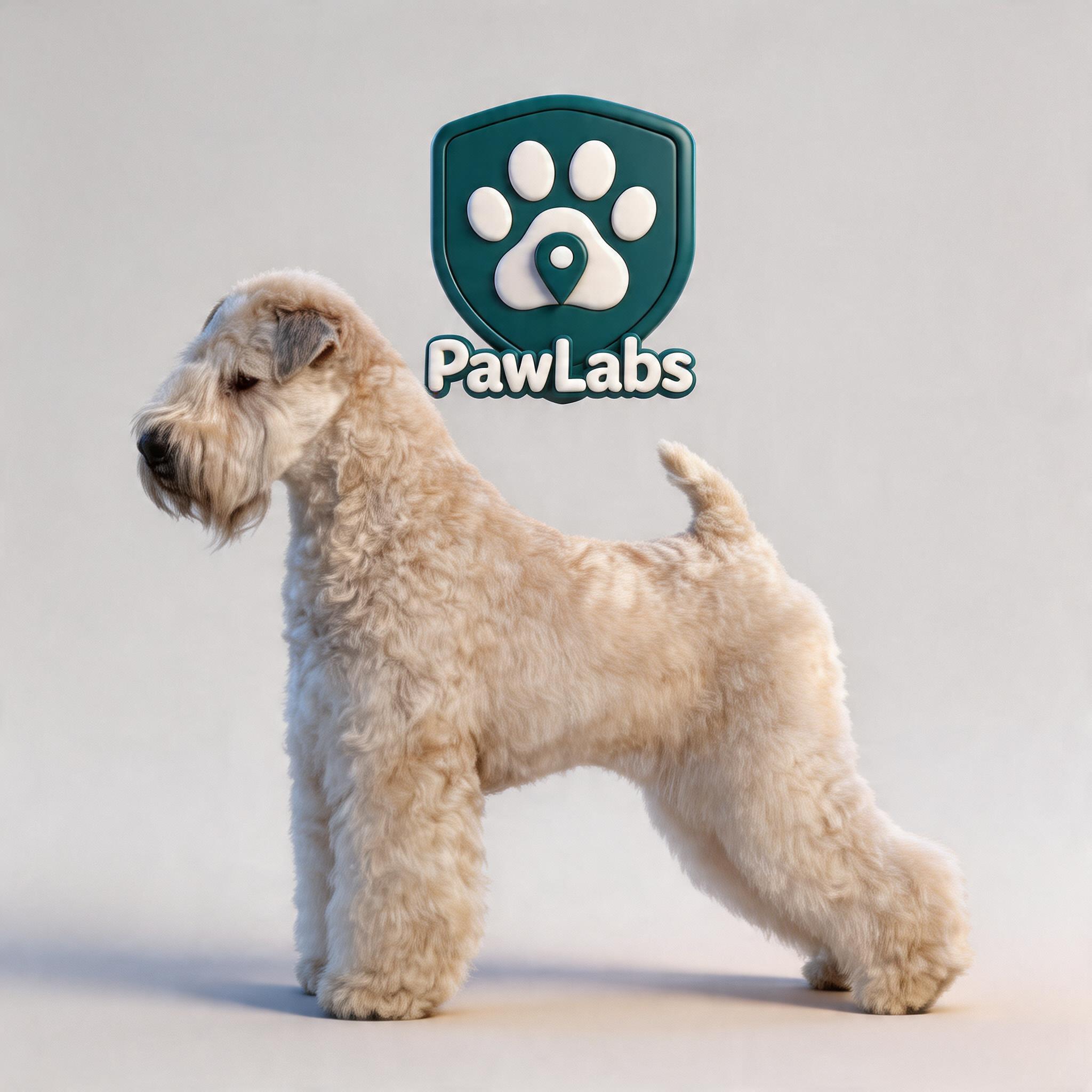
Soft Coated Wheaten Terrier
A spirited, affectionate terrier with boundless energy and a silky coat.
Original Role: Vermin hunting and farm dog
💪 Strengths
- + Loyal and affectionate with family
- + Adaptable to various activities
⚠️ Weaknesses
- − Can be stubborn during training
- − High energy requires consistent exercise
⚡ Quick answers
- Sheds
- Lightly, minimal dander
- Hypoallergenic
- Often suggested, not truly
- Size
- 30–40 lb, medium
- Lifespan
- 12–15 years
📜 Breed History
The Soft Coated Wheaten Terrier hails from Ireland, where it emerged over 200 years ago as a versatile farm dog. Originally bred by rural farmers, this breed was the go-to for hunting vermin, guarding livestock, and even helping with herding. Unlike the more specialized terriers of the time, the Wheaten was a jack-of-all-trades, often referred to as the 'poor man’s wolfhound' because of its accessibility to common folk who couldn’t afford larger, more prestigious breeds. Its soft, silky coat—unique among terriers—likely developed as a natural adaptation to the damp, rugged Irish countryside, offering protection without the harshness of a wire coat.
The breed’s history is tied to the Kerry Blue Terrier and Irish Terrier, with speculation that all three share common ancestry. Wheatens weren’t officially recognized until the 1930s, when the Irish Kennel Club accepted them, followed by the American Kennel Club in 1973. This breed stayed under the radar for so long, preserving its working-class grit while gaining a reputation for charm. Today, they’re still less common than other terriers, but their friendly nature and distinctive look have earned them a devoted following. Their journey from farmyards to family homes speaks to their adaptability, though they’ve never lost that scrappy, independent streak that made them such effective hunters.
A Lively Irish Companion with a Mind of Its Own
These medium-sized dogs from Ireland carry the classic terrier spunk, but with a softer edge—both in their fur and their hearts. They’re affectionate and endlessly entertaining, but they’ve got a stubborn streak that’ll test your patience if you’re not prepared. This isn’t a breed for the faint of heart or the couch potato. They demand engagement, whether it’s a game of fetch or just following you around the house to see what trouble they can stir up. If you’re looking for a dog that’s equal parts buddy and challenge, the Wheaten might just steal your heart.
Temperament & Personality
Living with a Wheaten means embracing a dog that’s bursting with personality. They’re friendly to a fault, often greeting strangers with a wagging tail and a curious sniff—though they can get a bit wary if someone’s energy feels off. With family, they’re deeply loyal, shadowing you from room to room. They’re playful too, always up for a romp, and they can turn a simple stick into an hour-long adventure. But that terrier independence shines through. They’ll ignore your calls if something more interesting—like a squirrel—catches their eye. And don’t be surprised if they test boundaries; they’ve got a knack for figuring out just how much they can get away with.
Exercise & Activity Needs
If you’re not ready to match their energy, a Wheaten will run circles around you—literally. These dogs need at least an hour of solid exercise every day, and it’s not just a leisurely stroll. They thrive on activities that engage both body and mind, like agility courses or a good game of tug-of-war. Without enough outlet for their energy, they’ll channel it into destructive habits. A fenced yard is ideal for them to zoom around in, but they’ll adapt to walks and playtime if you’re consistent. Just don’t skimp, or you’ll have a very frustrated terrier on your hands.
Training & Intelligence
Wheatens are smart, no question about it. They pick up tricks and commands quickly when they want to. The catch? They often don’t want to. That terrier stubbornness means you’ve got to make training worth their while. Positive reinforcement is the way to go—praise and rewards keep them engaged. But you’ll need patience. Start early, be firm, and socialize them well, because they can develop a bossy streak if left unchecked. They’re not as biddable as a retriever, but with consistency, you’ll get a well-mannered companion who still retains that cheeky spark.
Health & Lifespan
Wheatens generally live 12 to 15 years, which is a decent span for a medium-sized breed. But they’re not without health challenges. Some Wheatens struggle with protein-losing nephropathy (PLN) and protein-losing enteropathy (PLE), conditions that affect the kidneys and intestines and can be heartbreaking to manage. Regular vet checkups are non-negotiable, as early detection makes a huge difference. They’re also prone to hip dysplasia, though less so than larger breeds, and some develop allergies that manifest as itchy skin. Progressive retinal atrophy (PRA), a genetic eye condition, pops up too, so ask breeders for health clearances. They’re not the hardiest breed, but with proactive care, many live long, happy lives. Just budget for potential vet bills—they can add up.
Grooming & Maintenance
That gorgeous, silky coat is a Wheaten’s trademark, but it doesn’t come without effort. Mats form fast if you slack off. Daily brushing is ideal, though every other day works if you’re thorough. They don’t shed much, which is a plus for keeping your house clean, but their hair grows continuously. Plan on a trim every 6 to 8 weeks, whether you do it yourself or shell out for a groomer. Some owners keep the coat long for that classic fluffy look, but a shorter cut is easier to manage. Don’t forget their ears—hair can trap moisture and lead to infections if not cleaned regularly. Bathing every few weeks keeps them smelling fresh, but overdo it, and you’ll strip the coat’s natural oils. It’s a commitment, no doubt, but their soft, wheaten-colored fur is worth it when it’s gleaming.
Diet & Nutrition
Feeding a Wheaten isn’t overly complicated, but their health quirks mean you’ve got to pay attention. A high-quality kibble or raw diet suited for medium, active breeds usually does the trick, and most need about 1.5 to 2 cups of food daily, split into two meals. Keep an eye on their weight—they love treats, and a few pack on pounds if portions aren’t controlled. Fresh water is a must, especially after exercise, since they can overheat with that thick coat. And if your Wheaten starts scratching or showing digestive upset, don’t delay a vet consult; diet adjustments can be a lifesaver. They’re not picky eaters, but their needs might shift as they age, so stay flexible.
Living Conditions
Wheatens can adapt to different setups, but they’re happiest with space to move. A house with a fenced yard is perfect—they love darting around and exploring. Wheatens in apartments can do fine, but only if their owners commit to long daily walks and indoor play. They’re not suited for extreme climates; that silky coat handles mild Irish weather, not scorching summers or brutal winters. They can pant heavily on hot days, so shade and water are critical. They’re social dogs and don’t do well left alone for long stretches—separation anxiety can kick in, and you’ll hear about it through barking or chewed-up shoes. If you’re in a noisy neighborhood, their moderate barking might annoy neighbors, so factor that in. They’re versatile, but they need an active household to match their vibe.
Who Should Get This Breed
If you’re an active person or family with time to dedicate, a Wheaten could be your ideal match. They’re great for folks who want a dog with personality, one that’ll keep you laughing with their antics. Families with older kids do well, as Wheatens play hard but can be gentle when socialized properly. If you’re willing to put in the effort with grooming and training, and you’ve got a sense of humor for their stubborn moments, you’ll find a loyal, loving companion. They’re a fantastic choice for someone seeking a medium-sized dog with a big heart and an even bigger zest for life.
Who Should NOT Get This Breed
On the flip side, Wheatens aren’t for everyone. If you’re a first-time dog owner without the patience for a headstrong terrier, you’ll struggle. They’re not a good fit for sedentary lifestyles—if you can’t commit to daily exercise, don’t even consider this breed. People with tight schedules who leave home for long hours should look elsewhere; Wheatens hate being alone and will let you know it. If you’re sensitive to grooming chores or potential health costs, this breed’s needs might overwhelm you. And if you’ve got very young kids, their boisterous energy can be too much. They’re a commitment, and only the right owner will see past the challenges to the incredible dog beneath.
❓ Soft Coated Wheaten Terrier FAQs
The questions people ask most about the Soft Coated Wheaten Terrier, answered specifically. Hypoallergenic dogs, explained
Is the Soft Coated Wheaten Terrier good with children?
Yes — Soft Coated Wheaten Terriers are good with children thanks to their playful energy and affectionate nature with family. Their medium build at 30-40 lb lets them romp without knocking over toddlers, while the adaptable spirit that once made them versatile Irish farm dogs helps them join in games. The breed’s loyal temperament keeps interactions positive though their high energy can lead to boisterous play. (PawLabs child-friendly score: 7/10)
Does the Soft Coated Wheaten Terrier get along with other pets?
Yes — Soft Coated Wheaten Terriers generally get along with other pets when raised together. Their friendly and playful temperament supports sociability, yet the vermin-hunting background that shaped them as Irish farm dogs can spark chasing instincts toward smaller animals. With family they remain loyal, but same-sex tension may appear if both dogs share the independent terrier streak.
How much exercise does the Soft Coated Wheaten Terrier need?
Soft Coated Wheaten Terriers need at least one hour of vigorous exercise daily. Without it their boundless energy turns into destructive chewing or zooming through the house, a legacy of their history as energetic vermin hunters and farm dogs in Ireland. They suit agility work, hikes or games of tug that match their playful drive and high-energy build.
Does the Soft Coated Wheaten Terrier shed a lot?
No — Soft Coated Wheaten Terriers shed lightly year-round. Their medium silky single coat lacks the dense undercoat of many breeds so loose hair stays minimal inside the home, though the soft texture can mat if neglected. The coat’s unique silky quality, developed in Ireland’s damp climate, means light shedding but regular grooming to keep it free-flowing.
Is the Soft Coated Wheaten Terrier hypoallergenic?
The Soft Coated Wheaten Terrier has a medium-length silky coat that sheds lightly and produces less dander than many terriers. The coat tangles easily and requires regular grooming to prevent mats, especially around the legs and undercarriage where farm debris once collected. No breed is genuinely hypoallergenic, yet this one is among those frequently suggested to allergy sufferers. (PawLabs shedding score: 3/10)
Is the Soft Coated Wheaten Terrier easy to train?
No — Soft Coated Wheaten Terriers are not the easiest to train because of their stubborn streak. The independent mind that once let them work as versatile vermin hunters and farm dogs without constant direction makes them ignore commands when distracted, though their intelligence and adaptability reward patient, consistent sessions that channel their energetic temperament.
What is the average lifespan of the Soft Coated Wheaten Terrier?
Soft Coated Wheaten Terriers live 12-15 years. Their medium size and adaptable build from Irish farm work support a typical lifespan for the breed while health robustness remains average, with no extreme fragility in their sturdy, energetic frame that still enjoys daily activity.
How big does the Soft Coated Wheaten Terrier get?
Soft Coated Wheaten Terriers reach 30-40 lb and stand 17-19 in at the shoulder. Their compact yet sturdy medium build feels solid and agile to live with, reflecting the proportions once needed for scrambling over Irish farmland as versatile hunters and herders without being cumbersome indoors.
Does the Soft Coated Wheaten Terrier bark a lot?
Soft Coated Wheaten Terriers bark moderately. Their alert yet friendly nature leads them to vocalise at strangers or interesting sights rather than constant noise, a holdover from their role guarding livestock on Irish farms while remaining playful and affectionate with family.
Is the Soft Coated Wheaten Terrier suited to apartment living?
Yes — Soft Coated Wheaten Terriers can live in an apartment if given sufficient exercise. Their adaptable temperament allows them to settle indoors after activity despite high energy, and the moderate barking level from their farm-dog history avoids excessive noise though a daily outlet remains non-negotiable to prevent restlessness.
Is the Soft Coated Wheaten Terrier a good choice for first-time owners?
No — Soft Coated Wheaten Terriers are not ideal as a first dog because their stubborn independence demands experienced handling during training. The high energy and playful drive that made them effective Irish vermin hunters require consistent exercise and firm guidance, which can overwhelm novices despite the breed’s loyal and affectionate side with family.
Written and reviewed by PawLabs Editorial Team
We build PawLabs from published kennel club breed standards and veterinary reference sources. Profiles are drafted with AI assistance against that source data, then reviewed and corrected by a person before anything is published. We say so because you should know how the thing you're reading was made. How we research breeds · Report a correction
Note: Breed profiles are general reference, not veterinary advice. For anything concerning your own animal, talk to a vet who can examine them.