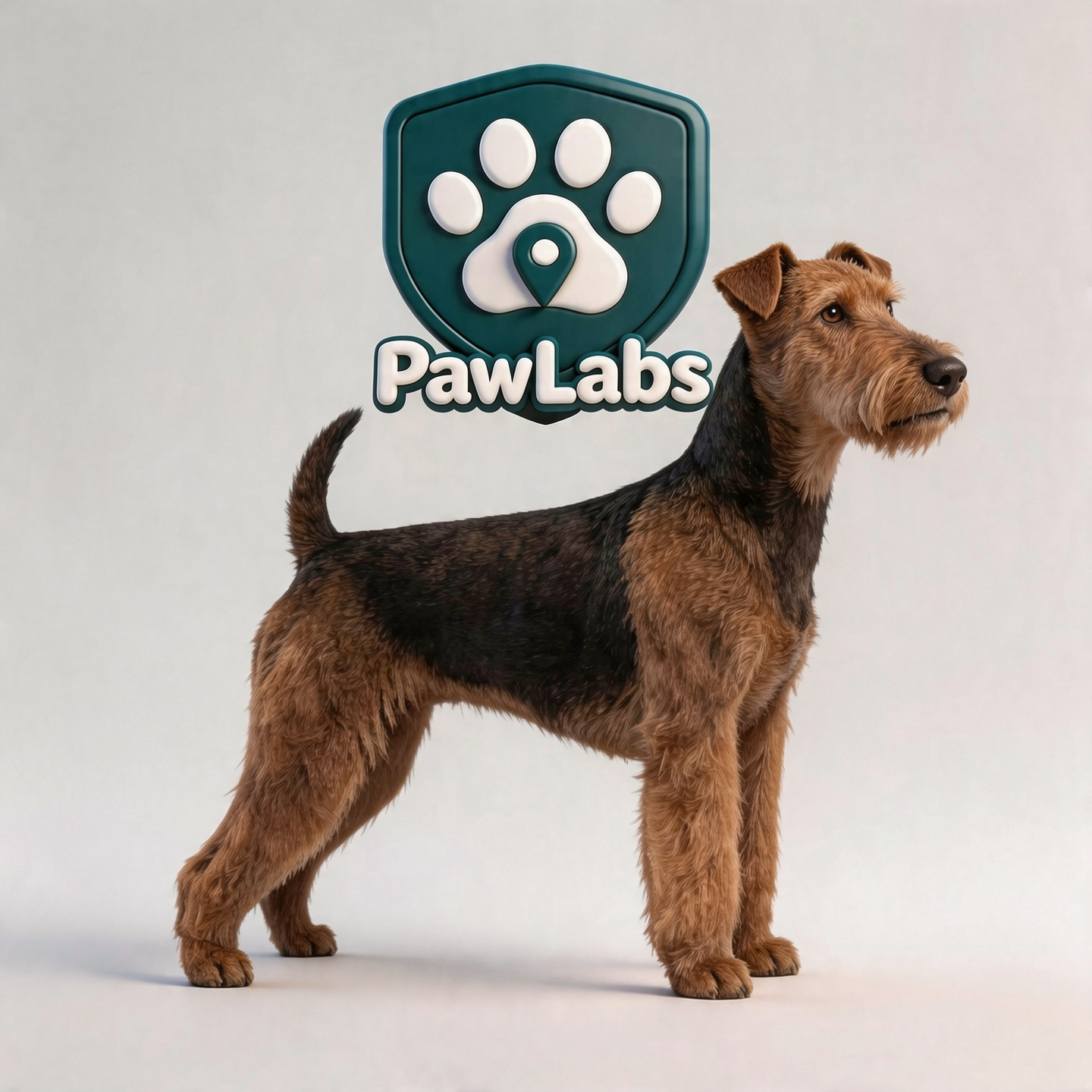
Lancashire Heeler
A spirited, compact herder with boundless energy and a cheeky grin.
Original Role: Herding cattle and general farm work
💪 Strengths
- + Highly adaptable to various tasks and environments
- + Strong work ethic and problem-solving ability
⚠️ Weaknesses
- − Can be stubborn and independent-minded
- − High energy may overwhelm inexperienced owners
📜 Breed History
The Lancashire Heeler hails from the rugged landscapes of northern England, specifically Lancashire, where it emerged as a versatile farm dog in the 17th and 18th centuries. Originally bred to herd cattle, these small but mighty dogs were prized for their tenacity and ability to nip at the heels of livestock without getting kicked—a skill that earned them their 'Heeler' name. They were also adept at ratting, keeping barns free of vermin, and serving as loyal companions to farmers. Their compact size made them economical to keep, as they required less food than larger herding breeds like the Border Collie.
Though their exact origins are murky, many believe the Lancashire Heeler descends from a mix of Welsh Corgis (brought over by drovers) and local terrier types, blending herding instincts with a scrappy, pest-hunting drive. By the 20th century, industrialization threatened their numbers as farms modernized, but dedicated breeders in Lancashire fought to preserve them. The breed gained formal recognition by the UK Kennel Club in 1981, and more recently by the American Kennel Club in 2024 as part of the Herding Group. Today, they remain a rare gem, cherished for their spunk and historical significance as a true working dog of the English countryside.
A Pint-Sized Powerhouse with a Big Personality
I’ve spent countless mornings watching Lancashire Heelers dart across muddy fields with the kind of energy that makes you question if they ever sleep. These little dogs, often under 12 inches tall, pack the spirit of a much larger herder into their compact frames. Hailing from the working farms of northern England, they’re built for action, with a cheeky grin that seems to say, 'What’s next?' I’ve seen them charm their way into hearts one minute, then stubbornly refuse to budge the next. They’re a delightful contradiction—small enough to curl up on your lap, tough enough to boss around cattle ten times their size. Living with a Lancashire Heeler means embracing a whirlwind of cleverness, grit, and occasional mischief.
Temperament & Personality
Lancashire Heelers are the embodiment of 'small dog, big attitude.' I’ve watched them strut around like they own the place, whether it’s a sprawling farm or a tiny apartment. They’re alert and inquisitive, always on the lookout for something to do—or trouble to stir up. Their herding background means they’ve got a bold streak; I’ve seen one stare down a grumpy old cow without flinching. With family, they’re affectionate, often shadowing their favorite person like a tiny bodyguard. But they’re not pushovers for cuddles—they’ll demand play or work before settling down.
One thing that always strikes me is their vocal nature. They’re not shy about barking to alert you to a stranger at the door or a squirrel in the yard. I remember a Heeler named Pip who’d bark at the postman every single day, as if it were his sworn duty. They can be wary of new faces, sizing up strangers with a tilted head before deciding if they’re worth a wag. With kids, they’re often game for play, but their herding instincts might lead to nipping at heels—something I’ve seen catch parents off guard during a backyard game of tag.
Exercise & Activity Needs
Don’t let their small size fool you—Lancashire Heelers are dynamos. They were bred to work long hours on farms, and that stamina hasn’t gone anywhere. I’ve taken Heelers on hikes where they’ve outlasted much larger dogs, trotting along at 5am with no sign of slowing down. They need at least an hour of solid exercise daily, ideally more if you’ve got the time. A quick walk around the block won’t cut it; they thrive on activities that engage their mind and body, like agility courses or fetch sessions that let them sprint.
If they don’t get enough outlets, brace yourself for chaos. I’ve seen a bored Heeler chew through a pair of boots in under an hour, just to make a point. They’ll herd anything—kids, other pets, even your vacuum cleaner—if they’re understimulated. A fenced yard helps, but mental challenges are just as crucial. Puzzle toys or teaching them tricks can tire them out as much as a long run.
Training & Intelligence
Training a Lancashire Heeler is a bit like negotiating with a tiny CEO. They’re whip-smart, picking up commands with ease when they feel like it. I’ve taught Heelers to sit, stay, and even fetch specific toys by name in just a few sessions. Their herding instincts make them naturals at tasks requiring focus and problem-solving. But here’s the catch: they’ve got a stubborn streak a mile wide. If they don’t see the point of what you’re asking, good luck convincing them otherwise.
Consistency is non-negotiable. I remember working with a young Heeler who’d ignore me entirely if I didn’t have treats handy—until I stuck to a firm routine and earned his respect. Positive reinforcement works best; harsh methods just make them dig in their heels. Socialization is key too. They can be aloof with other dogs or people if not exposed early, so puppy classes are a must to smooth out those edges.
Health & Lifespan
Lancashire Heelers are generally hardy little dogs, often living 12 to 15 years with proper care. But they’re not immune to health hiccups, and I’ve seen a few issues pop up over the years. Primary Lens Luxation, a painful eye condition where the lens dislocates, is a big concern in the breed. I’ve known owners who’ve had to shell out thousands for surgery to save their dog’s vision. Collie Eye Anomaly, another inherited eye disorder, can also affect them, so reputable breeders should screen for both.
Patellar luxation—where the kneecap slips out of place—is another issue I’ve encountered, especially in older Heelers who start limping after a rough play session. Regular vet checkups and keeping them at a healthy weight can help manage this. They’re also prone to dental issues due to their small mouths, so brushing their teeth isn’t optional. Expect moderate vet costs over their lifetime, but investing in pet insurance early can save you from sticker shock if eye surgery becomes necessary.
Grooming & Maintenance
Grooming a Lancashire Heeler is refreshingly straightforward. Their short, double coat is weather-resistant, built for the damp English countryside, and doesn’t demand much fuss. I’ve found a quick brush once a week with a slicker brush keeps shedding under control, though they do blow their coat twice a year—usually spring and fall—when you’ll be vacuuming up black and tan tumbleweeds daily. Baths are rarely needed unless they’ve rolled in something foul on a farm adventure.
Their ears need a weekly check for dirt or wax buildup, as I’ve seen mild infections sneak up if neglected. Nails grow fast with these active dogs, so trimming every few weeks is a must unless they wear them down naturally on rough terrain. Beyond that, it’s basic upkeep—nothing that’ll eat up your weekends.
Diet & Nutrition
Feeding a Lancashire Heeler isn’t complicated, but their high energy means they burn through calories fast. I’ve fed mine high-quality kibble tailored for small, active breeds, usually about a cup a day split into two meals, though portions depend on their weight and activity level. They’re not typically picky eaters, which is a relief, but I’ve noticed some can pack on pounds if overfed—especially if they’re not getting enough exercise to balance it out.
Keep an eye on treats; they’re masters at begging with those big, pleading eyes. I’ve caved more times than I’d like to admit, only to see a Heeler get a little too round. Some can have sensitive stomachs, so introducing new foods slowly is wise. Fresh water, always available, and the occasional vet-recommended dental chew round out their needs. They don’t require anything fancy—just consistent, balanced nutrition to fuel their busy little bodies.
Living Conditions
Lancashire Heelers are adaptable, which is one of their best traits. I’ve seen them thrive in rural farm settings with acres to roam, but they can also handle apartment life if you commit to meeting their exercise needs. A yard is a bonus—they love zooming around and patrolling their territory—but it’s not a dealbreaker. Just don’t expect them to be content lounging indoors all day; they’ll pace and grumble if cooped up too long.
Climate-wise, their double coat handles cold and damp weather like champs, a nod to their English roots. I’ve taken Heelers out in drizzly winters with no complaints. Heat is trickier; they can overheat if pushed too hard in summer, so I always schedule walks for early morning or evening during hot spells. Wherever they live, they need mental stimulation as much as space—without it, they’ll find ways to entertain themselves, usually at the expense of your shoes.
Who Should Get This Breed
If you’re an active person with a knack for keeping up with a clever, energetic dog, the Lancashire Heeler could be your perfect match. I’ve seen them shine with owners who love outdoor adventures—hiking, running, or even just long treks through the park. They’re ideal for someone who wants a small dog with a big-dog work ethic, especially if you’ve got experience with herding breeds and understand their need for a job. Families with older kids who can handle their playful nipping are a good fit too, as long as everyone’s on board with training.
They’re also a great choice for folks in rural areas or with access to open spaces where they can burn off steam. If you’re into dog sports like agility or obedience, you’ll find a willing partner in a Heeler—they live for that kind of challenge. Above all, they need someone who’s got time and patience to channel their boundless spirit into something productive.
Who Should NOT Get This Breed
Let’s be real: Lancashire Heelers aren’t for everyone. If you’re a couch potato or work long hours with no time for daily exercise, this breed will drive you up the wall. I’ve seen them frustrate owners who underestimate their energy; one friend adopted a Heeler thinking 'small dog, small needs,' only to return him after a month of chewed furniture and nonstop barking. They’re not a set-it-and-forget-it pet.
They’re also a poor match for homes with very young kids or owners unprepared for their herding quirks—like nipping at ankles during play. If you’re looking for a low-maintenance lap dog or live in a tiny space with no access to outdoor activity, look elsewhere. And if you’re not ready to outsmart a dog who might just be cleverer than you, a Lancashire Heeler will run circles around your patience. They’re a commitment, plain and simple.
❓ Lancashire Heeler FAQs
The questions people ask most, answered from this breed's trait scores.
Is the Lancashire Heeler good with children?
The Lancashire Heeler scores 6/10 for child-friendliness, making it usually fine with children who have been taught to handle a dog respectfully. That score reflects the breed's typical temperament, not any individual animal — early socialisation and how the dog was raised matter just as much. Supervise interactions with toddlers whatever the breed.
Does the Lancashire Heeler get along with other pets?
Scoring 6/10 for pet-friendliness, the Lancashire Heeler is usually fine with other pets once introduced properly. Prey drive matters here as well as sociability: breeds built to chase can live happily with a household cat they grew up with and still pursue an unfamiliar one.
How much exercise does the Lancashire Heeler need?
The Lancashire Heeler rates 8/10 for energy and needs at least an hour to 90 minutes a day, and it should be real exercise rather than a stroll. Under-exercised, this is a breed that finds its own entertainment — usually at the expense of your furniture. The breed was originally developed for herding cattle and general farm work, which is where that requirement comes from.
Does the Lancashire Heeler shed a lot?
At 5/10 for shedding, the Lancashire Heeler sheds a moderate amount year-round. It has a short double coat. Worth knowing: low shedding is not the same as hypoallergenic — most people react to proteins in dander and saliva, not to hair itself, so no breed is genuinely allergy-free.
Is the Lancashire Heeler easy to train?
The Lancashire Heeler scores 7/10 for trainability, making it responsive and straightforward to train. It scores 8/10 for intelligence — worth separating from trainability, because a clever breed that has decided not to listen is harder work than a simpler one that wants to.
What is the average lifespan of the Lancashire Heeler?
The Lancashire Heeler typically lives 12–15 years. We rate the breed 7/10 for general health robustness. Individual lifespan depends heavily on genetics, weight management and veterinary care.
How big does the Lancashire Heeler get?
A full-grown Lancashire Heeler usually weighs 9–17 lbs and stands roughly 10–12 inches at the shoulder. That places it in the small size band. Males generally sit at the upper end of both ranges.
Does the Lancashire Heeler bark a lot?
Rated 6/10 for barking, the Lancashire Heeler barks a moderate amount. Training and adequate exercise both reduce nuisance barking, but they will not turn a naturally vocal breed into a silent one.
Is the Lancashire Heeler suited to apartment living?
The Lancashire Heeler is a difficult fit for apartment living. It scores 8/10 for adaptability, 8/10 for energy and 6/10 for barking — the three traits that decide this. Floor space matters far less than whether the breed can settle indoors and stay quiet while you are out.
Is the Lancashire Heeler a good choice for first-time owners?
On balance the Lancashire Heeler is manageable for a first-time owner who is willing to put the work in early, based on its trainability (7/10), adaptability (8/10) and energy level (8/10). The most common reason a first dog does not work out is a mismatch between the breed's daily needs and the owner's actual routine, rather than anything about the breed itself.
Written and reviewed by PawLabs Editorial Team
We build PawLabs from published kennel club breed standards and veterinary reference sources. Profiles are drafted with AI assistance against that source data, then reviewed and corrected by a person before anything is published. We say so because you should know how the thing you're reading was made. How we research breeds · Report a correction
Note: Breed profiles are general reference, not veterinary advice. For anything concerning your own animal, talk to a vet who can examine them.