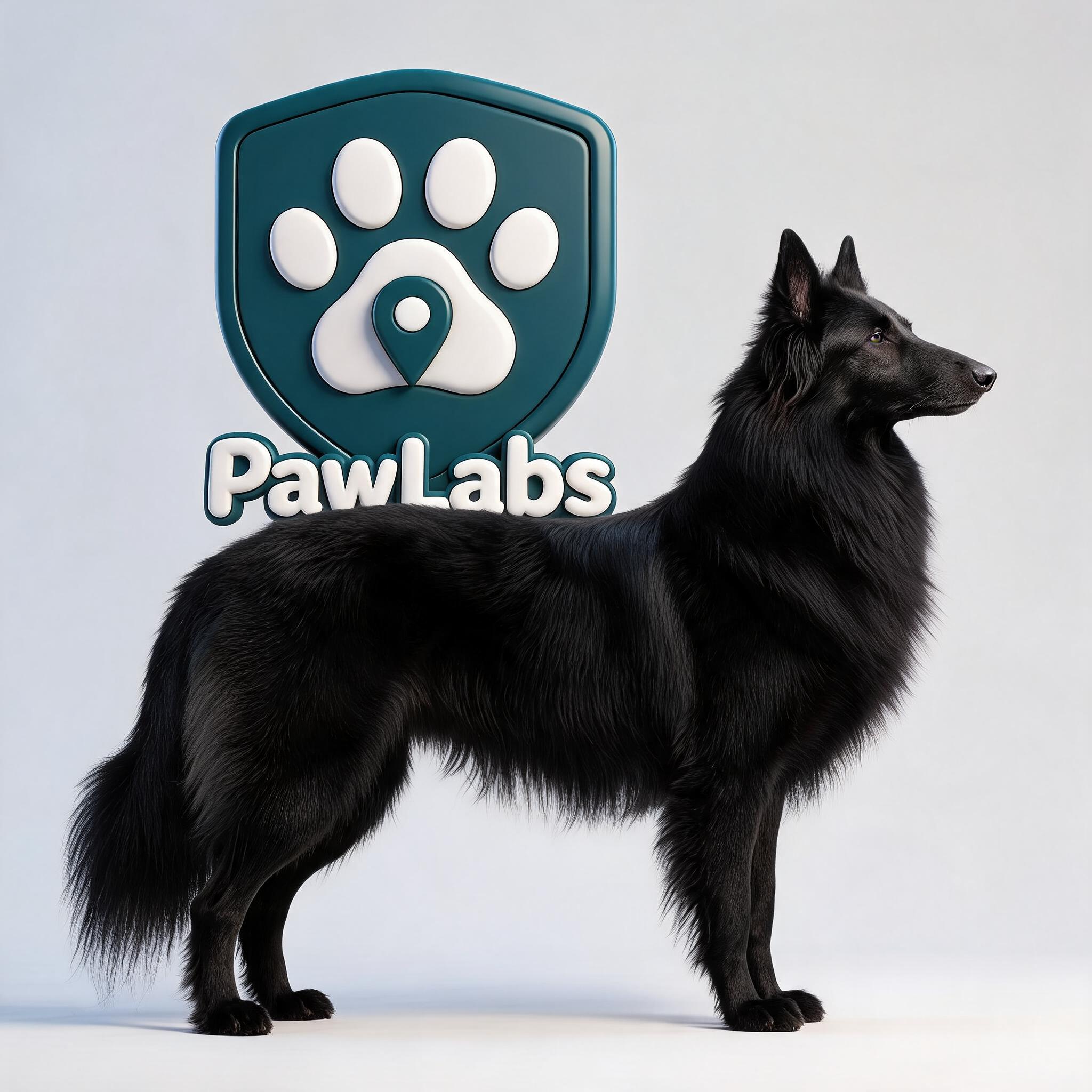
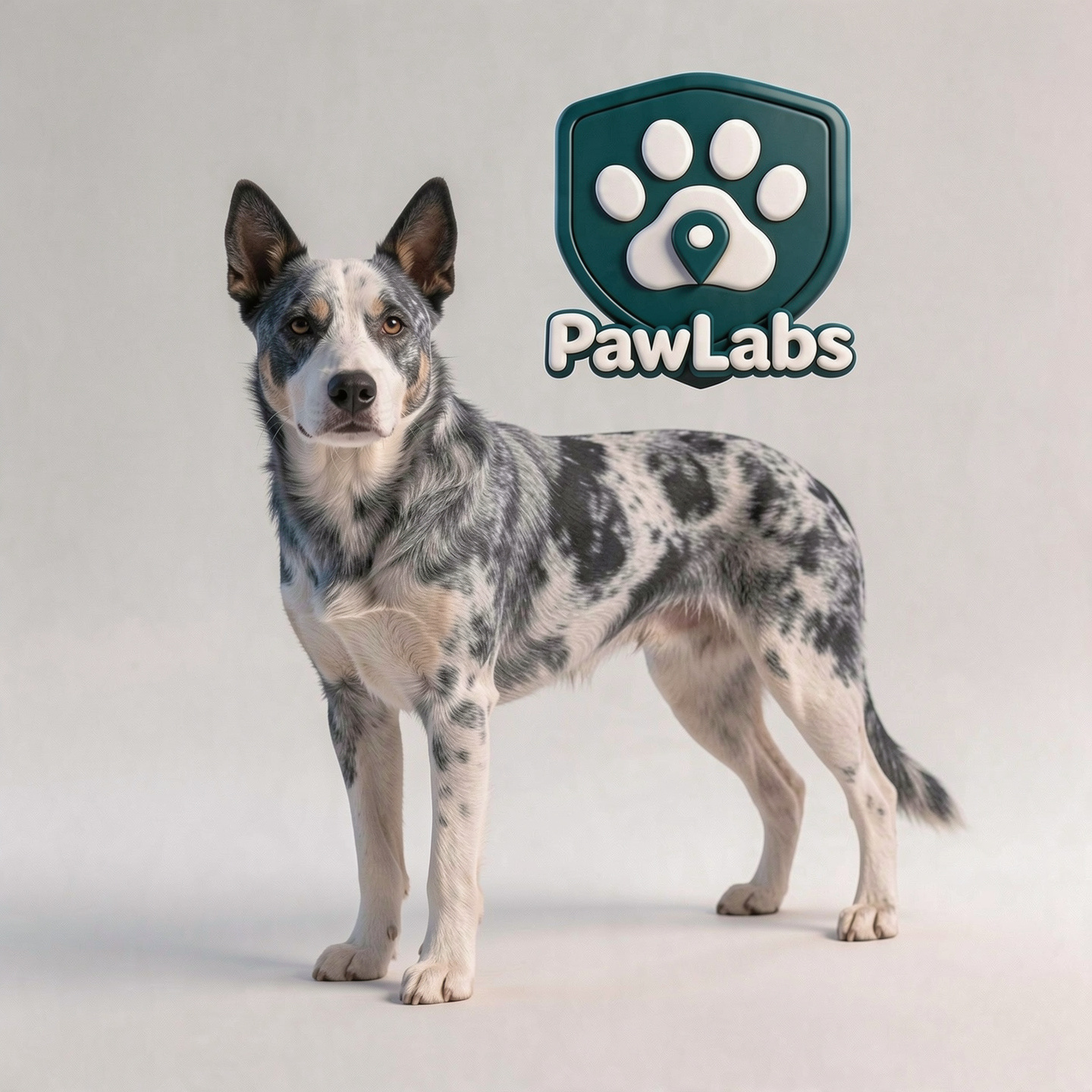
Belgian Sheepdog vs Bergamasco Sheepdog vs Australian Cattle Dog
Three herding breeds stand out for their intelligence and drive: the Belgian Sheepdog, the Bergamasco Sheepdog, and the Australian Cattle Dog. Each brings distinct traits that affect daily life, from exercise demands to coat maintenance. Prospective owners must weigh these differences against their own schedules and living situations rather than relying on general breed reputation.
Energy and Exercise Requirements
Energy levels separate these breeds sharply. Both the Belgian Sheepdog and Australian Cattle Dog rate at 9 out of 10 for energy. They require at least two hours of vigorous activity daily. Without it, expect destructive chewing, excessive barking, or escape attempts. The Bergamasco Sheepdog sits at 6, needing closer to one hour of moderate exercise. This lower drive makes the Bergamasco easier to manage on days when weather or time limits outdoor time.
Low shedding and easy grooming also factor into long-term satisfaction. The Bergamasco scores 2 for shedding and 4 for grooming. Its unique corded coat mats naturally and requires minimal brushing once formed, though initial cord formation takes effort. The Australian Cattle Dog scores 3 for grooming and 6 for shedding, with a short coat that needs only occasional brushing. The Belgian Sheepdog scores 6 for grooming and 7 for shedding, demanding weekly brushing to control loose hair, especially during seasonal blows.
How They Stack Up Day-to-Day
Daily routines reveal practical differences. An Australian Cattle Dog will follow you from room to room, alert for any task or game. Its trainability score of 8 means it picks up commands quickly but also invents its own jobs if left without direction. A Belgian Sheepdog, with a 9 in trainability, responds to complex cues and excels in structured work like agility or herding trials. The Bergamasco, at 6 for trainability, learns reliably but moves at its own pace and resists constant repetition.
Apartment living tests adaptability, where all three score 6. High-energy breeds suffer most. The Belgian Sheepdog and Australian Cattle Dog become restless in small spaces without multiple daily outings. The Bergamasco tolerates indoor time better due to moderate energy, though it still needs a secure yard or park access to avoid boredom. None ranks as ideal for full-time apartment dwellers without significant owner commitment to exercise.
Watchdog instincts run strong across the board. Belgian Sheepdogs score 9 and patrol boundaries with intensity. Australian Cattle Dogs and Bergamascos both score 8, issuing warnings without constant barking. Pet-friendly scores of 5 for all three indicate supervision is required around other animals, as herding instincts can trigger chasing or nipping.
Training and Intelligence
Intelligence ratings favor the Belgian Sheepdog and Australian Cattle Dog at 9, with the Bergamasco at 8. High-intelligence dogs master new skills fast but grow bored with rote drills. Consistent, varied training sessions prevent behavioral issues. The Belgian Sheepdog particularly benefits from mental challenges like puzzle toys or advanced obedience work. The Australian Cattle Dog thrives when given jobs such as carrying items or learning tricks. The Bergamasco needs less mental stimulation but still requires early socialization to curb independent streaks.
The Lifestyle Match
Active owners with flexible schedules match best with the Belgian Sheepdog or Australian Cattle Dog. These breeds suit experienced handlers who can provide daily running, training, and purpose-driven activities. First-time owners may struggle with the intensity. The Bergamasco fits owners seeking a calmer herding dog that still offers protection and moderate exercise. It works for those prioritizing low shedding over peak trainability.
Families with older children can consider any of the three, though all carry child-friendly scores of 6 that require supervision. Seniors or those with limited mobility should avoid the two high-energy options. The Bergamasco offers the most realistic path for lower-activity households while retaining watchdog capability.
Low-shedding priorities point directly to the Bergamasco. Its coat rarely releases hair, reducing allergens in the home. Easy grooming favors the Australian Cattle Dog for minimal upkeep. High trainability and energy together point to the Belgian Sheepdog for competitive sports or farm work.
Health and Longevity Considerations
Health scores show the Bergamasco and Australian Cattle Dog at 7, with the Belgian Sheepdog at 6. Common concerns in these lines include hip dysplasia and eye conditions. Regular veterinary checks and appropriate exercise help mitigate risks. The Bergamasco's lower energy may reduce joint stress over time compared with the other two.
Our Bottom Line: Match the breed's documented drive and maintenance needs to your actual daily routine instead of choosing based on appearance alone. The Belgian Sheepdog demands the most time and structure. The Australian Cattle Dog offers similar intensity with simpler coat care. The Bergamasco provides the most balanced option for moderate energy and low shedding.