Rural properties with livestock demand dogs that can manage stock, patrol boundaries and thrive on constant outdoor exposure rather than suburban schedules.
Most pet breeds fail here because they lack the drive to work independently or the stamina to cover uneven terrain daily. The wrong choice leads to bored escape artists, excessive barking at every vehicle or wildlife, or coats matted with mud and burrs that require professional intervention every few weeks.
The breeds below all carry herding heritage, yet they differ sharply in grooming load, health margins and tolerance for isolation from people. Only those that match the physical scale and daily labor of rural life appear in this order.
1. Australian Cattle Dog
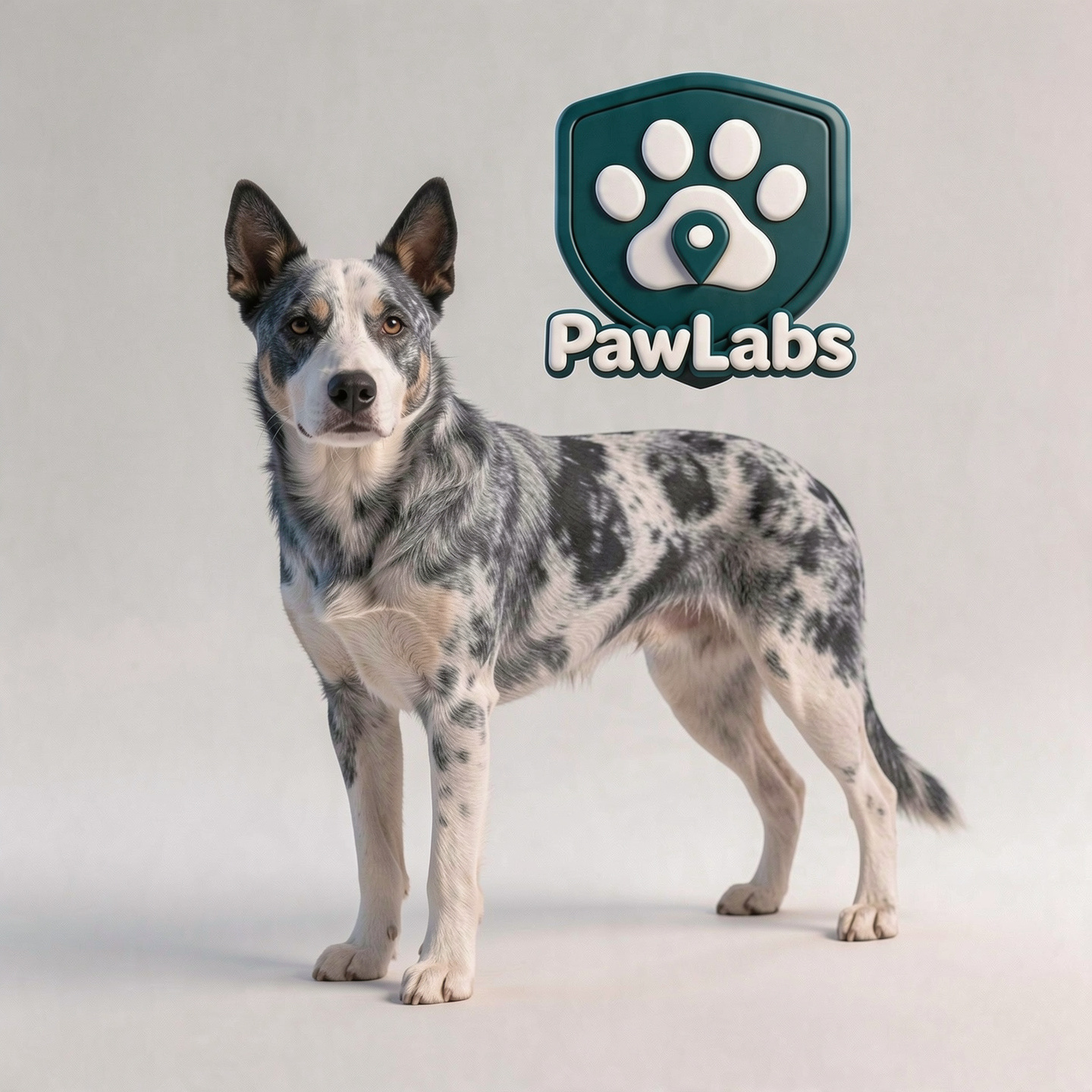
This breed was developed to drive cattle across long distances on Australian stations, so it settles into rural routines without constant handler direction. On a working property it will patrol fence lines, move stock between paddocks and alert to unusual activity while remaining bonded to its primary person.
Expect two solid hours of vigorous exercise daily plus mental tasks such as herding drills or obedience sequences. Its short coat needs only weekly brushing and sheds moderately, keeping maintenance low even when the dog works in wet or dusty conditions. Annual health testing for hip dysplasia and progressive retinal atrophy typically costs a few hundred dollars.
Skip this dog if you cannot provide consistent work or training; without a job it becomes destructive and may nip at heels of children or other pets. Its intense focus also makes it a poor match for households that want a relaxed companion.
2. Mudi
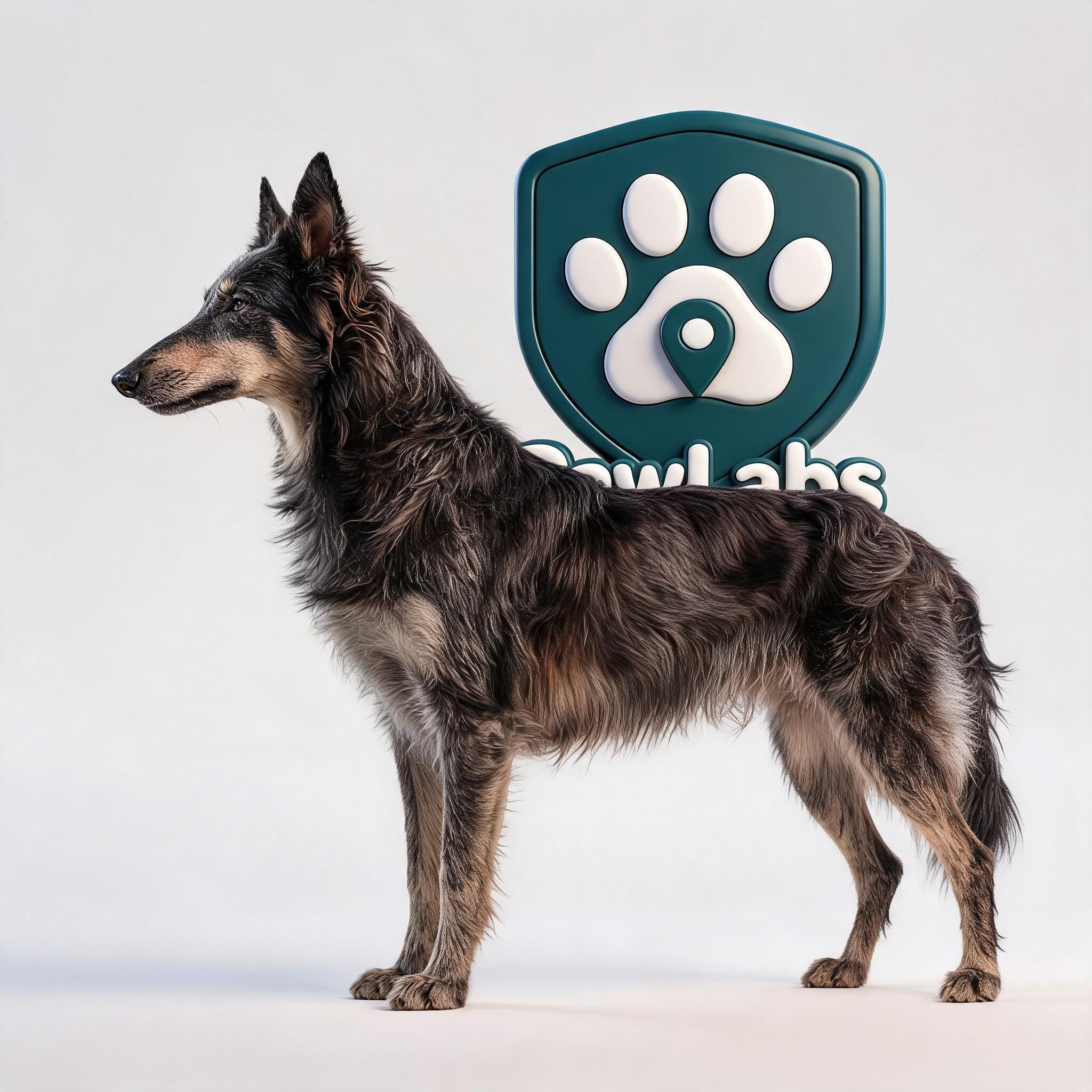
The Mudi brings slightly higher adaptability to varied rural settings while retaining strong herding instinct and intelligence. It integrates into mixed livestock operations, readily learns to separate sheep or guard poultry, and tolerates temperature swings better than some of its peers.
Daily needs include at least ninety minutes of running or herding work plus basic grooming every two weeks to manage its medium coat. Shedding stays moderate and the breed rarely requires professional clipping. Veterinary expenses remain average provided hips and eyes receive routine screening.
Owners who prefer a quieter dog should look elsewhere; the Mudi can become vocal when bored or when it perceives threats at the property edge. It also needs early socialization to accept occasional visitors without excessive wariness.
3. Belgian Tervuren
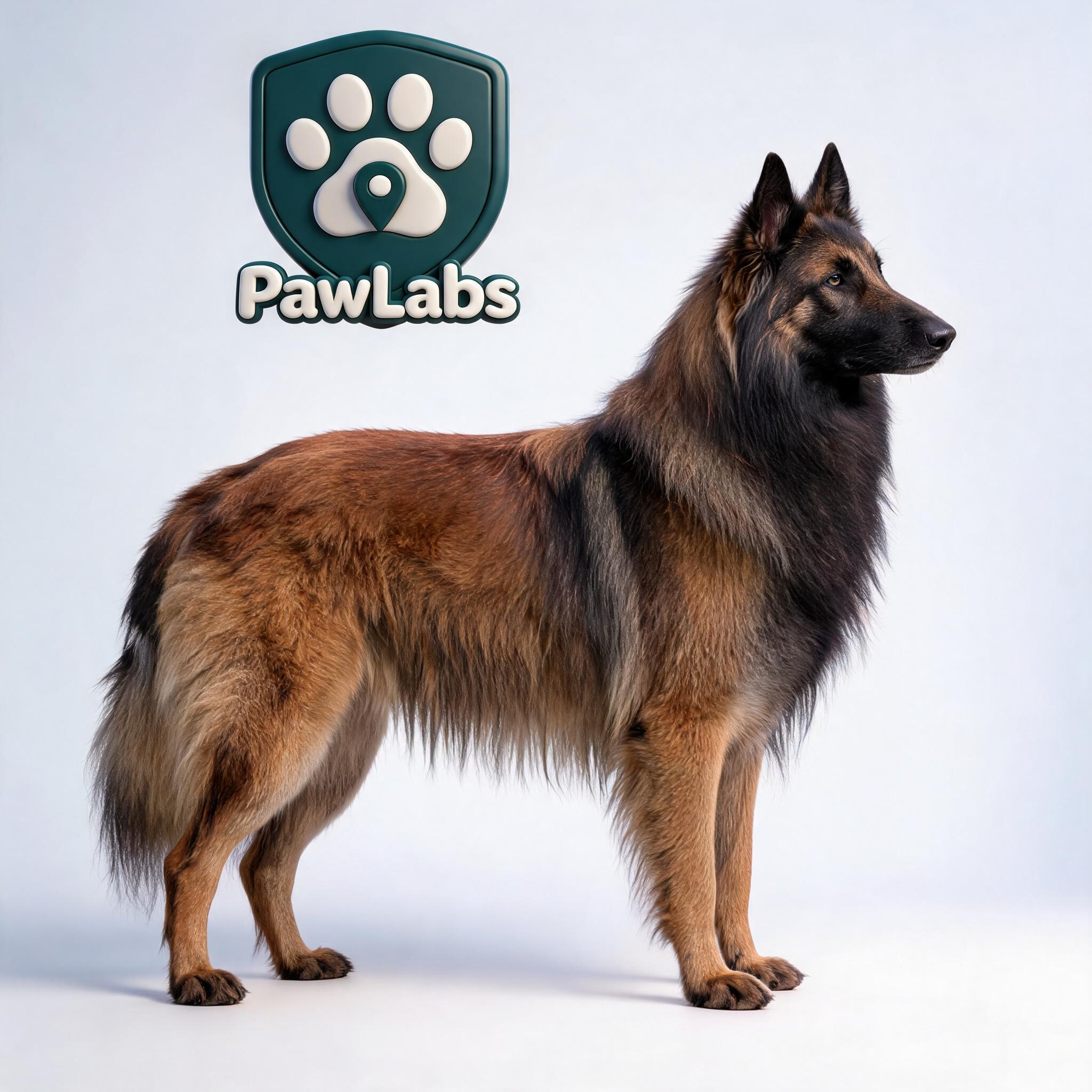
The Belgian Tervuren offers extra size and trainability that suits larger acreage or mixed stock operations. It learns complex herding patterns quickly and maintains alertness across wide pastures without constant supervision.
Plan on two hours of structured exercise daily and brushing every ten days to control its longer coat and seasonal shedding. Professional grooming twice a year helps manage undercoat removal. Health testing for hips, elbows and eyes adds several hundred dollars annually and the breed shows slightly elevated rates of epilepsy compared with some herders.
This dog is wrong for anyone unwilling to commit to ongoing training or who lives in areas with heavy parasite pressure; its coat collects debris and its high drive turns problematic without work.
4. Entlebucher Mountain Dog
The Entlebucher brings compact strength suited to moving cattle or guarding smaller livestock on hilly terrain. It forms tight bonds with its working partner and remains steady under physical demands.
Two hours of daily activity plus occasional drafting or herding sessions keep it content. Its short coat requires only occasional brushing and minimal bathing. Health screening focuses on hips and the breed carries a higher risk of urinary issues that can increase lifetime veterinary costs.
Potential owners should avoid this breed if they cannot guarantee daily work; without it the dog becomes restless and may develop guarding behaviors that complicate visits from neighbors or delivery drivers.
5. Pumi
The Pumi excels at quick, agile herding on smaller rural holdings and readily learns to manage sheep or goats. Its lively personality fits owners who enjoy active stock work.
Daily exercise of ninety minutes plus weekly coat combing to prevent matting is required. The semi-curly coat picks up burrs easily in pasture, so owners should budget for more frequent bathing than short-coated herders. Health testing remains standard but grooming time rises with property conditions.
Skip the Pumi if you dislike regular grooming or need a dog that tolerates long periods alone; it bonds closely and can become anxious without interaction or tasks.
6. Puli
The Puli retains excellent herding ability and a weather-resistant corded coat that once protected it while working outdoors in all conditions.
Two hours of exercise daily is essential. The cords demand weekly separation and monthly washing to avoid mud accumulation and odor, with full drying taking up to twenty-four hours. Professional grooming costs rise quickly on a working property.
This breed is unsuitable for anyone who cannot commit to intensive coat care or who expects low-maintenance rural living; the cords trap debris and the dog becomes heavy with dirt after a single wet day in the field.
How to choose between them
Match the breed first to your willingness to provide daily work and training rather than to appearance or rarity. If grooming time is limited by property demands, start with the short-coated options and rule out corded coats immediately.
Next weigh health testing budgets and tolerance for barking against the scale of your land; larger acreage favors the bigger, more independent dogs while smaller holdings suit the quicker, more vocal herders.