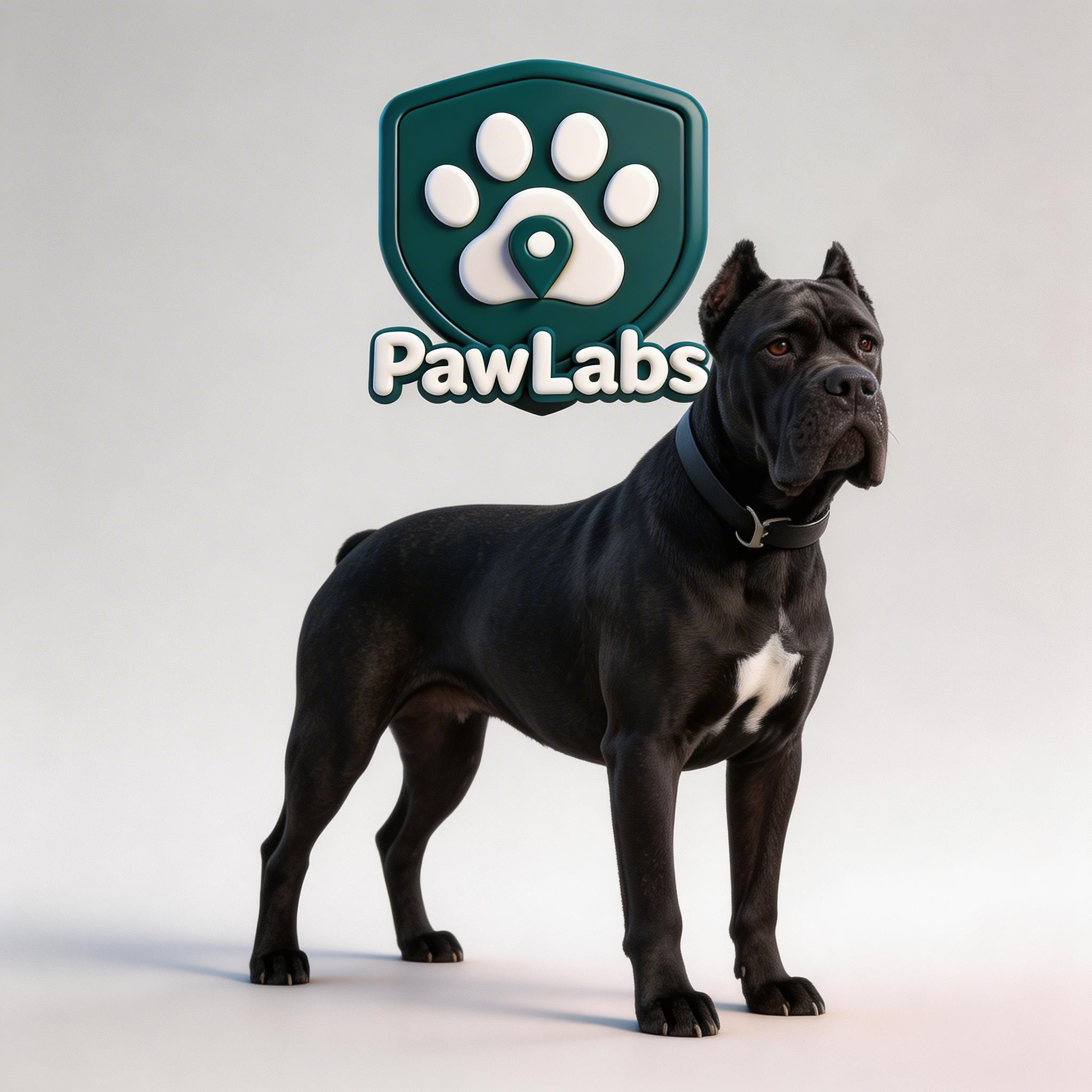
What Each Breed Demands Beyond the Purchase Price
A Cane Corso expects structured authority and consistent boundaries to channel its watchdog instincts, while a Siberian Husky demands outlets for relentless movement and will test limits on recall and containment. Both require owners prepared for high-maintenance routines rather than casual pet keeping.
Weekly Time Demands of Each Breed
Exercise stands as the clearest divider. A Siberian Husky registers an energy rating of 9 and typically needs two hours or more of vigorous activity daily to avoid restlessness, translating to roughly 14 hours per week of running, pulling or structured play. A Cane Corso sits at energy level 6 and can manage with 60 to 90 minutes of purposeful work or walks most days, or about 7 to 10 hours weekly, provided mental tasks accompany physical effort.
Training time follows the same split. The Cane Corso scores 7 on trainability and responds to firm, short sessions that reinforce its protective role, often requiring 4 to 5 focused hours per week across its first two years. The Siberian Husky scores 5 on trainability and needs repetitive, high-reward work to overcome independent thinking, pushing owners toward 6 to 8 hours weekly of consistent drills before reliable off-leash behavior appears.
Grooming adds another layer. The Cane Corso needs only basic brushing once a week thanks to its short coat and grooming rating of 3, consuming perhaps one hour weekly. The Siberian Husky carries a grooming rating of 6 and a dense double coat that benefits from brushing three times weekly plus seasonal blowouts, adding 3 to 4 hours of hands-on work during heavy shedding periods.
Handling the Mess These Dogs Create
Shedding creates the most visible difference. The Siberian Husky rates 8 on shedding and produces heavy seasonal coats that cover furniture, clothing and floors twice a year, requiring daily vacuuming during those windows. The Cane Corso rates 4 on shedding and leaves far less hair, though its shorter coat still deposits some year-round.
Destruction surfaces when either breed lacks stimulation. An under-exercised Siberian Husky will chew door frames, dig through yards and escape enclosures at rates that exceed most working breeds. A Cane Corso left without direction may guard furniture or test household items, though its lower energy rating makes the damage less frequent if basic exercise is met.
Drool remains minimal for both, yet the Cane Corso produces more noticeable strings during panting after activity, while the Husky stays comparatively dry.
Financial Realities of Owning Cane Corsos or Huskies
Food volume scales with size. A Cane Corso, as a large working breed, consumes 4 to 6 cups of high-quality kibble daily, pushing annual food costs higher than a medium Siberian Husky that eats 2 to 3 cups. Insurance premiums reflect the same gap: Cane Corsos carry health ratings of 5 and known risks around hip dysplasia and bloat, often increasing policy prices, while Huskies rate 7 on health with fewer breed-specific major issues but still require coverage for eye conditions.
Professional grooming stays low for the Cane Corso at its rating of 3, rarely exceeding a few hundred dollars yearly. The Siberian Husky at grooming rating 6 may need professional deshedding sessions during coat blows, adding several hundred more annually. Veterinary reserves should also account for the Cane Corso’s higher watchdog rating of 9, which correlates with injuries from confrontations if boundaries are not enforced.
Social and Lifestyle Impacts
Barking and stranger interactions differ sharply. The Cane Corso’s watchdog rating of 9 means frequent vocal alerts toward unfamiliar people, which can strain neighbor relations or complicate apartment living. The Siberian Husky rates only 3 on watchdog ability and rarely barks at passersby, though its energy level of 9 leads to howling that travels through walls.
Interactions with other dogs require management for both. The Cane Corso’s pet-friendly rating of 5 often demands early socialization to prevent dominance displays, while the Husky’s rating of 6 allows better pack play but still needs supervision around small animals due to prey drive.
Holidays and dog-sitters introduce further friction. Neither breed tolerates long periods alone without consequence. A Cane Corso may refuse entry to sitters it does not know, and a Siberian Husky will escape or destroy property if left without sufficient exercise during owner absences.
Rewards and Returns from Each Breed
The Cane Corso delivers steady protection and a calm presence once trained, suiting households that value property security and can invest in its trainability score of 7. Its lower energy and grooming demands reduce daily friction compared with higher-maintenance options.
The Siberian Husky offers endurance for active outdoor routines and a more playful demeanor, rewarding owners who meet its energy rating of 9 with reliable companionship on trails or in cold climates. Its lower watchdog score means fewer territorial conflicts but requires acceptance of seasonal shedding rated at 8.
Neither return justifies the commitment unless the owner’s schedule and living situation align precisely with the breed’s core ratings on energy, trainability and grooming. Prospective owners must weigh these documented traits against their own capacity for weekly hours, cleanup routines and social accommodations before choosing.
Who Should Walk Away from Both
Anyone unable to commit 10 or more hours weekly to exercise and training, or who lives in a small apartment without access to secure outdoor space, should consider other working breeds that rate lower on energy or higher on adaptability. Apartment dwellers or frequent travelers often find better matches in breeds with reduced watchdog intensity and minimal seasonal shedding.