Long winters demand more than a thick jacket from a dog. The right breed must maintain body heat during extended cold, tolerate snow underfoot, and keep moving without joint strain from icy conditions. Many dogs with thin or single coats lose condition quickly once temperatures drop below freezing for weeks at a time. What separates workable breeds here is a coat that traps air for insulation, combined with enough drive to exercise daily even when the ground is frozen. Owners who choose poorly often end up with dogs that refuse to go outside, develop skin issues from constant damp, or simply cannot stay comfortable without constant indoor confinement.
Medium-sized dogs strike the best balance for most households in these climates. They generate enough body heat to manage sub-zero nights yet remain agile enough to navigate snow without the joint stress larger breeds face. The six breeds on this list all fall in that size range, but their coats and origins differ enough to produce clear performance gaps once winter arrives.
Coat structure matters more than any other single trait. Wire or double coats that shed water and trap warmth outperform short, fine coats that leave the skin exposed. Exercise needs also rise in winter because dogs must burn calories to stay warm, so breeds that demand daily work outdoors hold an advantage over those content with shorter outings.
1. Wirehaired Pointing Griffon
This breed’s harsh, wiry outer coat and dense undercoat create a natural barrier against wind, snow, and freezing rain. Daily life in a cold climate looks like two solid walks plus free running in a fenced yard, with the dog returning indoors only after the work is done. The coat shakes off snow instead of soaking through, so the dog stays active longer without needing a jacket.
Expect 60 to 90 minutes of exercise most days, including off-leash time if safely contained. Brushing every two weeks plus occasional hand-stripping keeps the coat functional; professional grooming runs two to four times a year at roughly $80–120 per session. The dog’s energy level stays high even when temperatures fall, which matches the requirement for winter activity.
Skip this breed if you cannot provide consistent outdoor work. Without daily exercise the Griffon becomes restless and destructive indoors, and the coat requires regular maintenance that many owners underestimate.
2. Wirehaired Vizsla
The wire coat gives this breed better cold tolerance than its smooth-coated cousin while retaining the same high drive for movement. In long winters the dog needs a job—fetch, scent work, or structured runs—otherwise it channels energy into chewing or pacing. Owners report the coat handles light snow well and dries faster than softer double coats.
Plan on 60–90 minutes of vigorous daily exercise year-round. Weekly brushing prevents matting; the coat needs professional stripping two or three times annually. Food intake often rises 10–15 percent in deep winter to maintain weight against the cold.
Pass if your schedule allows only short walks. The breed’s exercise requirement does not drop with the temperature, and insufficient activity quickly leads to weight gain and anxiety.
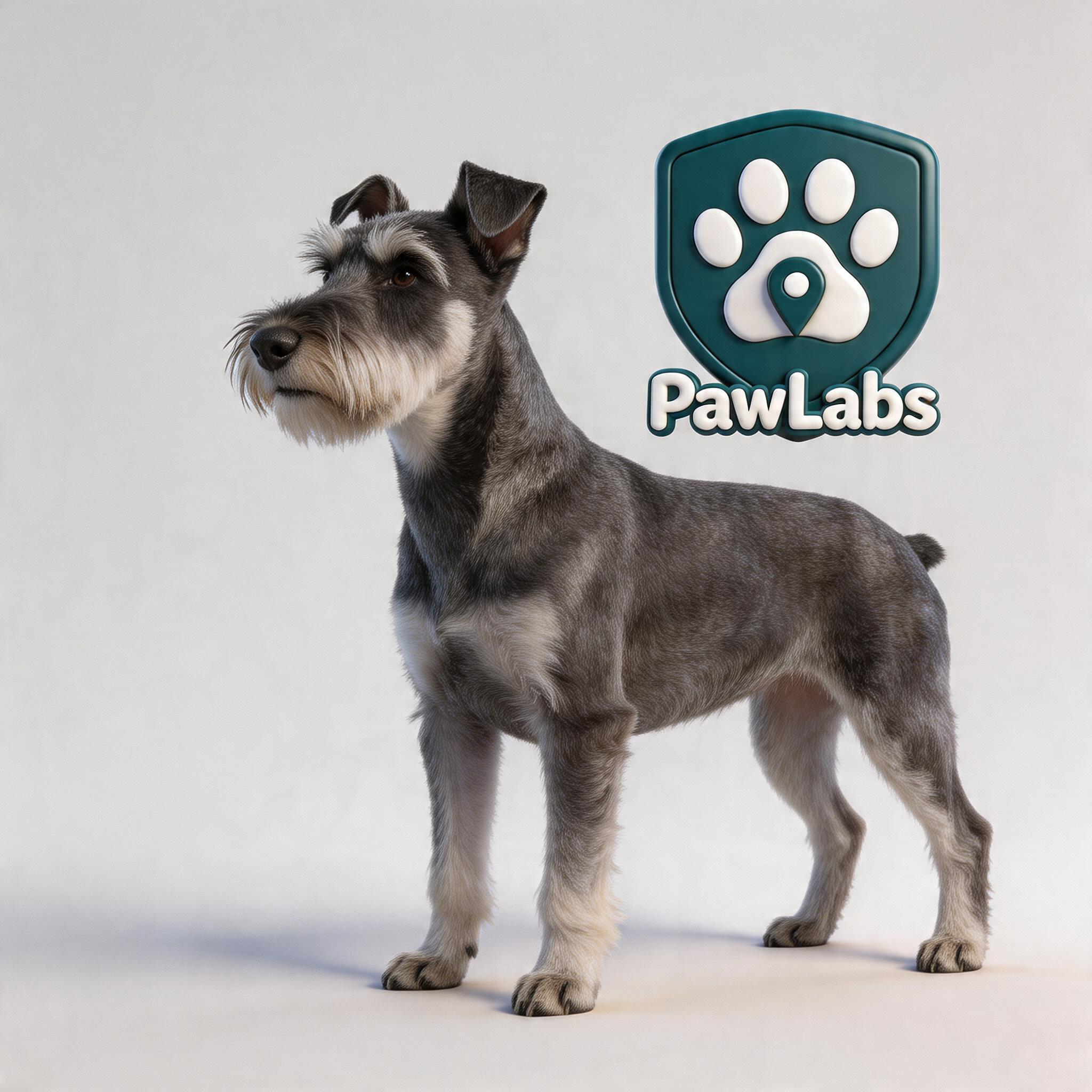
3. Standard Schnauzer
The wiry coat and undercoat provide decent insulation once the dog is moving, and the breed’s working heritage supports steady activity in cold weather. Daily life involves two structured walks plus play that keeps the dog warm through motion rather than passive sitting.
Grooming is the real commitment: professional clipping or hand-stripping every six to eight weeks at $70–100 per visit, plus weekly brushing at home. Exercise stays at 45–75 minutes daily; the dog tolerates cold better while working than when idle.
Avoid this breed if grooming costs or frequency feel burdensome. The coat mats quickly without upkeep, and the dog’s watchdog tendencies can become excessive barking when confined indoors for long stretches.
4. Canaan Dog
The double coat offers reasonable protection once acclimated, and the breed’s adaptability lets it handle temperature swings common in long winters. Daily life centers on two to three outings plus mental tasks, since the dog stays alert and needs purposeful activity to remain calm.
Exercise runs 45–75 minutes daily; the coat needs brushing twice weekly during shedding seasons. The breed rarely requires professional grooming beyond occasional bathing. Food portions may increase slightly in winter to offset heat loss.
Skip this one if you want an outgoing dog. The Canaan remains reserved with strangers and can become overly protective or vocal when visitors are frequent.
5. Irish Terrier
The wiry coat gives some weather resistance, yet the breed’s smaller frame and high energy mean it burns through warmth quickly if not moving. Winters require consistent daily runs or games to keep the dog comfortable and mentally steady.
Exercise demand sits at 60 minutes minimum, often split into two sessions. Brushing weekly and professional stripping two to three times a year keep the coat workable. The dog tolerates cold better during activity than rest, so indoor downtime can feel chilly without a sweater.
Pass if your winters include long stretches of ice that limit safe running. The Irish Terrier’s bold temperament also leads to fence-fighting or chasing when containment is not absolute.
6. Cirneco dell’Etna
The short, fine coat offers almost no insulation, so the dog loses heat rapidly once temperatures drop below freezing. Daily life in a cold climate quickly turns into a series of reluctant, short outings followed by indoor shivering.
Exercise needs remain moderate at 45–60 minutes, but the dog will refuse longer sessions in snow or wind. Minimal grooming is the only practical advantage; the coat sheds lightly and requires little upkeep.
Skip this breed entirely for true winter regions. Without a coat that protects against prolonged cold, the Cirneco becomes miserable and may develop respiratory or skin issues from constant damp and chill.
How to choose between them
Match the coat first. Wirehaired Pointing Griffon and Wirehaired Vizsla deliver the best built-in protection and keep moving when snow is on the ground; choose between them by whether you prefer the Griffon’s more independent working style or the Vizsla’s higher affection drive. If grooming time is limited, the Canaan Dog or Irish Terrier reduce professional costs but still need consistent brushing during shed cycles.
Next weigh exercise capacity against your schedule. The two wirehaired sporting breeds demand the longest daily outings even in deep winter; the Schnauzer and Canaan tolerate slightly shorter sessions if mental work fills the gap. The Cirneco only fits if you live in a milder microclimate or can outfit the dog with reliable cold-weather gear every single day.