Berger Picard
A rustic, intelligent French herder with boundless energy and loyalty.
Original Role: Herding sheep and cattle
💪 Strengths
- + Highly intelligent and quick to learn complex tasks
⚠️ Weaknesses
- − Can be stubborn and requires consistent, firm training
📜 Breed History
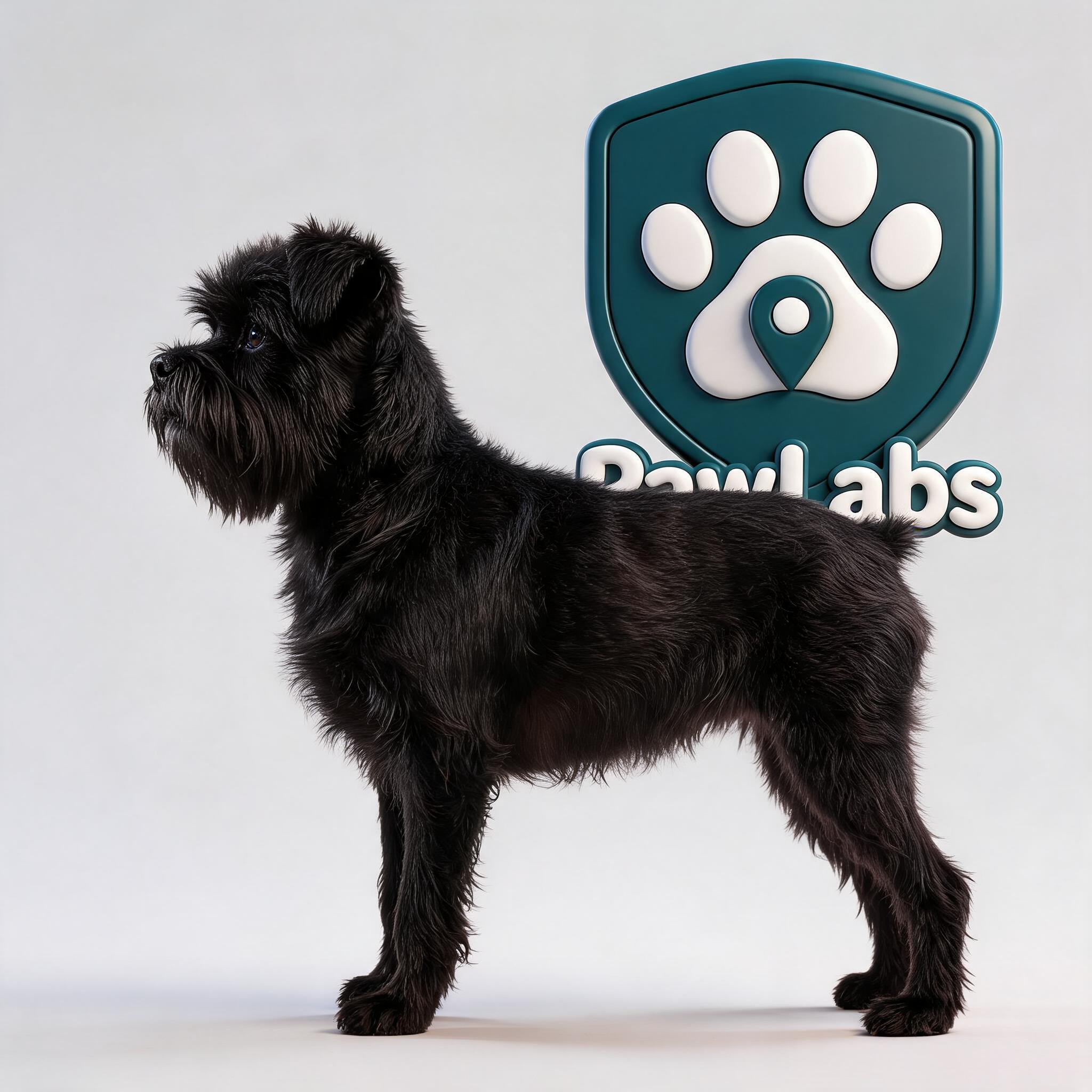
The Berger Picard, often called the Picardy Shepherd, hails from the Picardy region of northern France, where it has worked as a herding dog for centuries. This breed's origins trace back to at least the 9th century, with some historians suggesting that the dogs arrived with the Franks during their invasions. They were bred to be rugged, versatile workers, tasked with herding sheep and cattle across the rolling plains and protecting livestock from predators. Their wiry coat and sturdy build made them well-suited to the harsh, damp climate of northern France.
Unlike many herding breeds that gained widespread popularity, the Berger Picard remained a regional secret for much of its history, largely due to the isolation of rural French communities. World Wars I and II nearly wiped them out, as the battlefields of northern France devastated their homeland, and many dogs perished or were abandoned. By the mid-20th century, the breed teetered on the brink of extinction, but dedicated French breeders revived their numbers through careful preservation programs. They were officially recognized by the Fédération Cynologique Internationale in 1955, though they remained rare outside France for decades. Their appearance in the 2005 film 'Because of Winn-Dixie' sparked some international interest, and the American Kennel Club finally recognized them in 2015. Today, they’re still uncommon, but their unique look and working heritage continue to draw a small, passionate following among dog enthusiasts.
A Scruffy French Herder with a Mind of Its Own
I’ve spent years around Berger Picards, and let me tell you, this breed is a hidden gem with a personality as rugged as their wiry coat. They’re not your typical lapdog or cookie-cutter family pet. Hailing from the fields of northern France, these dogs are built for work, with a sharp mind and an energy level that can leave you breathless. I’ve watched a Picard herd sheep with an almost eerie focus, then turn around and stubbornly ignore a simple 'sit' command just to test my patience. If you’re looking for a dog that’s equal parts loyal companion and independent thinker, this breed might steal your heart—but they’ll also challenge you every step of the way.
Temperament & Personality
Living with a Berger Picard feels like having a quirky, energetic roommate who’s always up for an adventure but has their own ideas about the itinerary. These dogs are deeply loyal to their people, often forming a tight bond with one or two family members. I’ve seen mine shadow me from room to room, always keeping an eye on my every move, yet they’re not overly clingy. They’ve got an independent streak a mile wide, a remnant of their days making decisions in the fields without a shepherd’s constant guidance. This can translate to a dog that’s affectionate on their terms—don’t expect endless cuddles unless they’re in the mood.
They’re also incredibly alert and observant. I’ve had Picards perk up at the faintest sound of a car pulling into the driveway long before I even noticed. This makes them decent watchdogs, though they’re not overly aggressive with strangers—just wary. With kids, they can be playful and patient if socialized early, but their high energy means they might accidentally knock over a toddler during a game of chase. And fair warning: they’ve got a mischievous side. I’ve come home to find a Picard proudly sitting among the remains of a shredded pillow, looking at me like it was all part of the plan.
Exercise & Activity Needs
If you’re not ready to keep up with a dog that seems to run on an endless battery, the Berger Picard isn’t for you. These dogs were bred to trot across vast pastures all day, and that stamina hasn’t gone anywhere. I’ve taken mine on 5-mile hikes through rough terrain, and they’re still bouncing around when we get home, ready for a game of fetch. They need at least an hour of vigorous exercise daily—think long runs, agility courses, or herding games if you’ve got access to livestock. Without it, they get bored, and a bored Picard is a destructive Picard. I’ve seen them dig craters in backyards and chew through shoes faster than I could replace them when they didn’t get their energy out.
Mental stimulation is just as critical. Puzzle toys, scent work, or teaching them new tricks keeps their brain engaged. I’ve found that mixing up their routine—different trails, new environments—helps prevent them from getting restless. If you’re not an active person or can’t commit to daily outings, this breed will leave you frustrated and your house in shambles.
Training & Intelligence
Berger Picards are whip-smart, but don’t expect them to be eager-to-please like a Border Collie. Their intelligence comes with a hefty dose of independence, and I’ve had moments where I swear they’re sizing me up to decide if my command is worth following. They learn fast—teaching mine to open doors or fetch specific items took just a few sessions—but they’ll test boundaries constantly. Consistency and patience are non-negotiable. I’ve found that positive reinforcement works best; harsh methods just make them shut down or get stubborn.
Early socialization is a must. Without it, their natural wariness of strangers can turn into aloofness or even mild reactivity. I’ve taken mine to busy farmers’ markets and dog parks from puppyhood to ensure they’re comfortable with chaos. Herding instincts are strong, so don’t be surprised if they try to round up your kids or other pets. Redirecting that drive into structured activities like agility or treibball has been a lifesaver for me.
Health & Lifespan
Berger Picards are generally hardy, thanks to their working-dog roots, with a lifespan of 12 to 15 years. That said, they’re not immune to health issues. Hip dysplasia is a concern, as with many medium-to-large breeds, and I’ve known owners who’ve had to shell out for X-rays and even surgery when it’s severe. Eye conditions like progressive retinal atrophy can crop up, so regular vet checkups are worth the cost to catch problems early. Some lines also show a predisposition to heart issues, though it’s less common.
They’re not a breed that racks up vet bills as often as some others, but when issues arise, they can be pricey. I’ve spent a fair bit on joint supplements for an aging Picard to keep them comfortable during long walks. Good breeding matters—always ask for health clearances from a breeder to avoid heartache down the line. Their rustic build means they’re not overly fragile, but they’re still prone to wear-and-tear injuries if overexercised as puppies.
Grooming & Maintenance
That scruffy, wiry coat is one of the Berger Picard’s trademarks, and thankfully, it’s not a nightmare to maintain. I brush mine once a week with a slicker brush to keep tangles at bay and remove loose hair, and that’s usually enough. They shed moderately, especially during seasonal changes, but it’s nothing like the fur storms of a double-coated breed. I’ve never had to deal with matting, even after a muddy romp in the woods—their coat seems to repel dirt naturally.
Baths are a once-every-few-months affair unless they’ve rolled in something particularly vile. Their ears need regular checking since they’re prone to wax buildup, and I trim their nails every couple of weeks to prevent overgrowth. Overall, grooming is low-key compared to fancier breeds, which suits their no-nonsense personality. Just don’t expect them to look polished—they’re meant to look like they just came off the farm.
Diet & Nutrition
Feeding a Berger Picard isn’t complicated, but their energy levels mean they burn through calories fast. I’ve fed mine a high-quality kibble with a focus on protein and fat to support their active lifestyle, usually around 2.5 to 3 cups a day split into two meals. Puppies need more frequent feedings and a diet tailored for growth, while seniors might need joint-support formulas. I’ve also mixed in raw or cooked meat occasionally for variety, and they’ve thrived on it.
Watch their weight, though—they can pack on pounds if overfed, especially if exercise drops off. I’ve had to adjust portions during winter months when walks are shorter. Food sensitivities aren’t common, but some Picards do better on limited-ingredient diets if their stomach gets finicky. Always keep fresh water handy; these dogs pant hard after a good run.
Living Conditions
Berger Picards are not apartment dogs, plain and simple. They need space to roam, and a house with a fenced yard is the bare minimum. I’ve seen them pace restlessly in smaller spaces, and that usually ends with chewed furniture or frustrated barking. They’re happiest in rural or suburban settings where they can explore and burn energy. Their herding background means they love being outdoors, rain or shine, and their coat handles cold, damp weather well. Hot climates are tougher—they’ll overheat if pushed too hard in summer.
They can adapt to family life if their needs are met, but they’re not a breed that thrives on constant company. I’ve left mine alone for a few hours without issue, though longer stretches can lead to boredom-driven mischief. A secure yard is critical; their curiosity and athleticism mean they’ll jump or dig their way out if given the chance.
Who Should Get This Breed
If you’re an active, experienced dog owner with a love for the outdoors, the Berger Picard could be your perfect match. They shine with people who have time for long hikes, training sessions, and mental challenges. I’ve met owners who do agility or herding trials with their Picards, and the dogs live for it. If you’ve got a big yard, live in a cooler climate, and appreciate a dog with a bit of personality and grit, you’ll find a loyal companion in this breed. They’re ideal for someone who wants a working dog with a unique look and a brain that keeps you on your toes.
Who Should NOT Get This Breed
If you’re a first-time dog owner or live a sedentary lifestyle, steer clear. Berger Picards are not for couch potatoes or folks who can’t commit to daily exercise and mental stimulation. I’ve seen them drive apartment dwellers up the wall with their energy and need for space. They’re also not great for people who want a dog that’s instantly obedient or overly affectionate—they’ve got too much independence for that. If you’ve got very young kids and no time to supervise high-energy play, or if you’re away from home for long hours, this breed will likely frustrate you. They’re a commitment, and they’re not afraid to remind you of it.
❓ Berger Picard FAQs
The questions people ask most, answered from this breed's trait scores.
Is the Berger Picard good with children?
The Berger Picard scores 6/10 for child-friendliness, making it usually fine with children who have been taught to handle a dog respectfully. That score reflects the breed's typical temperament, not any individual animal — early socialisation and how the dog was raised matter just as much. Supervise interactions with toddlers whatever the breed.
Does the Berger Picard get along with other pets?
Scoring 5/10 for pet-friendliness, the Berger Picard is usually fine with other pets once introduced properly. Prey drive matters here as well as sociability: breeds built to chase can live happily with a household cat they grew up with and still pursue an unfamiliar one.
How much exercise does the Berger Picard need?
The Berger Picard rates 8/10 for energy and needs at least an hour to 90 minutes a day, and it should be real exercise rather than a stroll. Under-exercised, this is a breed that finds its own entertainment — usually at the expense of your furniture. The breed was originally developed for herding sheep and cattle, which is where that requirement comes from.
Does the Berger Picard shed a lot?
At 5/10 for shedding, the Berger Picard sheds a moderate amount year-round. It has a medium wire coat. Worth knowing: low shedding is not the same as hypoallergenic — most people react to proteins in dander and saliva, not to hair itself, so no breed is genuinely allergy-free.
Is the Berger Picard easy to train?
The Berger Picard scores 7/10 for trainability, making it responsive and straightforward to train. It scores 8/10 for intelligence — worth separating from trainability, because a clever breed that has decided not to listen is harder work than a simpler one that wants to.
What is the average lifespan of the Berger Picard?
The Berger Picard typically lives 12–15 years. We rate the breed 7/10 for general health robustness. Individual lifespan depends heavily on genetics, weight management and veterinary care.
How big does the Berger Picard get?
A full-grown Berger Picard usually weighs 50–70 lbs and stands roughly 21–26 inches at the shoulder. That places it in the medium size band. Males generally sit at the upper end of both ranges.
Does the Berger Picard bark a lot?
Rated 6/10 for barking, the Berger Picard barks a moderate amount. Training and adequate exercise both reduce nuisance barking, but they will not turn a naturally vocal breed into a silent one.
Is the Berger Picard suited to apartment living?
The Berger Picard is a difficult fit for apartment living. It scores 6/10 for adaptability, 8/10 for energy and 6/10 for barking — the three traits that decide this. Floor space matters far less than whether the breed can settle indoors and stay quiet while you are out.
Is the Berger Picard a good choice for first-time owners?
On balance the Berger Picard is manageable for a first-time owner who is willing to put the work in early, based on its trainability (7/10), adaptability (6/10) and energy level (8/10). The most common reason a first dog does not work out is a mismatch between the breed's daily needs and the owner's actual routine, rather than anything about the breed itself.
Written and reviewed by PawLabs Editorial Team
We build PawLabs from published kennel club breed standards and veterinary reference sources. Profiles are drafted with AI assistance against that source data, then reviewed and corrected by a person before anything is published. We say so because you should know how the thing you're reading was made. How we research breeds · Report a correction
Note: Breed profiles are general reference, not veterinary advice. For anything concerning your own animal, talk to a vet who can examine them.