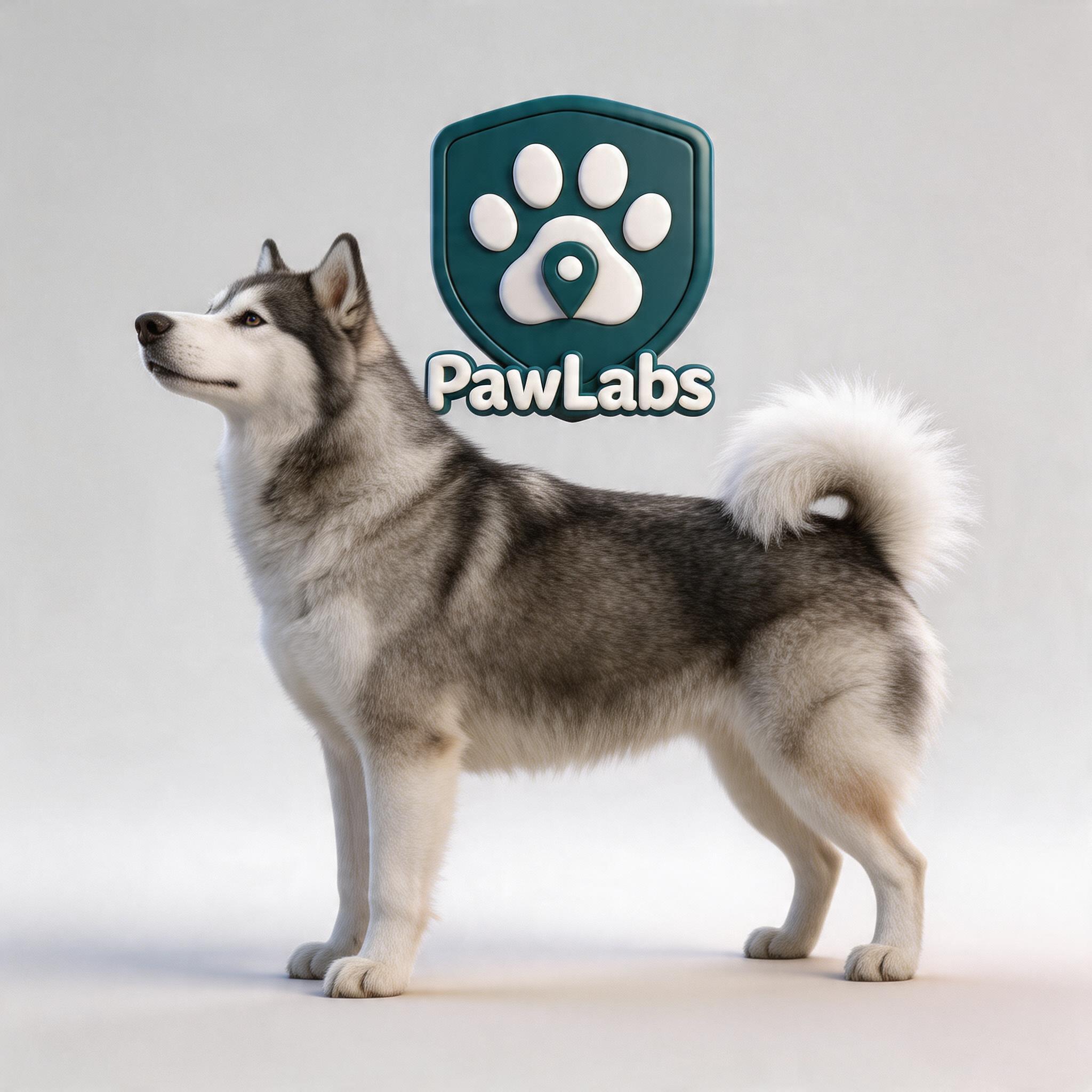
Entlebucher Mountain Dog
A compact, energetic herder with boundless loyalty and a knack for problem-solving.
Original Role: Herding cattle and guarding livestock
💪 Strengths
- + Highly intelligent and quick to learn tasks
- + Devoted to family with strong guarding instincts
⚠️ Weaknesses
- − Can be wary of strangers without proper socialization
- − High energy demands consistent exercise
📜 Breed History
The Entlebucher Mountain Dog, often called the 'Entle,' hails from the Entlebuch Valley in Switzerland, a rugged region in the Swiss Alps. This breed is the smallest of the four Swiss Mountain Dogs, which also include the Bernese, Appenzeller, and Greater Swiss Mountain Dogs. Their origins trace back centuries, where they were bred by Alpine farmers to herd cattle, guard livestock, and protect homesteads from predators. These dogs were indispensable to rural life, moving herds across steep, rocky terrain and keeping watch over their charges with unwavering focus.
Historically, the Entlebucher was a jack-of-all-trades on the farm, pulling small carts loaded with milk or supplies and even serving as a family companion after a long day’s work. Their compact size made them agile enough to navigate tight mountain paths, while their strength allowed them to handle larger animals. The breed nearly faded into obscurity in the early 20th century due to industrialization, but dedicated Swiss breeders revived their numbers, establishing a standard in 1927. Recognized by the American Kennel Club in 2011, the Entlebucher remains rare outside Switzerland, though their versatility and loyalty have earned them a small but devoted following among dog enthusiasts.
The Entlebucher Mountain Dog: A Pint-Sized Powerhouse with a Big Heart
I’ve always been struck by the sheer determination packed into the Entlebucher Mountain Dog’s compact frame. These Swiss herders, the smallest of their regional cousins, carry the grit of the Alps in every step. I’ve watched an Entle stare down a stubborn goat with the intensity of a wolf, then turn around and nudge a toddler with the gentlest of noses. They’re a paradox—fierce workers with a soft spot for their people. But don’t let their size fool you; this isn’t a lap dog. They’ve got energy to burn and a mind that needs a job, or you’ll find your backyard dug up and your patience tested. Living with an Entle means embracing their drive while setting firm boundaries. They’ve stolen my heart, but I’ll be upfront: they’re not for everyone.
Temperament & Personality
Entlebuchers are the definition of loyal. I’ve had one shadow me from room to room, lying at my feet while I worked, only to spring up the second they heard a strange noise outside. They’re protective without being aggressive, though their wariness of strangers can come off as aloof if you don’t socialize them early. I’ve seen poorly socialized Entles bark at every passerby, their hackles up, while a well-adjusted one will assess the situation before deciding if a tail wag is warranted. They bond hard with their family, often picking a favorite person to follow like a second shadow. With kids, they’re usually patient, but their herding instincts kick in—expect a few gentle nips at heels if the little ones are running wild. They’re not cuddly in the traditional sense, but they’ll lean into you for a scratch after a long day of play, their tricolor coat warm under your hand.
Exercise & Activity Needs
If you’re not ready for a dog that wakes up at 5 a.m. ready to conquer the world, think twice about an Entlebucher. These dogs were bred to herd cattle across alpine slopes, and their energy levels reflect that. I’ve taken mine on two-hour hikes through rough terrain, and they still had enough juice to chase a ball in the yard afterward. They need at least an hour of vigorous exercise daily—think running, fetching, or even agility courses. Without it, they get bored, and a bored Entle is a destructive Entle. I’ve come home to shredded shoes and toppled trash cans when I’ve skipped their morning jog. Mental stimulation is just as critical; puzzle toys or herding games can tire them out as much as a long walk. If you’ve got a farm or a big plot of land, even better—they’ll patrol it like it’s their personal kingdom.
Training & Intelligence
Entlebuchers are sharp as a tack, but that intelligence comes with a side of stubbornness. I’ve spent hours teaching one to 'stay' only for them to tilt their head as if to say, 'Why should I?' They learn fast—basic commands like sit and come can be picked up in days—but they need a reason to listen. Positive reinforcement works best; treats and praise keep them engaged. I’ve had success with short, varied sessions to hold their attention, mixing obedience with tricks or tasks like fetching specific items. Their herding background means they thrive on jobs, so giving them purpose during training is key. Without consistency, though, they’ll test every limit. I’ve seen an Entle ignore a recall just to chase a squirrel, so off-leash freedom demands a rock-solid foundation. Start early, be firm, and don’t let that cute face fool you into slacking off.
Health & Lifespan
Entlebuchers are generally hardy, with a lifespan of 11 to 15 years, but they’re not without their issues. Hip dysplasia is a concern, as with many working breeds—I’ve known owners who’ve spent thousands on surgeries when their Entle started limping at age 5. Progressive retinal atrophy, a genetic eye condition, also pops up, and I’ve seen a few go blind later in life, which breaks your heart for such an active dog. They’re prone to cataracts too, so regular vet checkups are non-negotiable. Another quirk is their sensitivity to anesthesia; I’ve had vets warn me to use minimal doses during procedures. Obesity can creep in if their exercise drops off, and I’ve watched a friend’s Entle balloon up after a lazy winter, leading to joint strain. Testing for genetic conditions before breeding or adopting is something I always push for with this breed. Budget for routine care and expect a few big bills if luck isn’t on your side.
Grooming & Maintenance
Grooming an Entlebucher is mercifully straightforward, which is a relief given their energy demands. Their short, double coat sheds moderately, with heavier blows in spring and fall. I’ve brushed mine weekly with a slicker brush to keep the loose hair under control, though during shedding season, I’m vacuuming tricolor tufts off my couch daily. Baths are rare—maybe every couple of months unless they’ve rolled in something vile during a hike. Their coat is pretty dirt-resistant, which I’ve appreciated after muddy treks. Nails need trimming every few weeks; I’ve learned the hard way that their active lifestyle doesn’t always wear them down naturally. Ears and teeth need regular checks too—mine developed a minor ear infection once from dampness after a rainy run. It’s low-maintenance compared to fluffier breeds, but don’t skip the basics, or you’ll regret it.
Diet & Nutrition
Feeding an Entlebucher requires balance—they’re active, but overfeeding leads to weight gain fast. I’ve stuck to high-quality kibble with a protein content around 25-30%, portioned out based on their weight and activity level, usually 2-3 cups split into two meals a day. Mine have thrived on diets with real meat as the first ingredient, though I’ve occasionally mixed in cooked chicken or veggies for variety. Puppies need more frequent meals, and I’ve watched them scarf down food like they’ve never eaten before, so monitor portions to avoid bloat, a risk in deeper-chested breeds. Fresh water is a must, especially after exercise—I’ve seen mine drink a full bowl after a long run. Some owners I know have gone raw or home-cooked, but I’ve found a good commercial diet works fine if you’re consistent. Watch for allergies; one of mine got itchy from a cheap brand with fillers, and switching solved it overnight.
Living Conditions
Entlebuchers aren’t built for apartment life unless you’re committed to daily outdoor marathons. They do best in homes with a fenced yard where they can patrol and burn off steam. I’ve kept mine in a suburban setting with a decent-sized backyard, and even then, they needed extra walks to stay sane. They’re adaptable to climate thanks to their double coat, handling cold Swiss winters and moderate heat, but I’ve noticed mine panting heavily above 80 degrees, so shade and water are critical in summer. They’re not outdoor-only dogs—they crave being near their people. Leaving one tied up outside all day is a recipe for misery; I’ve seen them develop anxiety when isolated too long. Rural settings or active households with space to roam suit them best. If you’re in a tiny flat with no green space nearby, this breed will drive you up the wall.
Who Should Get This Breed
If you’re an active person with a love for the outdoors, the Entlebucher could be your perfect match. I’ve met hikers, runners, and farmers who swear by these dogs as companions on trails or partners in work. They shine with owners who can give them tasks—whether it’s herding, agility, or just fetching the morning paper. Families with older kids who understand boundaries do well with them too; I’ve seen Entles form tight bonds with tweens who match their energy. If you’ve got time for training and a knack for consistency, their intelligence and loyalty will reward you tenfold. They’re ideal for someone in a rural or suburban home with space to explore, who’s ready to commit to an hour or two of daily activity. Honestly, they’re a joy if you’re prepared for their drive.
Who Should NOT Get This Breed
I’ll be blunt: if you’re a couch potato or live in a cramped city apartment with no easy access to parks, the Entlebucher isn’t for you. I’ve seen these dogs spiral into destructive chaos with owners who couldn’t keep up—one chewed through drywall when left alone too long without exercise. They’re not suited for people who work 12-hour days and can’t arrange for walks or stimulation; separation anxiety hits them hard, and I’ve heard their mournful howls through a closed door. If you’re not ready to invest in early socialization, their suspicion of strangers can turn into a liability. And if you’ve got very young kids or a house full of small pets, their herding nips and high energy might be too much. They’re amazing, but only for the right home—don’t take one on unless you’re all in.
❓ Entlebucher Mountain Dog FAQs
The questions people ask most, answered from this breed's trait scores.
Is the Entlebucher Mountain Dog good with children?
The Entlebucher Mountain Dog scores 7/10 for child-friendliness, making it a good match for families with children. That score reflects the breed's typical temperament, not any individual animal — early socialisation and how the dog was raised matter just as much. Supervise interactions with toddlers whatever the breed.
Does the Entlebucher Mountain Dog get along with other pets?
Scoring 6/10 for pet-friendliness, the Entlebucher Mountain Dog is usually fine with other pets once introduced properly. Prey drive matters here as well as sociability: breeds built to chase can live happily with a household cat they grew up with and still pursue an unfamiliar one.
How much exercise does the Entlebucher Mountain Dog need?
The Entlebucher Mountain Dog rates 9/10 for energy and needs two hours or more a day, every day, including the days you do not feel like it. Under-exercised, this is a breed that finds its own entertainment — usually at the expense of your furniture. The breed was originally developed for herding cattle and guarding livestock, which is where that requirement comes from.
Does the Entlebucher Mountain Dog shed a lot?
At 6/10 for shedding, the Entlebucher Mountain Dog sheds a moderate amount year-round. It has a short double coat. Worth knowing: low shedding is not the same as hypoallergenic — most people react to proteins in dander and saliva, not to hair itself, so no breed is genuinely allergy-free.
Is the Entlebucher Mountain Dog easy to train?
The Entlebucher Mountain Dog scores 8/10 for trainability, making it responsive and straightforward to train. It scores 8/10 for intelligence — worth separating from trainability, because a clever breed that has decided not to listen is harder work than a simpler one that wants to.
What is the average lifespan of the Entlebucher Mountain Dog?
The Entlebucher Mountain Dog typically lives 11–15 years. We rate the breed 6/10 for general health robustness. Individual lifespan depends heavily on genetics, weight management and veterinary care.
How big does the Entlebucher Mountain Dog get?
A full-grown Entlebucher Mountain Dog usually weighs 40–65 lbs and stands roughly 16–20 inches at the shoulder. That places it in the medium size band. Males generally sit at the upper end of both ranges.
Does the Entlebucher Mountain Dog bark a lot?
Rated 7/10 for barking, the Entlebucher Mountain Dog barks readily, which is worth considering if you have close neighbours. Training and adequate exercise both reduce nuisance barking, but they will not turn a naturally vocal breed into a silent one.
Is the Entlebucher Mountain Dog suited to apartment living?
The Entlebucher Mountain Dog is a difficult fit for apartment living. It scores 6/10 for adaptability, 9/10 for energy and 7/10 for barking — the three traits that decide this. Floor space matters far less than whether the breed can settle indoors and stay quiet while you are out.
Is the Entlebucher Mountain Dog a good choice for first-time owners?
On balance the Entlebucher Mountain Dog is manageable for a first-time owner who is willing to put the work in early, based on its trainability (8/10), adaptability (6/10) and energy level (9/10). The most common reason a first dog does not work out is a mismatch between the breed's daily needs and the owner's actual routine, rather than anything about the breed itself.
Written and reviewed by PawLabs Editorial Team
We build PawLabs from published kennel club breed standards and veterinary reference sources. Profiles are drafted with AI assistance against that source data, then reviewed and corrected by a person before anything is published. We say so because you should know how the thing you're reading was made. How we research breeds · Report a correction
Note: Breed profiles are general reference, not veterinary advice. For anything concerning your own animal, talk to a vet who can examine them.