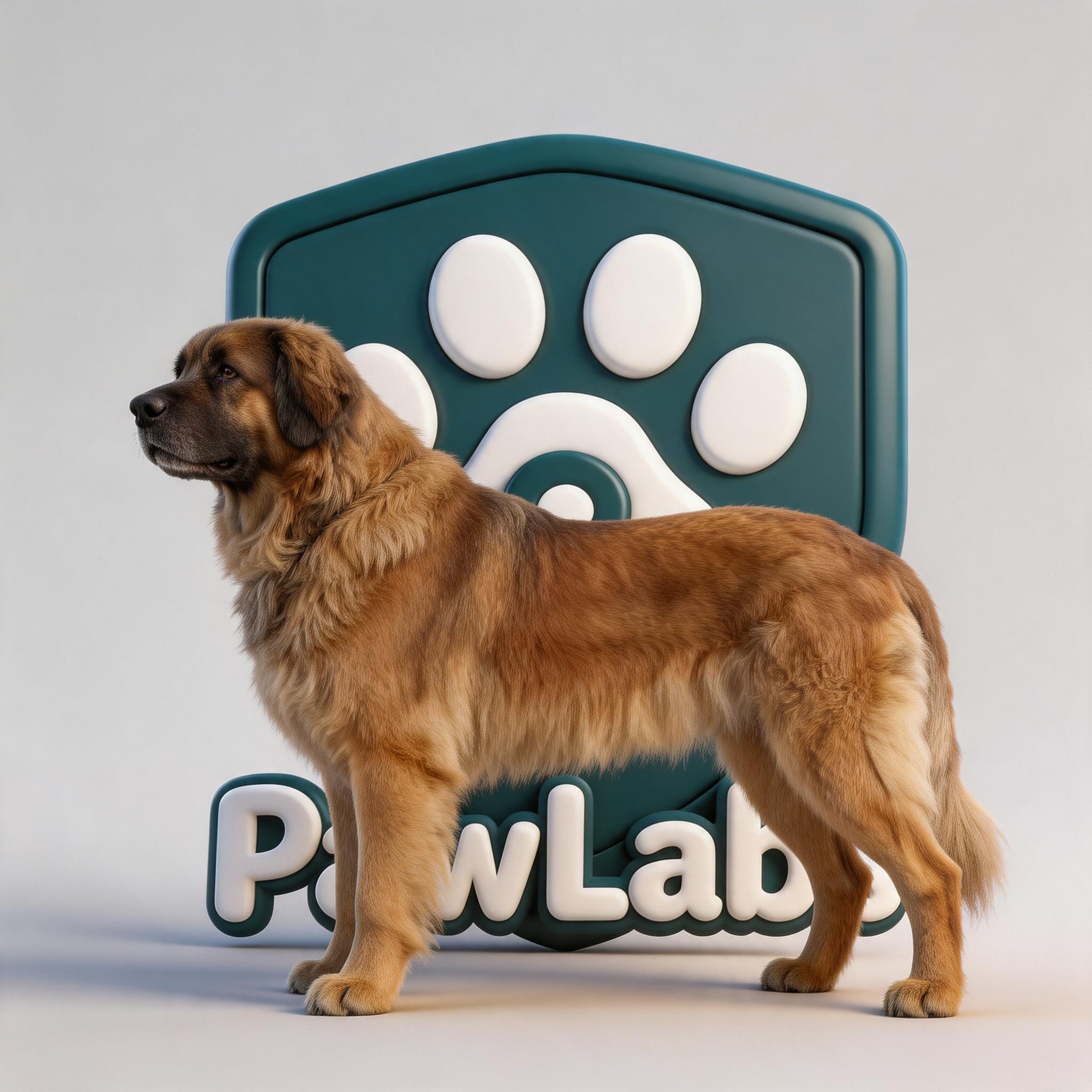
Leonberger
A gentle giant with a lion-like mane and a heart of gold.
Original Role: Farm dog, family companion
💪 Strengths
- + Exceptional family dog with a calm demeanor
- + Strong and capable for farm work or pulling carts
⚠️ Weaknesses
- − Short lifespan with significant health concerns
- − High shedding and grooming needs
⚡ Quick answers
- Sheds
- Heavily, year-round
- Hypoallergenic
- No — sheds heavily
- Barks
- Low, rarely
- Size
- 90–170 lb, giant
- Lifespan
- 7–9 years
📜 Breed History
The Leonberger hails from the city of Leonberg in southwestern Germany, where it was developed in the 19th century by Heinrich Essig, a dog breeder and politician. Essig aimed to create a majestic breed resembling a lion, the emblem of Leonberg, by crossing Saint Bernards, Newfoundlands, and possibly Pyrenean Mountain Dogs. His vision was to craft a dog that could serve as both a striking companion for European nobility and a capable working dog on farms. The result was a massive, lion-maned canine with a gentle disposition, often described as a 'gentle giant' from the start.
By the late 1800s, the Leonberger gained popularity among royals, including Napoleon III and the Prince of Wales, who admired its regal appearance and calm temperament. However, the breed nearly vanished during the World Wars due to food shortages and the destruction of breeding stock. Dedicated enthusiasts in Germany revived the Leonberger post-World War II, re-establishing it through careful breeding programs. Recognized by the American Kennel Club in 2010 as part of the Working Group, the Leonberger today remains a rare but cherished breed, valued for its historical role as a farm dog and its modern appeal as a loyal family companion.
The Leonberger: A Lion-Hearted Gentle Giant
There’s nothing quite like the moment one of these massive, lion-maned dogs lumbers over to rest its giant head in your lap. They’re the epitome of a gentle giant—towering, powerful, yet so soft in spirit that they can tiptoe around toddlers with a patience that borders on saintly. But don’t let their sweet demeanor fool you into thinking they’re low-maintenance. A single brushing session can produce enough fur to knit a sweater, and owners can face the heartbreak of losing their beloved Leo far too soon due to health issues. This breed is a commitment, a big one, in every sense of the word.
Temperament & Personality
Living with a Leonberger feels like having a furry family member who’s always tuned into your emotions. They’re incredibly loyal and affectionate, often forming deep bonds with every member of the household. Their calmness indoors surprises people—despite their size, they’re not the type to knock over furniture in a frenzy. But they’ve got a protective streak. They can give a low, rumbling bark when a stranger approaches the house, though they’re rarely aggressive unless truly provoked. Socialization is key; without it, their natural wariness of strangers can turn into standoffishness. They’re also intuitive with kids, moving slowly and deliberately, though owners should always supervise because a 150-pound dog can accidentally bump a child over without meaning to.
Exercise & Activity Needs
Leonbergers don’t demand the high-octane exercise of a Border Collie, but they’re not couch potatoes either. Daily walks of about an hour, split into morning and evening sessions, usually keep them content. They were bred as working dogs on farms, so they enjoy having a purpose—whether it’s pulling a cart in a training class or just carrying a backpack on a hike. Swimming is another favorite; they can paddle in lakes with a grace you wouldn’t expect from such a hulking frame. Puppies and young adults can have bursts of energy, and owners may need to tire them out with play in the yard to avoid chewed-up shoes. But overexercising young Leos is a real risk—those giant bones are still growing, and too much strain can lead to joint problems down the line. Moderation is the name of the game.
Training & Intelligence
Training a Leonberger is a rewarding experience if you’ve got patience. They’re smart, no question. But they’re not always eager to please like a Lab might be. They’ve got a bit of an independent streak. Consistency and positive reinforcement work best; harsh methods will shut them down faster than you can blink. Start early, because a stubborn 150-pound dog is a lot harder to manage than a 30-pound pup. Socialization is non-negotiable—under-socialized Leos can become overly protective or shy, which is a challenge with a dog this size. They thrive on mental stimulation, too, so puzzle toys and scent games have been lifesavers on rainy days when walks are short.
Health & Lifespan
Leonbergers have one of the shortest lifespans among dog breeds, often only reaching 7 to 9 years. They’re prone to a host of health issues, with hip and elbow dysplasia being common due to their massive size—some owners spend thousands on surgeries to help their dogs stay mobile. Bloat, or gastric dilatation-volvulus, is another serious concern; feed smaller meals and avoid exercise right after eating to minimize the risk. Heart conditions like cardiomyopathy can crop up, and cancer rates, especially osteosarcoma, are heartbreakingly high. Regular vet checkups are a must, and budget for potential emergencies because with a Leonberger, they’re almost inevitable. Finding a breeder who screens for these issues is critical if you’re going the puppy route.
Grooming & Maintenance
If you’re not ready for fur, lots of it, think twice about a Leonberger. Their double coat is thick and water-repellent, designed for harsh German winters, and it sheds like crazy, especially during spring and fall. Brush every other day with an undercoat rake just to keep the tumbleweeds under control, and even then, vacuum daily. Baths are a production—imagine wrestling a wet bear into a tub—but thankfully, they only need one every couple of months unless they’ve rolled in something nasty. Their mane around the neck and chest mats easily, so detangling after muddy walks can take hours. Nails, ears, and teeth need regular attention too; ear infections can sneak up when those floppy ears aren’t cleaned weekly. It’s work, no doubt about it.
Diet & Nutrition
Feeding a Leonberger is like feeding a small horse. They eat a lot—think 4 to 6 cups of high-quality kibble daily for an adult, depending on their weight and activity level. Opt for a diet formulated for large breeds to support joint health, often with added glucosamine and chondroitin. Puppies grow fast, and overfeeding can stress their developing bones, so controlled portions are essential. Bloat is a constant worry, so use a slow-feeder bowl and split meals into two or three smaller ones. Fresh water is non-negotiable with their thick coat; refill bowls multiple times a day in summer. Treats are fine, but keep them minimal—obesity in a dog this size is a fast track to joint issues. Always consult a vet for specific needs, especially as they age.
Living Conditions
Leonbergers aren’t built for apartment life. They need room to stretch out, ideally a house with a fenced yard where they can lounge or play. Their thick coat means they handle cold weather like champs—they can nap happily in snow—but heat is their enemy. During a hot summer, owners need to limit outdoor time to early morning and evening, with plenty of shade and water. They’re adaptable to rural or suburban settings as long as they’ve got space and aren’t left alone for long stretches. They can get restless without company; they’re too people-oriented for isolation.
Who Should Get This Breed
If you’ve got a big heart and a big home, a Leonberger might be your dream dog. They’re perfect for families with kids who want a gentle, protective companion—they can stand guard over children like a furry nanny. People with experience handling large breeds will find them manageable, especially if you’re into outdoor activities like hiking or carting, where their working heritage shines. If you’re in a cold climate and have time to devote to grooming and bonding, you’ll be rewarded with unwavering loyalty. Some owners say their Leo is their best friend—there’s a depth to their companionship that’s hard to match.
Who Should NOT Get This Breed
On the flip side, if you’re in a small apartment or can’t handle heavy shedding, steer clear. Some people underestimate the fur and end up frustrated within months. If you’re not prepared for a short lifespan or the high likelihood of costly vet bills, this breed will break your heart and your bank account. They’re not for first-time dog owners—managing a dog this size takes know-how, especially when they decide to plant their paws and not budge. And if you’re away from home for long hours, a Leonberger will struggle; they can exhibit mild separation anxiety, complete with mournful howls when left alone. This is a breed for the committed, not the casual pet parent.
❓ Leonberger FAQs
The questions people ask most about the Leonberger, answered specifically. Hypoallergenic dogs, explained
Is the Leonberger good with children?
Yes — Leonbergers are good with children because their patient and gentle temperament leads them to tiptoe around toddlers with deliberate movements that minimise accidental bumps despite their giant build. Bred as family companions in Germany, these dogs form deep bonds with household members and remain calm indoors while showing intuitive care around kids, though their substantial size requires awareness during play. (PawLabs child-friendly score: 8/10)
Does the Leonberger get along with other pets?
Yes — Leonbergers generally get along with other pets thanks to their loyal and patient nature that supports sociability within the home. Their calm demeanor reduces tension in multi-pet households, and the breed’s history as a German farm dog and family companion encourages tolerance rather than high prey drive or same-sex aggression, allowing them to coexist peacefully when properly introduced. Their massive frame means interactions stay measured and gentle.
How much exercise does the Leonberger need?
Leonbergers need roughly an hour of daily exercise split into morning and evening sessions. Without this they can become restless and resort to chewing items around the house. As former German farm dogs they suit purposeful activities such as pulling carts, carrying backpacks on hikes or swimming which match their strong build and moderate energy without overstraining growing joints in puppies.
Does the Leonberger shed a lot?
Yes — Leonbergers shed heavily with a medium double coat that produces noticeable loose fur year-round. The lion-like mane and dense undercoat trap hair that spreads through the house and requires frequent removal, while the overall texture demands regular attention to prevent matting in feathered areas. This high shedding matches their grooming needs and makes them unsuitable for those wanting a tidy environment. (PawLabs shedding score: 9/10)
Is the Leonberger hypoallergenic?
Leonbergers have a medium double coat that sheds heavily and spreads loose hair throughout the house. The lion-like mane and dense undercoat trap dander, so the breed is not among those usually suggested to allergy sufferers. No breed is genuinely hypoallergenic.
Is the Leonberger easy to train?
Leonbergers are moderately easy to train when owners use patience and consistent methods. Their high intelligence allows them to learn tasks quickly but their gentle independence as German farm dogs means they respond best to purposeful work such as cart pulling rather than repetitive drills, and their calm loyalty rewards positive reinforcement while sensitivity to harsh correction can slow progress.
What is the average lifespan of the Leonberger?
Leonbergers live 7-9 years. Their short lifespan connects directly to significant health concerns that frequently affect this giant German breed, and the massive build with its lion-like frame places extra demands on the body that contribute to earlier decline. Owners must prepare for the emotional impact of this limited time alongside the breed’s loyal and affectionate companionship.
How big does the Leonberger get?
Leonbergers reach 90-170 lb and stand 25-31 in tall as adults. This giant German breed possesses a powerful, substantial build with a distinctive lion-like mane that makes them feel imposing yet surprisingly gentle when they rest their massive head in a lap, demanding awareness of their strength during everyday interactions and ample living space to accommodate their lumbering movements indoors.
Does the Leonberger bark a lot?
Leonbergers bark moderately. They produce a low, rumbling alert when strangers approach the house but remain quiet otherwise, reflecting their original role as calm German farm dogs and family companions rather than constant watchdogs. This selective vocalisation matches their patient and gentle temperament, avoiding excessive noise while still offering protective presence without unnecessary disturbance.
Is the Leonberger suited to apartment living?
No — Leonbergers do not suit apartment living. Their giant size and substantial build make settling indoors challenging despite a calm demeanor, while daily exercise needs of about an hour plus heavy shedding from the medium double coat create practical difficulties in limited spaces. The breed’s history as a German farm dog further favours properties with room for purposeful movement over confined urban dwellings.
Is the Leonberger a good choice for first-time owners?
No — Leonbergers are not a good first dog. Their high grooming needs from the medium double coat, heavy shedding that fills the house, short lifespan linked to significant health concerns and giant size requiring careful management of exercise all create demands that challenge novices. The breed’s loyal yet protective temperament also benefits from experienced handling to channel its calm strength and prevent wariness of strangers.
Written and reviewed by PawLabs Editorial Team
We build PawLabs from published kennel club breed standards and veterinary reference sources. Profiles are drafted with AI assistance against that source data, then reviewed and corrected by a person before anything is published. We say so because you should know how the thing you're reading was made. How we research breeds · Report a correction
Note: Breed profiles are general reference, not veterinary advice. For anything concerning your own animal, talk to a vet who can examine them.