Long-distance runners and hikers need a dog whose stamina matches the miles rather than one that fades after an hour. Most high-energy breeds tire, overheat or become reactive when the terrain turns technical and the distance stretches beyond five or six miles. The breeds that succeed combine genuine cardiovascular endurance, quick recovery, and enough focus to stay on trail without constant correction while still wanting another loop at the end.
Daily life with the right dog looks like pre-dawn trail runs that last ninety minutes or more, weekend backcountry hikes with elevation gain, and an animal that returns home still alert rather than collapsed. Breeds that fall short either require excessive grooming after every muddy outing or lack the trainability to respect boundaries when wildlife appears.
What separates workable dogs from frustrating ones is the combination of robust health under repeated stress, coat maintenance that does not consume hours after every outing, and a biddability level that keeps the dog responsive even when tired.
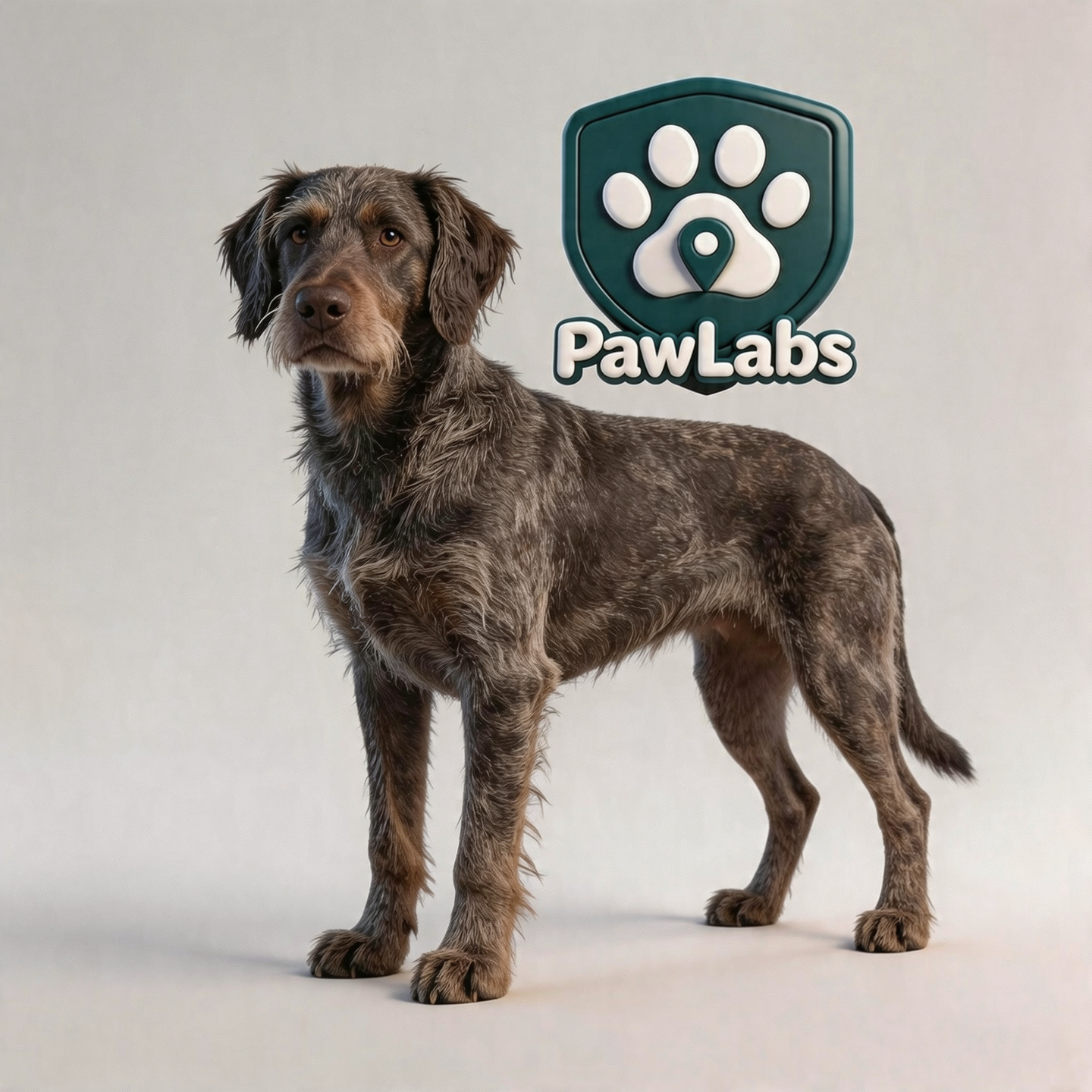
1. German Wirehaired Pointer
This breed was developed to hunt from dawn until dusk across varied terrain, so it treats a ten-mile trail run as routine work rather than exercise. Owners report the dog stays eager for a second outing the same day and maintains steady pace on technical singletrack without needing constant encouragement.
Expect two structured runs or hikes totaling ninety to one hundred twenty minutes daily plus mental work such as retrieving drills. The wiry coat needs brushing every ten to fourteen days and occasional hand-stripping; veterinary costs remain average because the breed carries solid health clearances for hips and eyes.
Skip this breed if you dislike a vocal dog that announces every squirrel or if you live in a dense urban setting with limited access to open land; the pointing instinct can also fix on birds mid-run and pull focus.
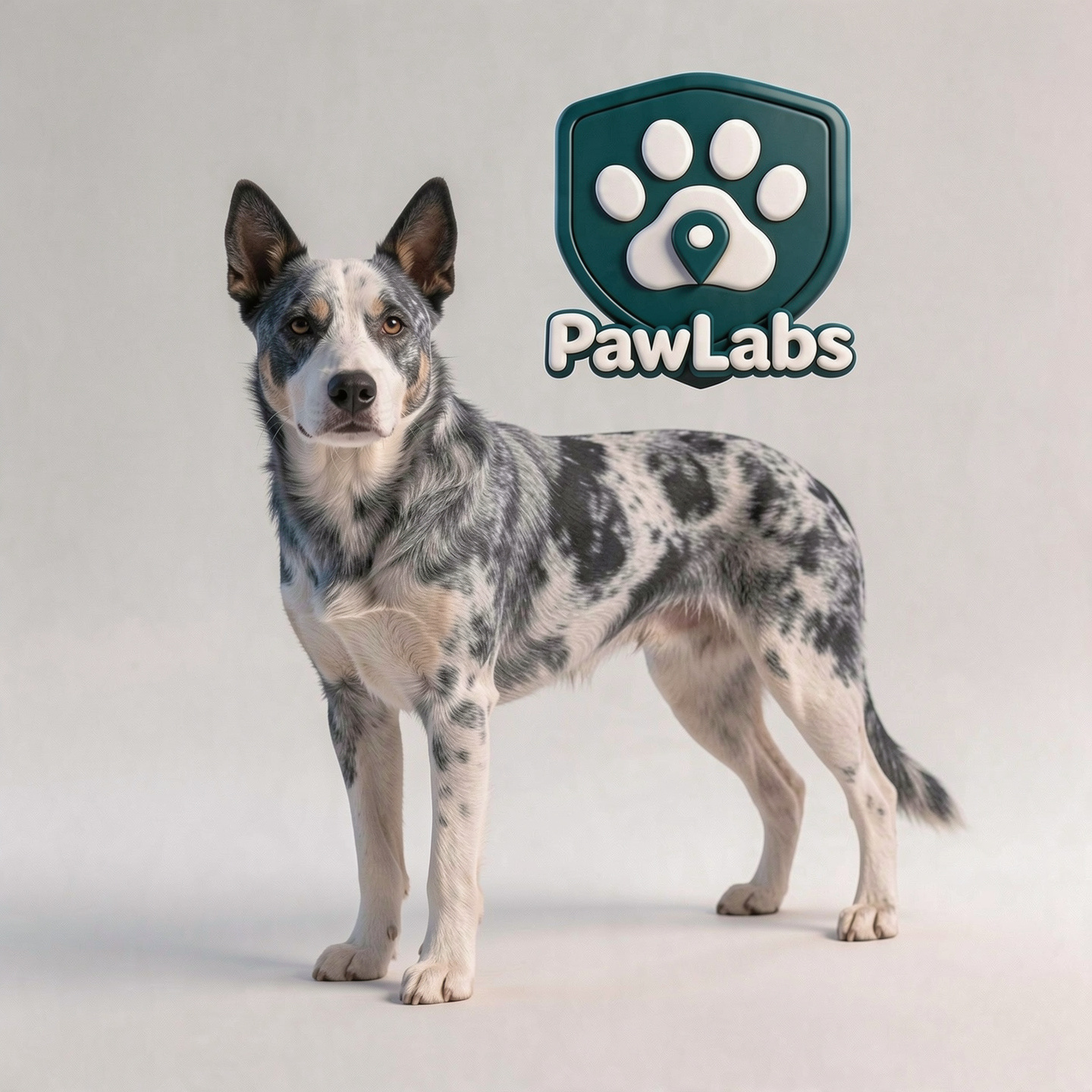
2. Australian Cattle Dog
The Australian Cattle Dog was built to cover vast distances while controlling stock, translating directly to sustained performance on long hikes and runs. Its compact frame and high drive keep it moving at a runner’s pace for hours without the dramatic slowdowns seen in less conditioned breeds.
Plan on ninety minutes of vigorous activity daily, often split into a morning run and an evening training session; the short double coat sheds moderately twice a year and otherwise needs only weekly brushing. Annual health maintenance stays typical for a medium breed with responsible breeding.
Owners who cannot provide consistent leadership or who want a dog that welcomes every stranger on the trail should look elsewhere; the breed’s protective streak can turn into reactivity toward other dogs or people when under-exercised.
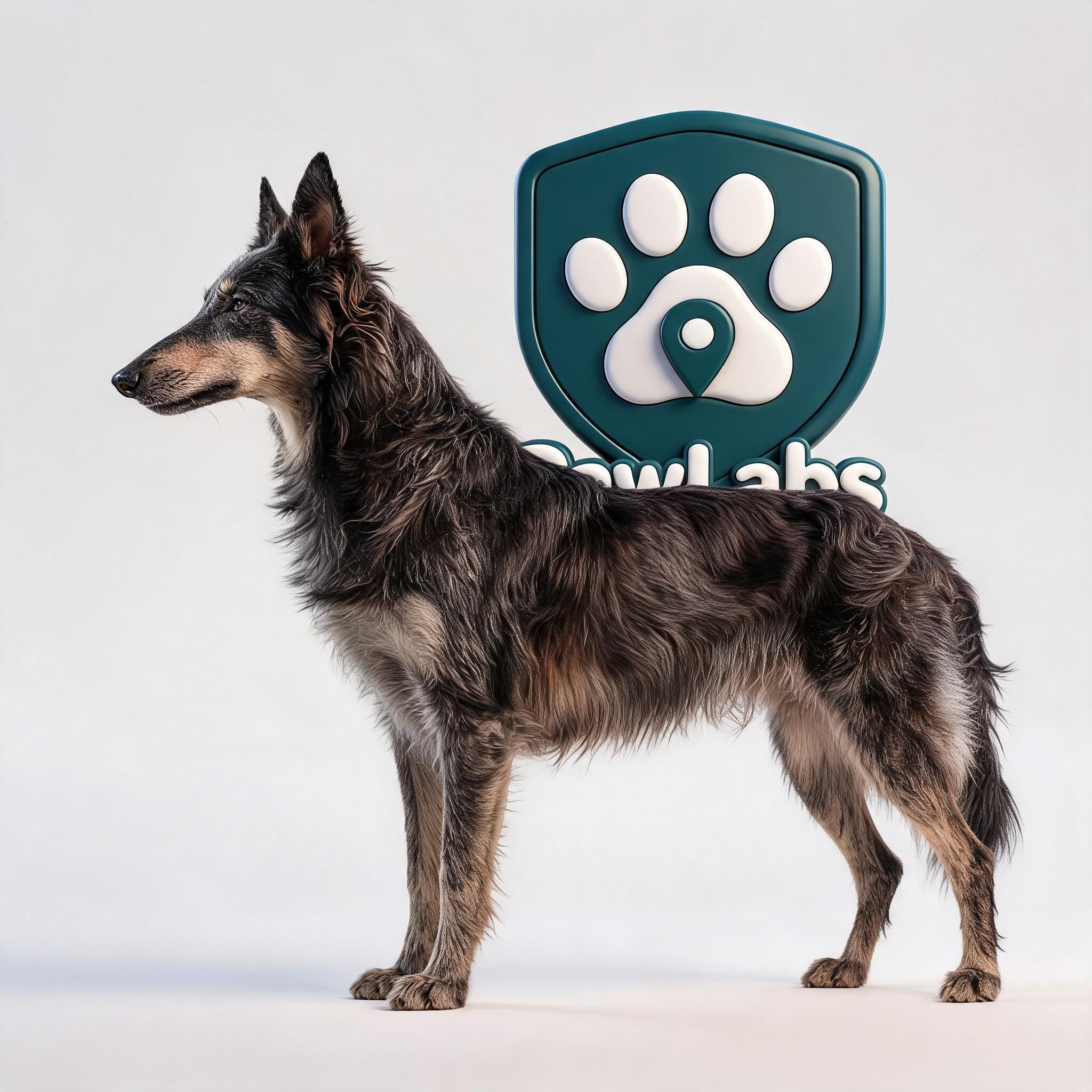
3. Mudi
The Mudi’s combination of herding drive and slightly higher adaptability makes it comfortable on both exposed ridgelines and forested paths that change temperature quickly. It covers distance efficiently and retains focus during long efforts.
Daily mileage should reach eight to twelve miles split across runs and hikes; the medium coat requires brushing every two weeks and minimal trimming. Health testing follows the same pattern as other herding breeds with emphasis on eyes and hips.
Choose another breed if you prefer a dog that tolerates long periods alone; the Mudi bonds tightly and can develop separation distress when left for a full workday after a shorter morning outing.
4. Pumi
The Pumi’s agile build and quick reflexes suit technical trails where balance and rapid direction changes matter. It maintains speed across uneven ground and recovers quickly between segments.
Expect daily exercise of at least ninety minutes with a mix of running and focused training; the curly coat needs professional grooming every six to eight weeks plus weekly brushing at home. Routine veterinary care aligns with other medium herding breeds.
Pass on the Pumi if frequent grooming appointments conflict with training schedules or if you want a dog that remains quiet on the trail; its alert barking carries farther than many owners anticipate.
5. Puli
The Puli possesses the endurance for long days but carries a corded coat that complicates post-trail cleanup. It moves with purpose and stays engaged over distance when conditioned properly.
Plan for ninety-plus minutes of daily activity; the cords require regular separation and drying after wet hikes, with professional maintenance several times a year. Health profiles remain comparable to other medium herding breeds.
Skip this breed if you hike in frequent mud or rain; the cords trap debris and become heavy, turning a simple rinse into hours of drying time and increasing skin irritation risk.
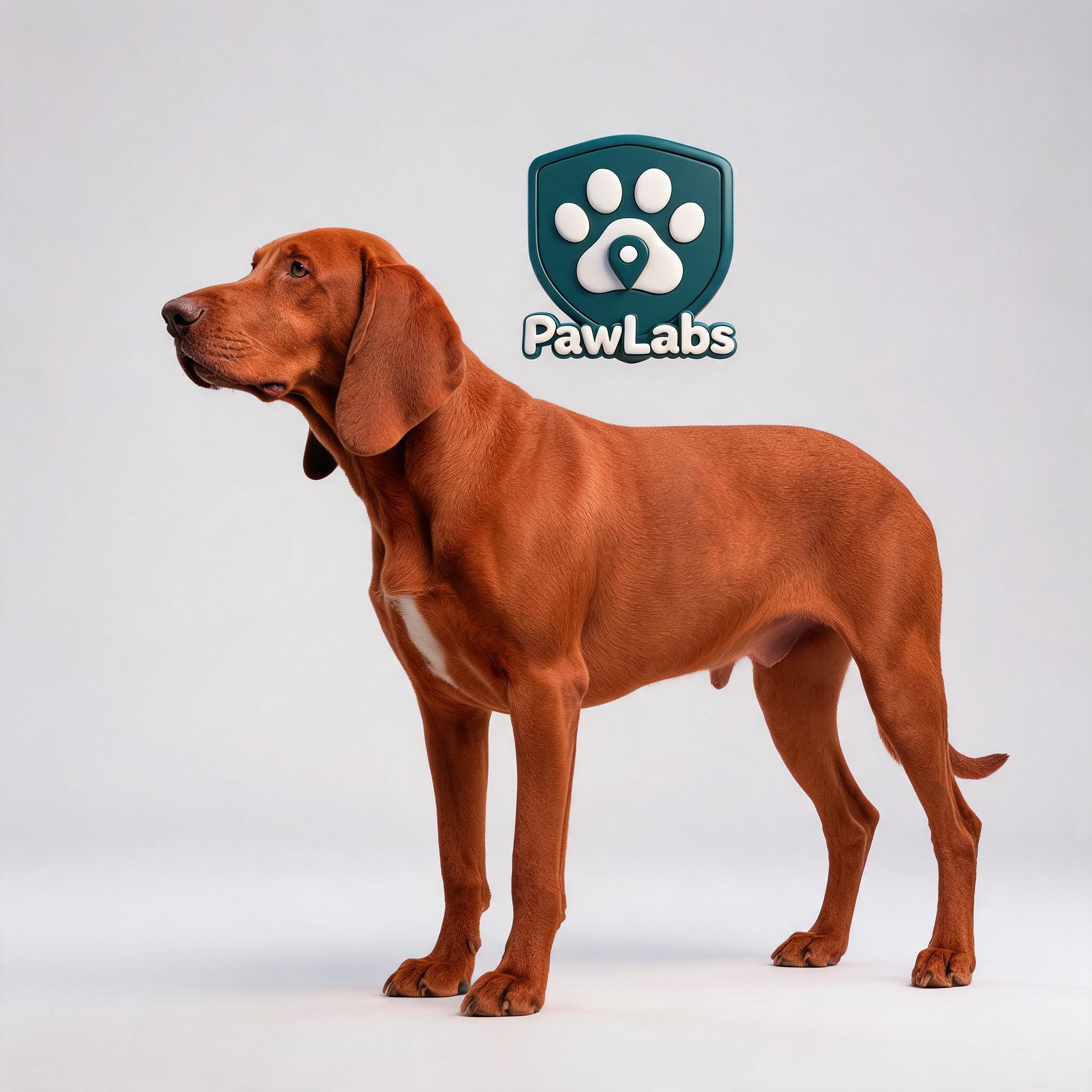
6. Redbone Coonhound
The Redbone can physically cover long miles and possesses strong scent drive, yet its lower trainability makes it harder to keep on trail when distractions appear. It retains energy but often requires more management than the herding and pointing breeds above.
Provide at least two hours of running or hiking daily; the short coat needs only occasional brushing and sheds lightly. Veterinary expenses stay average with attention to ear care common in hounds.
Choose a different breed if reliable recall on busy trails matters; the Redbone’s independent hound nature and tendency to vocalize can frustrate runners who need immediate response to commands.
How to choose between them
Match the dog to your typical trail conditions first: wire-coated or short-coated breeds handle mud and water with less friction than corded coats. Next weigh how much daily training time you can commit; higher trainability reduces the hours needed to maintain reliable trail manners.
If your routes include frequent encounters with other users, prioritize the breeds with stronger biddability over those whose independence shines only in remote settings.