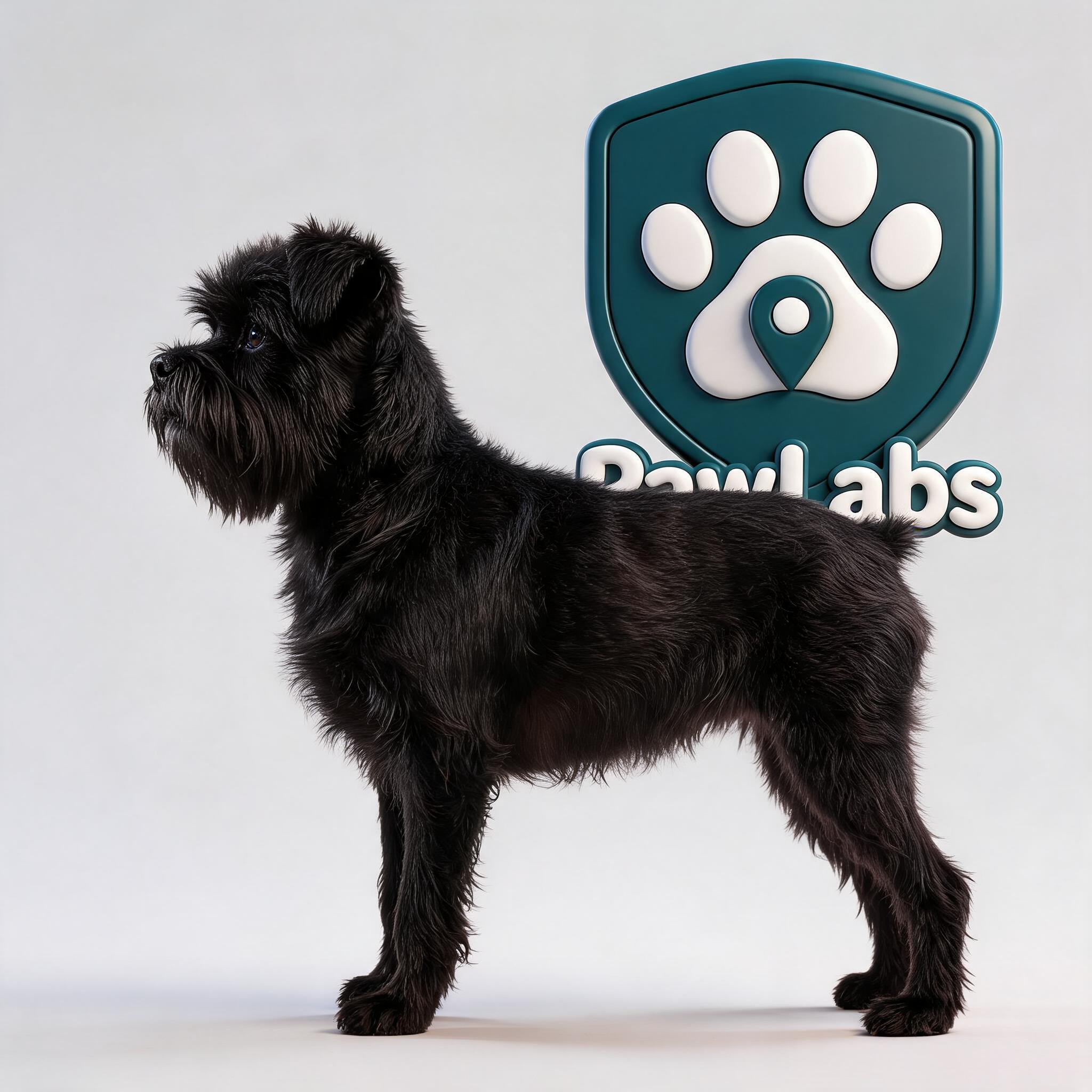
Puli
A quirky, corded Hungarian herder with boundless energy and loyalty.
Original Role: Herding livestock
💪 Strengths
- + Exceptional herding instincts and problem-solving skills
- + Deeply loyal and protective of family
⚠️ Weaknesses
- − High energy can lead to destructive behavior if not managed
- − Unique coat requires significant maintenance
📜 Breed History
The Puli, often called the 'Hungarian mop dog,' has roots that stretch back over a thousand years to the Magyar tribes of Central Asia. These nomadic people brought their shaggy herding dogs with them as they migrated to the Hungarian plains around the 9th century. The Puli was bred to be a tireless worker, tasked with herding and guarding sheep in harsh, open landscapes. Their unique corded coat—think natural dreadlocks—developed as protection against the elements, shielding them from biting winds and predators alike. I’ve heard stories from Hungarian breeders about how these dogs could blend into the flock, their coats mimicking the woolly texture of sheep, fooling wolves until the Puli sprang into action.
By the 16th century, the Puli was a staple of Hungarian pastoral life, often working alongside larger guard dogs like the Komondor. While the Komondor protected the flock at night, the Puli was the daytime dynamo, darting around to keep sheep in line with uncanny precision. Their agility and intelligence made them indispensable. In the early 20th century, the breed nearly faced extinction due to industrialization and changing agricultural practices, but dedicated Hungarian enthusiasts revived their numbers. The Puli was recognized by the American Kennel Club in 1936, though they remain a rare sight outside Hungary. Today, they’re celebrated not just as herders but as quirky, loyal companions with a look that’s impossible to mistake.
The Puli: A Whirlwind of Cords and Charisma
I’ll never forget the first time I met a Puli. It was at a herding trial in rural Pennsylvania, and this little black bundle of cords bounced across the field like a living mop, herding sheep with a focus that could rival any Border Collie. That’s the Puli for you—a medium-sized Hungarian herder with a larger-than-life personality, wrapped in a coat that’s equal parts conversation starter and maintenance nightmare. They’re not just a pretty (or peculiar) face; these dogs are wired for work, brimming with energy, and fiercely devoted to their people. But I’ve also seen frustrated owners struggle with their relentless drive and grooming demands. If you’re considering a Puli, you’d better be ready for a dog that’s as demanding as it is endearing.
Temperament & Personality
Living with a Puli is like having a furry personal trainer who’s also a bit of a clown. They’re endlessly energetic, always on the lookout for a job, whether that’s herding your kids around the backyard or trying to organize your household chaos. I’ve watched a Puli named Zsolt pace around a living room at 5am, whining until his owner took him out for a run—there’s no snooze button with this breed. They’re deeply loyal, often bonding tightly with one or two family members, and they’ve got a protective streak that makes them excellent watchdogs. But that same protectiveness can turn into suspicion around strangers. I’ve seen Pulis bark at delivery drivers with a ferocity that belies their size, only to melt into cuddles once they know it’s safe. They’re playful too, often inventing games with toys or even household items if you don’t keep them engaged. Just don’t expect a lap dog—their affection comes with a side of mischief.
Exercise & Activity Needs
If you’re not an active person, stop reading now. A Puli needs serious exercise—think an hour or two of vigorous activity every single day. I’ve taken Pulis on long hikes through muddy trails, and they’ve still had energy to spare when we got home, darting around the yard like they’d just woken up. Their herding background means they thrive on mental stimulation as much as physical exertion. Puzzle toys, agility courses, or even teaching them to fetch specific items can burn off some of that boundless drive. Without enough outlet, they’ll channel it into destructive behaviors. I’ve seen a bored Puli shred curtains in under an hour because their owner underestimated their needs. A tired Puli is a happy Puli, and trust me, you’ll need to work hard to get there.
Training & Intelligence
Pulis are brainy—sometimes too brainy for their own good. Their intelligence is off the charts, and they pick up commands with startling speed. I once taught a young Puli to sit, stay, and come in a single afternoon, and by the next day, he was testing boundaries to see if he could ignore me. That’s the catch: they’re independent thinkers, bred to make decisions on the fly while herding. You’ll need patience and consistency to channel that mind into obedience. Positive reinforcement works best—treats, praise, and play keep them motivated. But they can be stubborn, especially if they sense you’re not in charge. I’ve seen owners struggle when a Puli decides it’s the boss, so start training early and stay firm. Socialization is key too; without it, their wariness of strangers can turn into outright anxiety.
Health & Lifespan
Pulis are generally hardy, with a lifespan of 10 to 15 years, but they’re not without their health quirks. Hip dysplasia is a concern, as it is with many active breeds. I’ve known a few Pulis who developed mobility issues in their later years, and vet bills for X-rays and joint supplements added up fast. Eye conditions like progressive retinal atrophy can crop up too, so regular checkups are a must. Their corded coat, while protective, can hide skin infections if not cared for, and I’ve seen owners shell out hundreds on dermatology visits after neglecting grooming. Patellar luxation—slipping kneecaps—is another issue to watch for, especially in smaller individuals. A good breeder will screen for these problems, but be prepared for potential costs. They’re tough dogs, though, and with proper care, they often live long, active lives.
Grooming & Maintenance
Let’s talk about that coat. The Puli’s cords are iconic, forming naturally as their curly fur mats into long, woolly dreadlocks. But don’t think it’s low-maintenance just because they don’t shed much. I’ve spent hours with owners learning how to separate cords by hand to prevent matting at the skin, and it’s a labor of love. Bathing is a whole ordeal—those cords take forever to dry, and if you don’t squeeze out water properly, you’re risking mildew or skin issues. Some owners opt to clip the coat short for easier care, but then you lose the breed’s signature look. Brushing isn’t an option with a corded Puli; it’s all about manual maintenance. Plan on dedicating serious time weekly, or budget for a professional groomer who knows this breed. Their ears also need regular cleaning to avoid infections hidden under all that fur.
Diet & Nutrition
Feeding a Puli isn’t overly complicated, but their high energy demands a quality diet. I’ve seen these dogs thrive on a high-protein, grain-free kibble or raw food plans tailored to active breeds. They typically need 1.5 to 2.5 cups of dry food daily, split into two meals, depending on their weight and activity level. Watch their portions, though—some Pulis can pack on pounds if overfed, especially as they age and slow down. I’ve known a few who became picky eaters, turning their noses up at kibble unless mixed with wet food or toppers. Fresh water is non-negotiable, especially after exercise, as they can overheat under that heavy coat. If you’re unsure, consult a vet for a plan, but expect to spend a bit more on premium food to keep their energy up.
Living Conditions
A Puli can adapt to various homes, but they’re not ideal for everyone. Apartments? Only if you’re committed to daily outdoor exercise—lots of it. I’ve seen Pulis in small spaces turn destructive when cooped up, chewing furniture out of sheer frustration. A house with a fenced yard is better, giving them room to zoom around and burn energy. Their coat handles cold well, a nod to their Hungarian roots, but hot, humid climates can be tough. I’ve watched a Puli pant excessively during a humid summer, and owners had to keep them indoors with AC. They’re not outdoor-only dogs either; they crave human interaction and can develop separation anxiety if left alone too long. Wherever you live, prioritize access to space and time with you.
Who Should Get This Breed
If you’re an active, outdoorsy type who loves a challenge, the Puli might be your perfect match. They’re ideal for folks with experience training intelligent, high-energy dogs, especially if you’ve got a knack for herding or agility sports. I’ve seen Pulis thrive with owners who treat them like partners, involving them in daily tasks and adventures. Families with older kids can work well too, as long as the children respect the dog’s space and energy. If you’ve got the time to commit to grooming and exercise, and you appreciate a dog with personality to spare, you’ll fall in love with their quirky charm and unwavering loyalty. They’re a rare breed, and owning one feels like joining an exclusive club.
Who Should NOT Get This Breed
If you’re a couch potato or have a packed schedule that leaves little time for a dog, walk away. Pulis demand attention, exercise, and mental stimulation, and I’ve seen them become neurotic or destructive when neglected. First-time dog owners might struggle with their stubborn streak and grooming needs—those cords aren’t for the faint of heart. If you live in a tiny apartment with no yard and can’t commit to long daily walks, this isn’t the breed for you. Families with very young kids should think twice too; while Pulis can be gentle, their herding instincts might lead to nipping at little ones running around. And if you’re not prepared for a dog that barks at every perceived threat, their vocal nature might drive you up the wall.
❓ Puli FAQs
The questions people ask most, answered from this breed's trait scores.
Is the Puli good with children?
The Puli scores 7/10 for child-friendliness, making it a good match for families with children. That score reflects the breed's typical temperament, not any individual animal — early socialisation and how the dog was raised matter just as much. Supervise interactions with toddlers whatever the breed.
Does the Puli get along with other pets?
Scoring 6/10 for pet-friendliness, the Puli is usually fine with other pets once introduced properly. Prey drive matters here as well as sociability: breeds built to chase can live happily with a household cat they grew up with and still pursue an unfamiliar one.
How much exercise does the Puli need?
The Puli rates 9/10 for energy and needs two hours or more a day, every day, including the days you do not feel like it. Under-exercised, this is a breed that finds its own entertainment — usually at the expense of your furniture. The breed was originally developed for herding livestock, which is where that requirement comes from.
Does the Puli shed a lot?
At 3/10 for shedding, the Puli sheds lightly. It has a long curly coat. Worth knowing: low shedding is not the same as hypoallergenic — most people react to proteins in dander and saliva, not to hair itself, so no breed is genuinely allergy-free.
Is the Puli easy to train?
The Puli scores 8/10 for trainability, making it responsive and straightforward to train. It scores 9/10 for intelligence — worth separating from trainability, because a clever breed that has decided not to listen is harder work than a simpler one that wants to.
What is the average lifespan of the Puli?
The Puli typically lives 10–15 years. We rate the breed 7/10 for general health robustness. Individual lifespan depends heavily on genetics, weight management and veterinary care.
How big does the Puli get?
A full-grown Puli usually weighs 25–35 lbs and stands roughly 16–17 inches at the shoulder. That places it in the medium size band. Males generally sit at the upper end of both ranges.
Does the Puli bark a lot?
Rated 6/10 for barking, the Puli barks a moderate amount. Training and adequate exercise both reduce nuisance barking, but they will not turn a naturally vocal breed into a silent one.
Is the Puli suited to apartment living?
The Puli is a difficult fit for apartment living. It scores 6/10 for adaptability, 9/10 for energy and 6/10 for barking — the three traits that decide this. Floor space matters far less than whether the breed can settle indoors and stay quiet while you are out.
Is the Puli a good choice for first-time owners?
On balance the Puli is manageable for a first-time owner who is willing to put the work in early, based on its trainability (8/10), adaptability (6/10) and energy level (9/10). The most common reason a first dog does not work out is a mismatch between the breed's daily needs and the owner's actual routine, rather than anything about the breed itself.
Written and reviewed by PawLabs Editorial Team
We build PawLabs from published kennel club breed standards and veterinary reference sources. Profiles are drafted with AI assistance against that source data, then reviewed and corrected by a person before anything is published. We say so because you should know how the thing you're reading was made. How we research breeds · Report a correction
Note: Breed profiles are general reference, not veterinary advice. For anything concerning your own animal, talk to a vet who can examine them.